



Dive In
About the Expedition
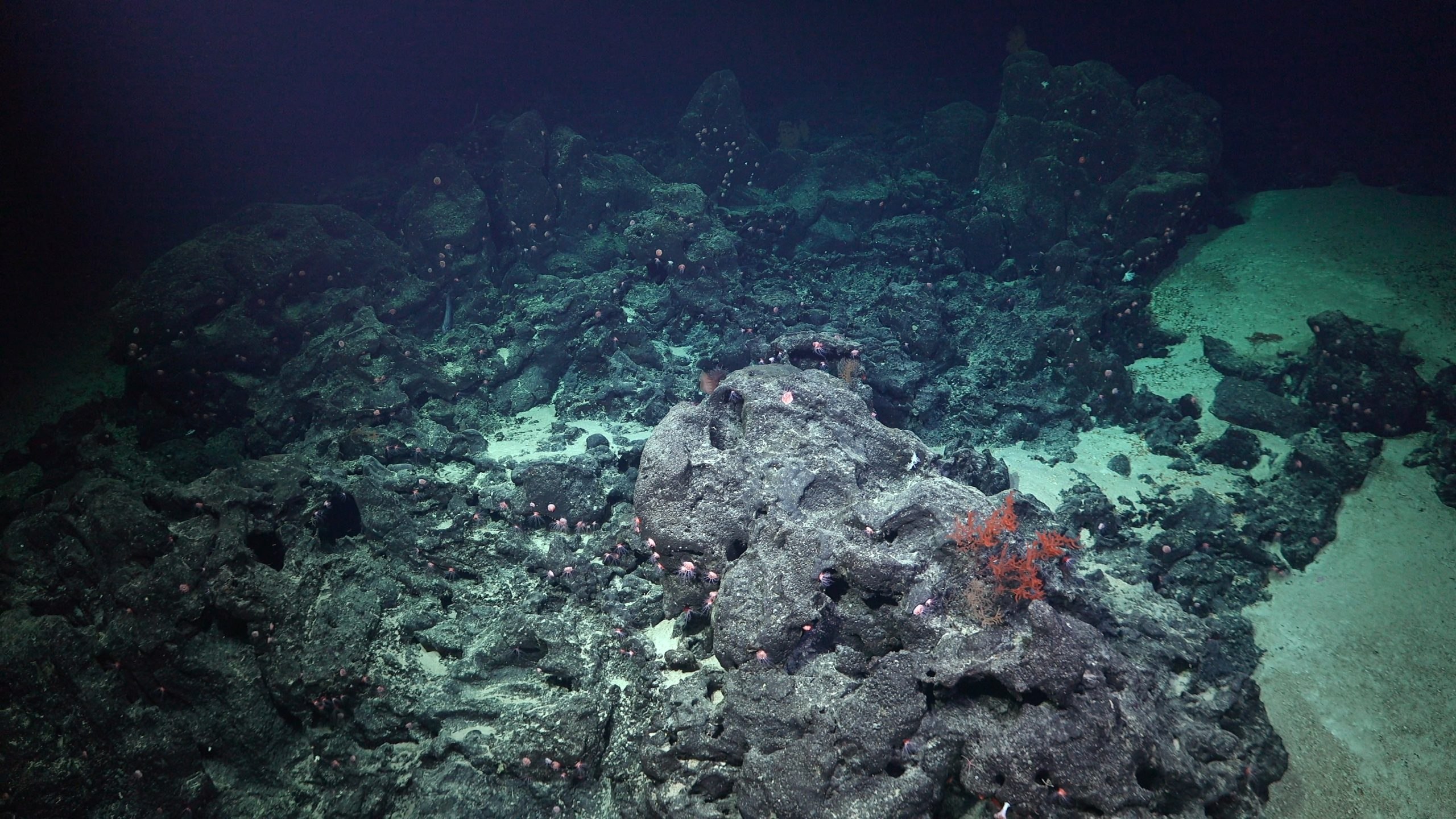
The Salas y Gómez Ridge extends off the coast of Chile to Rapa Nui, also known as Easter Island, in the Central Pacific. Created by volcanism, these underwater mountains provide essential habitats for deep-sea organisms, supporting some of the highest marine endemism globally. Many of the species living here exist nowhere else on Earth. The hard, rocky surface offers something solid for sessile life to cling to, and the mountainous landscape provides animals a place where food is delivered directly to their benthic doorsteps by the water currents.
Extending off the coast of Chile, 73% of this remote, underexplored region lies in the high seas, outside of any country’s jurisdiction. The Salas y Gómez Ridge likely harbors pristine and unexploited habitats with abundant biodiversity that require international cooperation to protect before they are lost.
To better understand the biodiversity and connectivity of the region — how organisms living along this ridge reproduce, mature, and move via ocean currents — Dr. Erin E. Easton of the U.S. University of Texas Rio Grande Valley has assembled an international and multidisciplinary team to examine an understudied, and essential area of the global Ocean. Together, they will explore these southeast Pacific seamounts via a forty-day expedition that harnesses the technology and powerful data tools available on R/V Falkor (too). The team intends to assemble critical information to describe the region and support the designation of one of the first high-seas marine protected areas along the Salas y Gómez Ridge.
- Dive Markers
- Trackline
The Mission
Understanding seamount biodiversity
Experts believe the ridge provides a protective corridor for numerous organisms traveling between the central Pacific and the South American coast, and the area almost certainly harbors species new to science. Marine mammals and seabirds migrate across the ridge to feed. This region harbors 82 threatened or endangered species, and there is strong evidence that biodiversity along these seamounts warrants robust protections.
The connections and environmental drivers between the seamounts of the Salas y Gómez Ridge are understudied. A key objective of this expedition is to identify biogeographic boundaries at different scales. The team will examine how currents flowing between and around the mountains impact the distribution of vital food sources and the genetic diversity among the organisms living there. Their work will inform future conservation efforts and advance our understanding of oceanic processes around seamounts.
People and science at sea
The international, multidisciplinary team includes engineers, marine ecologists, and physical, geological, chemical, and biological oceanographers, half of whom come from Chilean scientific institutions. The Rapa Nui Sea Council (koro Nui o te Vaikava) elected Artist-at-Sea Tauroa Aguilera and Berth of Opportunity participant Serafina Moulto to join the expedition to bring their perspectives as Rapanui community members to the expedition.
To better assess the biodiversity and oceanic processes, the team will collect multibeam and backscatter data to generate maps of ridges and identify locations for exploration with the ship’s remotely operated vehicle, ROV SuBastian. They’ll also collect meteorological, acoustic, and oceanic data while surveying surface waters for seabirds, marine mammals, and marine debris. Water samples collected with the ship’s CTD rosette and baited traps will allow the scientists to look at productivity in the water column and compare that to wildlife sightings above and deep below the Ocean’s surface.
Video surveys and sampling with the ROV dives in three depth zones (<600, 600-1000, and 1000-1500 m) will help scientists describe what sort of animals and organisms exist along these seamounts and within potential biogeographic boundaries. Holotypes, the single physical examples of an organism used when the species is formally described, will remain at the Chilean National History Museum to build capacity for future scientific study and advocacy efforts in the region.
A stereo, laser, and hyperspectral camera system, currently under development and testing, will be integrated onto the ROV. The camera will allow the team to capture color arrays invisible to the human eye within each image pixel. The minute color differences will enable the identification of tiny organisms, different types of sand, and potentially whether or not animals are healthy or sick. Together, this data and imagery will paint a detailed portrait of biodiversity on the ridge.
Informing a high-seas marine protected area
In February of 2023, the United Nations adopted the High Seas Treaty and pledged to protect 30% of the world’s Ocean by 2030. Currently, less than 1% of the high seas are protected. While recent marine protected areas, or MPAs, have been established in Chile, they are limited to the country’s territorial waters. Rapa Nui leadership and Chilean policymakers have championed international efforts to designate the ridge as a large-scale marine protected area. Previous studies strongly suggest that the Salas y Gómez Ridge is a critical area to protect in international waters, and this expedition will provide solid evidence to support and advance this effort.
Furthermore, because there is little to no fishing or commercial activity around the ridge, scientists and policymakers are optimistic that it is a bastion for oceanic biodiversity. Due to the lack of human exploitation, a small window of opportunity exists for protecting the Salas y Gómez Ridge without impacting industry, which could galvanize support for international cooperation to preserve the ridge for future generations.
Team and Collaborators
Erin E. Easton
Chief Scientist
Maria de los Angeles Gallardo
Giancarlo Troni
Marcela Hey Aravena
Observer
Javiera Fuentes
Maritza Castro
Josefa Araya Campano
Boris Dewitte
Brian Kennedy
Ariadna Mecho
Alessandra Savini
Vicente Sufán
Tanja Stratmann
Matthew Lee
Luca Fallati
Carlos Gaymer
Les Watling
Monserratt Gonzalez
Megan Francis
Misha Vallejo Prut
Multimedia Correspondent
Patricia Esquete
Jan Maximiliano F. Tapia Guerra
Matías Portflitt Toro

Emilia Ra'a Palma Tuki
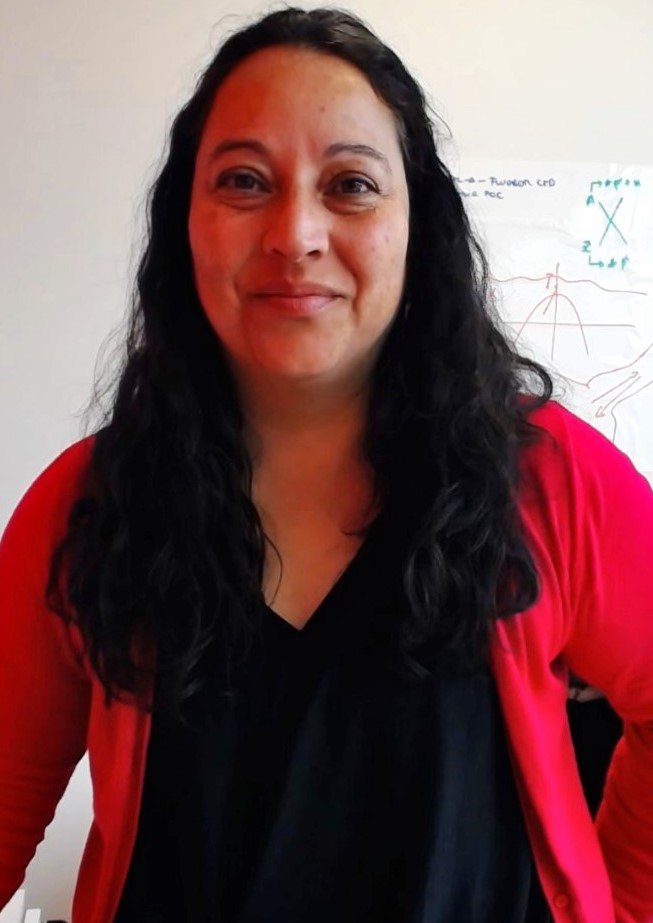
Marcela Cornejo
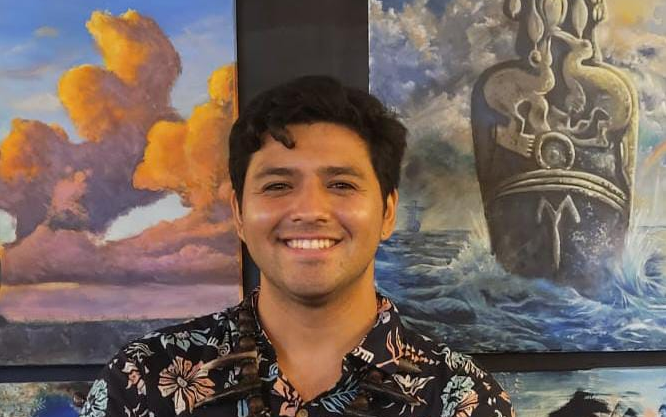
Tauroa Aguilera Hey
Artist-at-Sea
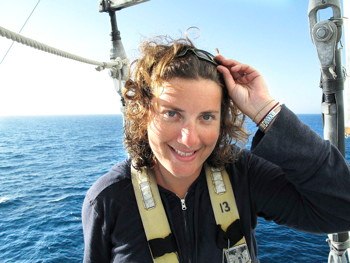
Randi Rotjan
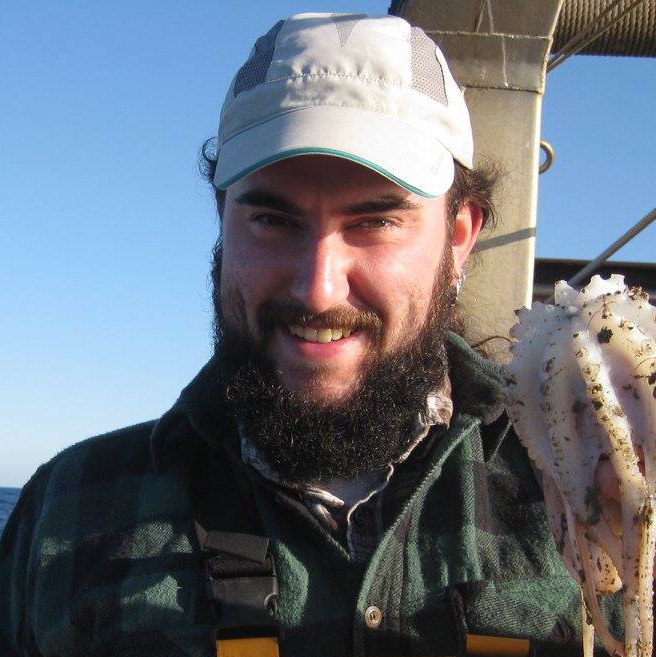
Fernando Á. Fernández-Álvarez
Claudia Berardi
Rosanne Dodde
Serafina Heirangi Moulton Tepano
Berth of Opportunity
Eulogio Soto
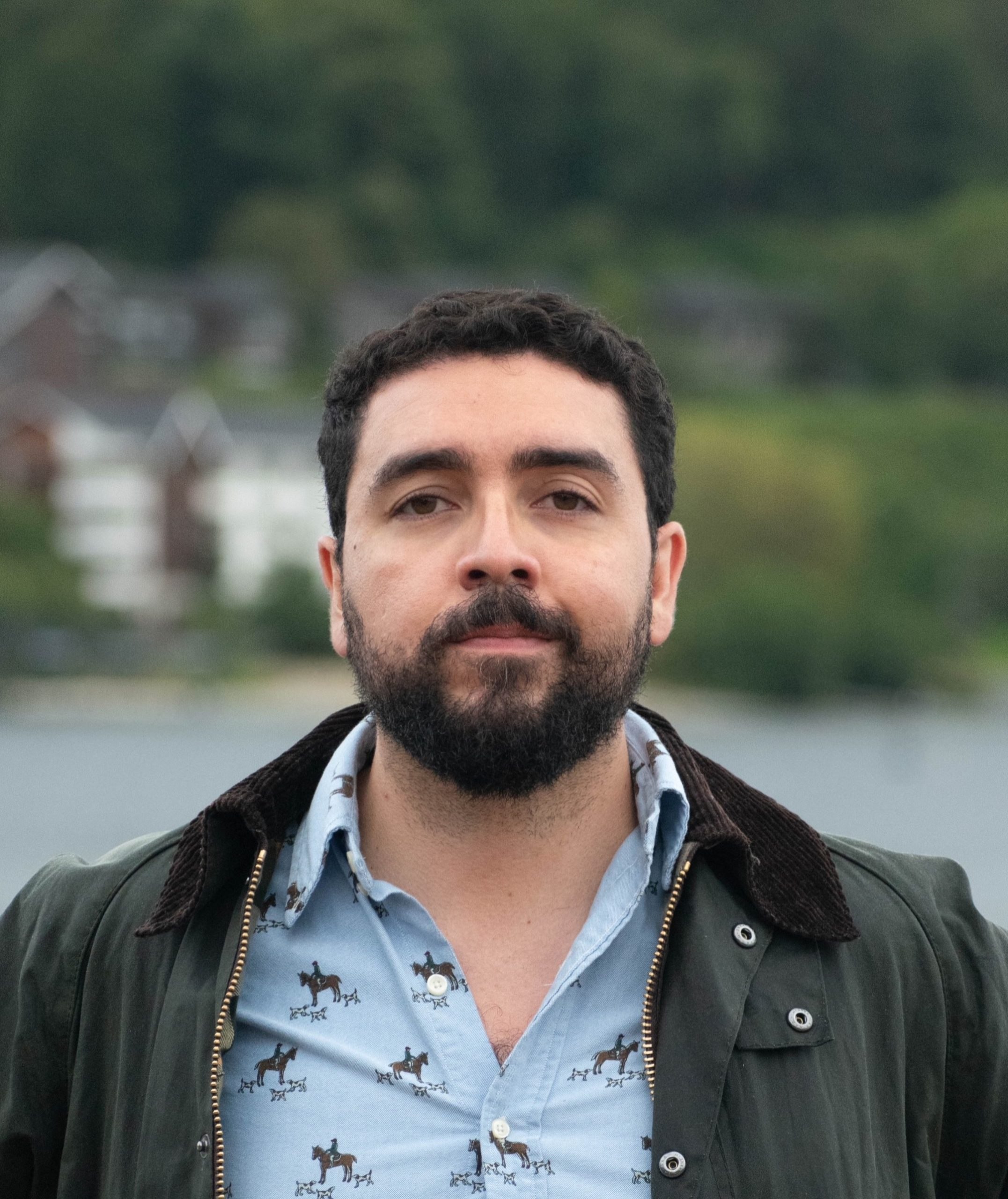
Gaspar González
Observer
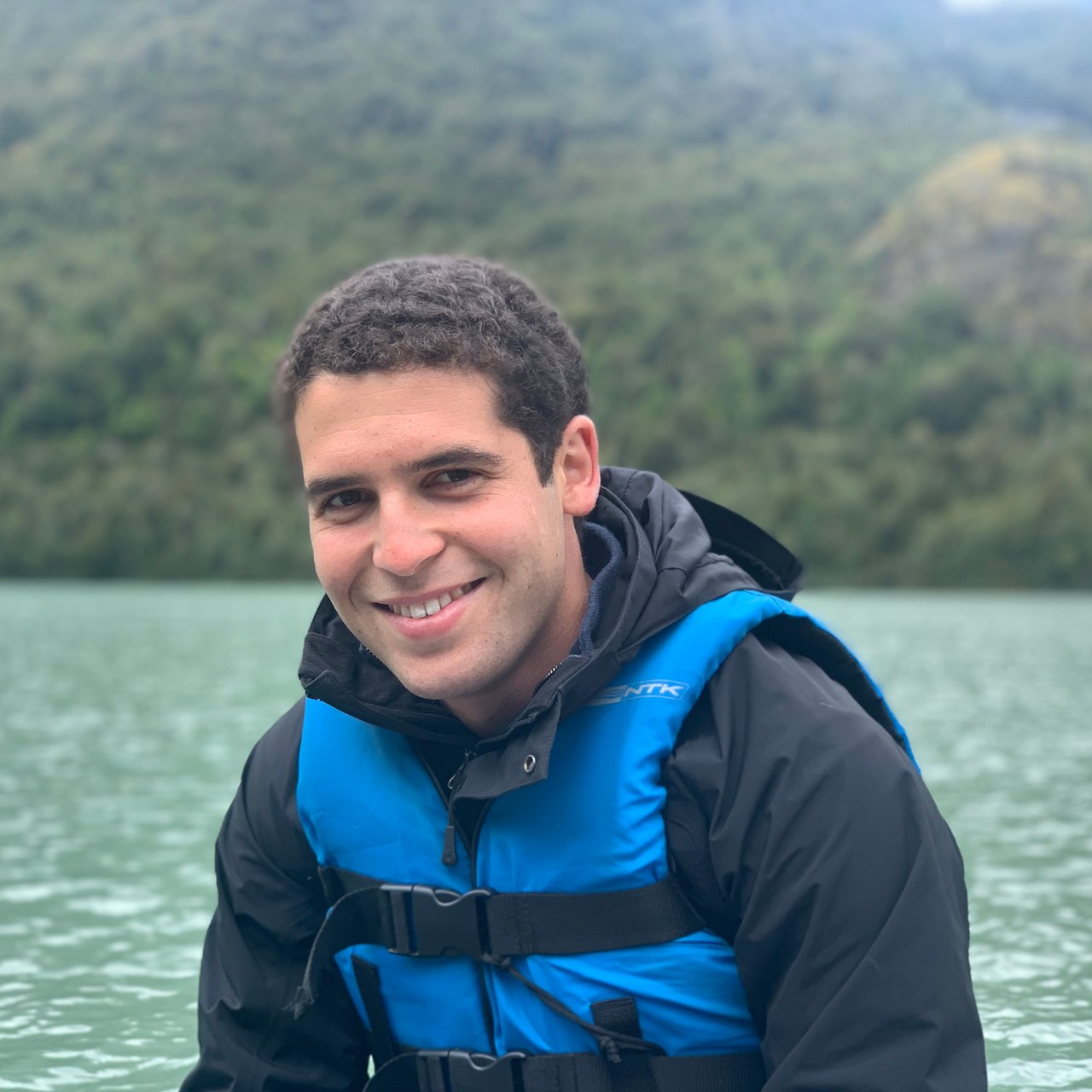
Sebastián Rodriguez
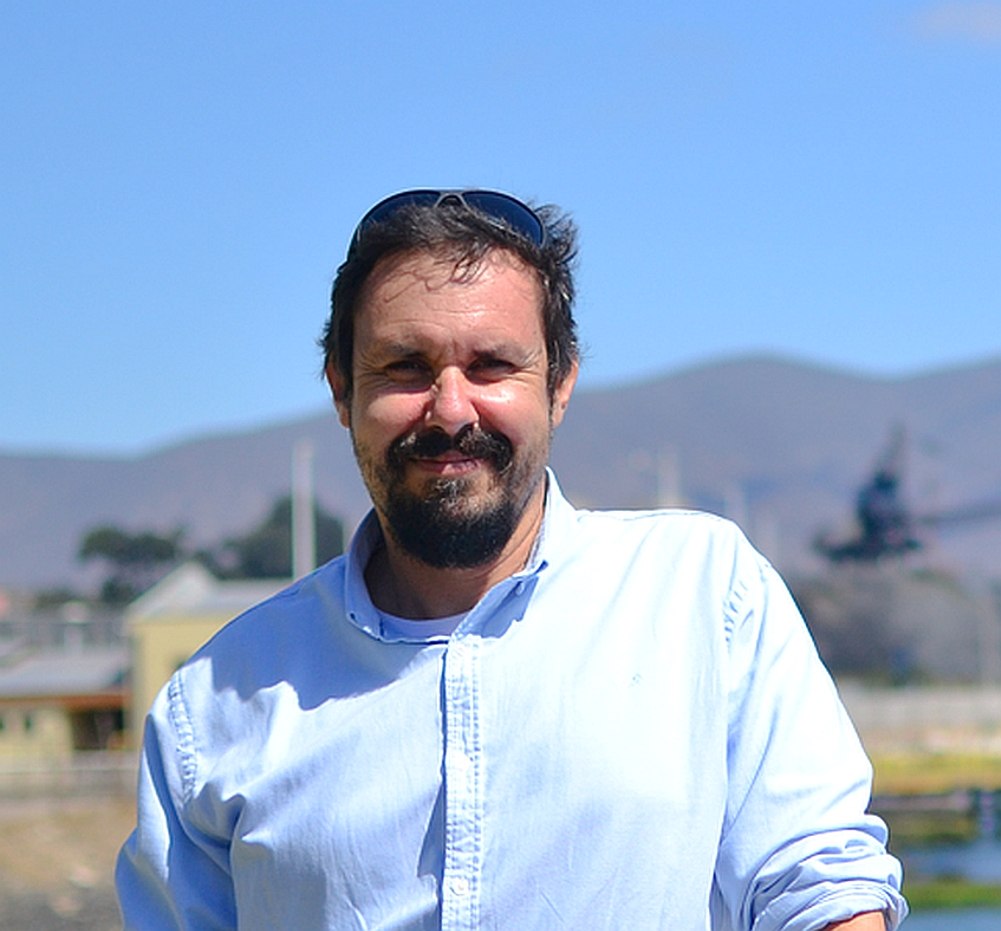
Javier Sellanes
Aaron Micallef











Explore
Related Galleries
View All
Divestreams
View all Divestreams

Discover More
Expedition Data
Title  | Type | Repository |
|---|---|---|
| Samples collected on the expedition | Biological Samples | Zenodo |
| ADCP data | Oceanographic Property Data | University of Hawaii SOEST |
| Vessel Underway data | Oceanographic Property Data | Rolling Deck to Repository (R2R) |
| Stable isotope data | Water Samples | Zenodo |
| A provisional list of nematode species encountered | Biological Samples | Other |
| ROV SuBastian Sensor Data | Oceanographic Property Data | Marine Geoscience Data System (MGDS) |
| ROV Image Data | Captured Image/Video | Marine Geoscience Data System (MGDS) |
| ROV Event Log Data | Other | Marine Geoscience Data System (MGDS) |
Publications from This Expedition
Fernández-Zúñiga, M., Vögler, R., de los Ángeles Gallardo, M., Tapia-Guerra, J., and Sellanes, J. (2025). Spatial ecology of two emblematic deep-sea crustaceans in the Salas y Gomez, Nazca and Juan Fernandez ridges Southeast Pacific, Scientific Reports (15), doi: 10.1038/s41598-025-98820-4.
[This Article was published OPEN ACCESS]Gallardo Salamanca, M., Asorey, C., and Macpherson, E. (2025). A new species of Galathea (Decapoda, Galatheidae) from the seamounts of the Easter Island Area (Southeast Pacific Ocean Ridge) associated with a sea urchin. Zookeys, 1248: 111-123, doi: 10.3897/zookeys.12488.159542.
[This Article was published OPEN ACCESS]Tapia-Guerra, J., Sellanes, J., Matthias, G., and Easton, E. (2025). First observations of filmentous cyanobacterial mats on whip black corals (Antipatharia: Stichopathes spp.) off Rapa Nui (Easter Island), Chile. Bullentin of Mar. Sci., doi: 10.5343/bms.2024.0071.
Preliminary Expedition Report: Unexplored Seamounts of the Salas y Gomez Ridge
[This Article was published OPEN ACCESS]Portflitt-Toro, M. (2025). Habitantes de las profundidades: Una exploración a los montes submarinos del Pacífico Sudeste. Zenodo, doi: 10.5281/zenodo.17289608.
[This Article was published OPEN ACCESS]Carrasco, S., Ibáñez, C., Varela, A., Tapia-Guerra, J., Easton, E. y Sellanes, J. (2026). Morphology, Phylogeny and Distribution of Scaeurgus (Cephalopoda: Octopoda) in Southeast Pacific Seamounts. Journal of Marine Science and Engineering, 14(7), doi: 10.3390/jmse14070678.
[This Article was published OPEN ACCESS]