


0 results for
- Type in the search bar to begin searching the site.
Expeditions
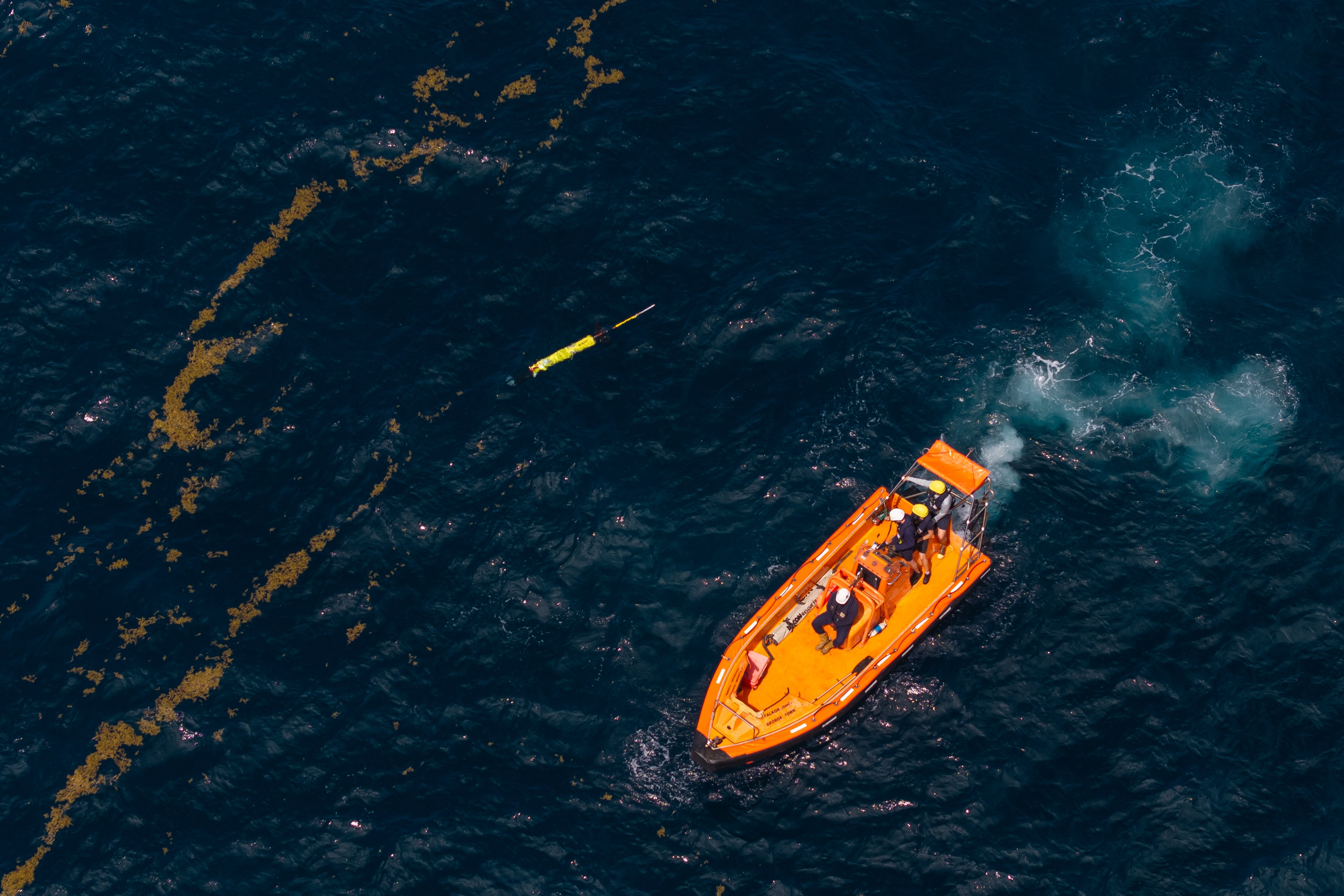
In the coming years, our expeditions will explore understudied regions around all seven continents in our global Ocean.
Latest Expedition
See all
Programs
From grants for caregivers to an artist-at-sea residency, our programs strive to deepen knowledge and inspire a connection with our planet’s life support system.
Latest Expedition
See all
Science Team Resources
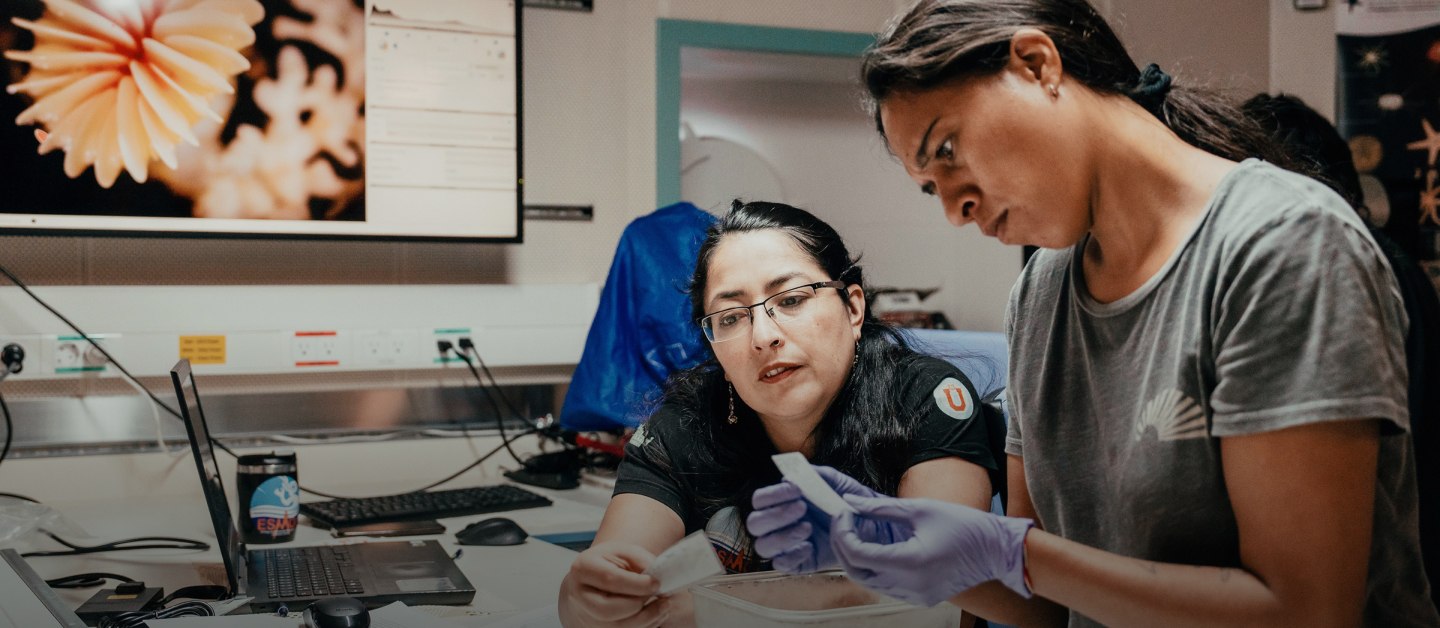
To help you plan for your expedition, this hub includes information about outreach, technical specifications for our robotic platforms, a list of lab equipment, information about accessing data repositories, and more.
Latest Expedition
See all
- Our Team

Expeditions & Roles
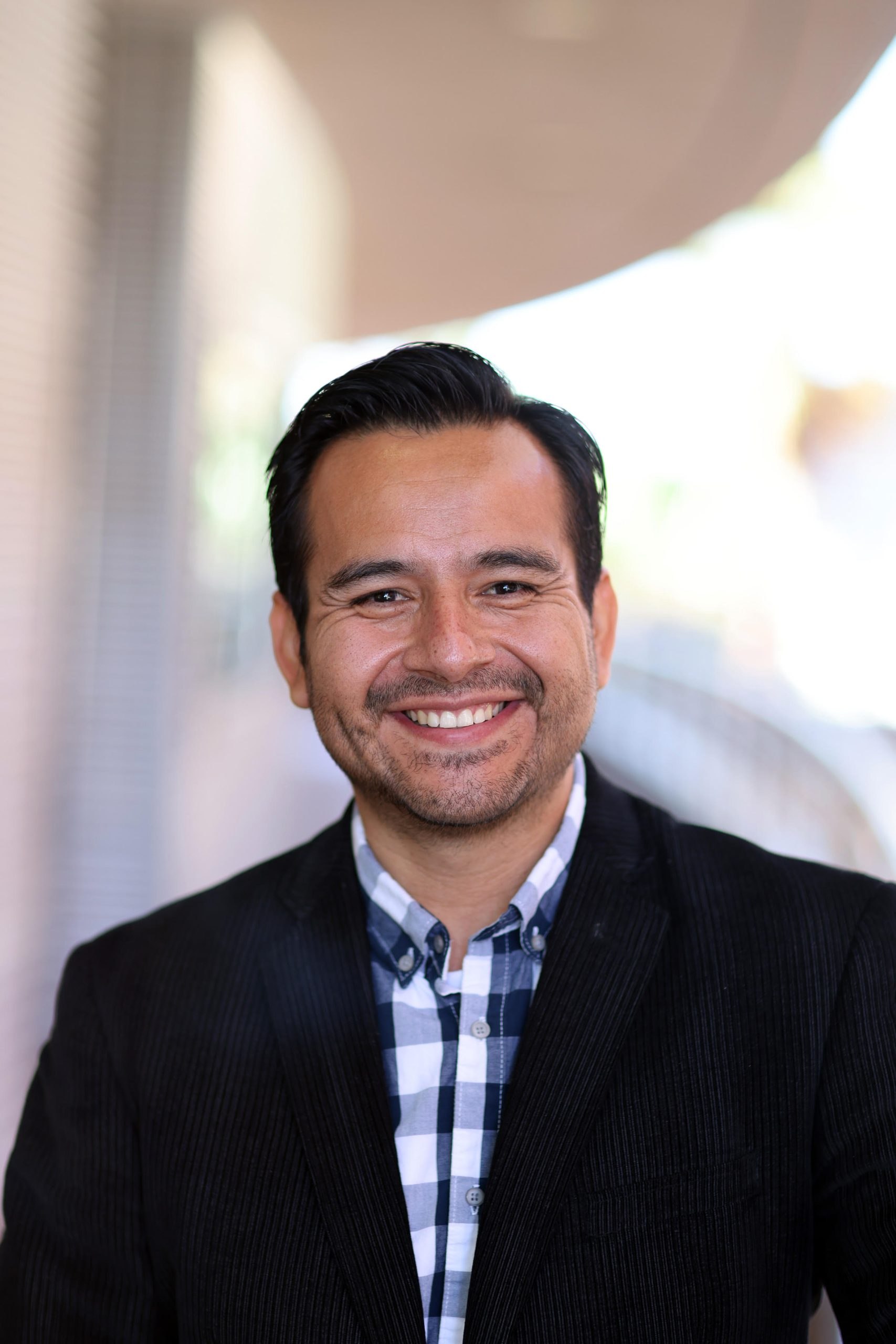
Gustavo Ramírez
Dr. Gustavo A. Ramírez is an Assistant Professor in the Department of Biological Sciences at the California State University, Los Angeles where he leads a bioinformatics and microbial ecology research group. Gustavo holds a B.S. in Microbiology from the California State Polytechnic University, Pomona, and a Ph.D. in Biological Oceanography from the University of Southern California. He uses bioinformatics to understand microbe-environment interactions and co-evolution across diverse marine habitats and animal systems. His previous work involved surveying microbes living in sediment-buried crust, exploring the survival mechanisms of microbes buried in deep marine sediment, and studying microbial-induced corrosion of steel. More recently, Gustavo has explored methane and hydrogen cycling by the microbiomes of marine sponges and the chicken gastrointestinal tract. Throughout his career, Gustavo has participated in numerous international oceanographic expeditions working with Remotely Operated Vehicles and deep sediment coring systems. He has also visited the seafloor in the Human Occupied Vehicle Alvin diving kilometers deep to sample crustal fluids at subseafloor crustal observatories in the Eastern Pacific. On this expedition, he looks forward to exploring the role of low temperature fluid discharge on the micro- and macro-ecology of seamount ecosystems.