


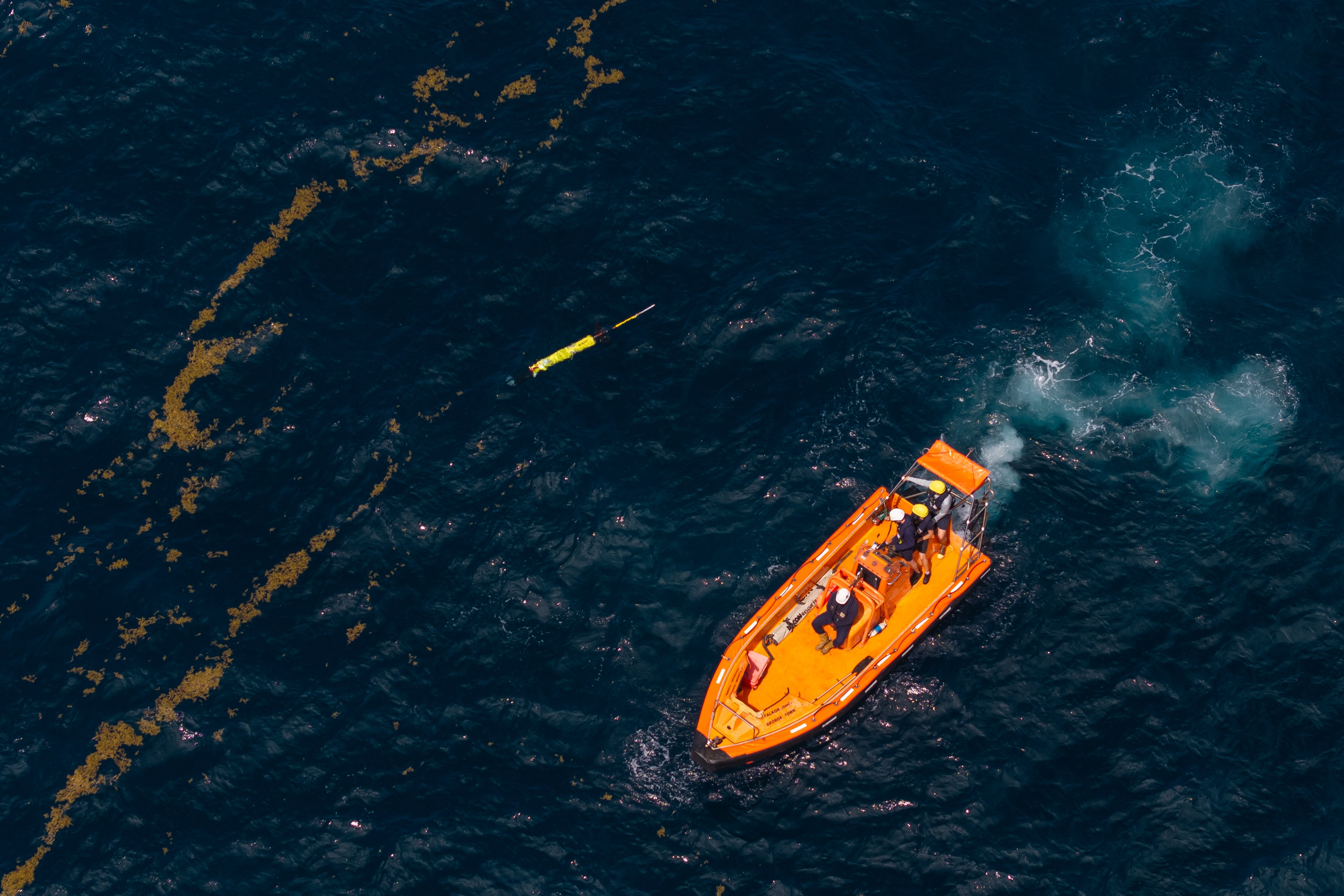

Dive In
About the Expedition
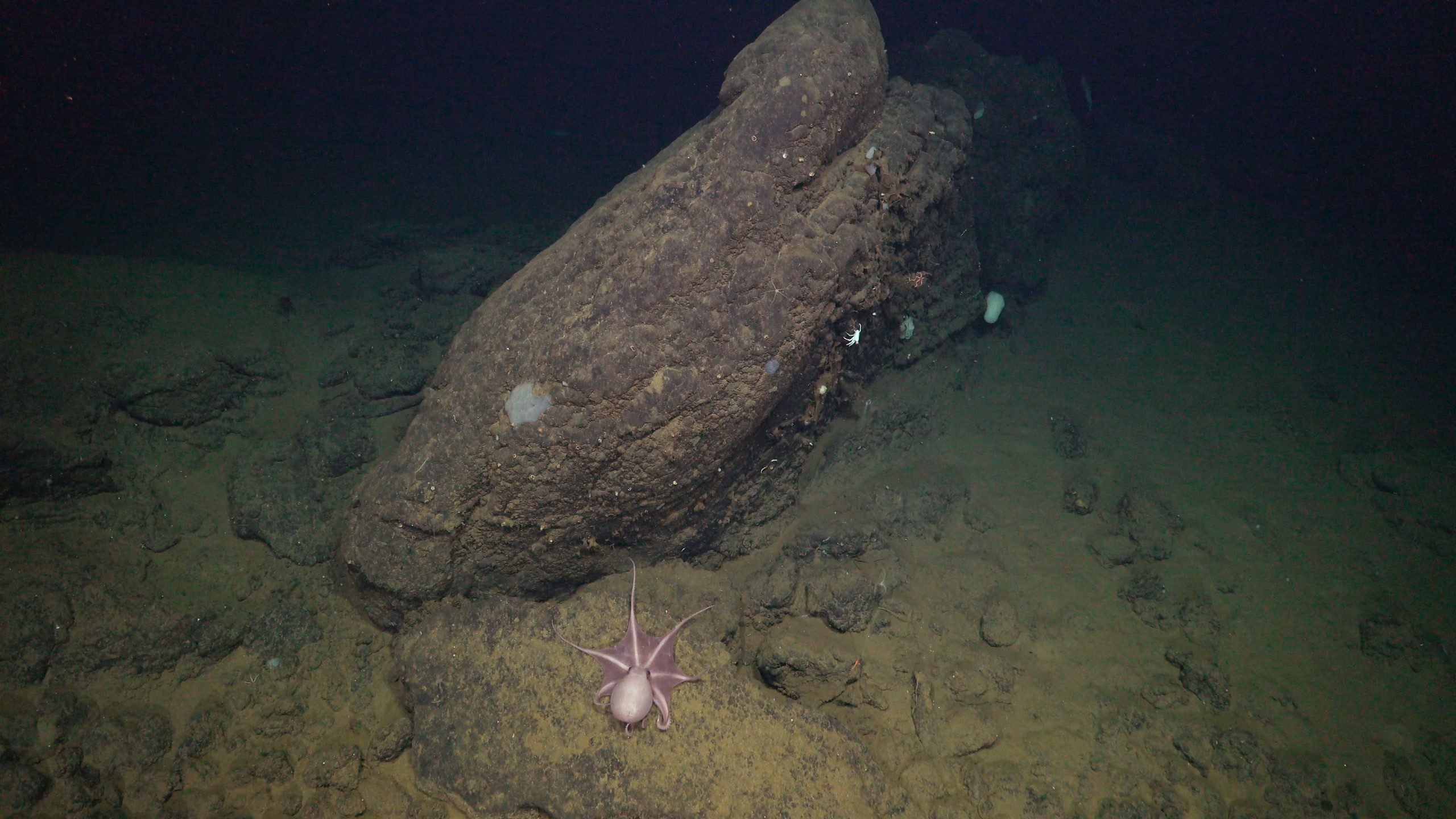
In June of 2023, Co-chief Scientists Dr. Beth Orcutt of the Bigelow Laboratory for Ocean Sciences (USA) and Dr. Jorge Cortés of the Universidad de Costa Rica and an international team traveled to the Dorado Outcrop– Earth’s first-ever-discovered octopus nursery. One of their goals was to determine if the eggs at the nursery were viable, as past expeditions to the outcrop had never seen evidence of developing embryos. On their first ROV dive at the nursery, they witnessed baby octopus hatching. They also found the fifth known octopus nursery in the world on a seamount 30 nautical miles away. The team returns to continue their research, collect experiments they placed earlier in the year, and examine new regions never-before-seen by humans. The science team’s ultimate goal is to better understand the hydrogeology, microbiology, ecology, and geochemistry that may facilitate octopus nurseries while characterizing life-supporting services provided by the ecosystems on these seamounts.
Half of the expedition’s science party participants come from Costa Rica and other Latin American and Caribbean countries: an important step for knowledge and deep-sea research capacity sharing. The expedition’s science party also has gender parity.
- Dive Markers
- Trackline
The Mission
Octopus Nurseries in the Deep
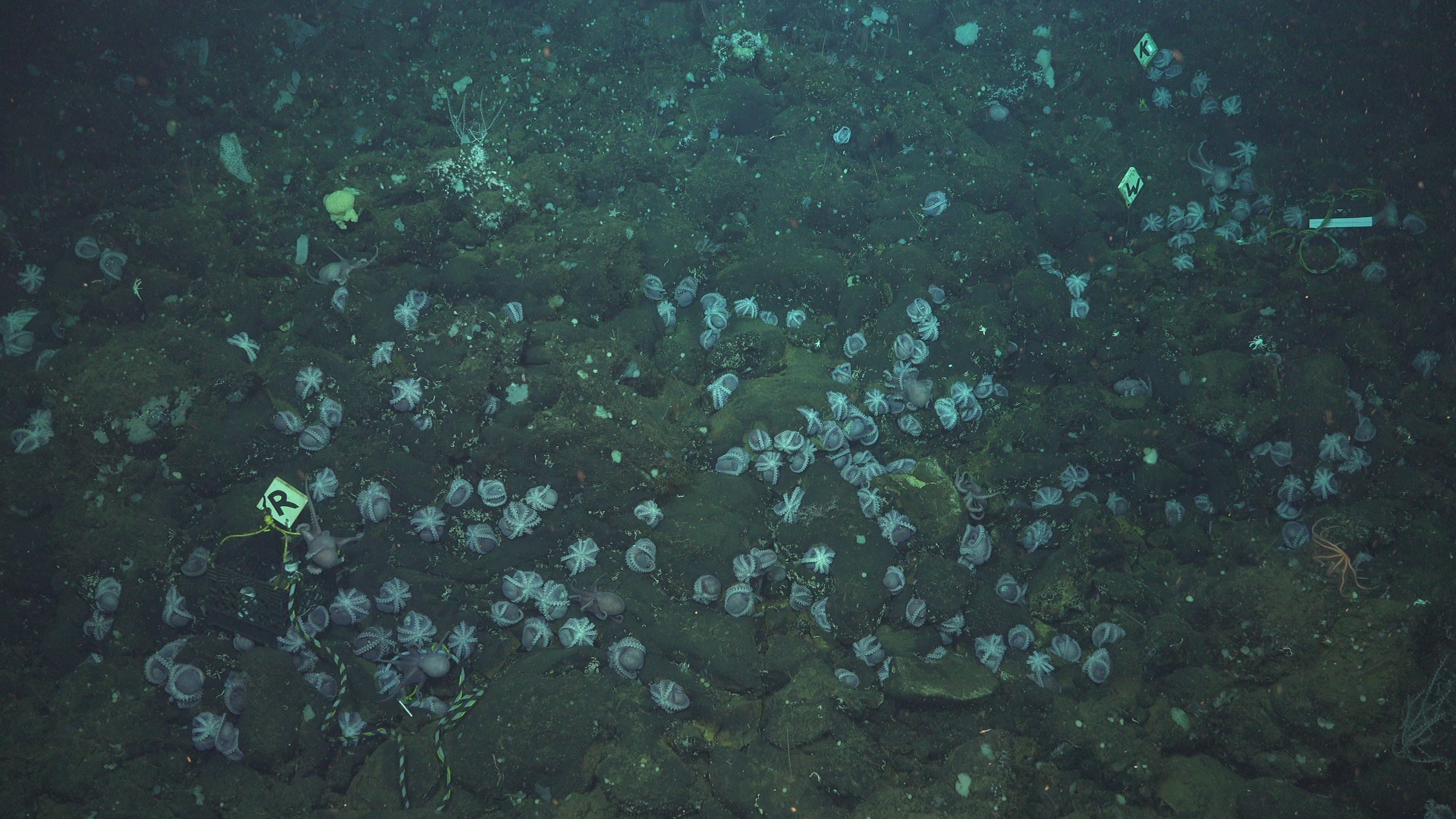
In December 2013, scientists witnessed an astonishing octopus behavior at the Dorado Outcrop: an estimated 100 female octopuses were brooding their eggs together at low-temperature hydrothermal vents. The behavior shocked cephalopod experts because octopuses were considered solitary creatures at the time. In the past, octopuses were observed fighting over territory or mating toward the end of their life. Female octopuses are known to brood their eggs alone in rocky crevices, passing away after their eggs hatch.
The science team who first discovered the nursery were puzzled as the octopuses’ eggs did not appear to be viable. When the octopuses were gently nudged aside, no embryos were seen developing in the egg sacs. On a return trip in December 2014, scientists observed octopuses at the same location with undeveloped eggs. The scientists hypothesized that the water coming from the low-temperature hydrothermal vents was too low in oxygen to support embryonic development, though a question loomed: why were the octopus laying their eggs in a hostile environment?
In June 2023, the Octopus Odyssey team traveled to the Dorado Outcrop to determine if the gathering of octopus were really laying non-viable eggs. In the first hour of arriving at the octopus gathering, they witnessed babies hatching, immediately disproving the hypothesis. The discovery resulted in a ship of elated scientists, all shouting with glee as they watched the babies emerge. After a few moments celebrating, they got to work laying down experiments, collecting samples, and examining the fluid being emitted from the low-temperature hydrothermal vents. In addition to determining that Dorado Outcrop is an active nursery, the team also found a new octopus nursery at a neighboring seamount– the fifth known nursery in the world.
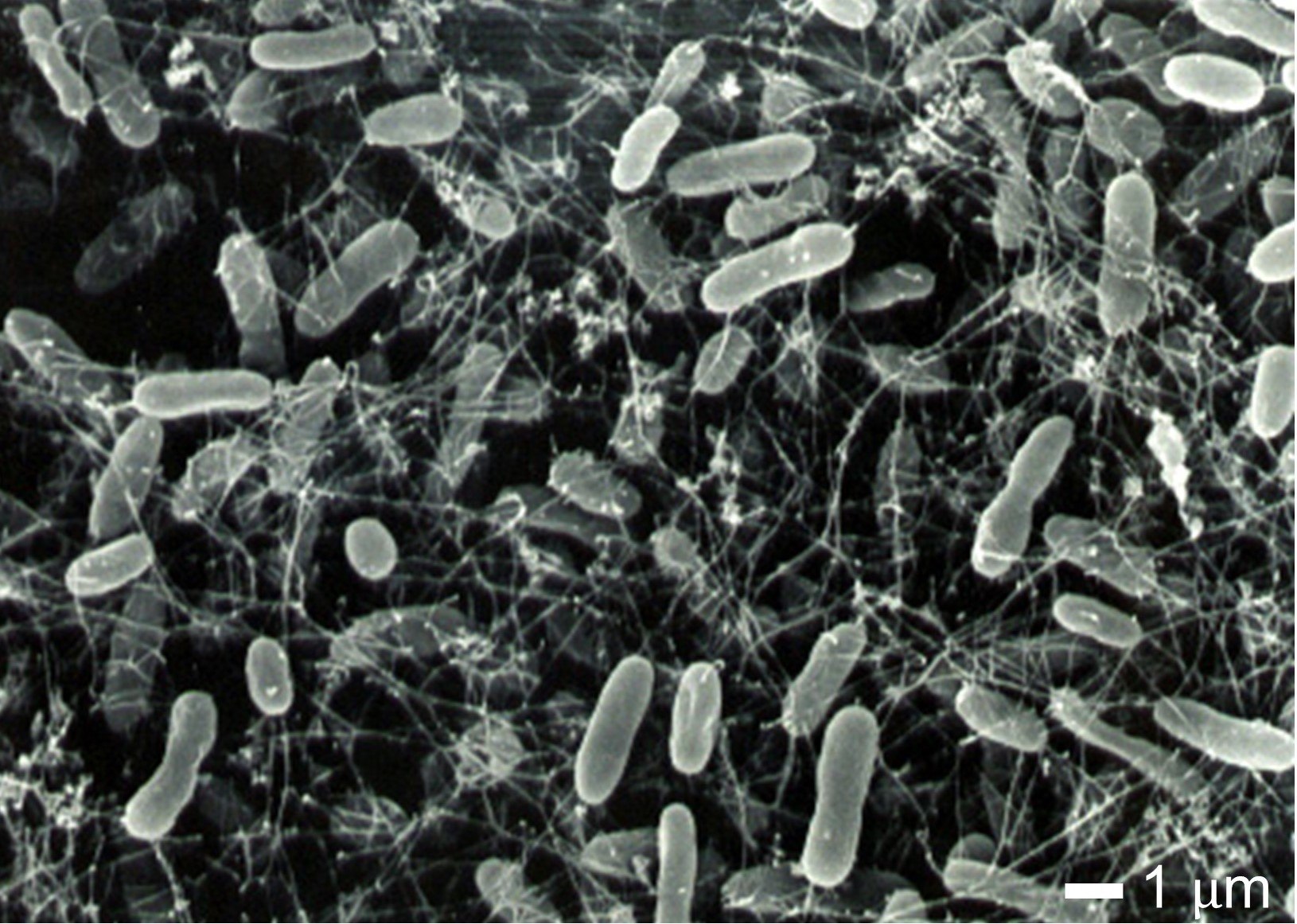
Alongside documenting the octopus, the team is examining the microbial communities at these sites and determining if they have symbiotic relationships with the octopuses and their young. Scientists know little about the microbial communities hosted within deep-sea octopuses. The team are curious if the microbes emitted from low-temperature vents are essential to the health of the octopus and any eggs that hatch.
Off-Axis Seamounts
The Dorado Outcrop is one of Costa Rica’s “Off-Axis” seamounts on the complex Cocos Plate. It is part of a group of seamounts formed on the East Pacific Rise, as compared to more southerly seamounts offshore Costa Rica that were formed from the Cocos-Nazca Spreading Center. Several of the southern seamounts near Cocos Island National Park and the spreading Nazca spreading center are partially protected within the Montes Submarinos Marine Management Area. However, the Dorado Outcrop and its surrounding seamounts sit outside the national park and away from the axis of the spreading centers, making them “off-axis.” The volcanic activity that fuels hydrothermal vents diminishes as seamounts are pushed further away from the spreading center, rendering them inactive.
The low-temperature fluid that emerges on these seamounts is not the result of volcanic activity but comes from the natural cooling of the Earth’s crust. Scientists hypothesize that seawater is drawn down through larger inactive seamounts into the warmer crust, and in turn, is vented out a through nearby smaller seamounts. The term “low-temperature venting” does not mean the water emitted from the earth is cold, rather it is a lower-temperature than the superheated fluids that come from volcanic vents. The water at low-temperature vents is on average between 12-15 degrees Celsius, which is still much warmer than the deep sea’s ambient temperature of two degrees Celsius. Low-temperature vents formed through the natural cooling of the crust are likely the most common form of hydrothermal venting across our planet. Still, they are poorly studied as these vents have been historically harder to locate.
The Octopus Odyssey (too) objective is to search for more low-temperature hydrothermal vents on Costa Rica’s northwestern seamounts, documenting microbial and observable communities, and the relationships between them, on these lesser-explored geologic features. They will also be recovering experiments placed in June 2023. Through this work, they hope to capture a complete picture of the ecosystem services provided by the seamounts.
Ecosystem Services and Deep Sea Management
Ecosystem services is a term that describes the science of quantifying life-sustaining resources our planet provides, like nutrient cycling and food production. Microbes, for example, are the base of the food web for hydrothermal vents, and these systems would not exist without them. Human activities, like mining and overfishing, threaten many of these environments. To better understand how humans may impact seamounts and their services, Orcutt and her team will work to quantify the role of microbes and animals in providing ecosystem services in these habitats. They hypothesize that microbes may be involved in the formation of ferromanganese crusts on rocks exposed at these seamounts. Globally, these crusts are potentially an economically valuable mineral resource in the deep sea currently targeted for deep-sea mining. By quantifying the baseline ecosystem services provided in seamount ecosystems with ferromanganese crust , the scientists hope to establish what the world may lose should deep-sea mining occur.
Team and Collaborators
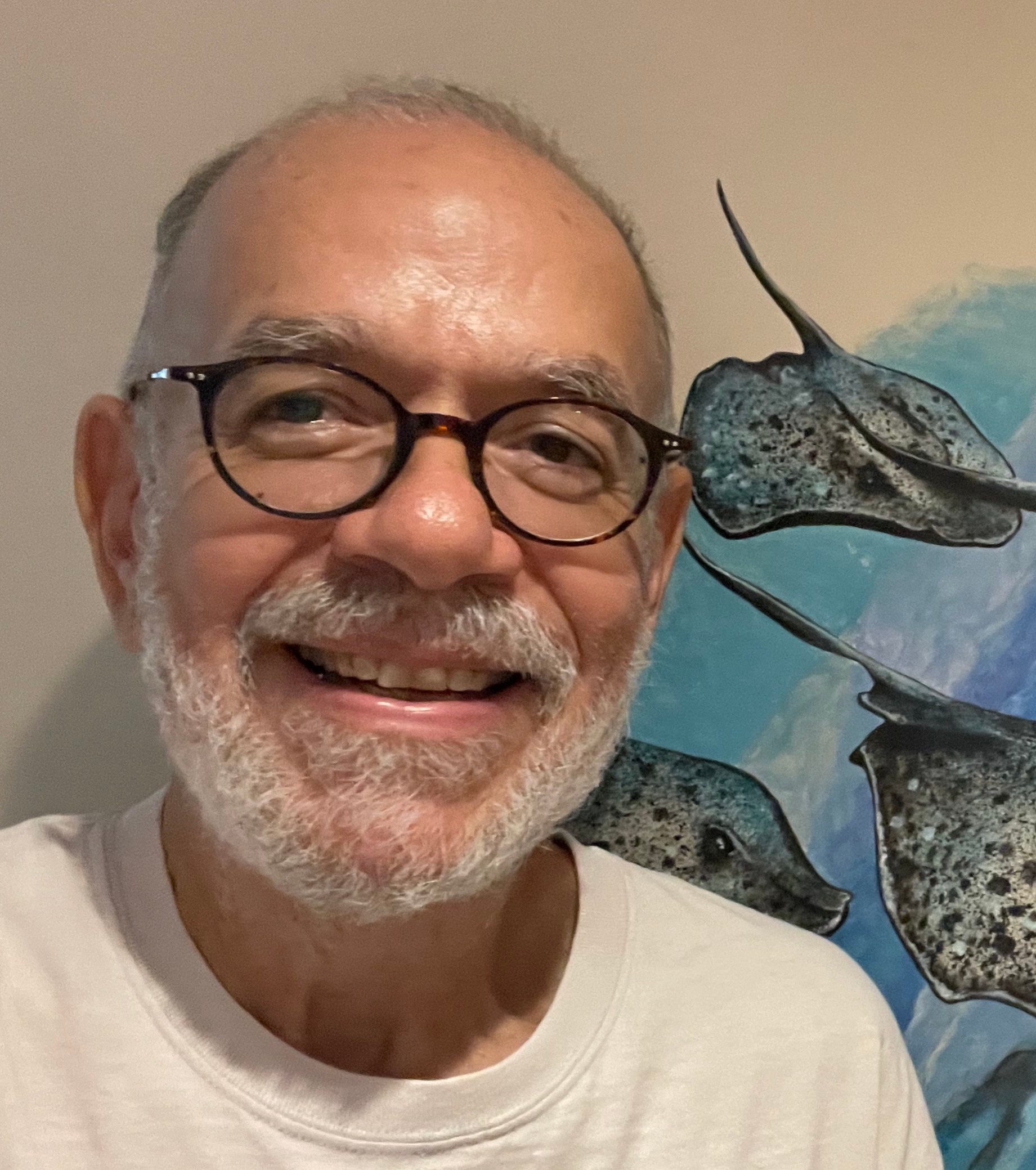
Jorge Cortés-Núñez
Co-Chief Scientist
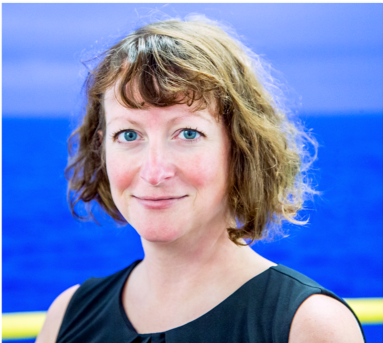
Beth Orcutt
Co-Chief Scientist
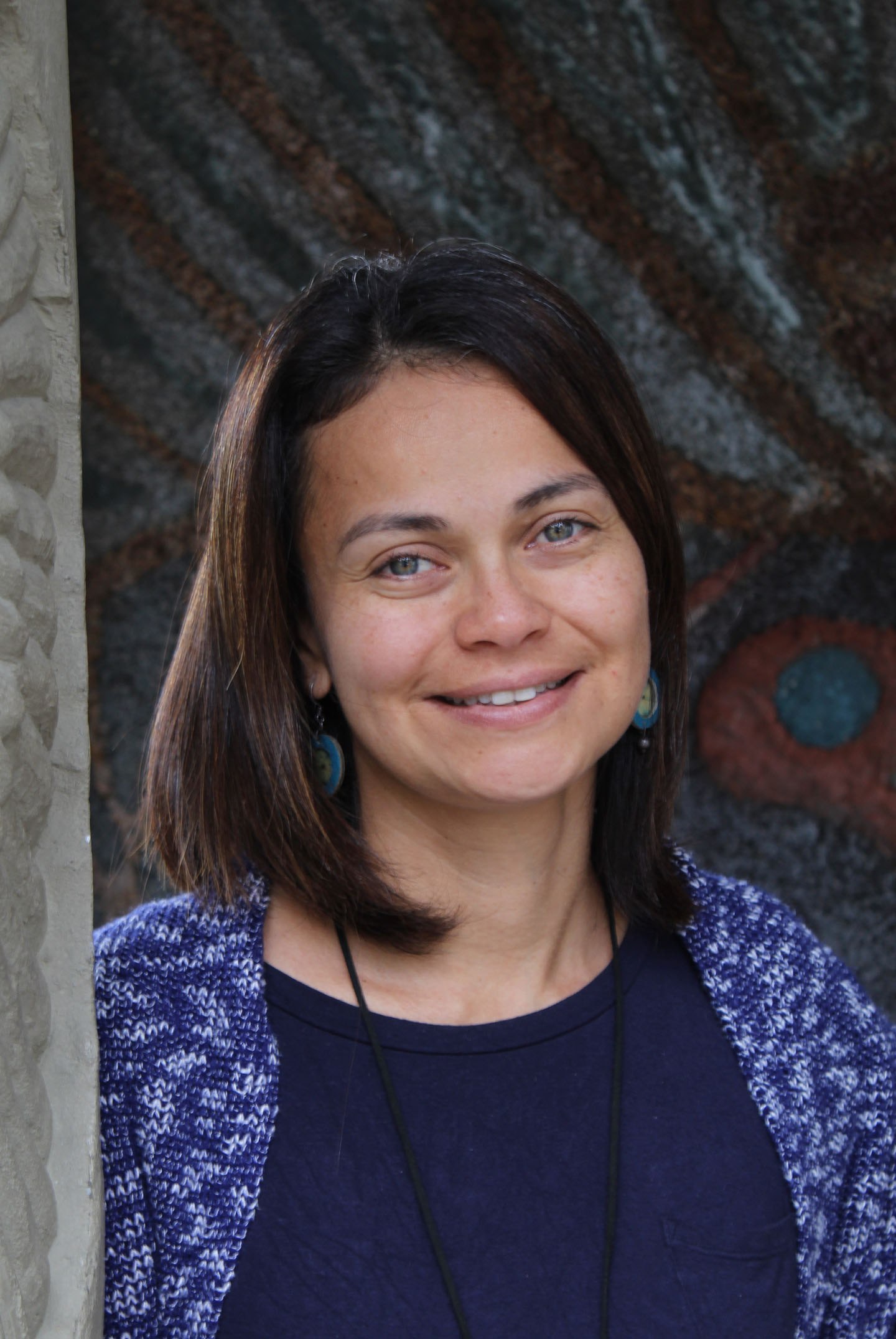
María Isabel Sandoval
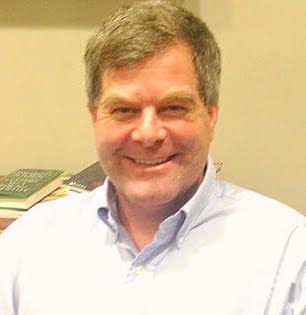
Geoff Wheat
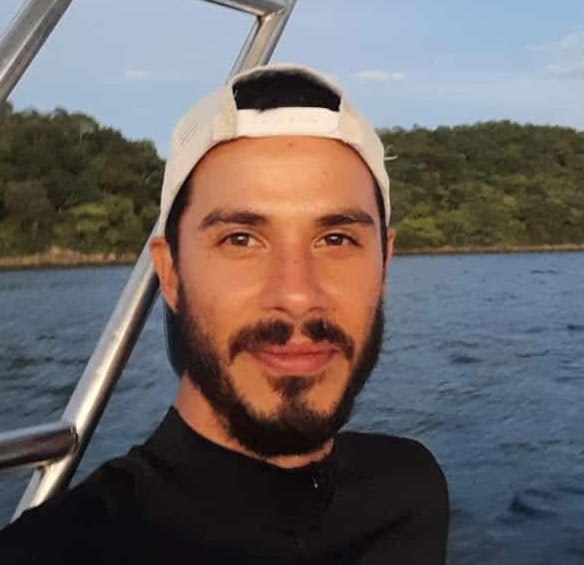
José Leonardo Chacón-Monge
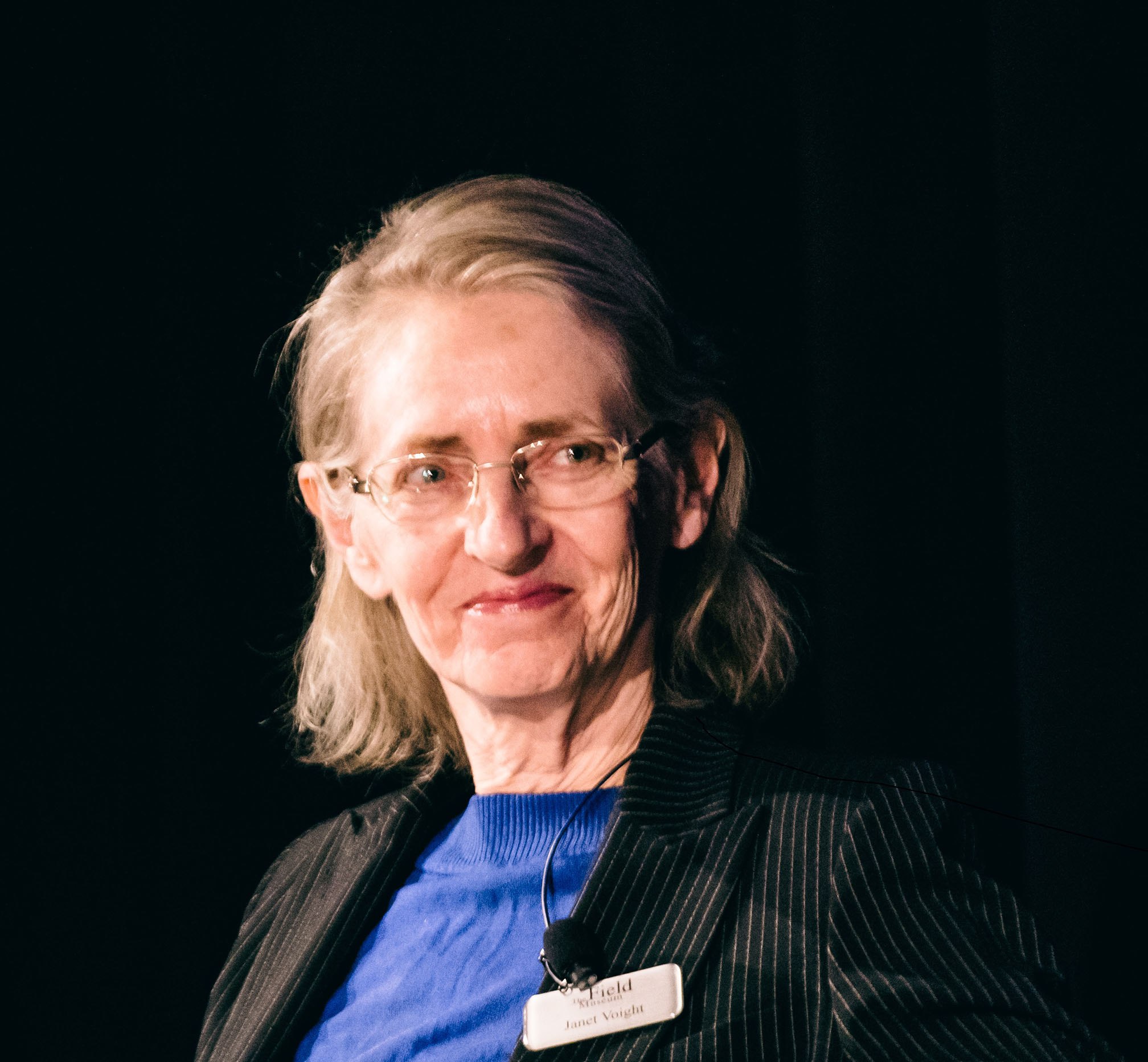
Janet Voight
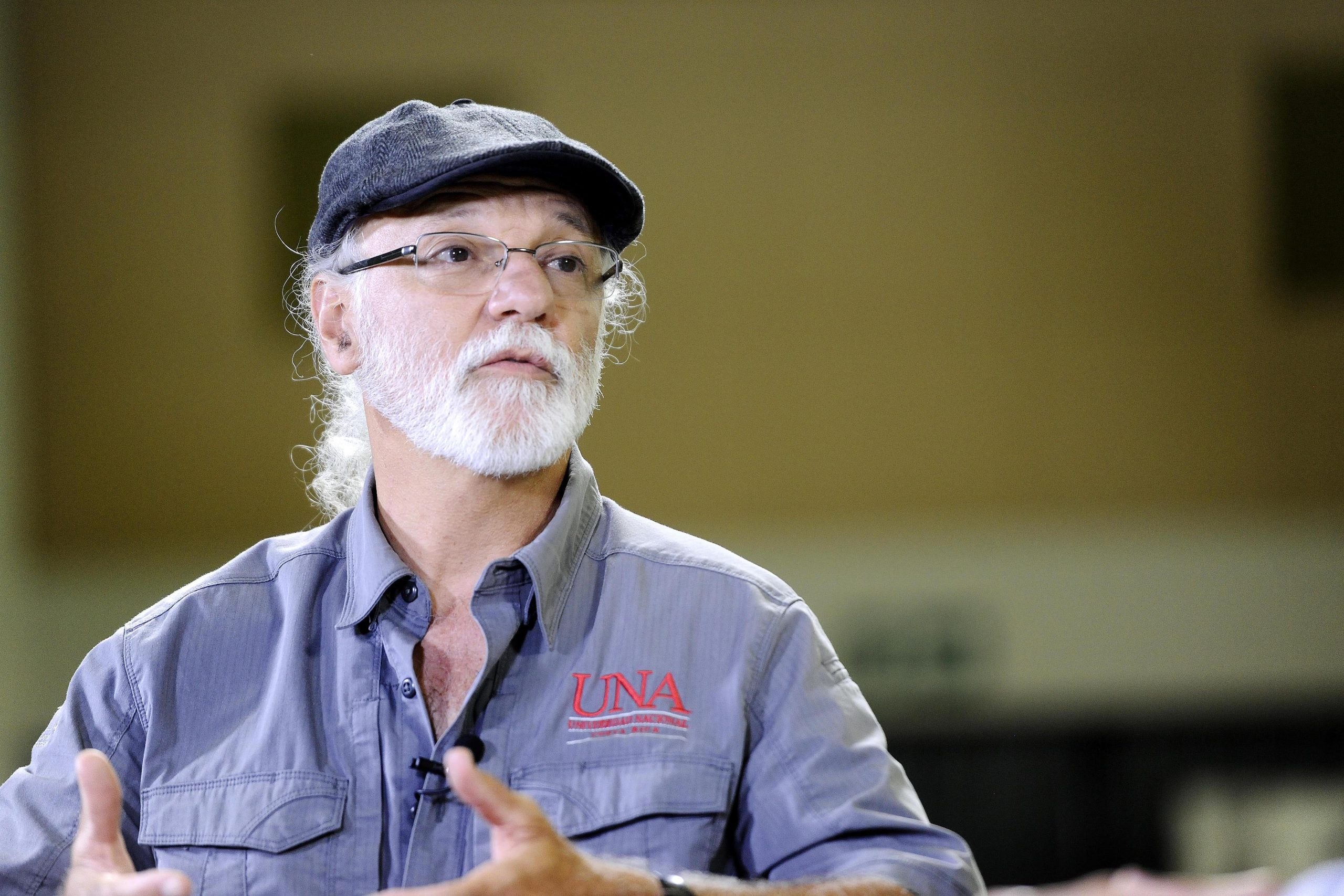
Marino Protti
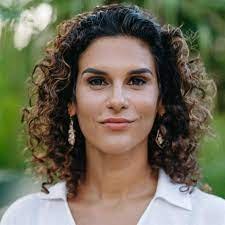
Diva Amon
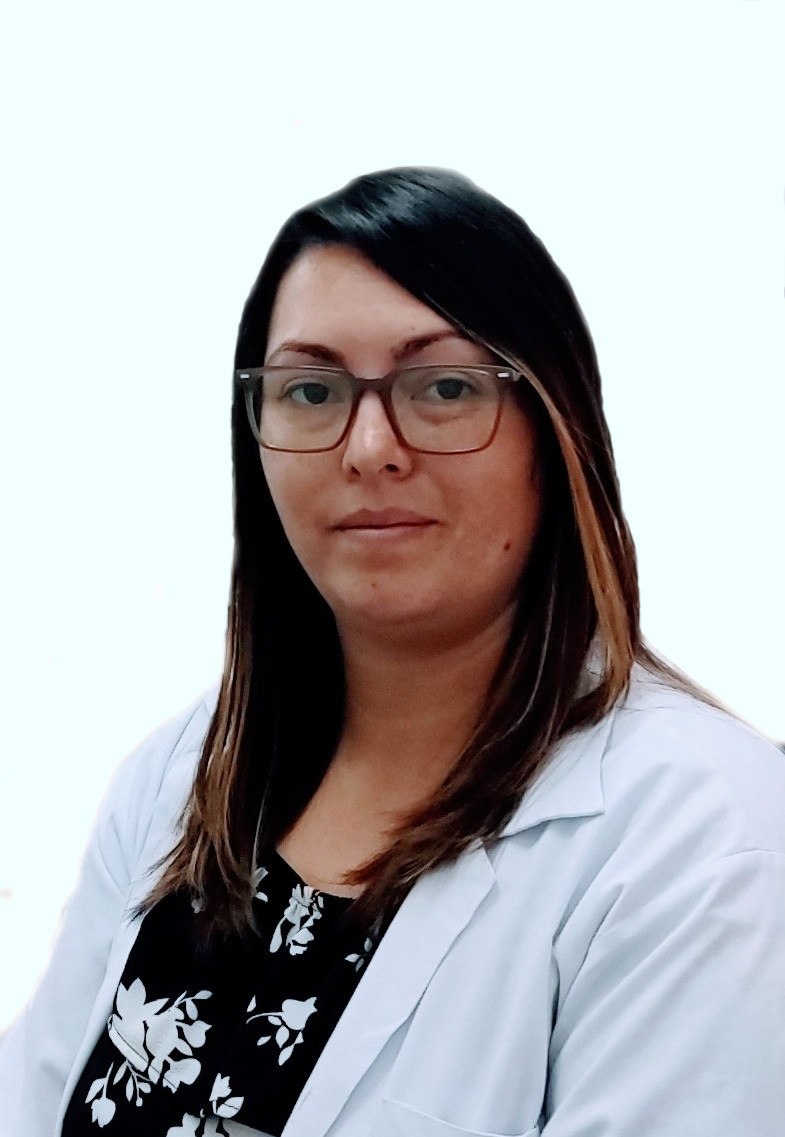
Wendolyn Matamoros-Calderón
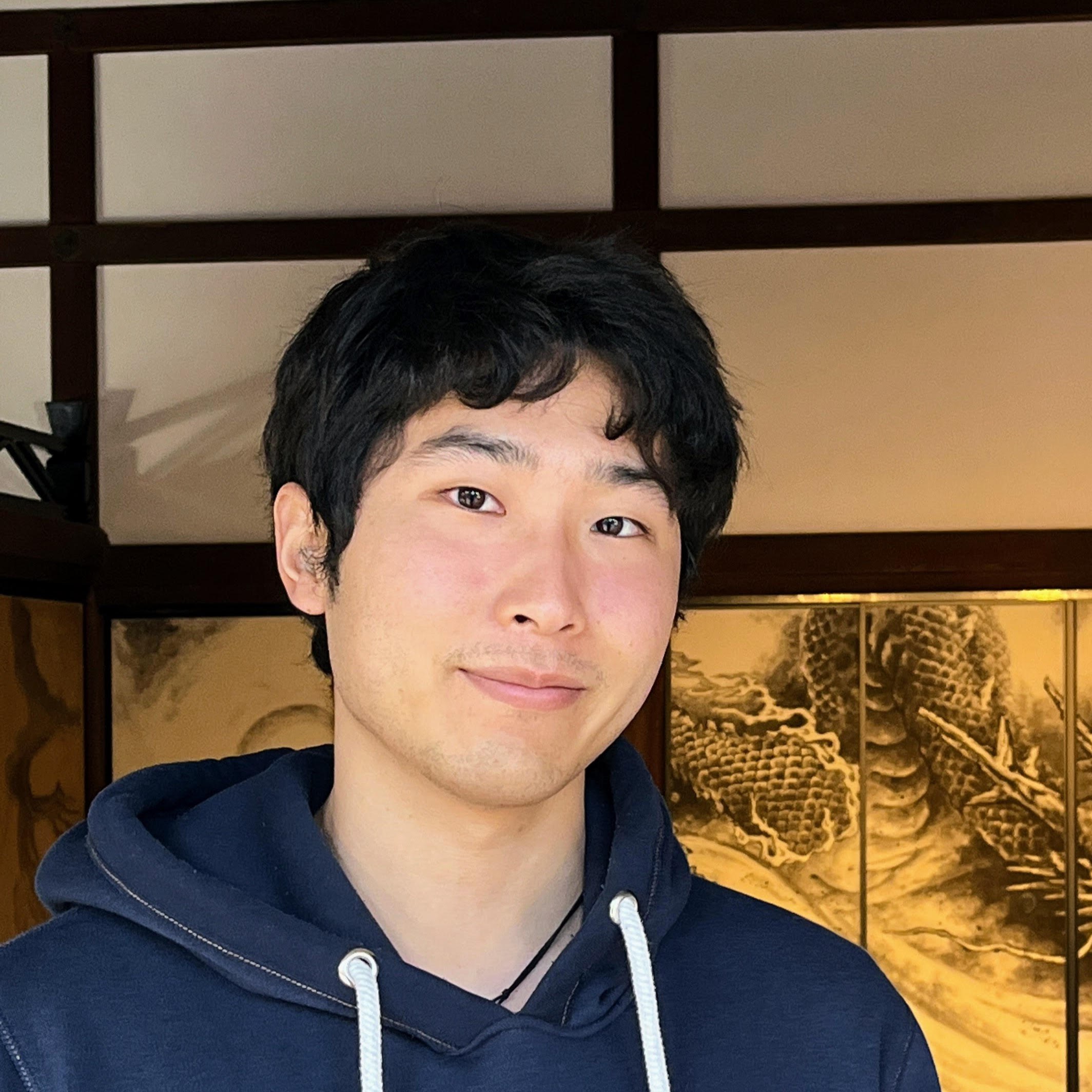
Ryu Akiba
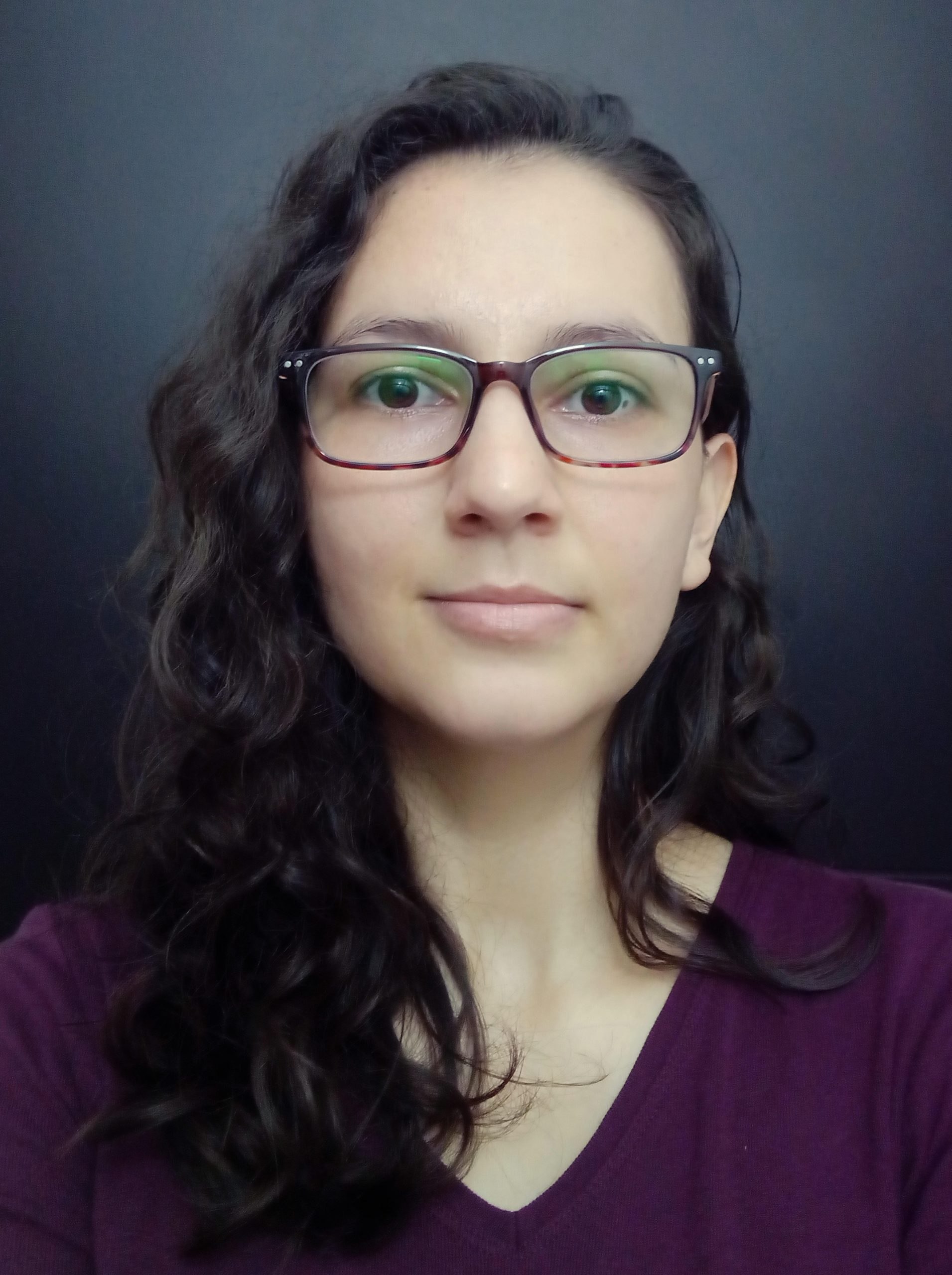
Fiorella Vásquez Fallas

Manuel “Oscar” Almacen
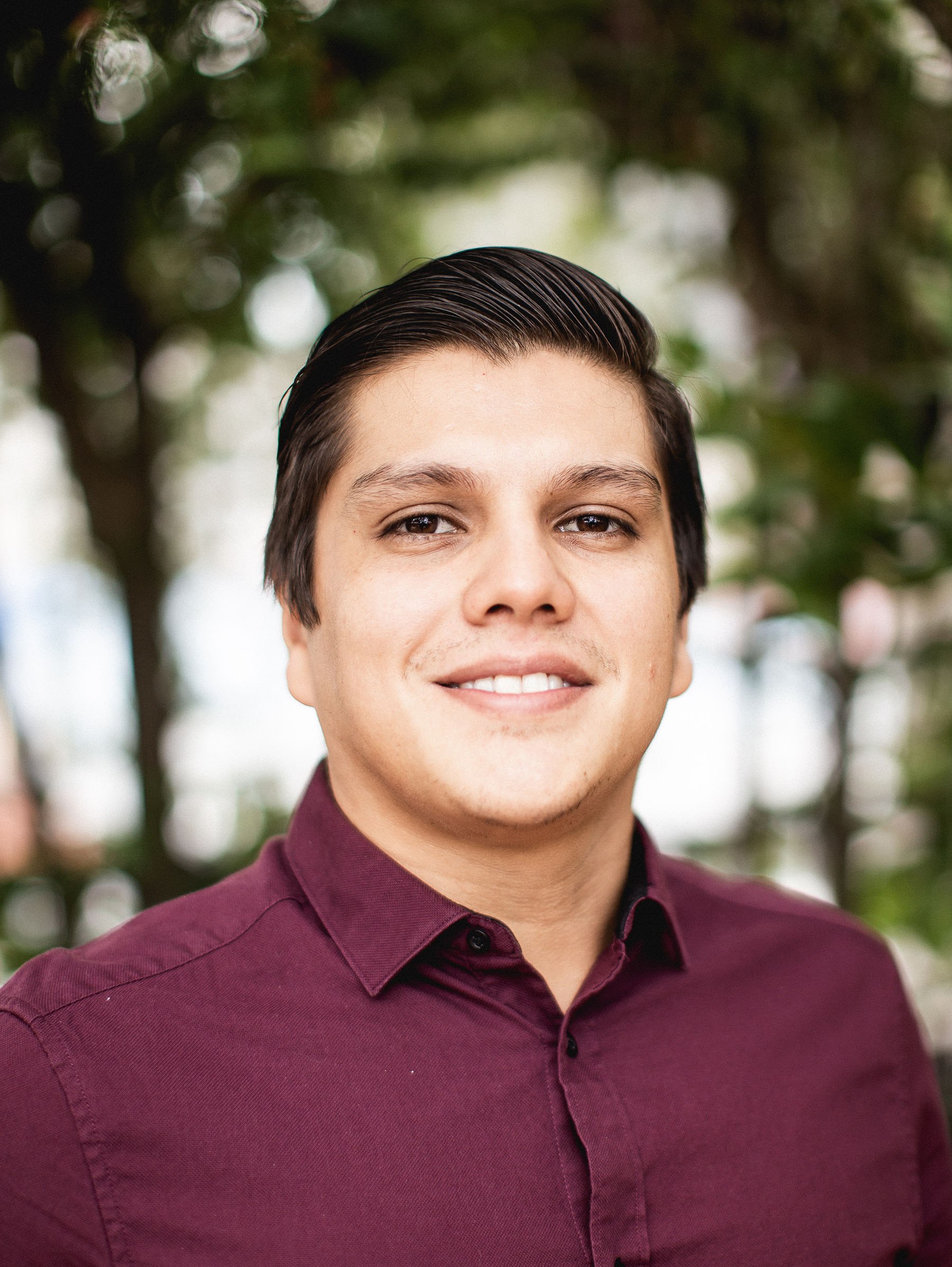
Sergio Cambronero
Odalisca Breedy Shadid
Beatriz Naranjo
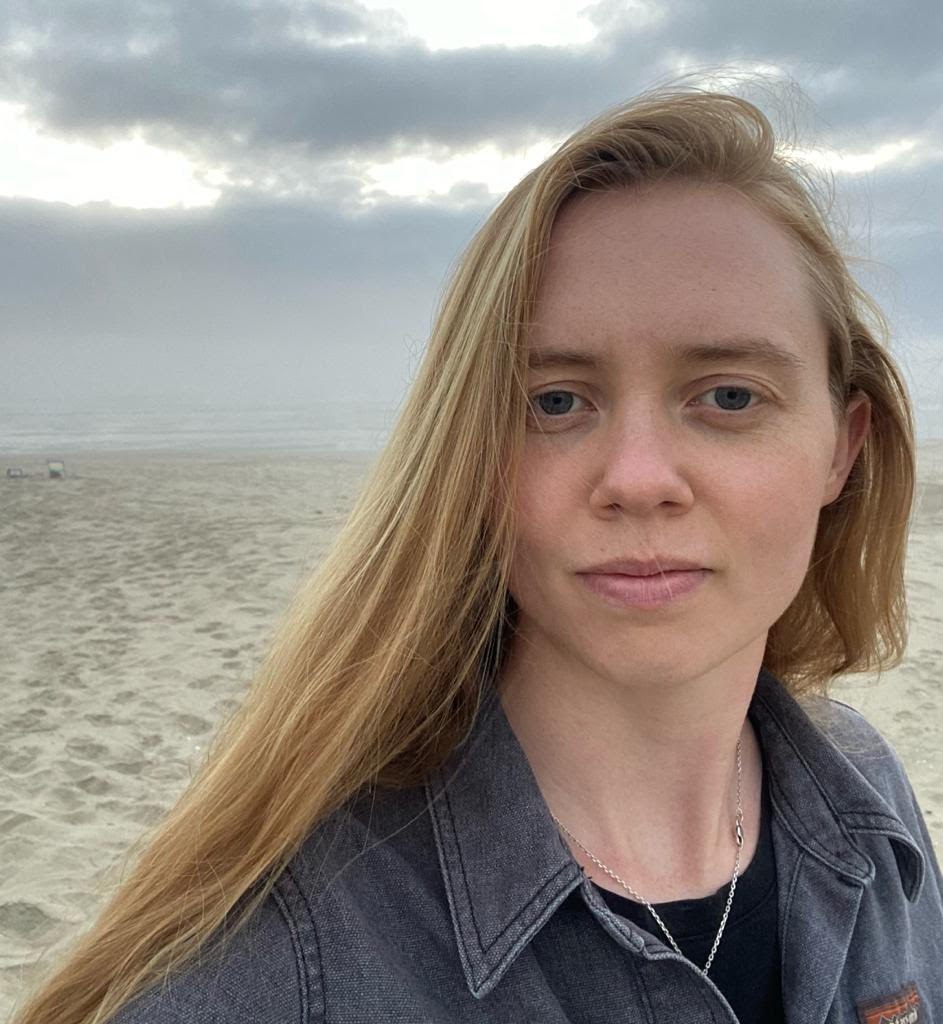
Amanda Sutherland

Andrew Fisher
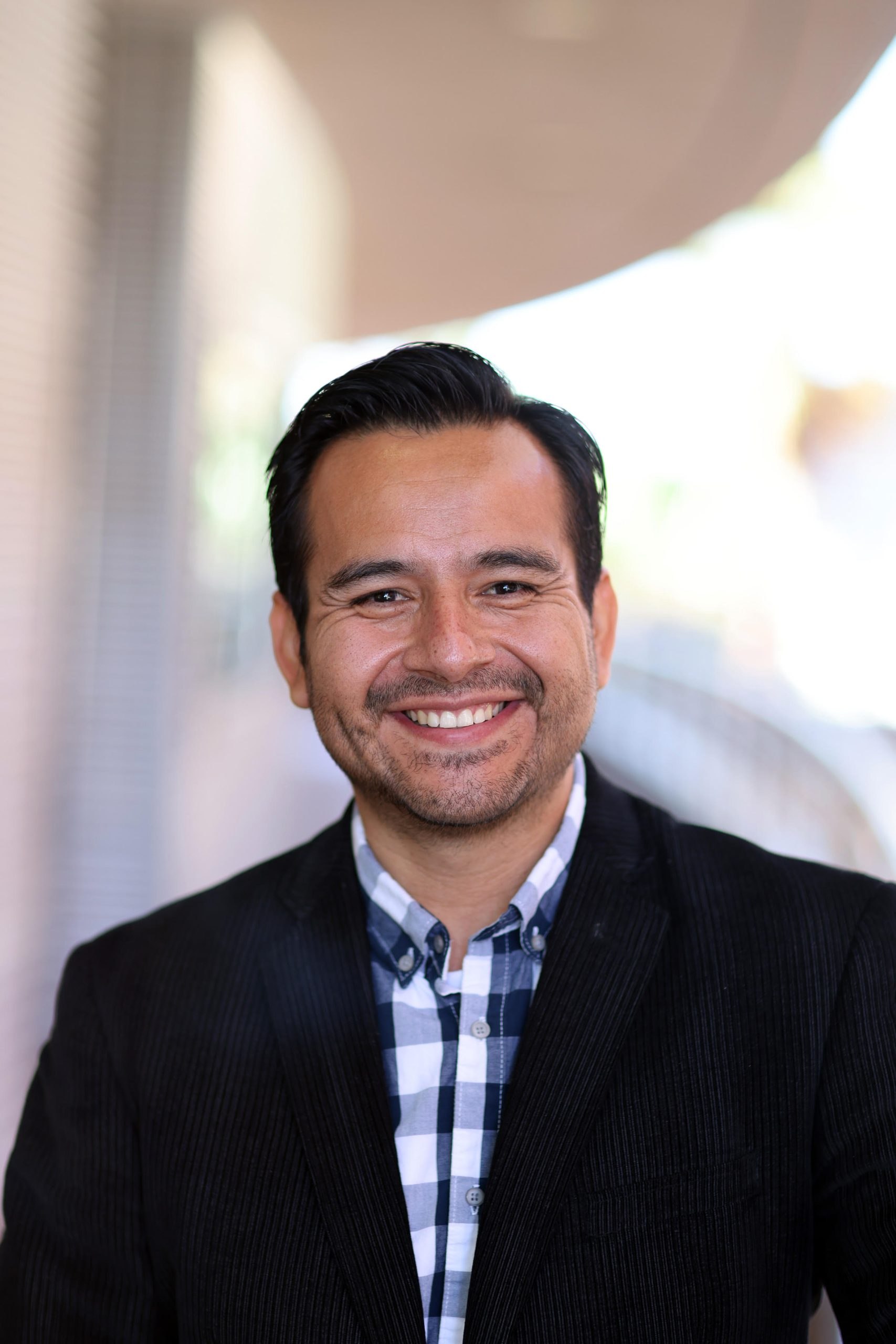
Gustavo Ramírez
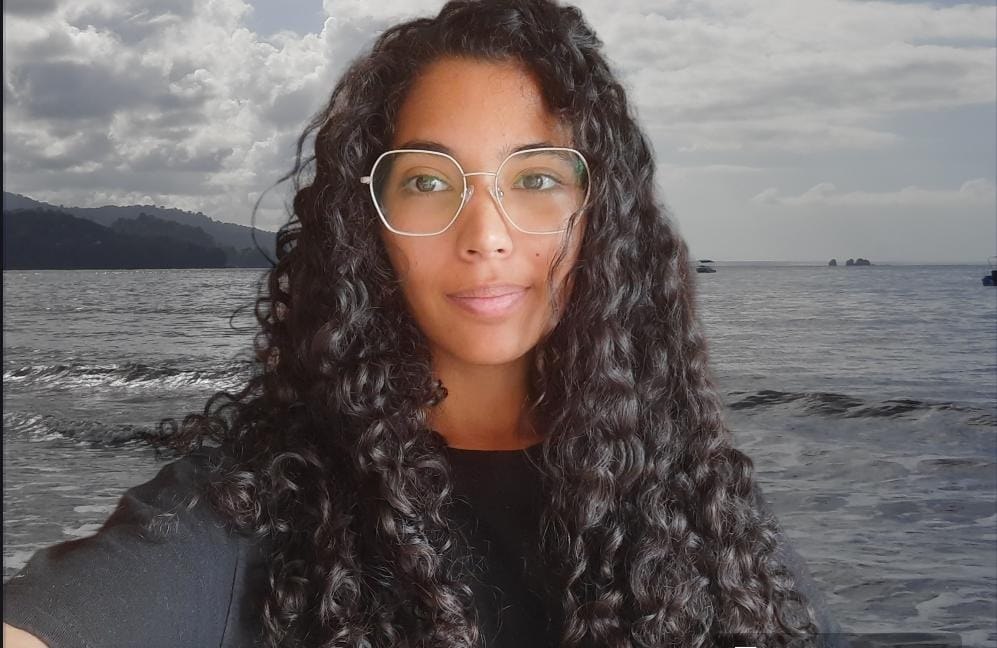
Valeria Naranjo
Berth of Opportunity
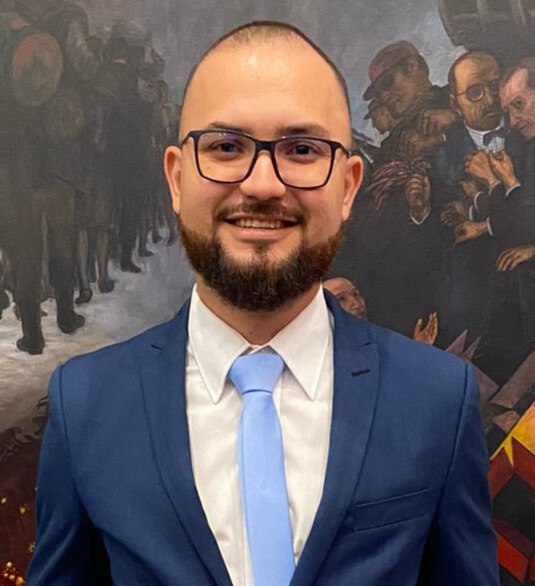
Nixon Lara-Quesada
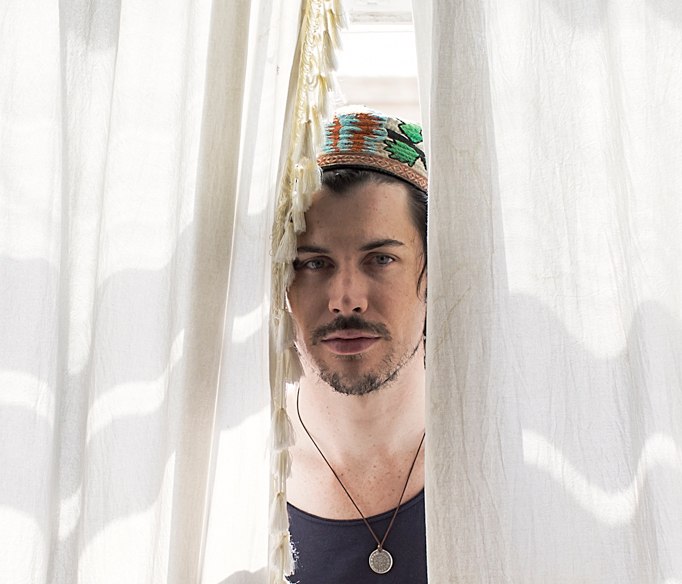
Conor Ashleigh
Multimedia Correspondent
Randi Rotjan

Diego Gamero
Artist-at-Sea
Celeste Sánchez-Noguera
Julie Huber





Explore
Updates from the Ship
All Ship Updates
Related Galleries
View AllWe are happy to offer a streamlined request process when usage falls within the parameters outlined in the Creative Commons Attribution-Noncommercial-ShareAlike 4.0 International (CC BY-NC-SA 4.0) License. However, due to our legal status as a 501(c)(3) private operating foundation, no media produced by Schmidt Ocean Institute may be used in attempting to influence legislation or lobbying.
Attribution-NonCommercial-ShareAlike | CC BY-NC-SA
Under this Creative Commons License, you are free to:
Share — copy and redistribute the material in any medium or format
Adapt — remix, transform, and build upon the material
Under the following terms:
Attribution. You must give appropriate credit, provide a link to the license, and indicate if changes were made. You may do so in any reasonable manner, but not in any way that suggests the licensor endorses you or your use.
NonCommercial. You may not use the material for commercial purposes.
ShareAlike. If you remix, transform, or build upon the material, you must distribute your contributions under the same license as the original.
Not sure this license fits your use? Head over to our Image Requests page to learn more
Divestreams
View all Divestreams

Weekly Videos
View all Weekly VideosDiscover More
Expedition Data

Publications from This Expedition
Preliminary Expedition Report: Octopus Odyssey
[This Article was published OPEN ACCESS]- [This Article was published OPEN ACCESS]