


0 results for
- Type in the search bar to begin searching the site.
Expeditions
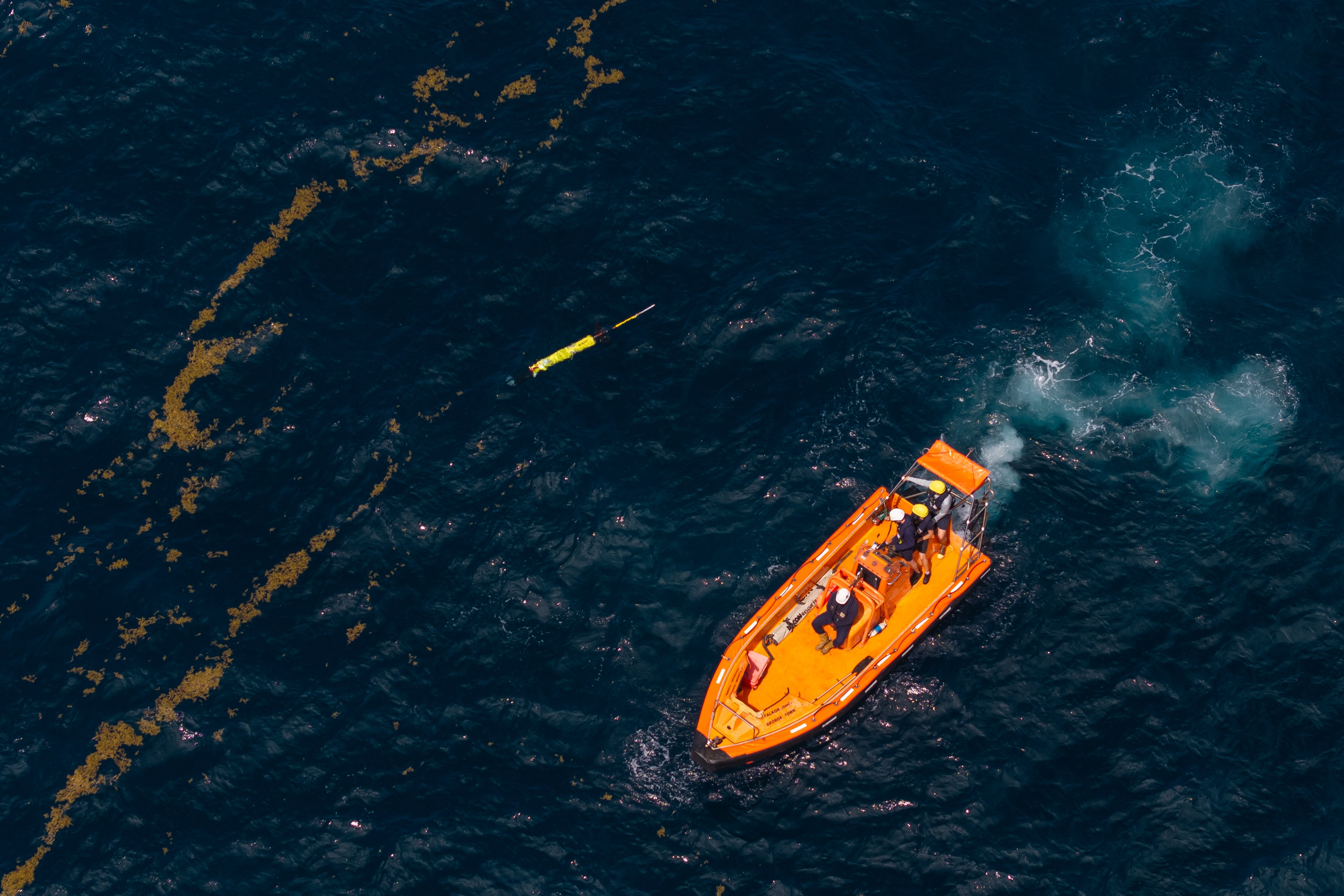
In the coming years, our expeditions will explore understudied regions around all seven continents in our global Ocean.
Latest Expedition
See all
Programs
From grants for caregivers to an artist-at-sea residency, our programs strive to deepen knowledge and inspire a connection with our planet’s life support system.
Latest Expedition
See all
Science Team Resources
To help you plan for your expedition, this hub includes information about outreach, technical specifications for our robotic platforms, a list of lab equipment, information about accessing data repositories, and more.
Latest Expedition
See all
- Our Team

Expeditions & Roles
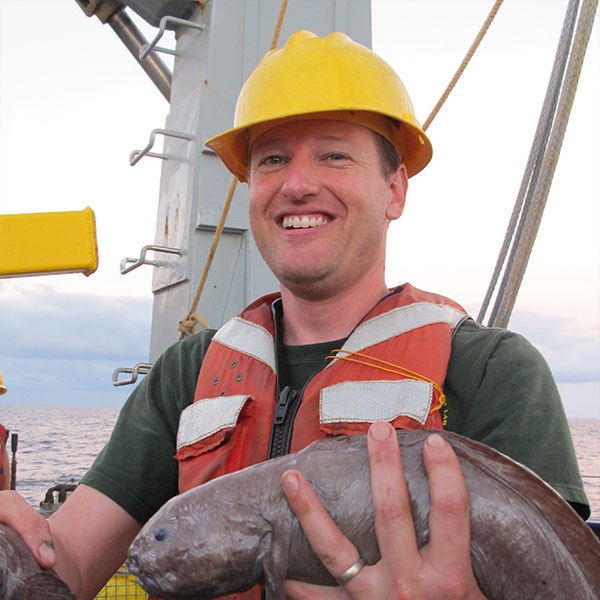
Jeff Drazen
Chief Scientist
Dr. Jeffrey Drazen is an ecologist interested in studying the role of fishes in deep sea habitats and the structure and function of deep-sea food webs in general. He earned his PhD from Scripps Institution of Oceanography in 2000 working under Dr. Ken Smith on the feeding ecology of bathyal and abyssal fishes. After graduation he backpacked around the world with his wife for a year, hitting all the continents including Antarctica. Afterwards, he took a postdoctoral position at the Monterey Bay Aquarium Research Institute under Drs. Jim Barry and Bruce Robison working on a diversity of projects most involving the use of remotely operated vehicles (ROVs). Jeff joined the Oceanography faculty at University of Hawaii, Manoa in 2004 where he continues to pursue many aspects of deep-sea fish ecology. Currently he is working on projects to evaluate the use of deep water marine protected areas as a management tool for fisheries in Hawaii, exploring the structure of deep water pelagic food webs using stable isotope techniques, evaluating abyssal fish and scavenger populations in areas that will be mined for metal resources, and of course working on the structure and function of trench communities. Jeff is currently the chair of the Biological Oceanography Division. He has published over 60 scientific articles and book chapters and he has been on 55 research cruises including trips with the Alvin and PISCES submarines and ROV work to the bottom of the world’s trenches (10,000m).