


Dive In
About the Expedition
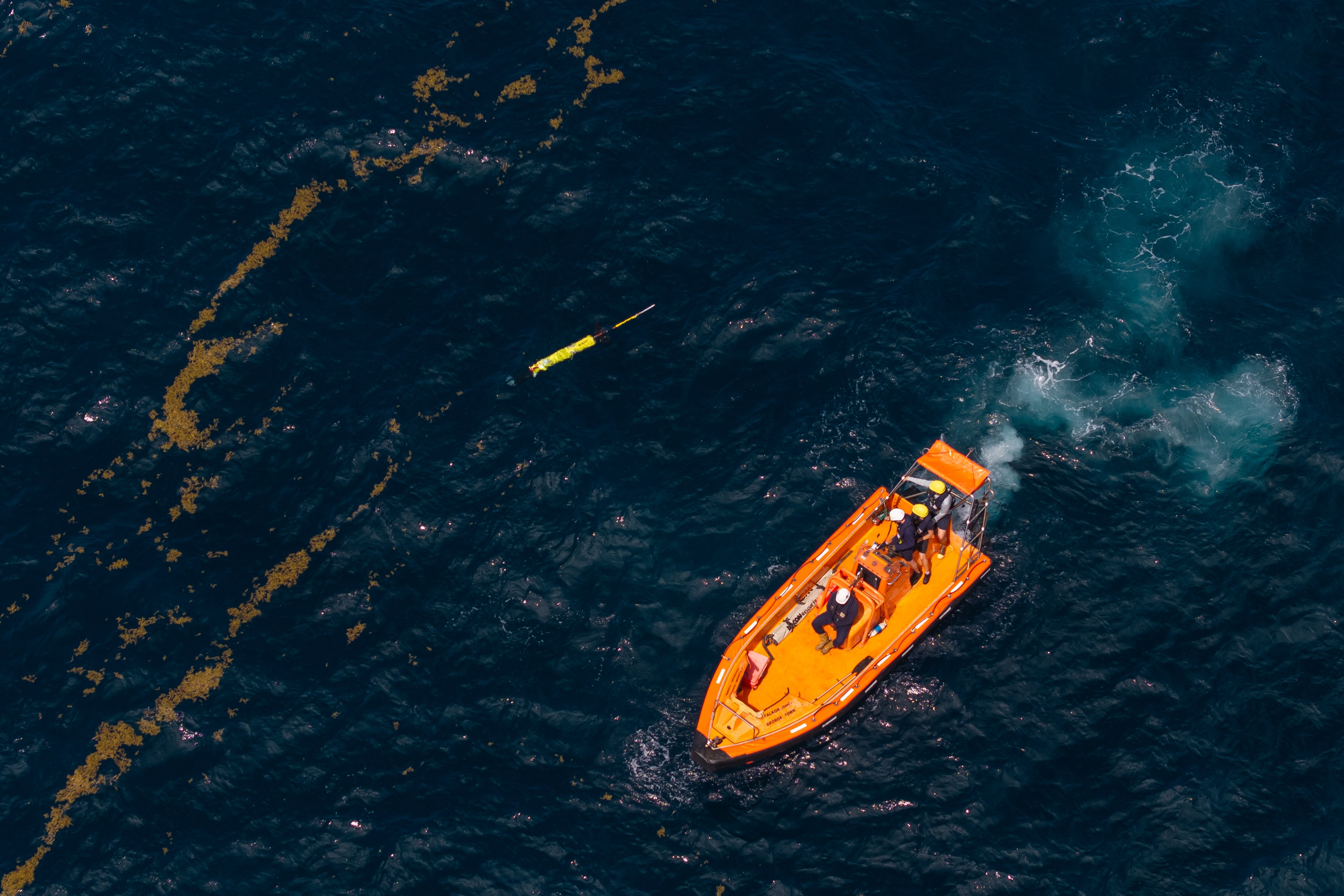
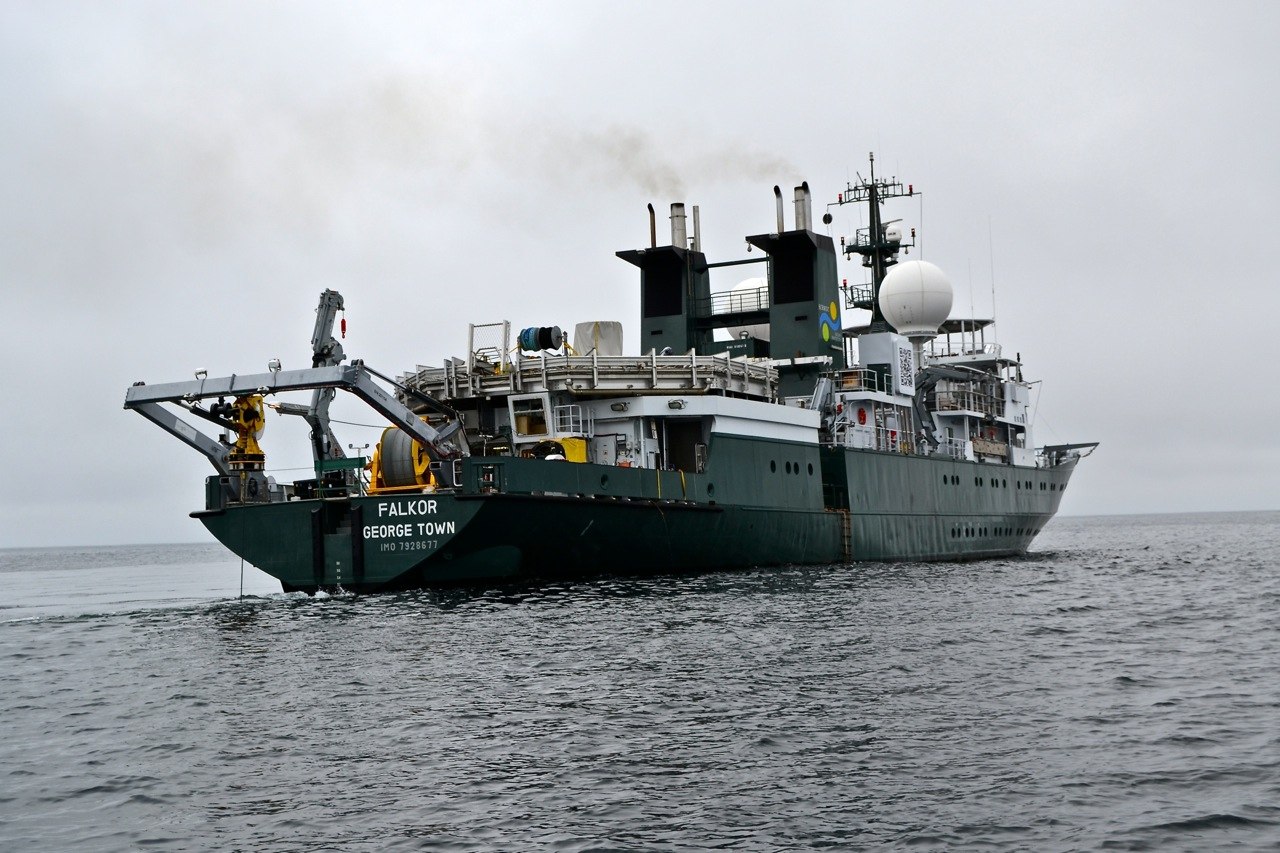
The very deepest reaches of the sea are one of the planet’s last true frontiers. In November, RV Falkor sailed to the Mariana Trench with a group of biologists and geologists to conduct a new study of one of the deepest places in the world.
- Dive Markers
- Trackline
The Mission
The very deepest reaches of the sea are one of the planet’s last true frontiers. That’s mostly because a lack of support for needed technological advancements and vehicles has severely limited access to depths beyond 7,000 meters.
But the situation is finally beginning to change, and SOI is helping push the process forward. In November, the institute collaborated with a group of biologists and geologists working aboard R/V Falkor to conduct a new study of one of the deepest places in the world.
The team deployed SOI's new full-ocean-depth landers—frames equipped with cameras, sensors and sample collection devices that return to the surface automatically after a set time on the seafloor—as well as three other landers, in the Mariana Trench's Sirena Deep, near Guam. The work, at depths down to almost 11,000 meters, will help answer enduring questions about the biology of such alien zones, including who lives there and how they survive the massive pressure. The research should also improve understanding of the processes that control earthquake and tsunami formation, among others geological goals. And of course, with so little exploration having been done in the trench, there were surprises.
The original plan for this expedition called for using Woods Hole Oceanographic’s Nereus hybrid remotely operated vehicle. But sadly, Nereus was lost earlier this year.
Why It’s Still a Frontier
Places deeper than 6,000 meters—known as the hadal zone—have remained a frontier mainly because so few vehicles have ever been built to penetrate such depths. A handful of robotic and manned vehicles can go to 6,500 or 7,000 meters down. But that leaves almost half the ocean’s depth range inaccessible, and a collective seafloor area almost as large as Australia.
Only four vehicles have ever existed that could safely work at full ocean depth and none are currently in operation. Of course scientists have found other ways to get limited glimpses of the deepest regions, as they did on this expedition with landers. Work with this type of equipment has been critical—indeed SOI returned to the Mariana Trench in December of 2014 on a second lander project.
Ultimately researchers hope to systematically explore large swaths of the world's deepest trenches to get a more complete view of what is found there. Such work will once again be possible by 2016 as Schmidt Ocean Institute is working with Woods Hole on a new full-ocean-depth robotic vehicle.
The Big Questions
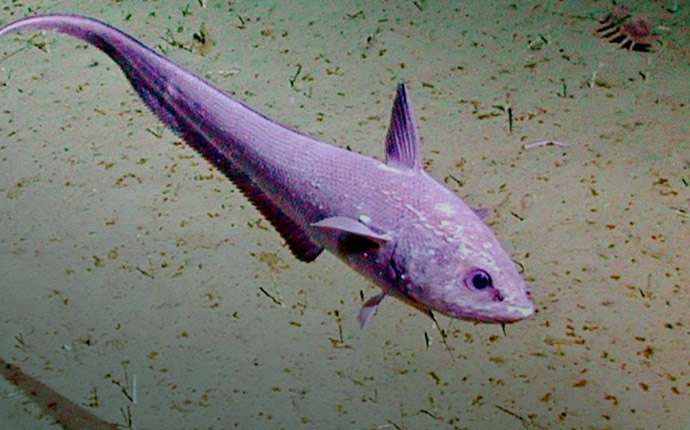
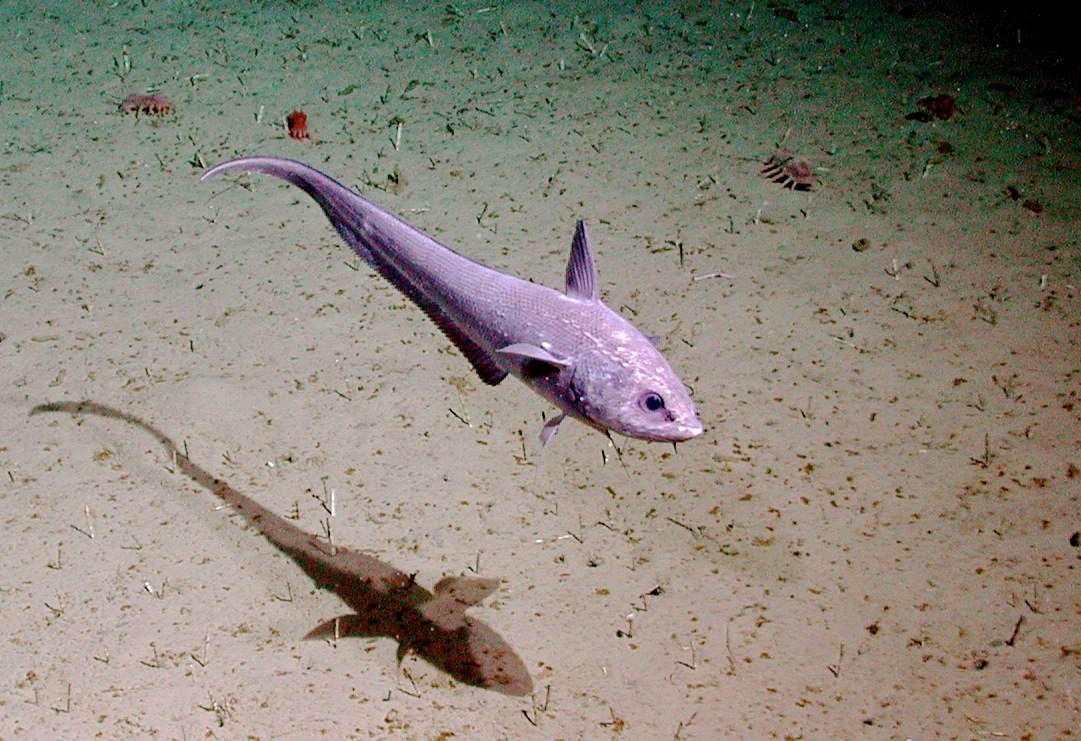
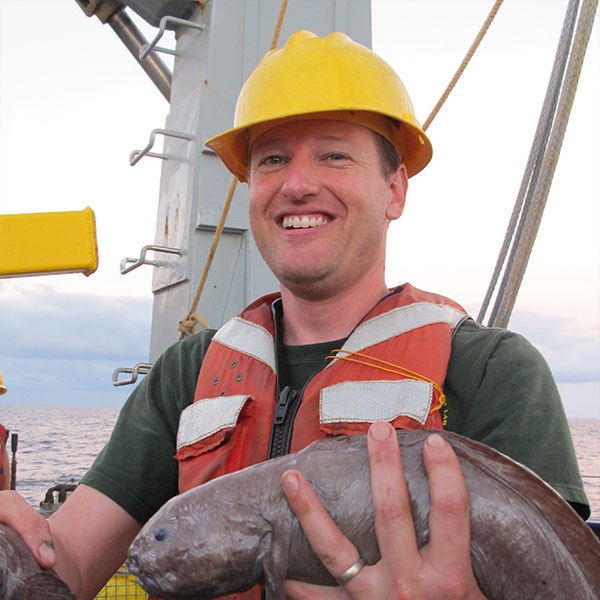
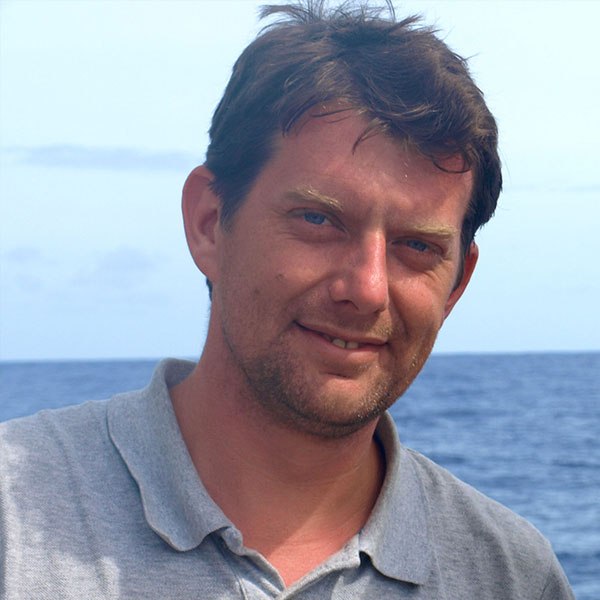
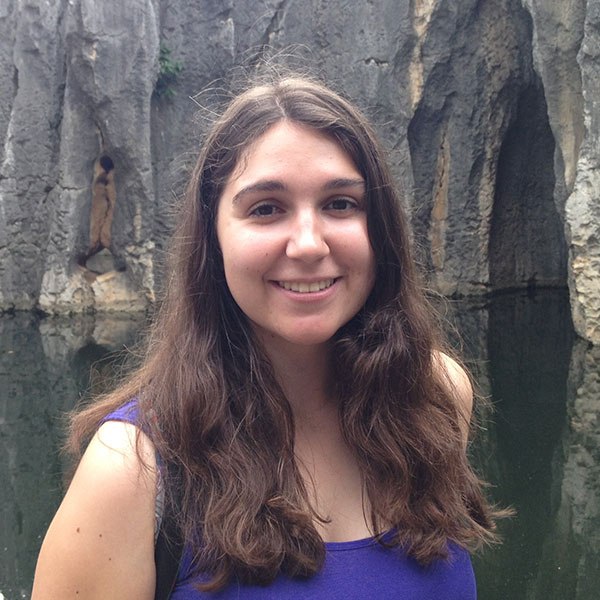
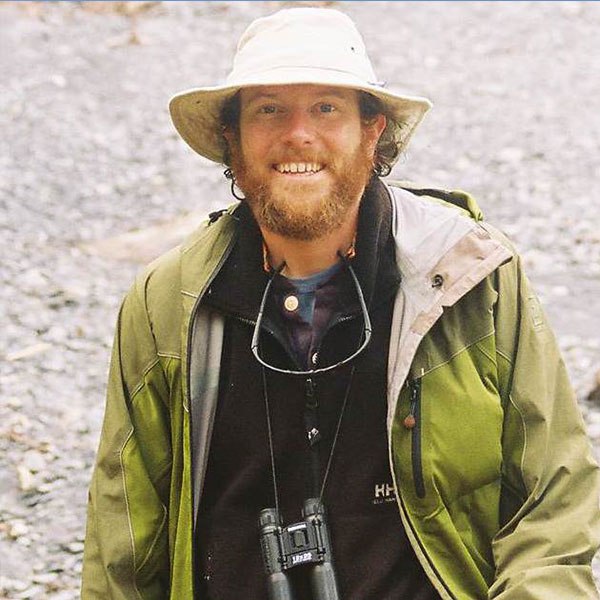
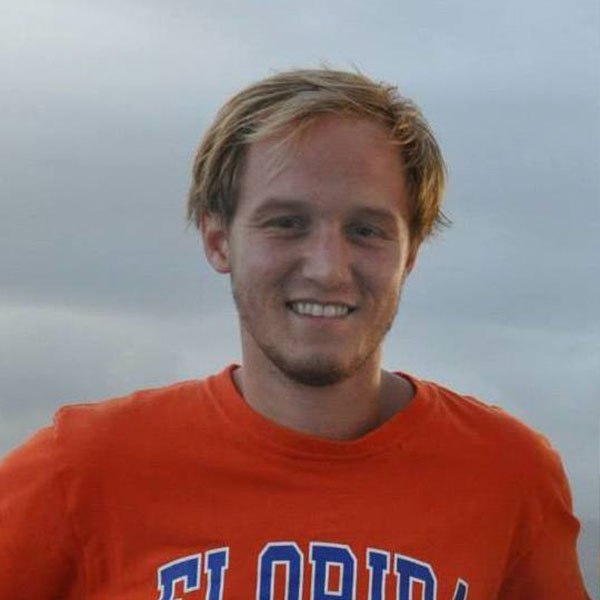
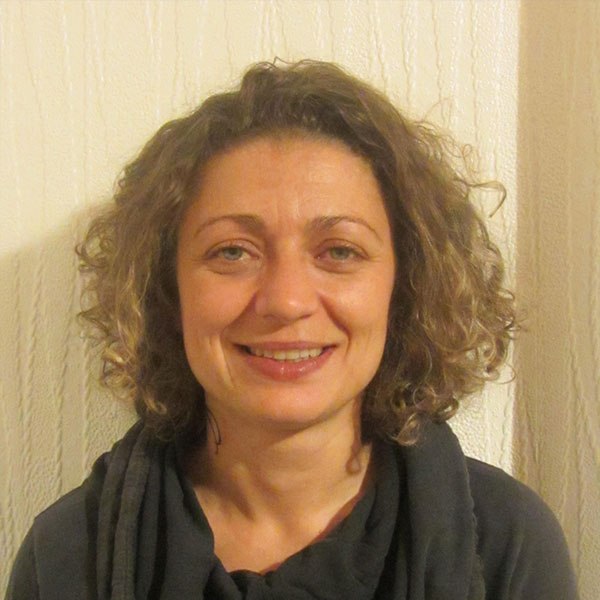
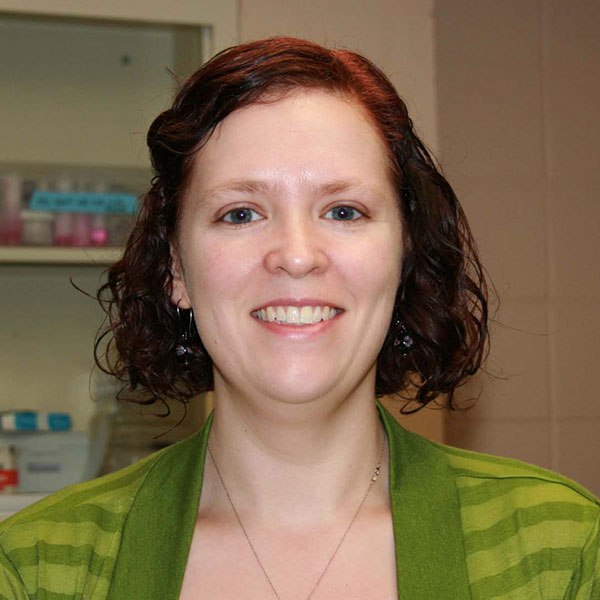
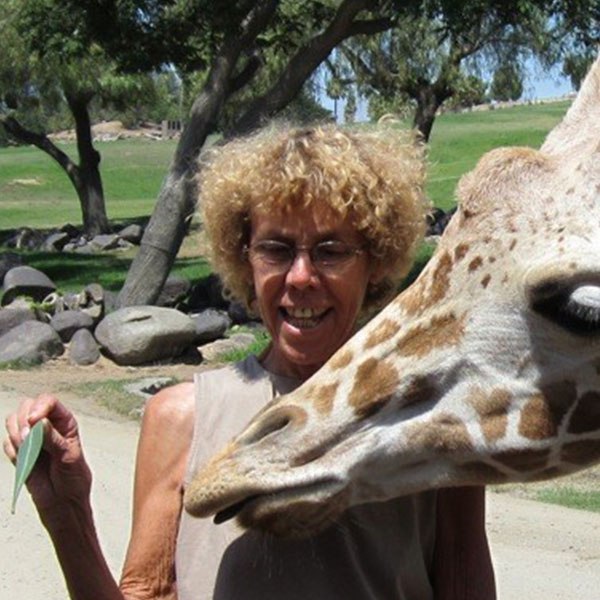
Jeff Drazen from University of Hawaii at Manoa (UH), a deep-sea fish expert, was the expedition's chief scientist, while Patricia Fryer, a geologist also at UH, was co-chief scientist. One key goal was to learn more about what animals are found in the trench, and what factors might control these animals’ locations and concentrations.
Working with samples caught in traps they also studied the biochemical adaptations that allow animals to survive the crushing pressures in deep trenches, in particular, whether these animals have special compounds to protect proteins in their cells from folding improperly under the crushing pressure. One of the compounds researchers have already found that seems to help some trench dwellers withstand hadal pressure was discovered elsewhere and is being pursued as a potential treatment for Alzheimer’s, which involves problems with protein folding in the brain. Other compounds discovered in the trenches might be new to science and could offer similar potential medical or other benefits.
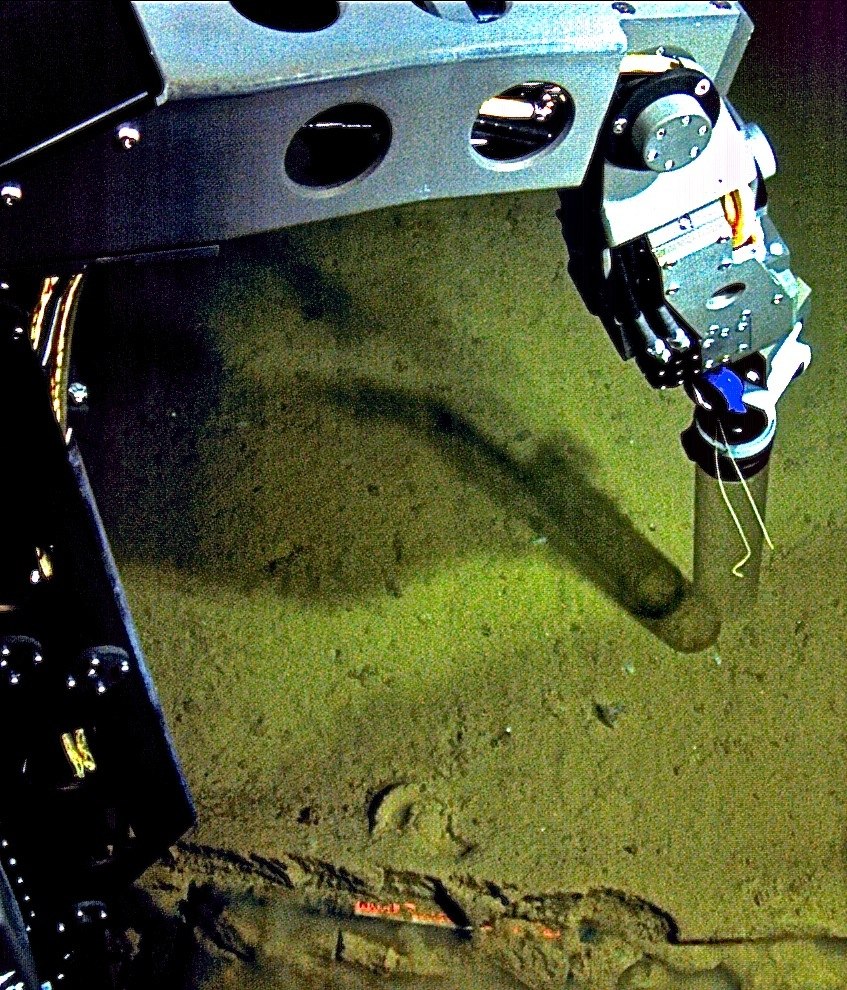
The team also equipped one lander with modified coring devices that inserted a tube into the sediment and meaured the amount of oxygen used by the worms and other small organisms found there. This effort tied to past work suggesting that more food ends up in trenches than previously thought, and that this food—in a range of forms including falling dead phytoplankton, animals, droppings and other materials—could support more life than expected. Food concentrations might also determine where more animals congregate. The oxygen consumption rates offered a measure of the abundance and activity of sediment dwellers that can in turn be compared to location and sediment data to look for patterns in the ways that animals are distributed.
Another lander was equipped with a rock grabber that allowed the team to collect samples that can help answer key geological questions. Trenches form at the places where tectonic plates run into each other, with one falling, or being subducted, underneath the other. That process, along with associated microbial activity, plays important roles in the release and consumption of carbon and minerals. Such cycling is, for instance, a critical factor in the ocean’s ability to absorb carbon dioxide from the atmosphere.
Much of our understanding of these processes, despite their importance, remains theoretical because they occur so deep that opportunities for study have been extremely rare. Rock and sediment sample analyses could either confirm some of the current understanding of these processes, or reveal new questions scientists need to ask.
Trench subduction zones are also the sites of earthquakes that at times spawn devastating tsunamis. Observations and sample analyses could also help scientists better understand factors tied to these events.
The Bigger Picture
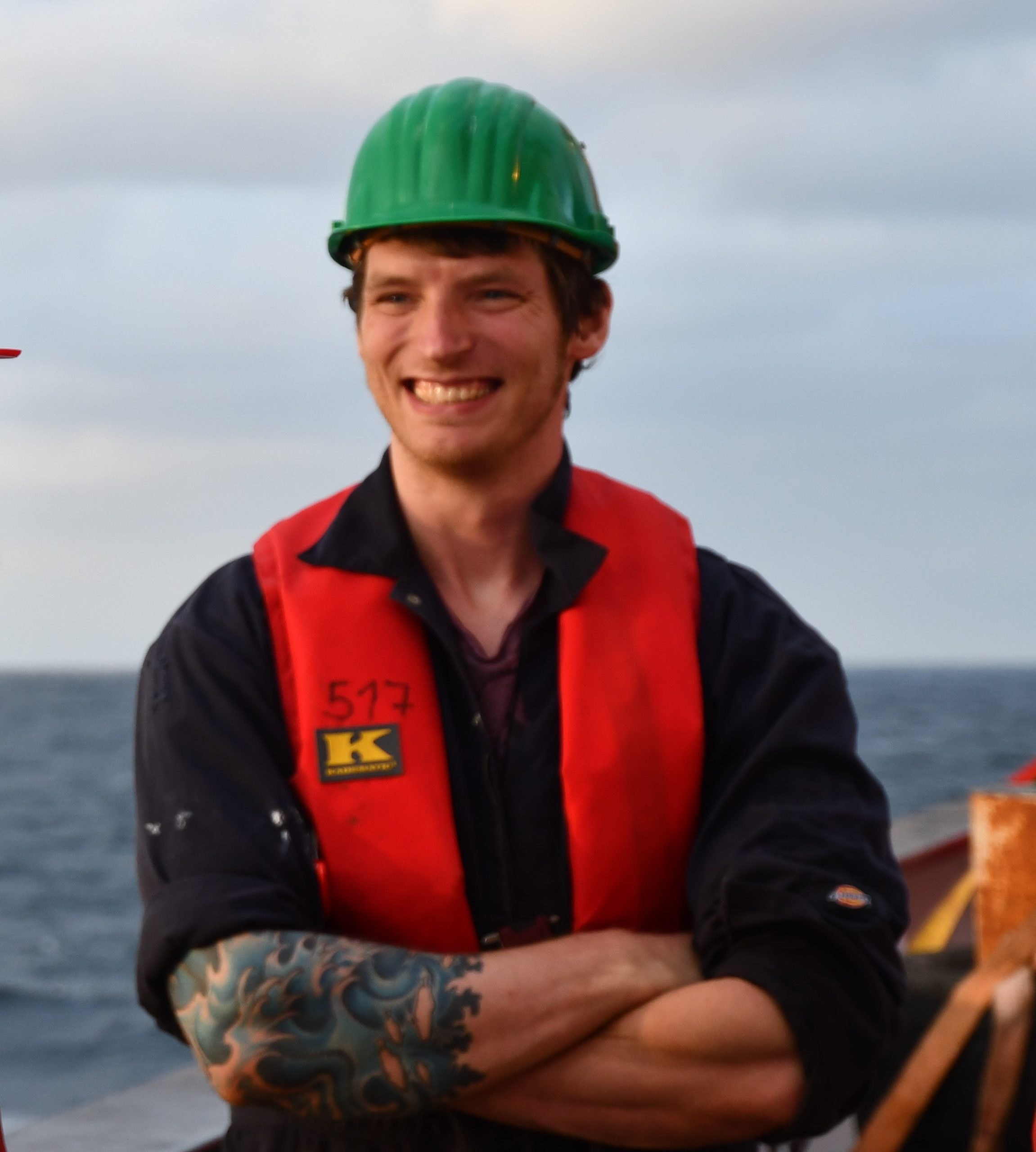
The Falkor expedition was planned as part of the international Hadal Ecosystems Studies program, led by Woods Hole Oceanographic’s Tim Shank, who was part of the Mariana Trench team.
The Mariana Trench expedition also included researchers from Whitman College, the University of Aberdeen's Oceanlab, New Zealand's National Instiute of Water and Atmospheric Research, the UK's Natural Environment Research Council, and the National Oceanography Centre, also in the UK. The cruise ran from November 9 to December 9, 2014. Cclick on the buttons in the upper left corner to follow the Cruise Log and the Expedition Map.

Team and Collaborators








Explore
Updates from the Ship
All Ship Updates
- 01
What's in your Pocket
20 November 2015
Read
- 02
Daily Expedition Photos and Video
31 December 2014
Read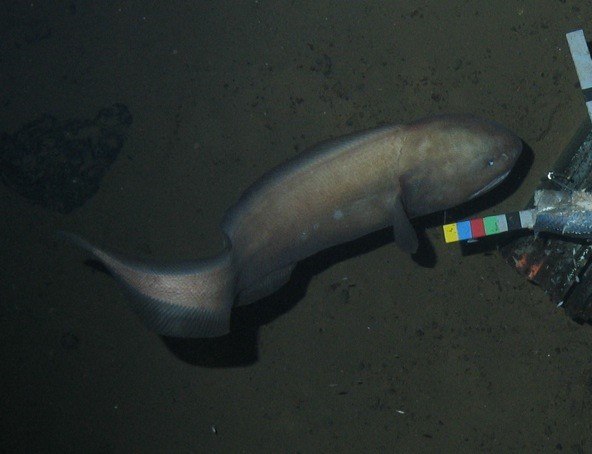
- 03
At the End of the Journey
10 December 2014
Read
- 04
Sharing the Passion
9 December 2014
Read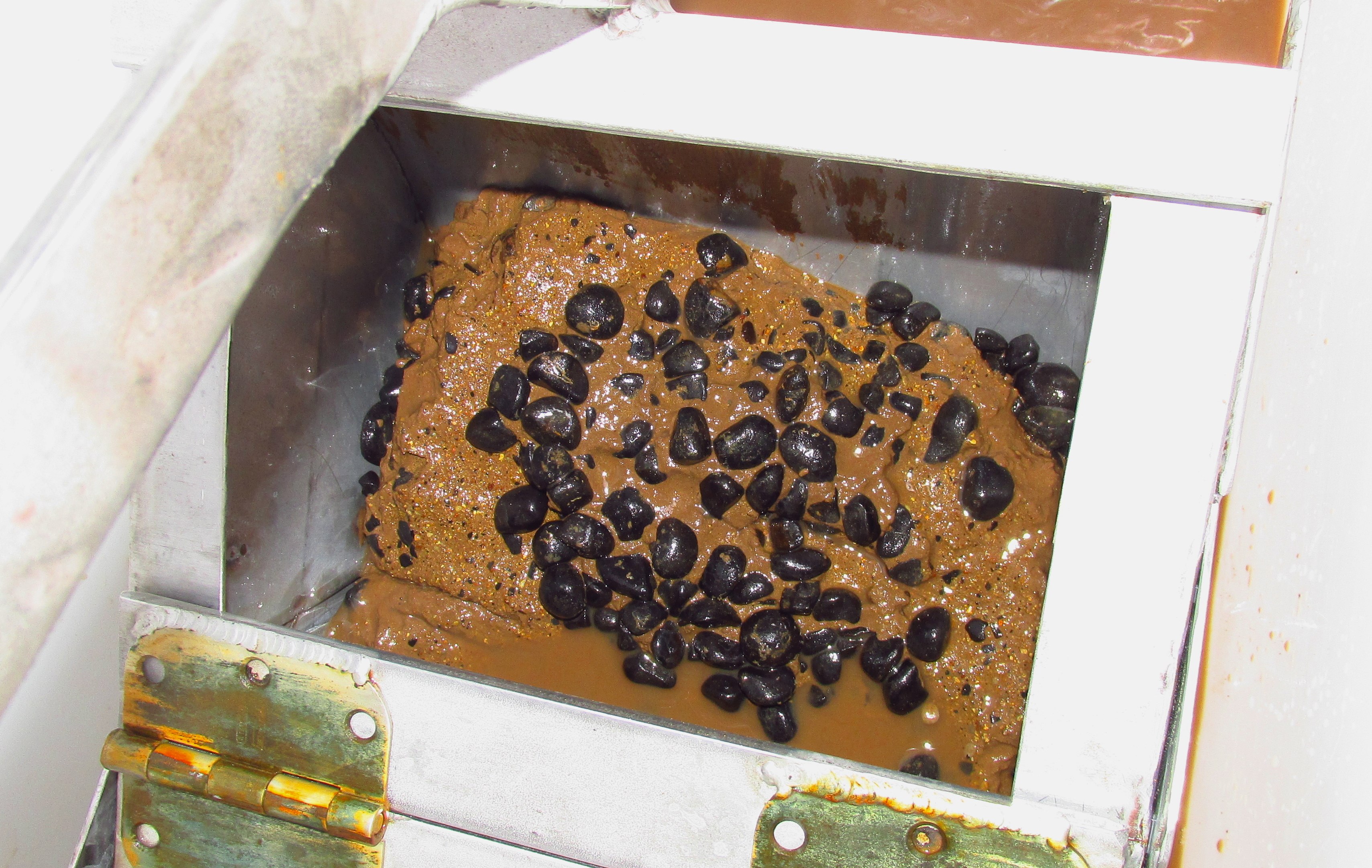
- 05
Where Are We, Where Are We Going
7 December 2014
Read
- 06
The Deepest Living Animals
7 December 2014
Read
- 07
Who Cares
6 December 2014
Read
- 08
Everything Including the Kitchen Sink (and Refrigerator)
5 December 2014
Read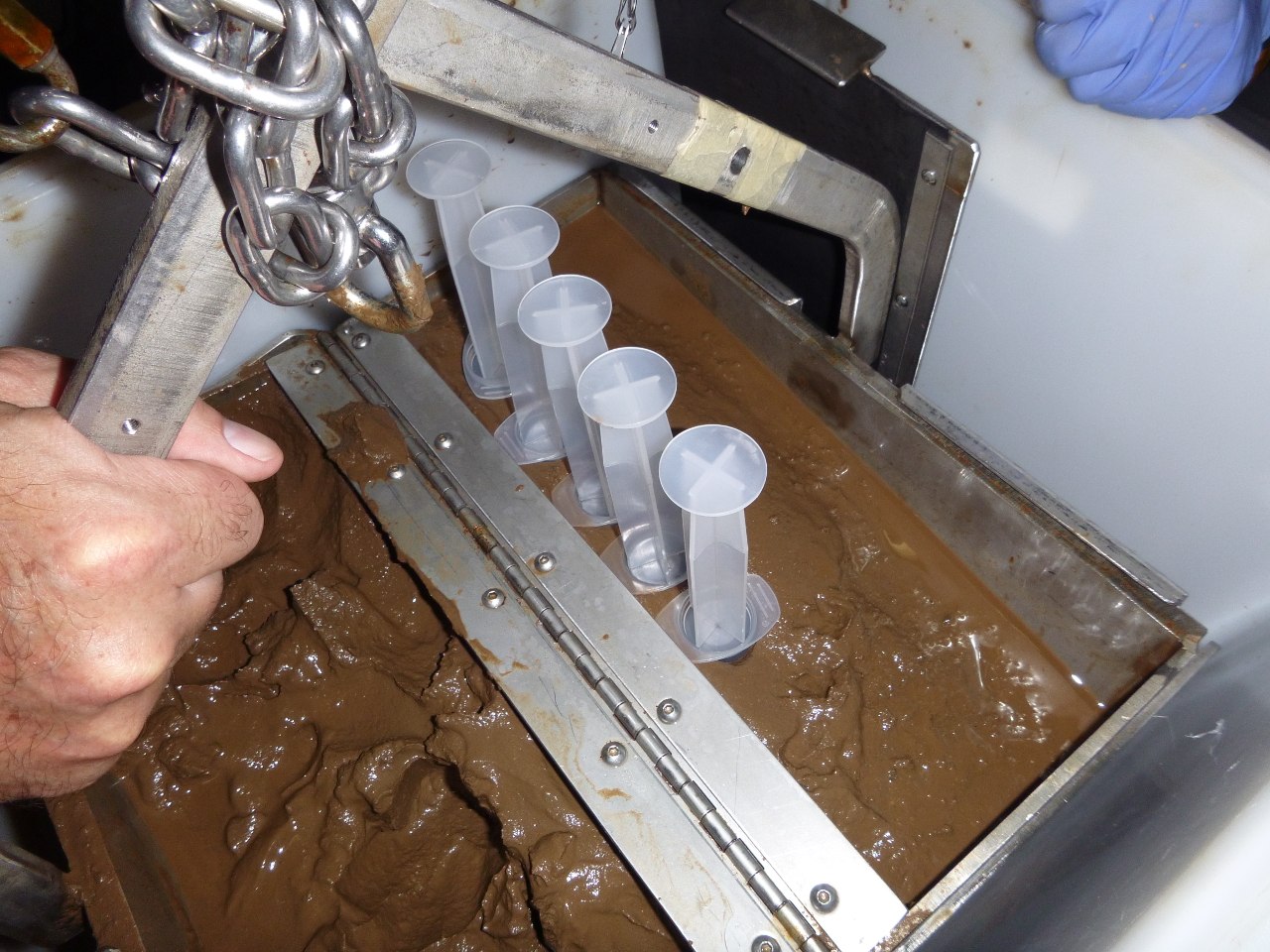
- 09
Life at Sea - Are We Spoiled
4 December 2014
Read
- 10
Survival in Mariana Trench
2 December 2014
Read
- 11
What Happens when Food Reaches the Sea Floor
1 December 2014
Read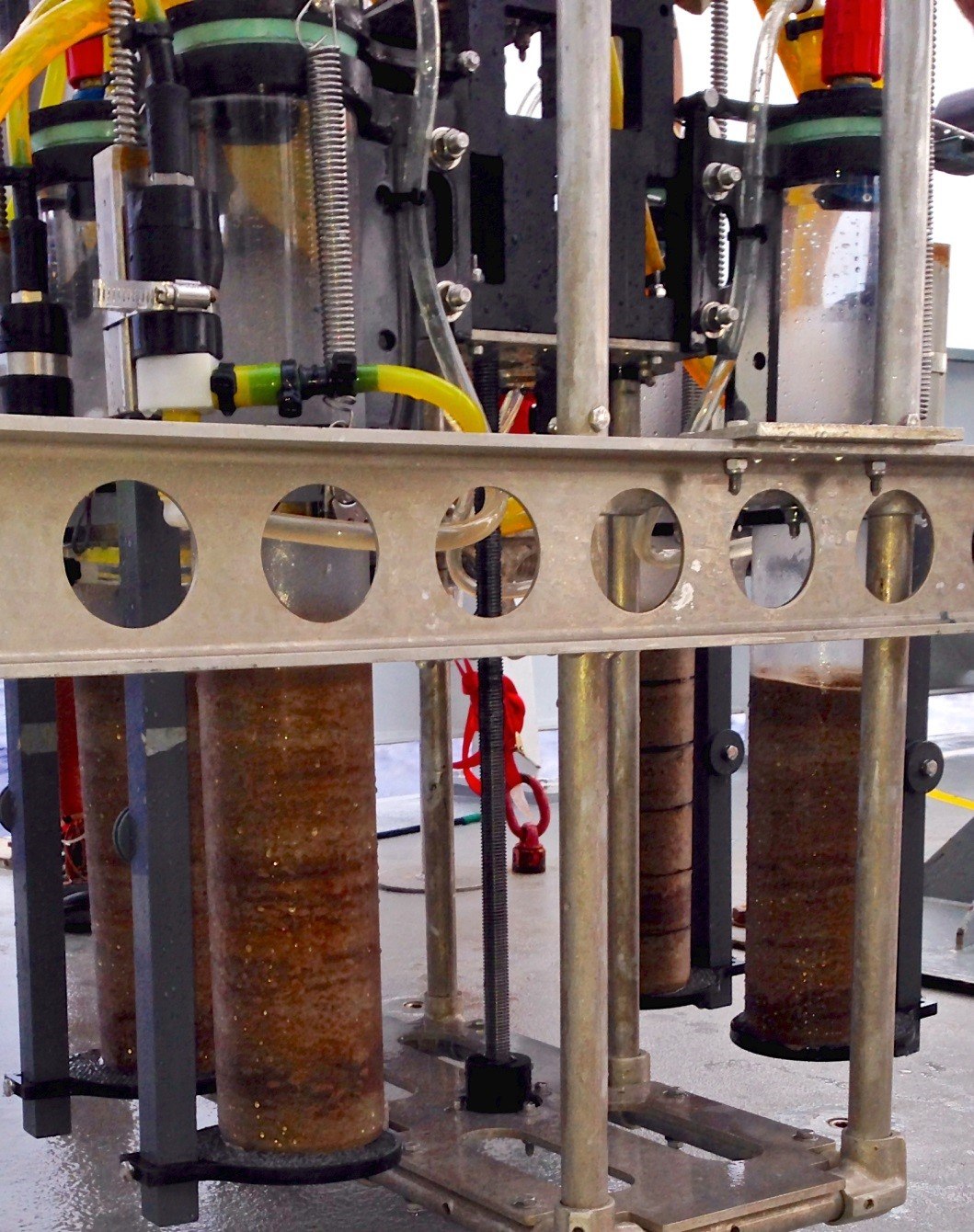
- 12
Anatomy of a Lander
30 November 2014
Read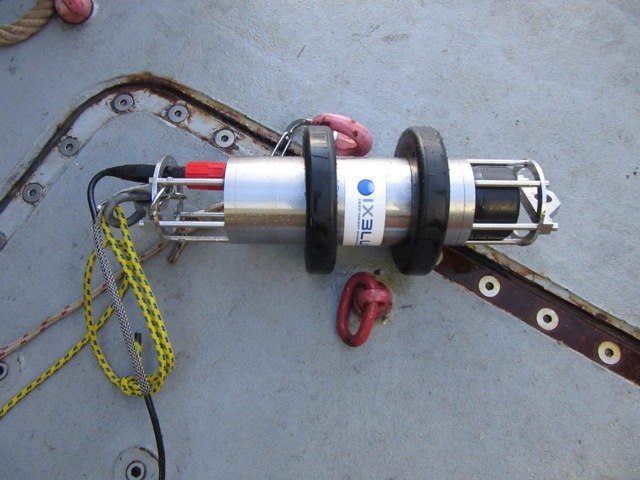
- 13
So, you want to go to sea - Part Two
29 November 2014
Read
- 14
If You Love Something Let it Go
29 November 2014
Read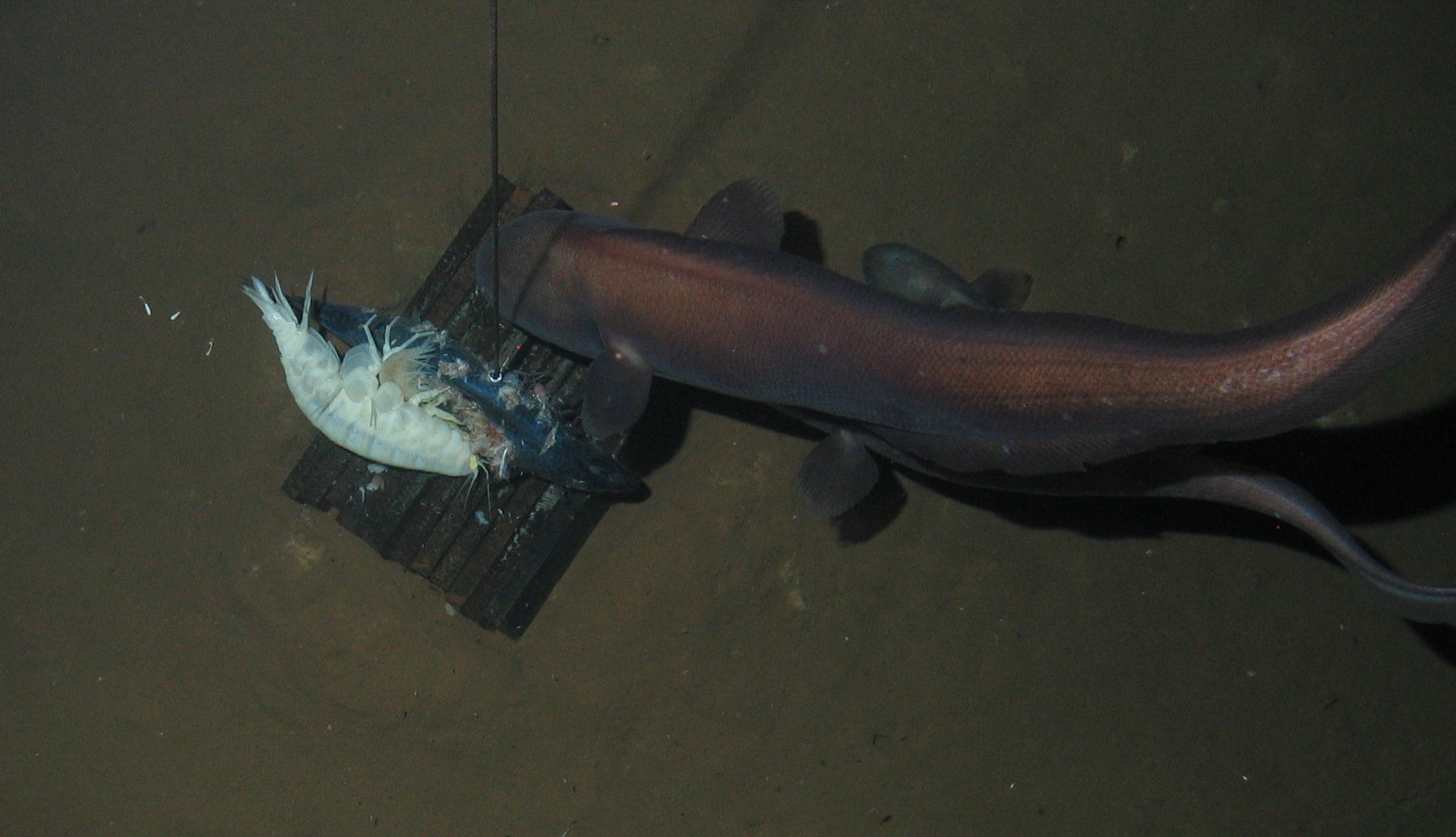
- 15
Don't Sweat the Small Stuff
26 November 2014
Read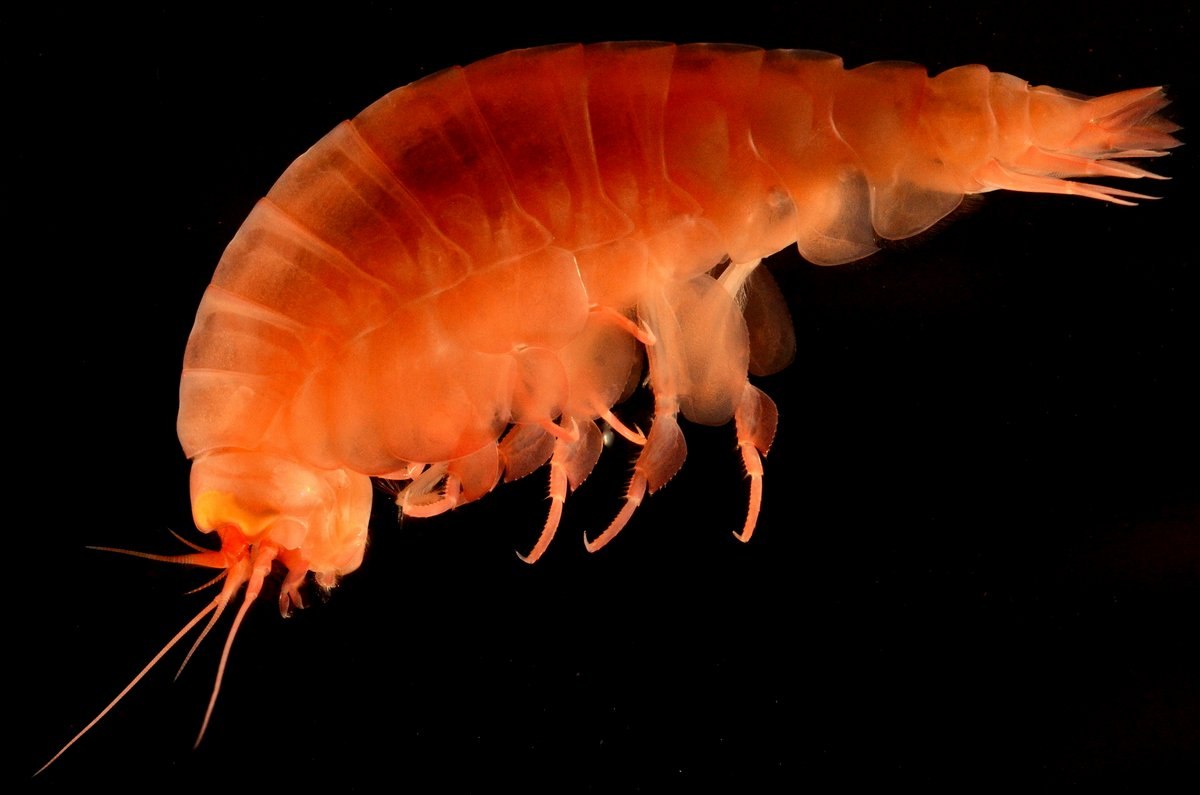
- 16
The Little Pink Fish in the Deep
25 November 2014
Read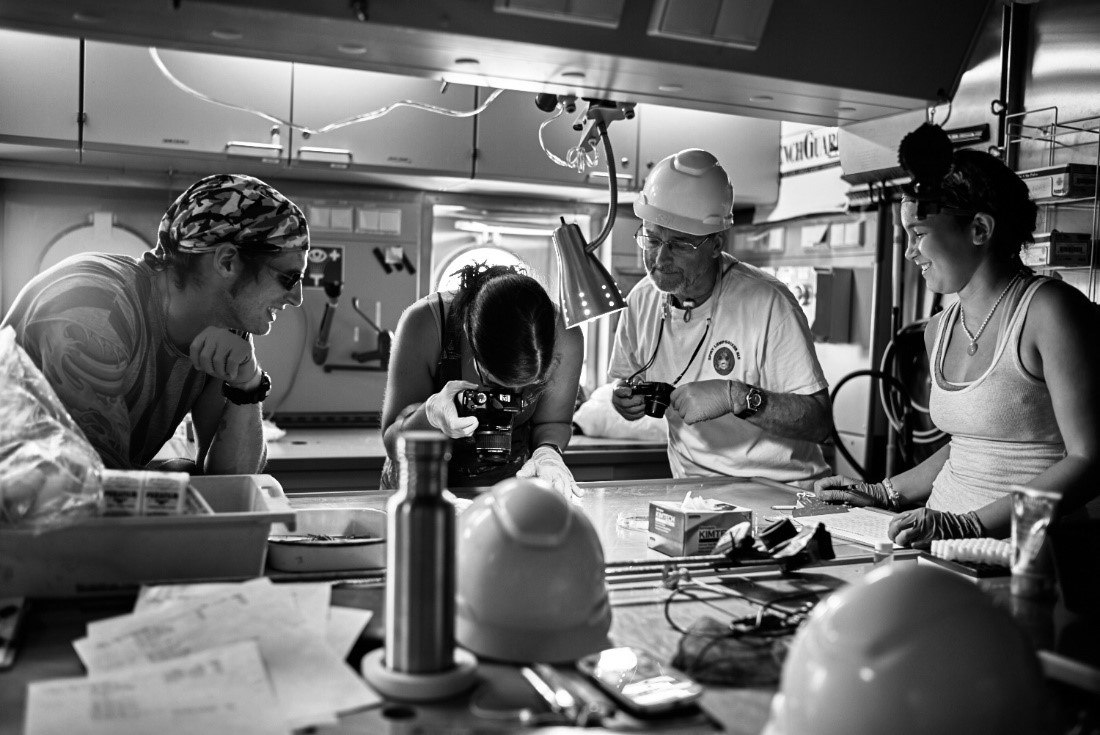
- 17
Amphipod-mania
24 November 2014
Read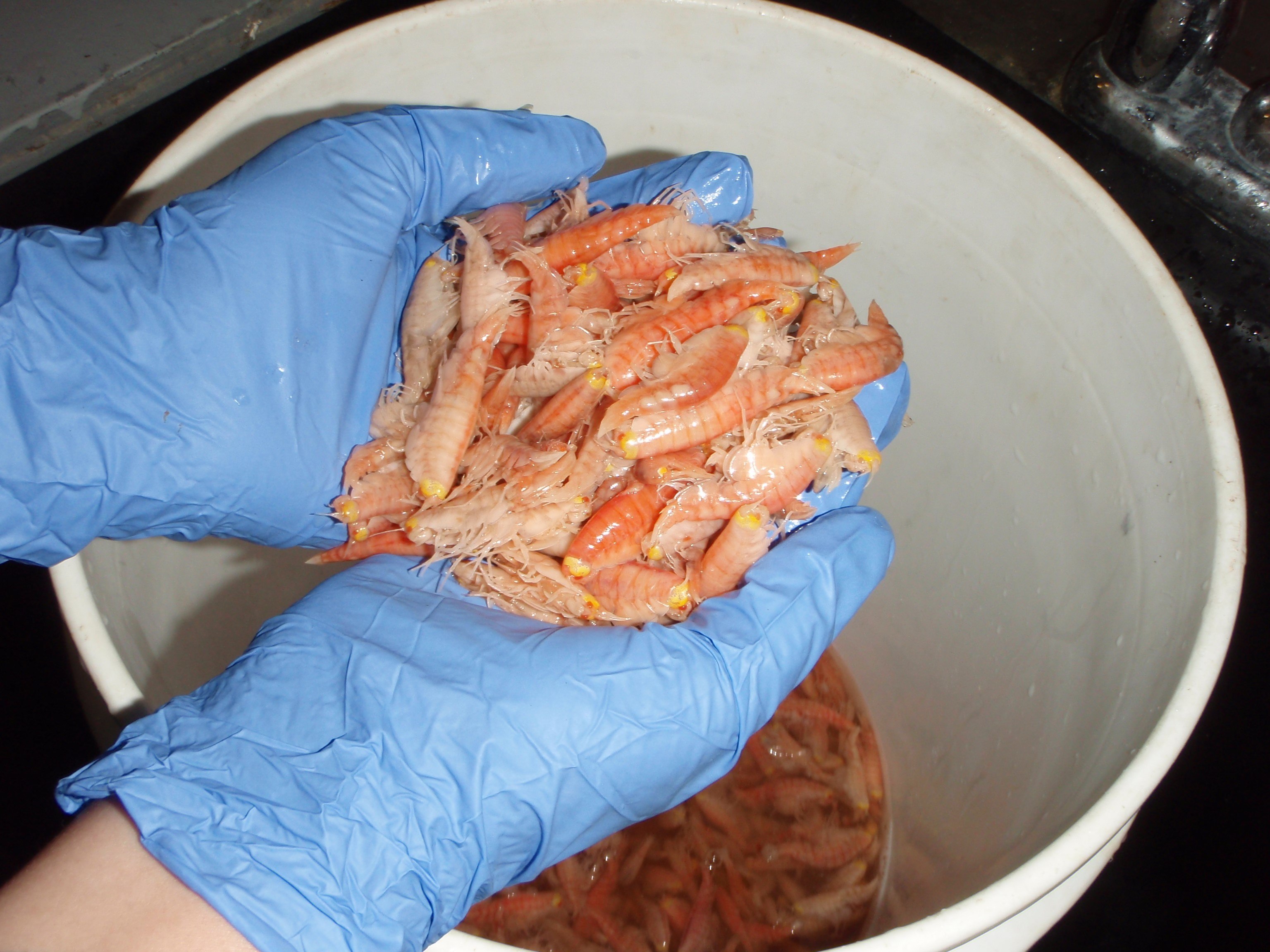
- 18
Where are the Gonads
23 November 2014
Read
- 19
So, You Want to go to Sea
22 November 2014
Read
- 20
Spaghetti and Elephants - Measurements Explained
21 November 2014
Read
- 21
The Mariana Paradox
19 November 2014
Read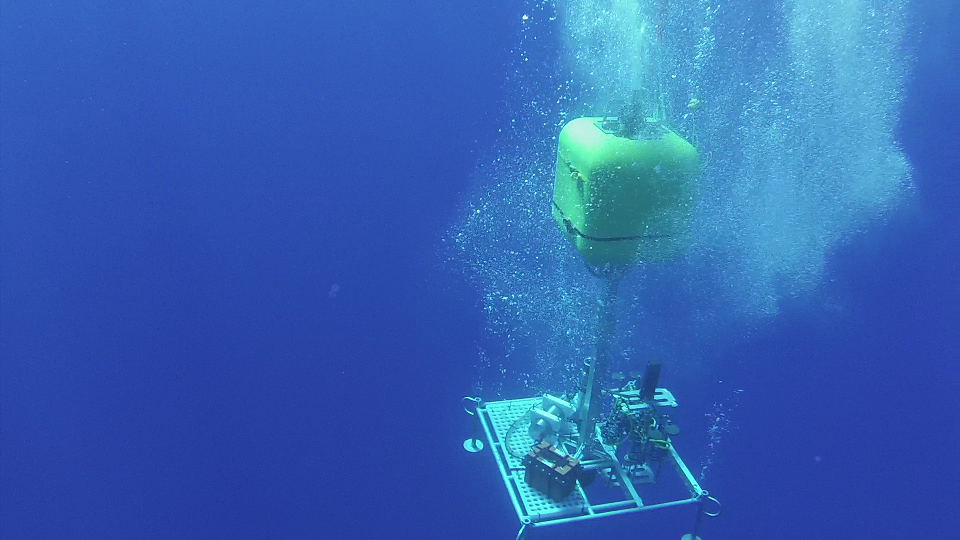
- 22
Extreme Evolution
17 November 2014
Read
- 23
Dirty Secrets at the Bottom of the Trench
16 November 2014
Read
- 24
An MT in the MT (Mariana Trench)
15 November 2014
Read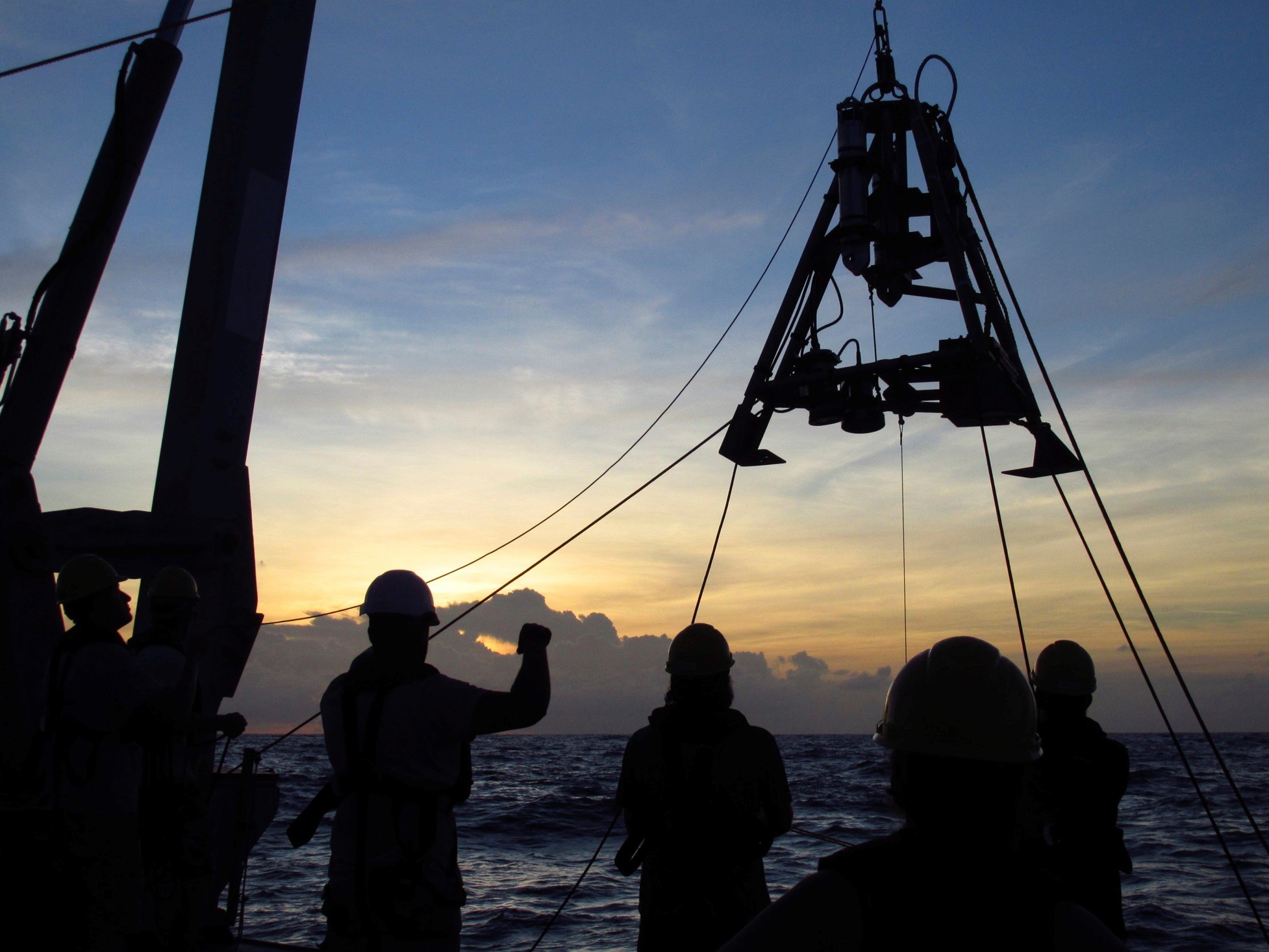
- 25
Sink It – The First Lander Recoveries
14 November 2014
Read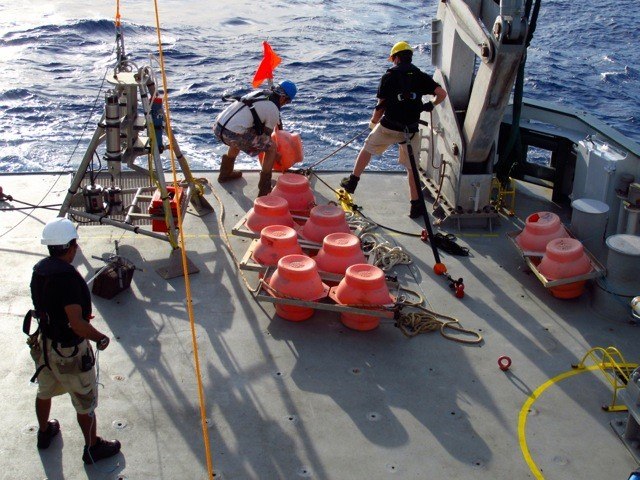
- 26
Life Under Pressure – 100 Elephants on Your Head
13 November 2014
Read
- 27
Who’s Who and So Much More
12 November 2014
Read
- 28
A rock hound with a bunch of biologists
11 November 2014
Read
- 29
Studying the ecology and geology of the Mariana Trench – the deepest place on earth
10 November 2014
Read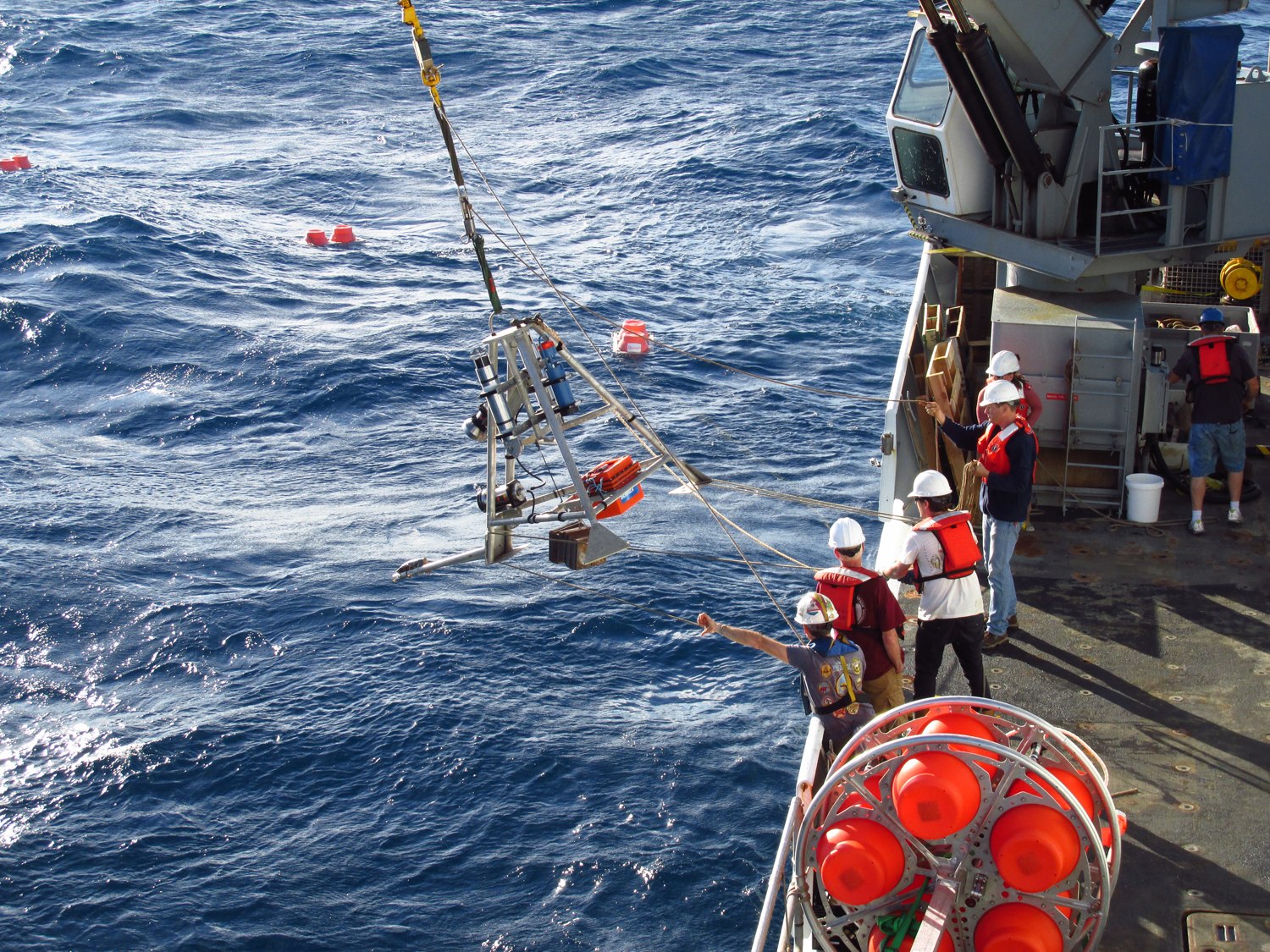
Discover More
Expedition Data
Title  | Type | Repository |
|---|---|---|
| Biological and geological samples log | Biological Samples, Rock Samples, Water Samples | Zenodo |
| Multibeam Bathymetry Data | Sonar Data | National Centers for Environmental Information (NCEI) |
| Raw and post-processed genetic data | Genetic Analysis Data | Biological and Chemical Oceanography Data Management Office (BCO-DMO) |
| Raw and post-processed metabolism data | Biological Analysis Data | Biological and Chemical Oceanography Data Management Office (BCO-DMO) |
| Raw and post-processed piezolyte, enzymes, and pressure data | Biological Analysis Data | Biological and Chemical Oceanography Data Management Office (BCO-DMO) |
| Raw and post-processed seep and pore water data | Water Samples | Biological and Chemical Oceanography Data Management Office (BCO-DMO) |
| Raw and post-processed rock analysis data | Rock Samples | Biological and Chemical Oceanography Data Management Office (BCO-DMO) |
| Raw multibeam bathymetry and backscatter data | Sonar Data | Marine Geoscience Data System (MGDS) |
| Processed multibeam bathymetry and backscatter data | Sonar Data | Marine Geoscience Data System (MGDS) |
| New species of Eurythenes | Species Description | Global Biodiversity Information Facility (GBIF) |
| ADCP data | Oceanographic Property Data | University of Hawaii SOEST |
| Vessel Underway data | Oceanographic Property Data | Rolling Deck to Repository (R2R) |
Publications from This Expedition
Linley, T.D., Gerringer, M.E., Yancey, P.H., Drazen, J.C., Weinstock, C.L., Jamieson, A.J., (2016). Fishes of the hadal zone including new species, in situ observations and depth records of hadal snailfishes. Deep Sea Research,114, 99-110. DOI:10.1016/j.dsr.2016.05.003.
[This Article was published OPEN ACCESS]Gerringer, M., Linley, T., Jamieson, A., Goetze, E., and J. Drazen. (2017). Pseudoliparis swirei sp. nov.: A Newly-discovered Hadal Snailfish (Scorpainiformes: Liparidae) from the Mariana Trench, Zootaxa 4358:1, doi: 10.11646/zootaxa.4358.1.7.
[This Article was published OPEN ACCESS]Gerringer, M., Drazen,J., and P. Yancey. (2017). Metabolic Enzyme Activities of Abyssal and Hadal Fishes: Pressure Effects and a Re-evaluation of Depth-related Changes. Deep-Sea Research Part I: Oceanographic Research Papers, 125:135-146, doi:10.1016/j.dsr.2017.05.010.
[This Article was published OPEN ACCESS]Gerringer, M., Popp, B., Linley, T., Jamieson, A., and J. Drazen. (2017) Feeding Ecology of Hadal Fishes; Comparative Analyses of Stomach Contents and Compound Specific Stable Isotopes of Individual Amino Acids. Deep-Sea Research Part I: Oceanographic Research Papers 121:110-120, doi:10.1016.j.dsr.2017.01.003.
[This Article was published OPEN ACCESS]Jamieson, A., Malkocs, T., Piertney, S., Fujii, T., and Z. Zhang. (2017). Bioaccumulation of Persistent Organic Pollutants in the Deepest Ocean Fauna. Nature Ecology & Evolution, 1:0051, doi:10.1038/s41559-016-0051.
[This Article was published OPEN ACCESS]Linley, T., Stewart, A., McMillan, P., Clark, M., Gerringer, M., Drazen, J., Fujii, T., and A. Jamieson. (2017). Bait Attending Fishes of the Abyssal Zone and Hadal Boundary: Community Structure, Functional Groups and Species Distribution in the Kermadec, New Hebrides and Mariana Trenches. Deep-Sea Research Part I: Oceanographic Research 121:38-53, doi:10.1016/j.dsr.2016.12.009.
Anna B. Downing, Gemma T. Wallace, Paul H. Yancey, (2018). Organic osmolytes of amphipods from littoral to hadal zones: Increases with depth in trimethylamine N-oxide, scyllo-inositol and other potential pressure counteractants. Deep Sea Research Part I: Oceanographic Research Papers. DOI/10.1016/j.dsr.2018.05.008
Downing, A., Wallace, G., and Yancey, P. (2018). Organic osmolytes of amphipods from littoral to hadal zones: Increases with depth in trimethylamine N-oxide, scyllo-inositol and other potential pressure counteractants. Deep Sea Research Part I: Oceanographic Research Papers 138 (1-10), doi: 10.1016/j.dsr.2018.05.008.
Gerringer, M., Andrews, A., Huss, G., Nagashima, K., Popp, B., Clark, M., Linley, T., Jamieson, A., and J. Drazen. (2018). Life history of abyssal and hadal fishes from otolith growth zones and oxygen isotopic compositions. Deep Sea Research I, 132: 37-50, doi: 10.1016/j.dsr.2017.12.002.
[This Article was published OPEN ACCESS]Zhang, W., Tian, R.-M., Sun, J., Bougouffa, S., Ding, W., Cai, L, Lan, Y., Tong, H., Li, Y., Jamieson, A., Bajic, V.-B., Drazen, J., Bartlett, D., and P.-Y. Qian. (2018). Genome reduction in Psychromonas species within the gut of an amphipod from the Ocean’s deepest point. mSystems 3(3), doi: 10.1128/mSystems.00009-18.
[This Article was published OPEN ACCESS]Gerringer, M. (2019). On the success of the hadal snailfishes. Integrative Organismal Biology, obz004, doi: 10.1039/iob/obz004.
[This Article was published OPEN ACCESS]Gerringer, M., Yancey, P., Tikhonova, O., Vavilov, N., Zgoda, V., and D. Davydov. (2020). Pressure Tolerance of Deep-sea Enzymes can be Evolved through Increasing Volume Changes in Protein Transitions: A Study with Lactate Dehydrogenases from Abyssal and Hadal Fishes. FEBS Journal, doi: 10.1111/febs.15317.
Tokuda, A., Drazen, J., Gerringer, J., Popp, B., Grammatopoulou, E., and Mayor, D. (2020). Tropic interactions of megafauna in the Mariana and Kermadec trenches inferred from stable isotope analysis. Deep Sea Research: Part 1 Oceanographic Research Papers, vol. 164, doi: 10.1016/j.dsr.2020.103360.
[This Article was published OPEN ACCESS]Peoples, L., Grammatopoulou, E., Pombrol, M., Xu, X., Oladayo, O., Blanton, J., et. al. (2019). Microbial Community Diversity within Sediments from Two Geographically Separated Hadal Trenches. Front. Microbiol. Vol. 10, doi: 10.3389/fmicb.2019.00347.
Peoples, L., Donaldson, S., Osuntokun, O., Xia, Q., Nelson, A., Blanton, J. et. al. (2018). Vertically Distinct Microbial Communities in the Mariana and Kermadec Trenches. Plos One, 13(4), doi: 10.1371/journal.pone.0195102.
[This Article was published OPEN ACCESS]Blum, J., Drazen, J., Johnson, M., Popp, B., Motta, L., and Jamieson, A. (2020). Mercury isotopes identify near-surface marine mercury in deep-sea trench biota. Proceedings of the National Academy of Sciences Nov 2020, 117(47) 29292-29298, doi: 10.1073/pnas.2012773117.
[This Article was published OPEN ACCESS]Stewart, H., and Jamieson, A. (2018). Habitat heterogeneity of hadal trenches: Considerations and implications for future studies. Progress in Oceanography, 161, 47-65, doi: 10.1016/j.pocean.2018.01.007.
[This Article was published OPEN ACCESS]Ritchie, H., Jamieson, A., and Piertney, S. (2017). Genome size variation in deep-sea amphipods. Royal Society Open Science, 4(9), doi: 10.1098/rsos.170862.
[This Article was published OPEN ACCESS]Weston, J., Carrillo-Barragan, P., Linley, T., Reid, W., and Jamieson, A. (2020). New species of Eurythenes from hadal depths of the Mariana Trench, Pacific Ocean (Crustacea: Amphipoda). ZooTaxa, 4748(1), doi: 10.11646/zootaxa.4748.1.9.
[This Article was published OPEN ACCESS]Gerringer, M., Dias, A., von Hagel, A., Orr, J., Summers, A., and Farina, S. (2021). Habitat influences skeletal morphology and density in the snailfishes (family Liparidae). Frontiers in Zoology, 18(16), doi: 10.1186/s12983-021-00399-9.
[This Article was published OPEN ACCESS]Gerringer, M., Linley, T., and Nielsen, J. (2021). Revision of the depth record of bony fishes with notes on hadal snailfishes (Liparidae, Scorpaeniformes) and cusk eels (Ophidiidae, Ophidiiformes). Marine Biology, 168, 167, doi: 10.1007/s00227-021-03950-8.
[This Article was published OPEN ACCESS]Jamieson, A., Linley, T., Eigler, S., and Macdonald, T. (2021). A Global Assessment of Fishes at Lowe Abyssal and Upper Hadal Depths (5000 to 8000 m). Deep-sea Research Part 1, 178, 103642, doi: 10.1016/j.dsr.2021.103642.
Swan, J., Jamieson, A., Linley, T., and Yancey, P. (2021). Worldwide Distribution and Depth Limits of Decapod Crustaceans (Penaeoidea, Oplophoroidea) across the Abyssal-hadal Transition Zone of Eleven Subduction Trenches and Five Additional Deep-sea Features. Journal of Crustacean Biology. 41(1), doi: 10.1093/jcbiol/ruaa102.
Jamieson, A., Stewart, H., Weston, J., and Bongiovanni, C. (2021). Hydrozoans, Scyphozoans, Larvaceans and Ctenophores Observed in situ at Hadal Depths. Journal of Plankton Research, 43(1): 20-32. doi:10.1093/plankt/fbaa062.
Blanton, J., Peoples, L., Gerringer, M., Iacuaniello, C., Gallo, N., Linley, T., et al. (2022). Microbiomes of Hadal Fishes across Trench Habitats Contain Similar Taxa and Known Piezophiles. mSphere, 7(2), doi: 10.1128/msphere.00032-22.
[This Article was published OPEN ACCESS]Schwarzhans, W., and Gerringer, M. (2023). Otoliths of the deepest-living fishes. Deep Sea Research Part I: Oceanographic Research Papers, 198, doi: 10.1016/j.dsr.2023.104079.