


0 results for
- Type in the search bar to begin searching the site.
Expeditions
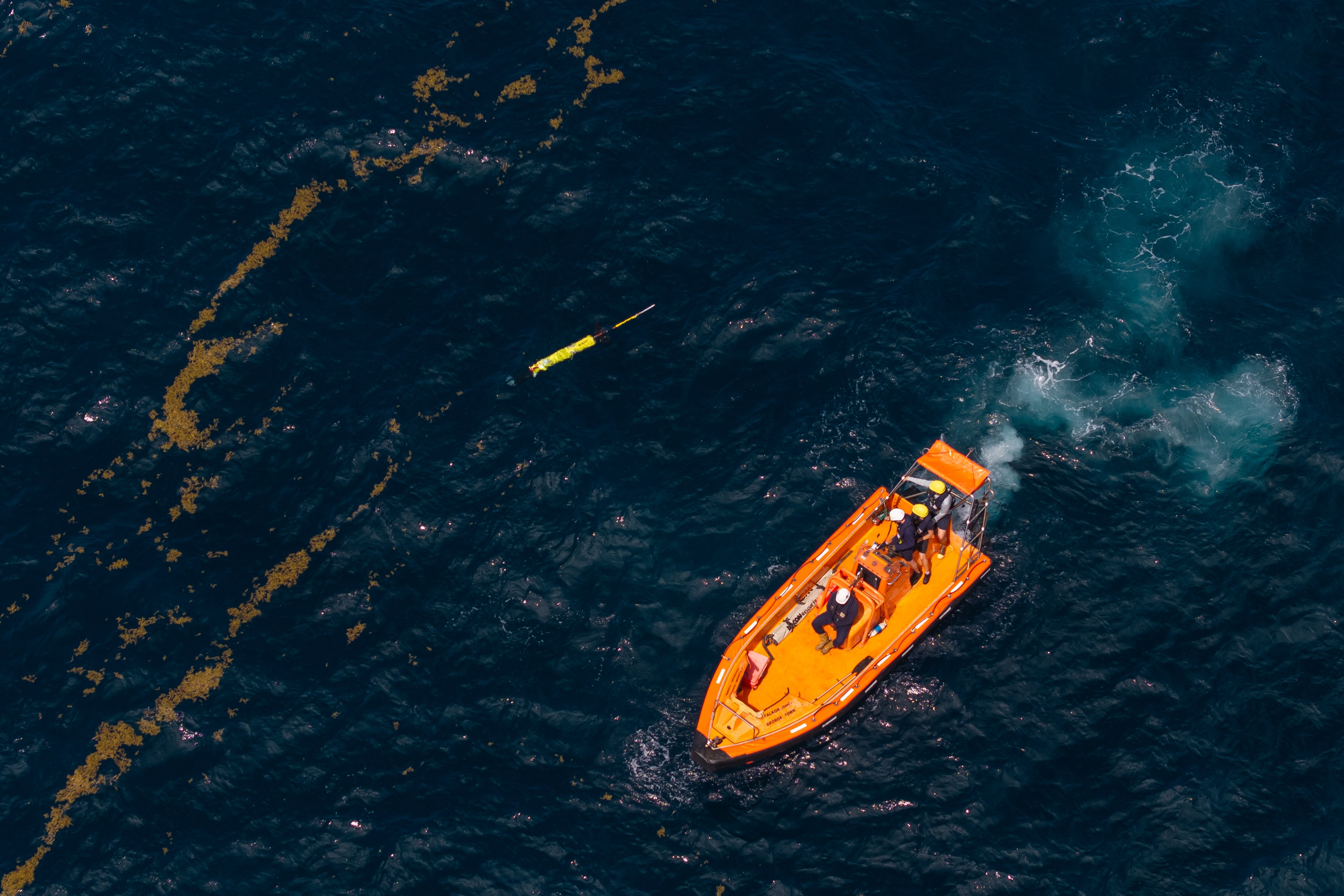
In the coming years, our expeditions will explore understudied regions around all seven continents in our global Ocean.
Latest Expedition
See all
Programs
From grants for caregivers to an artist-at-sea residency, our programs strive to deepen knowledge and inspire a connection with our planet’s life support system.
Latest Expedition
See all
Science Team Resources
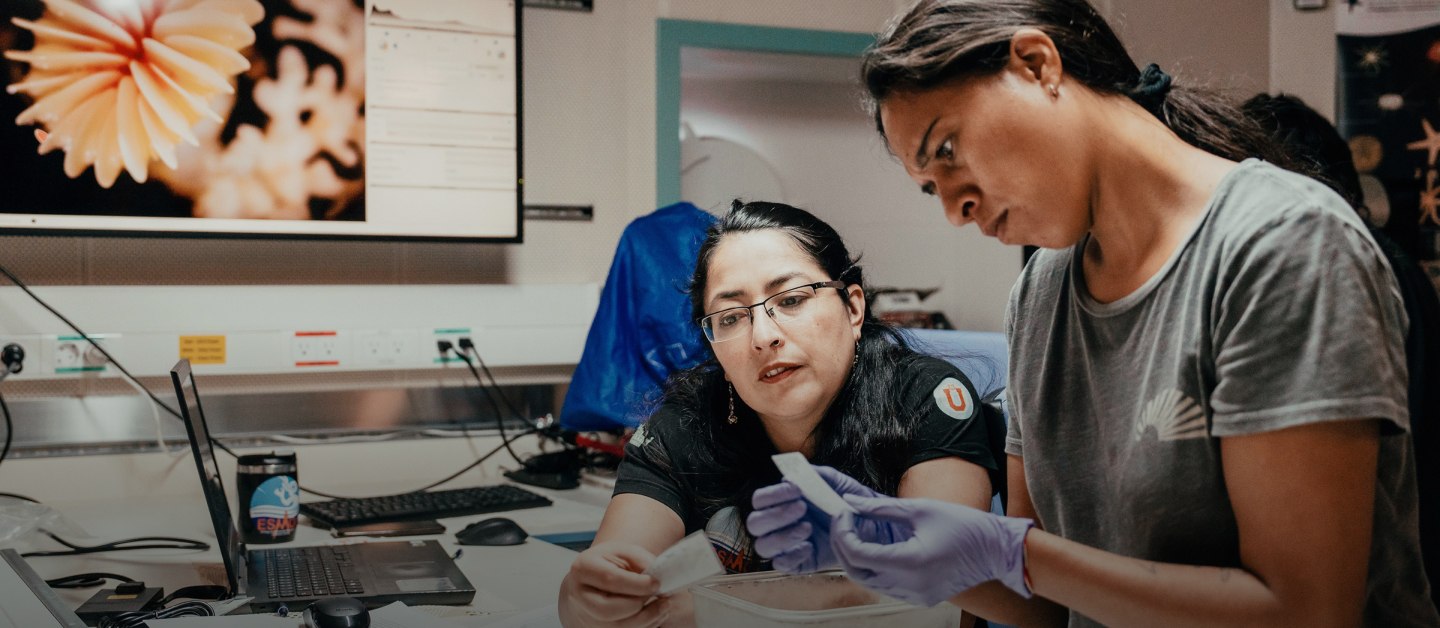
To help you plan for your expedition, this hub includes information about outreach, technical specifications for our robotic platforms, a list of lab equipment, information about accessing data repositories, and more.
Latest Expedition
See all
- Our Team

Expeditions & Roles
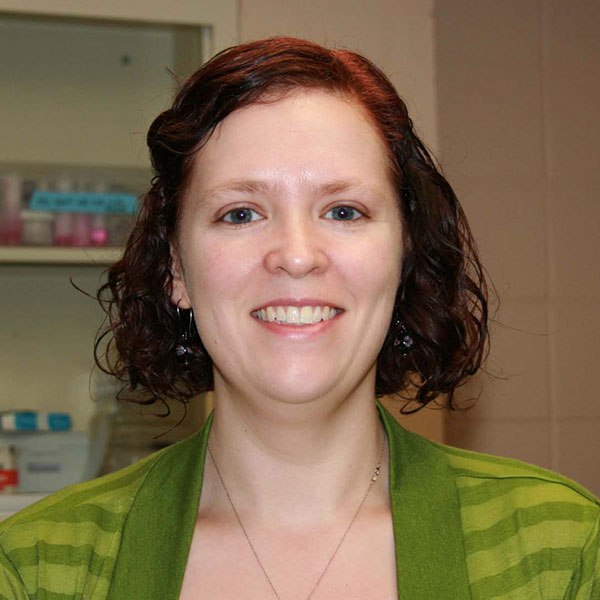
Jill Bourque
Dr. Jill Bourque is a marine benthic ecologist in the Benthic Ecology Lab at the U.S. Geological Survey's Southeast Ecological Science Center. She specializes in taxonomic identification and benthic community analysis of invertebrates from coastal and deep-sea habitats, including worm reefs, deep-sea corals, canyon systems, cold seeps, trenches, and seamounts. Her research interests include community ecology and ecosystem function of coastal and deep-sea habitats, focusing on the local and regional biodiversity associated with structural habitats and their connectivity to adjacent areas. As a collaborator of the HADES program, she will be examining the macrofauna and meiofauna living within sediments collected from the bottom on the Mariana Trench to investigate the effects of depth, sediment composition, and food supply on structuring these communities, as well as their connectivity to other trench systems. Jill received a B.S. in Marine Science from Rider University (2002), and an M.S. (2005) and Ph.D. (2009) from the University of Delaware’s College of the Earth, Ocean, and Environment. Her graduate work examined the population biology and community structure associated with intertidal worm reefs in Delaware Bay. Since joining the Benthic Ecology Lab (2011), she has conducted research on sediment habitats in the Gulf of Mexico, Caribbean, Mid-Atlantic, and South Pacific regions.