


0 results for
- Type in the search bar to begin searching the site.
Expeditions
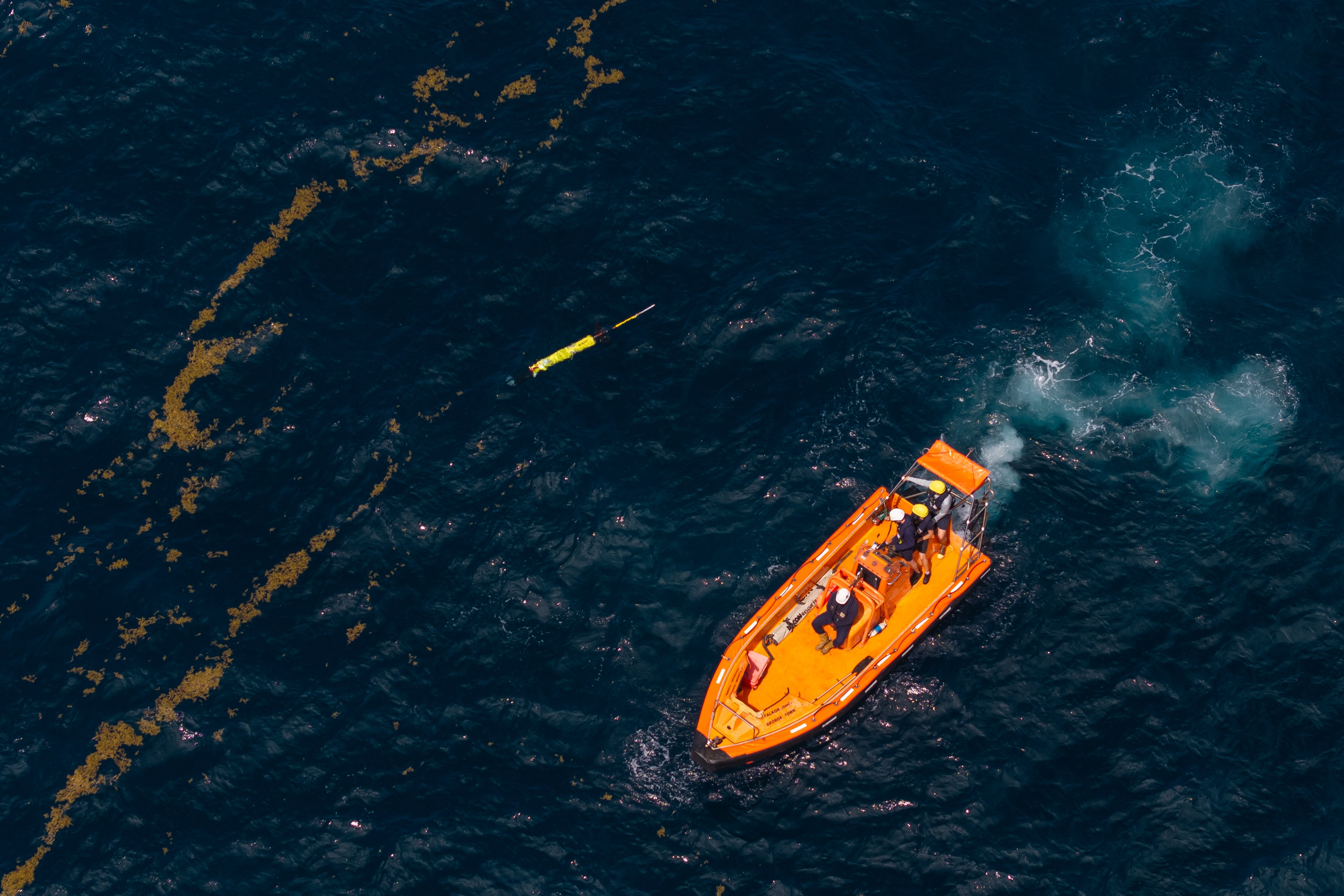
In the coming years, our expeditions will explore understudied regions around all seven continents in our global Ocean.
Latest Expedition
See all
Programs
From grants for caregivers to an artist-at-sea residency, our programs strive to deepen knowledge and inspire a connection with our planet’s life support system.
Latest Expedition
See all
Science Team Resources
To help you plan for your expedition, this hub includes information about outreach, technical specifications for our robotic platforms, a list of lab equipment, information about accessing data repositories, and more.
Latest Expedition
See all
- Our Team

Expeditions & Roles
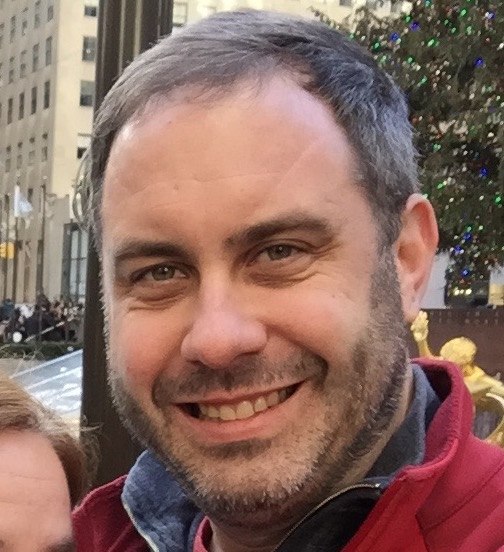
Jeremy Werdell
Dr. Jeremy Werdell is a satellite oceanographer from NASA’s Goddard Space Flight Center (GSFC) in Greenbelt, Maryland. At GSFC, Jeremy also serves as the Project Scientist for the Plankton, Aerosol, Cloud, ocean Ecosystem (PACE) mission to be launched in late 2022. Jeremy grew up in Vernon, Connecticut. He received his Bachelors of Arts in Biology and in Environmental Science from the University of Virginia in 1996, his Masters of Science in Oceanography from the University of Connecticut in 1998, and his Doctor of Philosophy from the University of Maine in 2014. Jeremy joined GSFC in 1999. His research interests extend to the on-orbit calibration of ocean color satellite instruments, the validation of remotely-sensed data products, the collection and analysis of in situ biogeochemical oceanographic measurements, and the assimilation of the above to study how the global ocean and various regional ecosystems are changing with time. Jeremy will use data collected on the Falkor Sea-to-Sky Particle Investigation to tie in situ measurements of phytoplankton community structure and near-surface particle size distributions to observations made by satellite ocean color instruments, with the ultimate goal of improving estimates of marine particle size from space.