


Dive In
About the Expedition
The Mariana region is home to the Mariana subduction system. This November, scientists shed light on the Mariana back-arc spreading center looking for new sites of hydrothermal activity.
- Dive Markers
- Trackline
The Mission
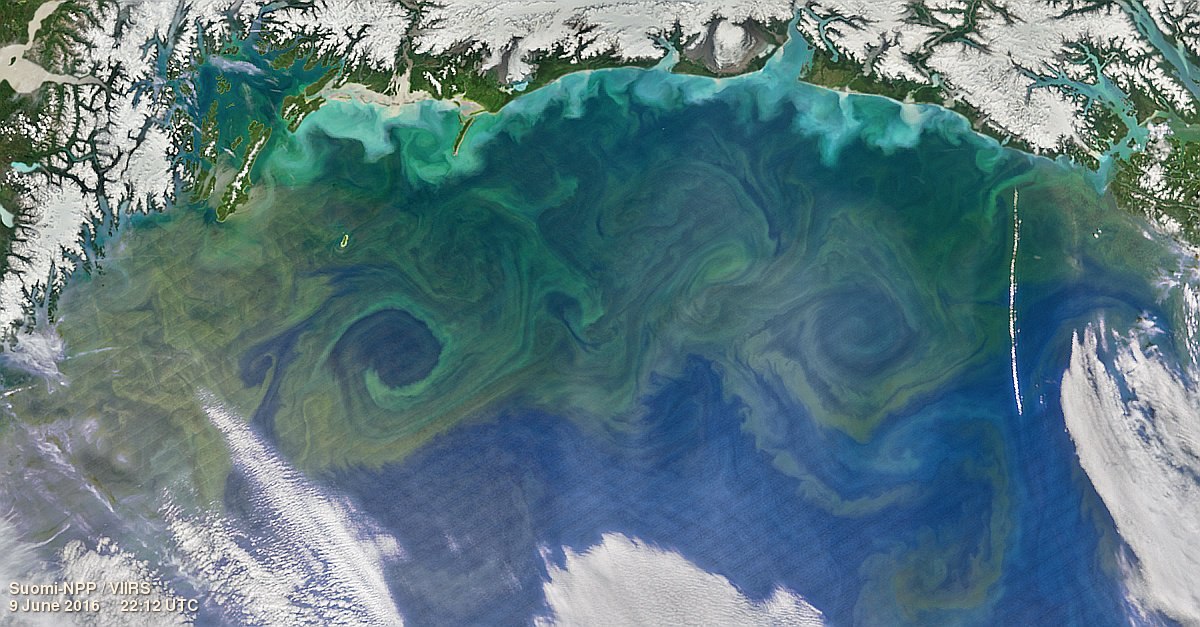
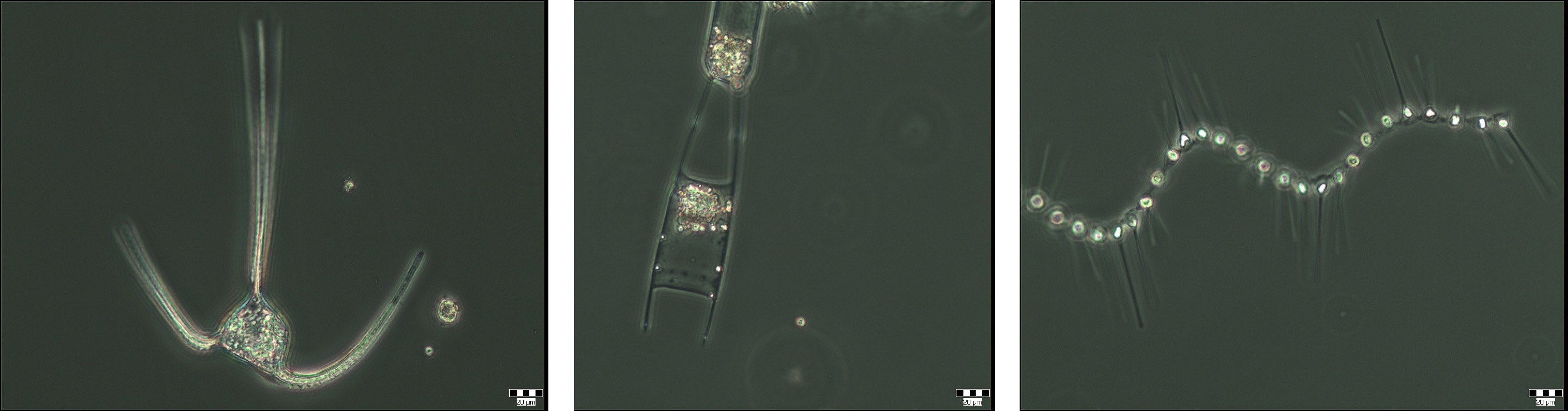
“Particles” in the ocean are considered by scientists to be anything that is not dissolved. This could include dust, phytoplankton, fecal pellets, fish, and even logs or marine debris. Studying how these pieces of matter are spread out and grouped according to their size can provide insight to marine biodiversity, ecosystem health, and aspects of biogeochemical cycling, including the oceanic carbon cycle.
The Sea to Space Particle Investigation cruise will aim to improve the accuracy of particle size distribution products gathered from satellite and remote-sensing data records. These records contain critical information that can improve our understanding of how Earth’s living marine resources and carbon sequestration are responding to rising carbon dioxide levels as well as climate changes. The hope is that the application of instruments developed in conjunction with this expedition will allow an unprecedented view into the biological, geological, and chemical mechanics of the ocean - both in a local and global manner. The data collected and shared with the oceanographic community will lead to a transformative analysis understanding the roles of particle and plankton size in global biogeochemistry and other processes.
Understanding Uncertainties
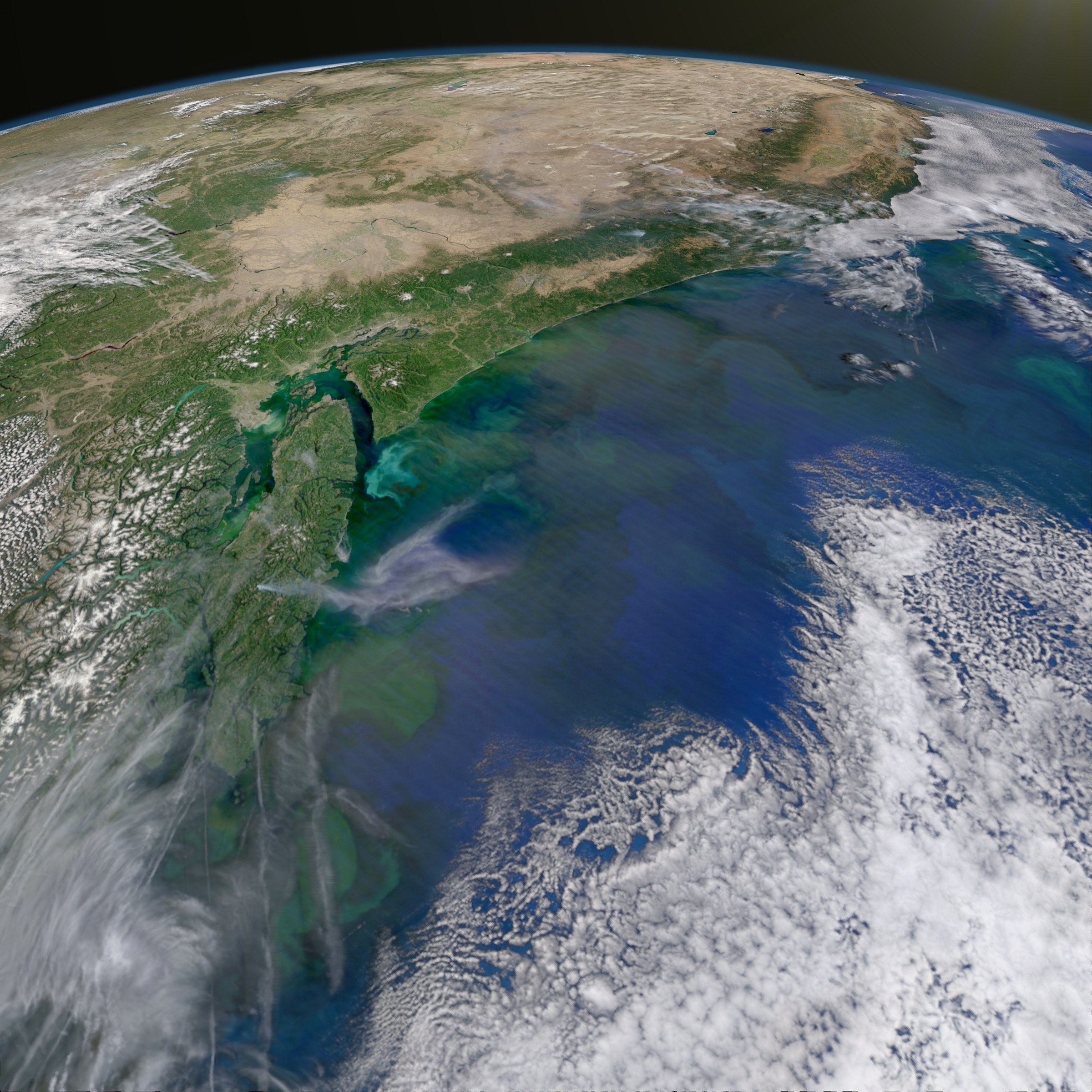
Satellite measurements of particle size distributions (PSD) are essential for researchers to create models of global processes. Color images and visuals made by orbiting satellites show comprehensive views of marine spaces and ecosystems that cannot be gathered by conventional ship or aircraft sampling, due to logistic issues such as distance from land and budgetary restraints. However, satellite algorithms for estimating particle size distributions are largely unverified due to a lack of confirmed datasets - there needs to be more direct measurements taken at the areas being interpreted by visual information from afar. These uncertainties generally exist because there are not enough surface observations and measurements done on-site for particle size distributions along with concurrent information from satellites.
Recording Ground Truth
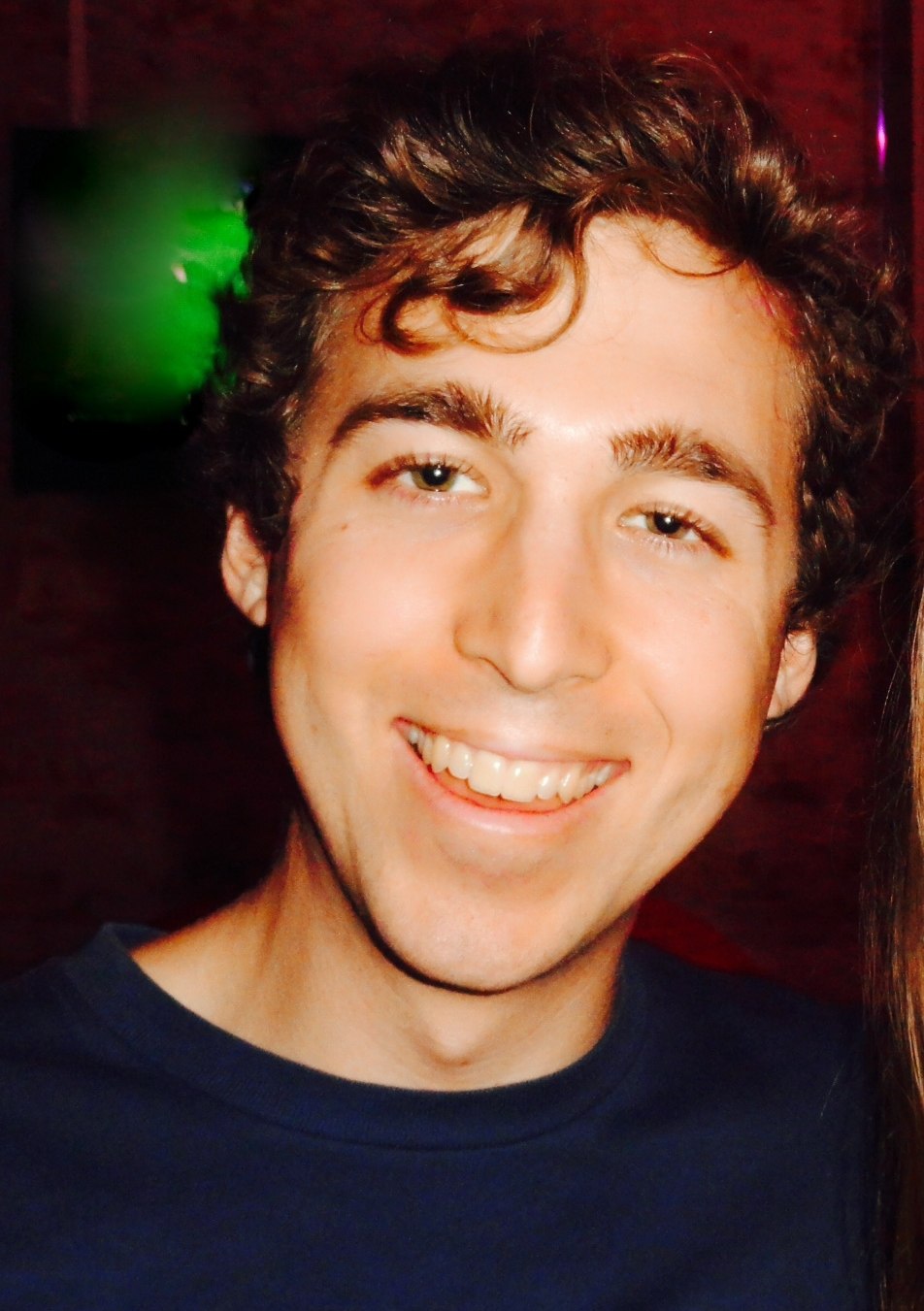
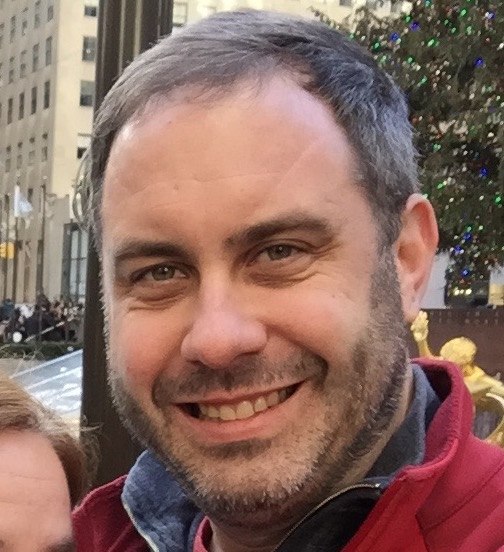
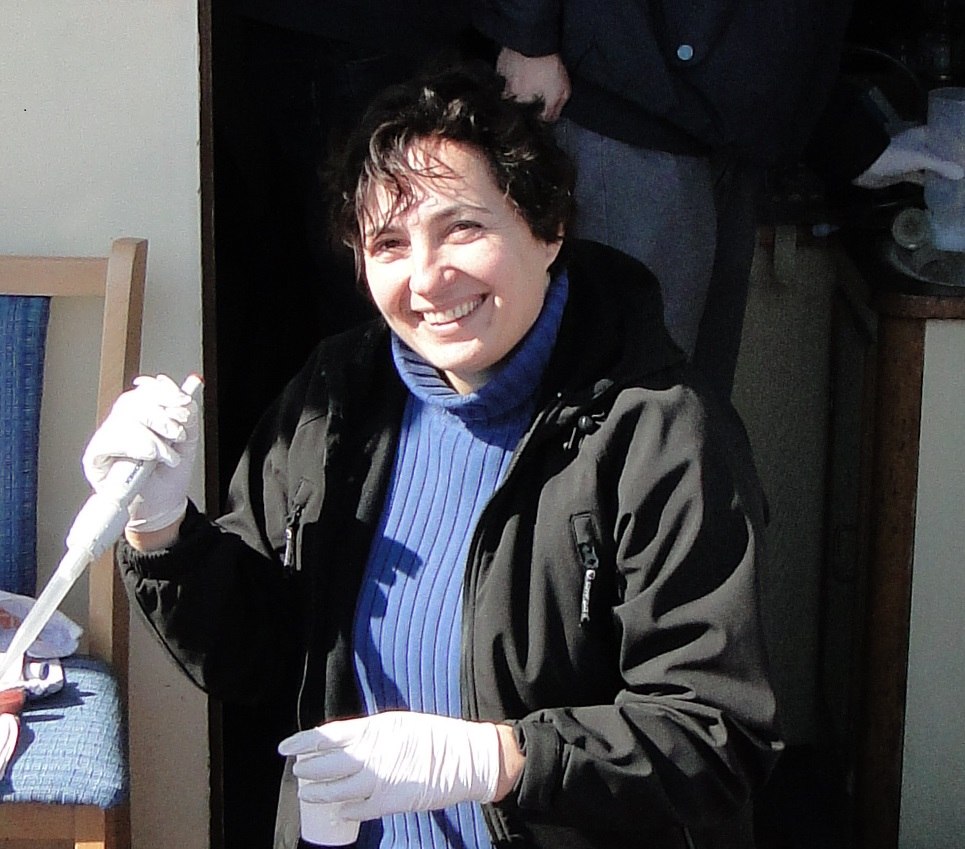
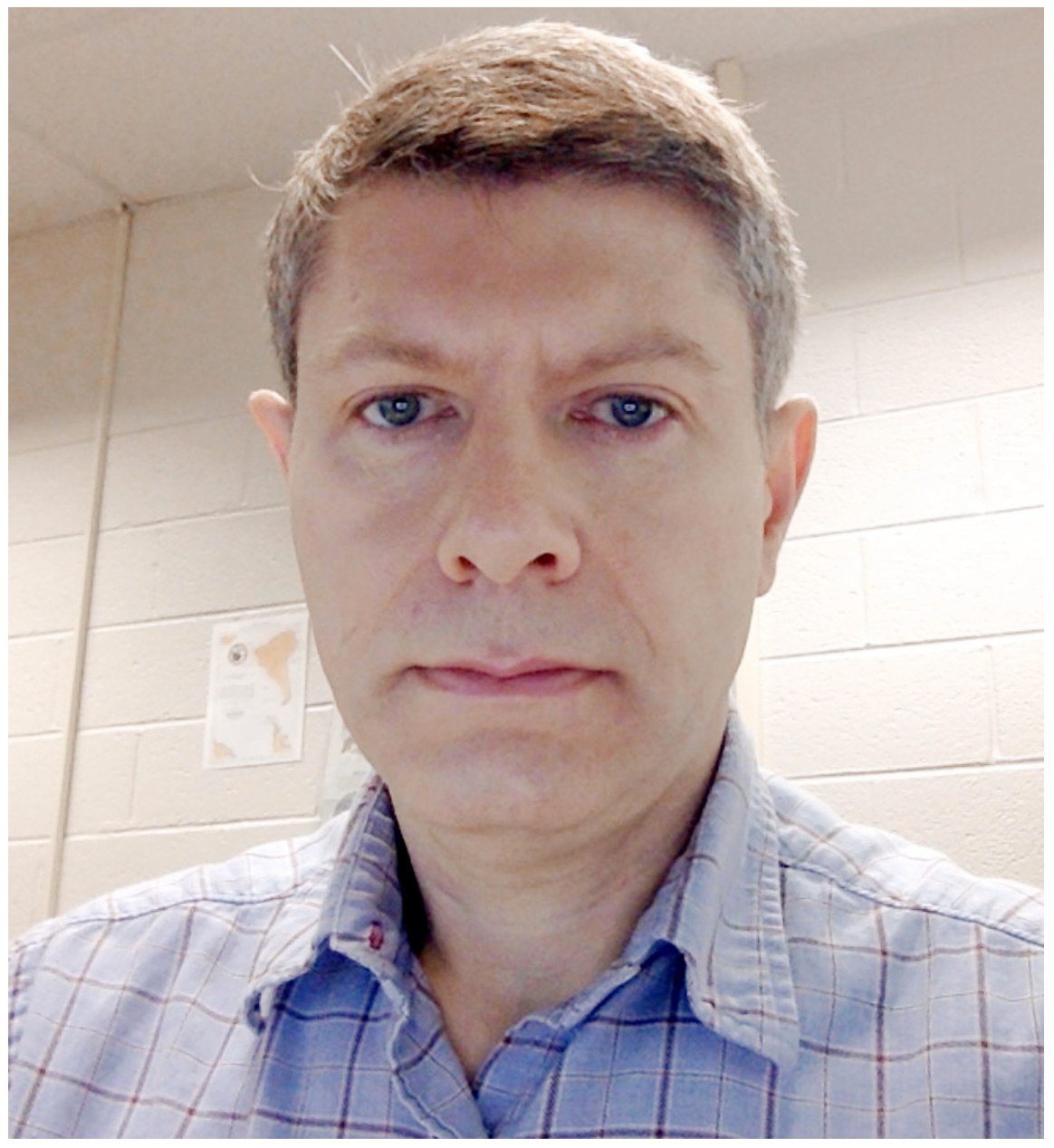
The inability to use remote-sensing (such as imagery gathered by orbiting satellites) with validated certainty deters a cohesive and trustworthy foundation for studies. If this constriction were removed, extrapolating remote-sensing into algorithms and other predictive methods could open massive advances in knowledge of ecosystem dynamics and the ocean’s role in global biological, geological and chemical processes. With the results of this research cruise, Dr. Ivona Cetinić from NASA Goddard Space Flight Center/USRAalong with co-investigators Dr. Wayne Homer Slade, Dr. P. Jeremy Werdell, and Dr. Margaret Estapa are hoping to usher in such advances.
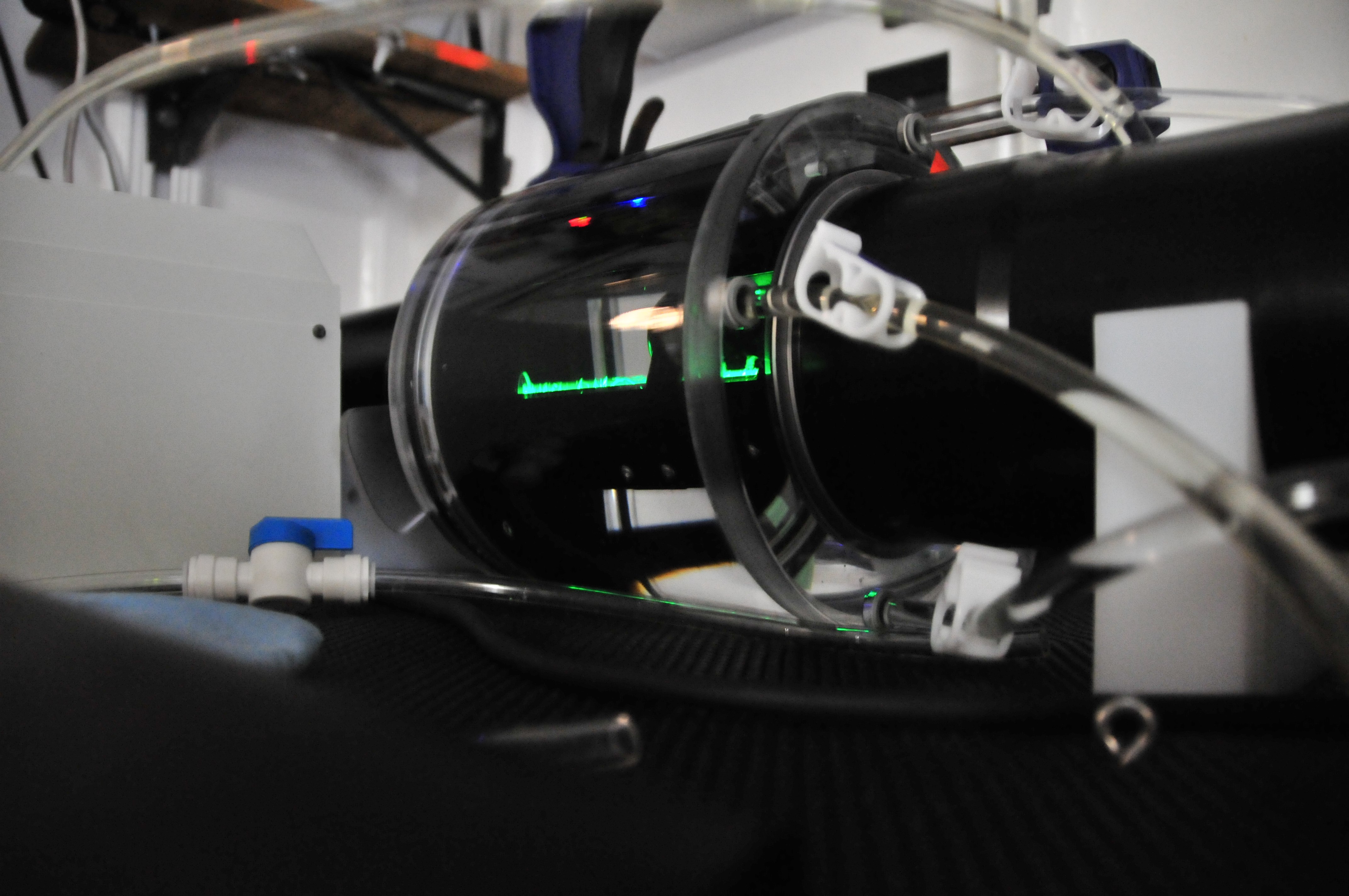
The science team will create a process for unmanned optical measurement of marine particle size distributions and connect them to accompanying carbon export measurements. They will use a prototype instrument to continuously measure surface marine optical properties and particle size distribution. The distributions will then be validated with distinct bio/geochemical and carbon flux measurements and shared through a NASA public data archive. The goal is to make the new data available quickly for development and validation of ocean color satellite algorithms. This will dramatically improve accuracy in remote sensing estimates of marine particle size distributions and computations derived from these estimates.
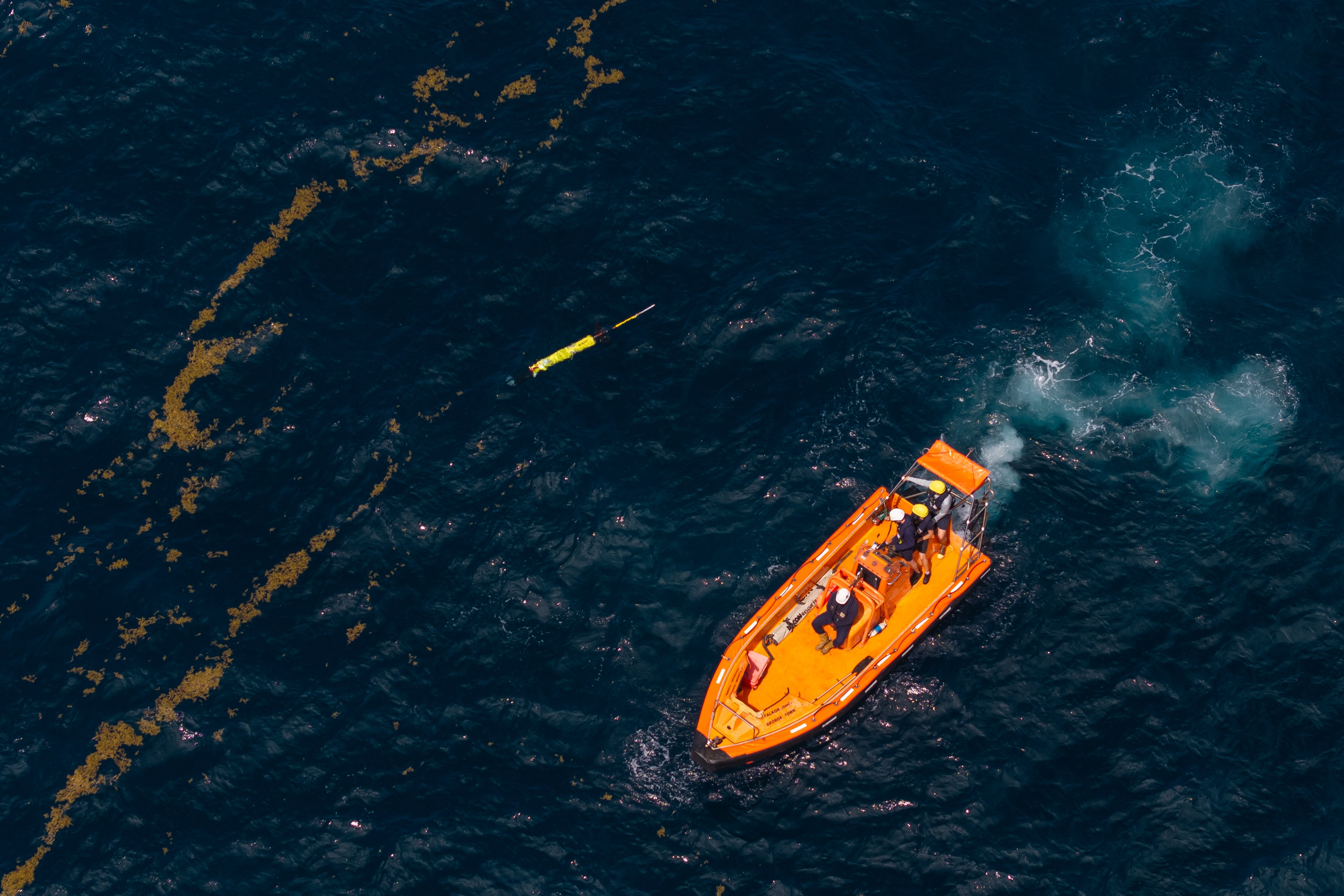
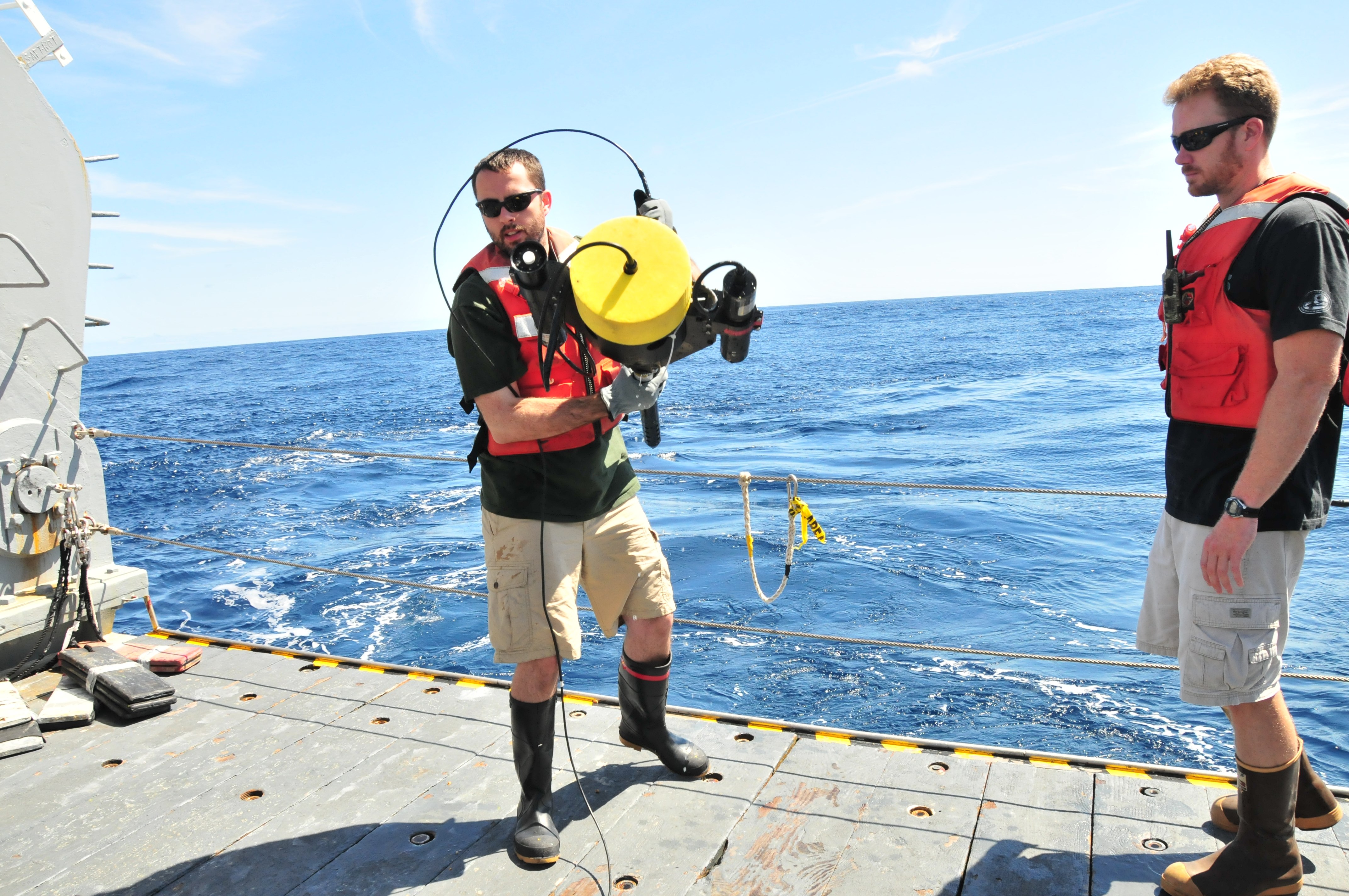
Transiting from Honolulu to Seattle aboard Falkor, the team will use several instruments and tools to gather and measure optical and biogeochemical data from particles. Some will use light to measure qualities such as backscatter (refraction from light scattering due to particles), others will physically collect or filter water, with a CTD rosette or sediment trap. Remote-sensing data will also be gathered by NASA and the United States Geological Survey at the same time, observing the same areas where the team is working. Written by: Logan Mock-Bunting
The material is based upon work supported by NASA under award No. NNH11HP16A.
Team and Collaborators







Explore
Updates from the Ship
All Ship Updates
- 01
A Picture is Worth a Thousand Words
4 March 2017
Read
- 02
What Color is the Ocean? The Sky?
25 February 2017
Read
- 03
Phytoplankton Sampling Strategies
20 February 2017
Read
- 04
Weekly Video ~ Wrapping up the Sea to Space Expedition
19 February 2017
Read
- 05
Science at Sea: Challenges, Silver Linings, and Success
18 February 2017
Read
- 06
The Ocean’s Colors from Space
17 February 2017
Read
- 07
Phytoplankton in Three Phases
16 February 2017
Read
- 08
Maiden Voyages
15 February 2017
Read
- 09
Going With the Flow
14 February 2017
Read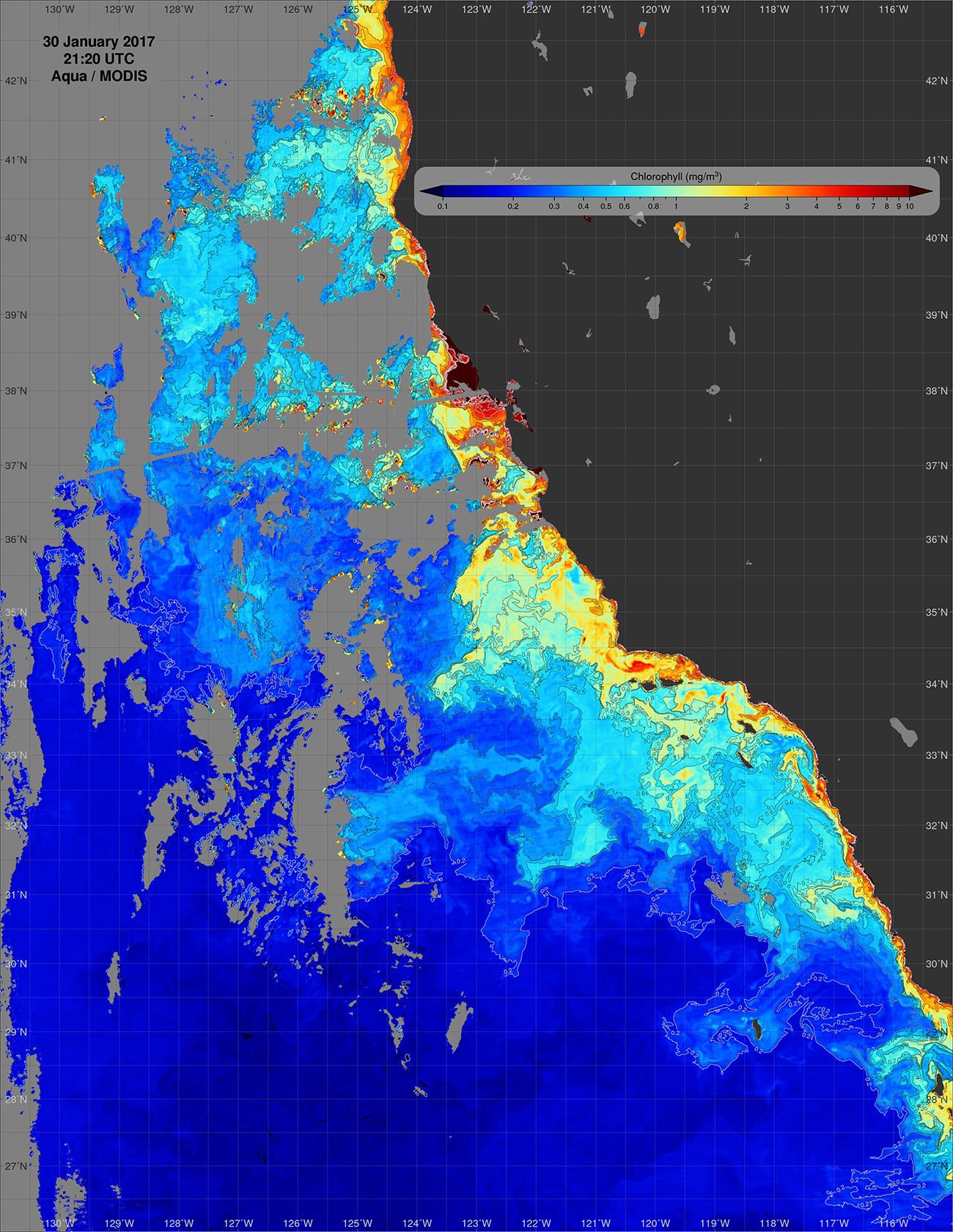
- 10
Weekly Video ~ A Close-Up View
13 February 2017
Read - 11
Measuring the Pulse of the Ocean
12 February 2017
Read
- 12
Video ~ Rough Recovery
11 February 2017
Read
- 13
Every Other Breath
9 February 2017
Read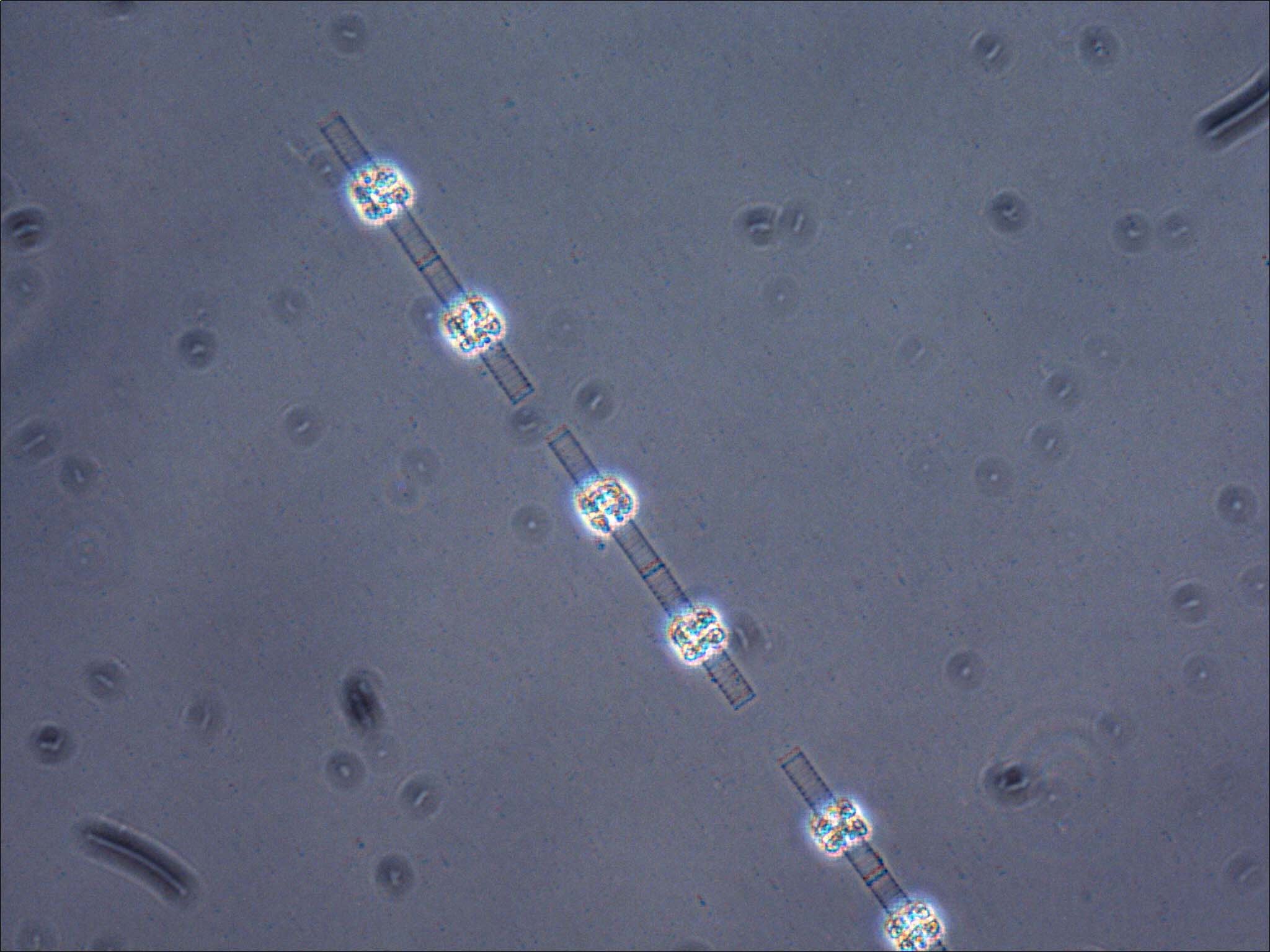
- 14
Sea to Space Trek: Oceans, the Final Frontier
7 February 2017
Read
- 15
Weekly Video ~ Exploring and Explaining Instruments
5 February 2017
Read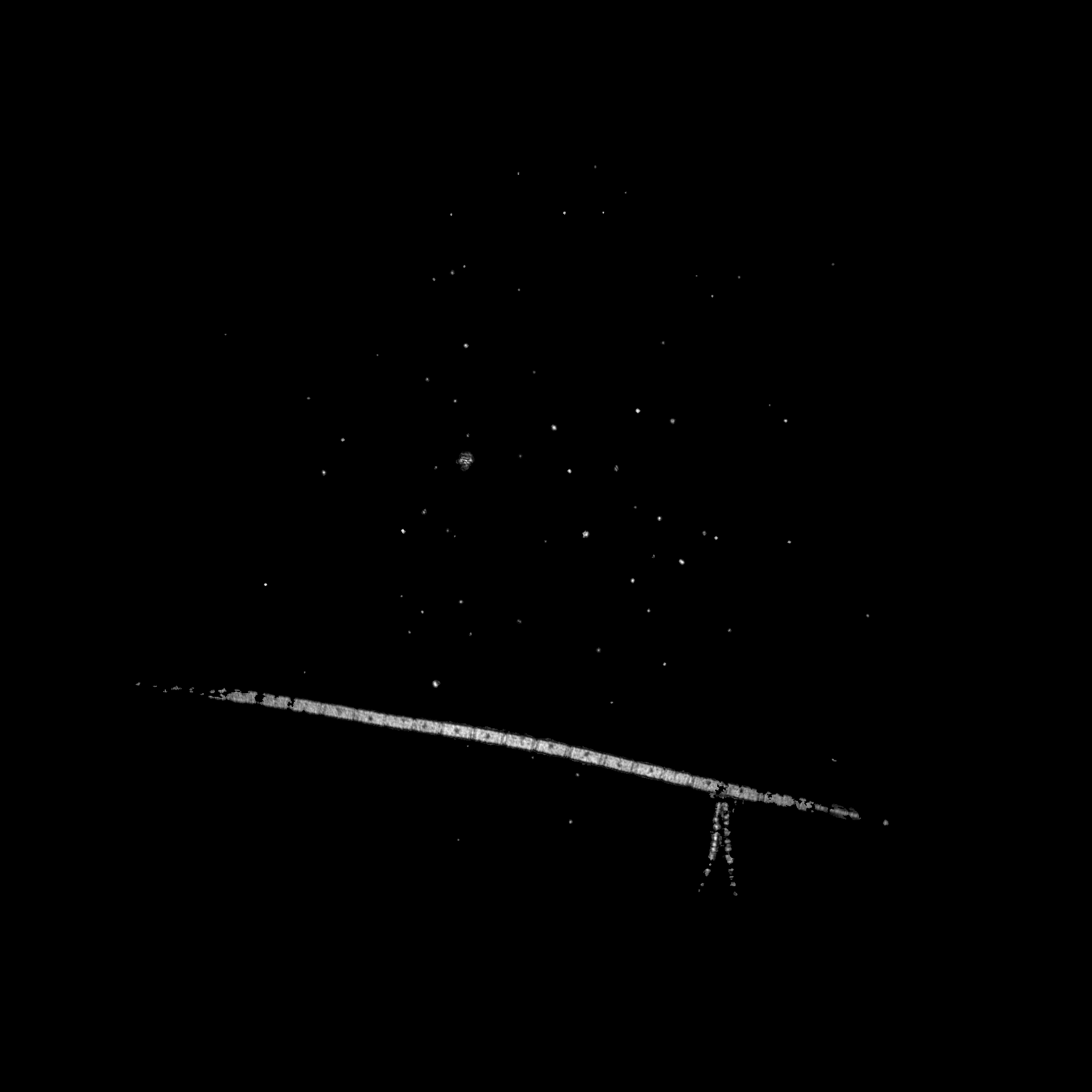
- 16
Zen and the Art of Wirewalker Maintenance
3 February 2017
Read
- 17
Microbes Run the Show
2 February 2017
Read - 18
Taking Sail on a Creative Voyage from Sea to Space
1 February 2017
Read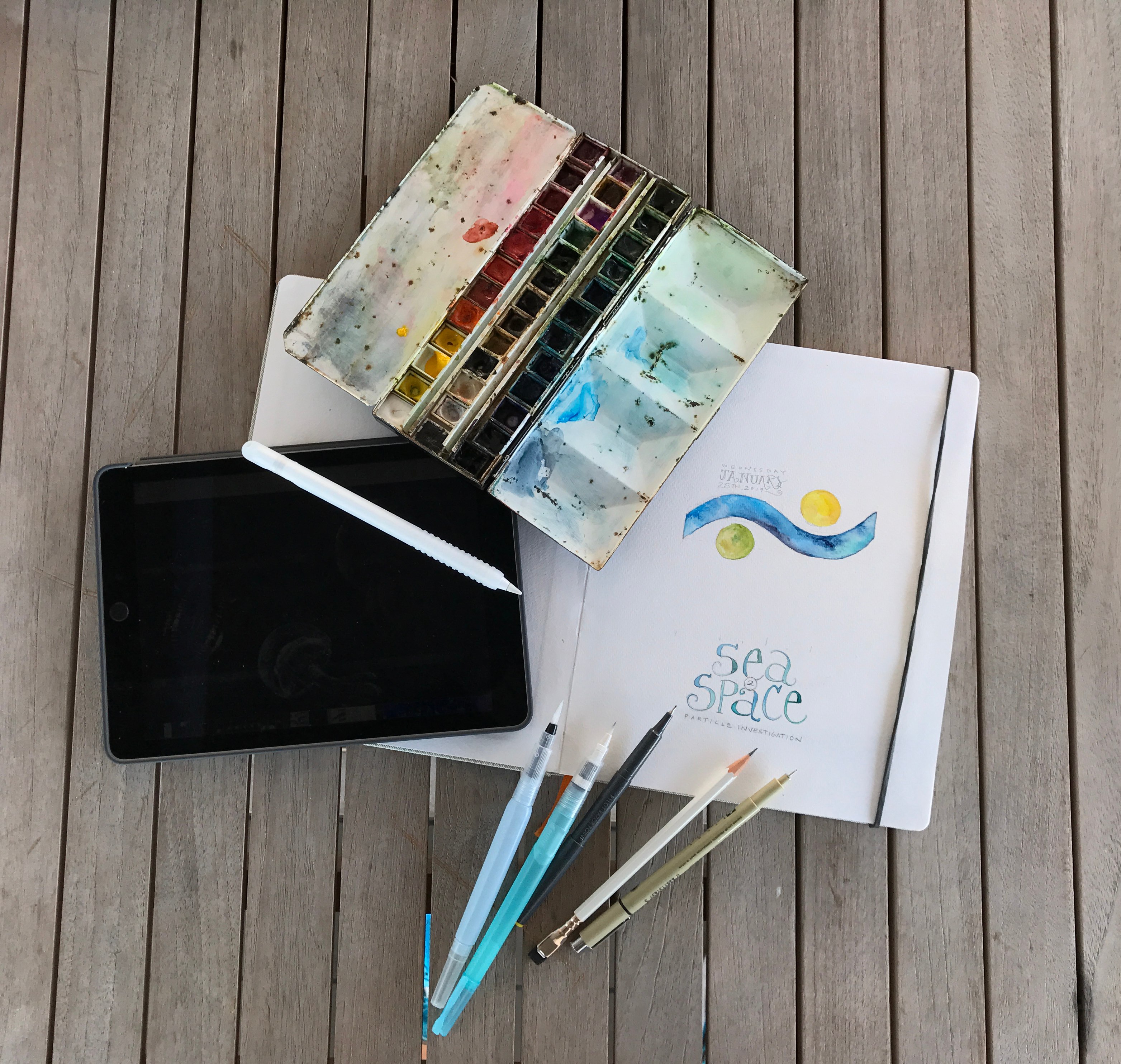
- 19
Science Challenges at Sea: A Plumbing Story
31 January 2017
Read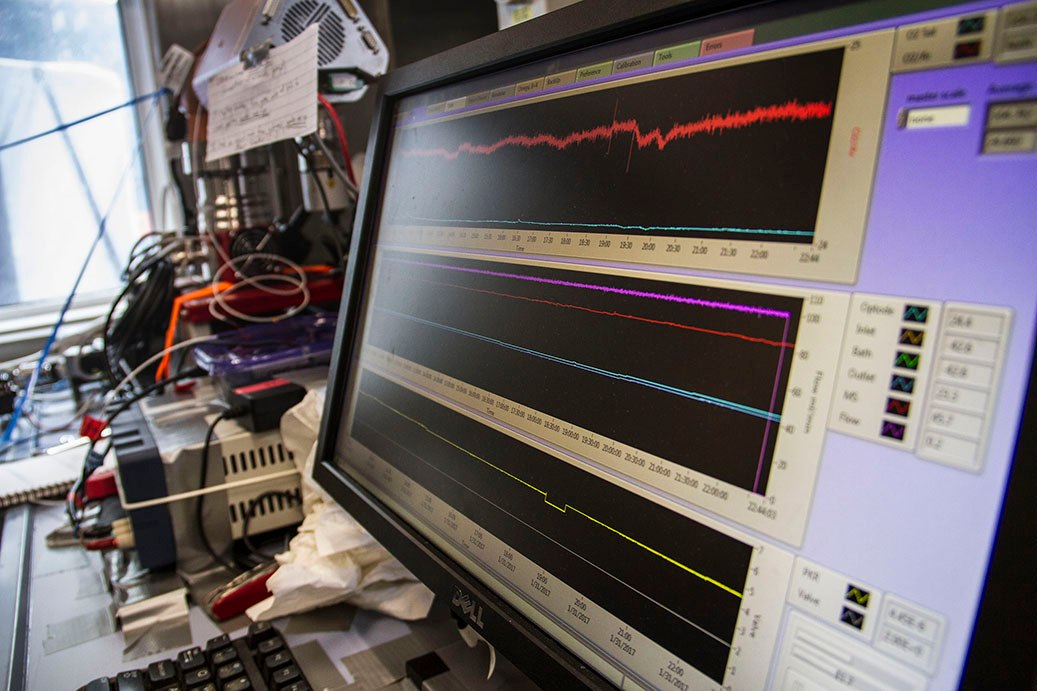
- 20
Sea to Space ~ Introduction Video
30 January 2017
Read
- 21
The Buzz
29 January 2017
Read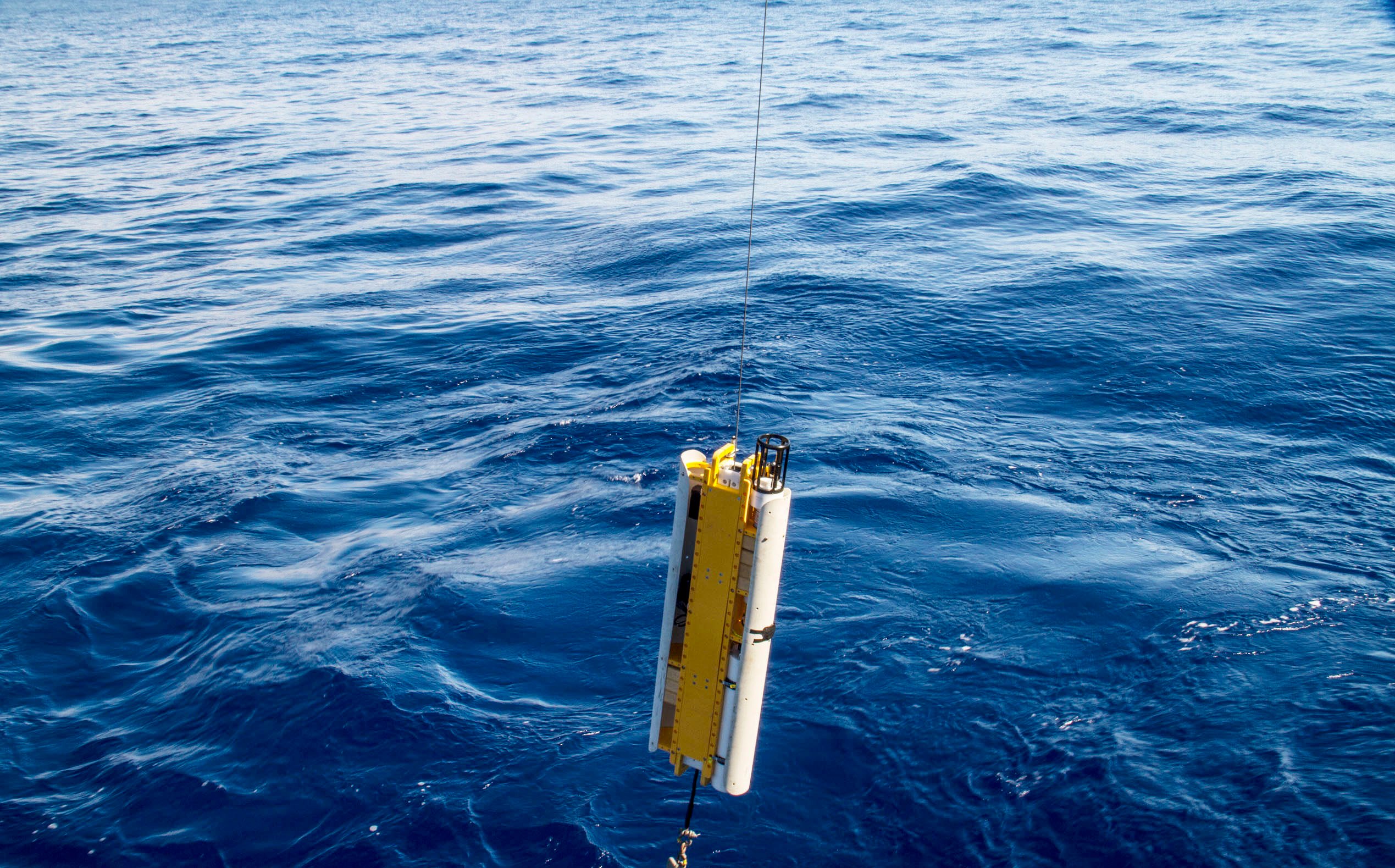
Discover More
Expedition Data
Title  | Type | Repository |
|---|---|---|
| Particle Flux data | Chemical Analysis Data | Biological and Chemical Oceanography Data Management Office (BCO-DMO) |
| Carbon, biogenic Silica, and mass fluxes from Neutrally Buoyant Sediment Trap (NBST) data | Chemical Analysis Data | Biological and Chemical Oceanography Data Management Office (BCO-DMO) |
| Remote sensing data as measured by MODIS Aqua (please search by date of cruise, and/or Lat/Long: N: 48.08, S: 20.49, E: -125.14, W: -157.11) | Remote Sensing | NASA Ocean Biology Processing Group (OBPG) |
| Vessel Underway Data | Oceanographic Property Data | Rolling Deck to Repository (R2R) |
| Remote sensing data as measured by OLCI/Sentinel 3A (please search by date of cruise, and/or Lat/Long: N: 48.08, S: 20.49, E: -125.14, W: -157.11) | Remote Sensing | NASA Ocean Biology Processing Group (OBPG) |
| Remote sensing data as measured by VIIRS (please search by date of cruise, and/or Lat/Long: N: 48.08, S: 20.49, E: -125.14, W: -157.11) | Remote Sensing | NASA Ocean Biology Processing Group (OBPG) |
| Remote sensing data as measured by MODIS Terra (please search by date of cruise, and/or Lat/Long: N: 48.08, S: 20.49, E: -125.14, W: -157.11) | Remote Sensing | NASA Ocean Biology Processing Group (OBPG) |
| Classified particle images | Processed Images | Biological and Chemical Oceanography Data Management Office (BCO-DMO) |
| Wirewalker data | Biological Analysis Data | Biological and Chemical Oceanography Data Management Office (BCO-DMO) |
| ADCP data | Oceanographic Property Data | University of Hawaii SOEST |
| Geltrap micrographs and data from the deployed wirewalker | Other | Biological and Chemical Oceanography Data Management Office (BCO-DMO) |
Publications from This Expedition
Walcutt, N., Knorlein, B., Sgouros, T., and Omand, M. (2017). Bringing Planktonic Holograms to Life with the YURT Ultimate Reality Theatre. Poster Presentation at the Rhode Island EPSCoR Research Symposium, Providence, RI, USA.
Omand, M., Cetinic, I., and Lucas, A. (2017). Using Bio-optics to Reveal Phytoplankton Physiology from a Wirewalker Autonomous Platform. Oceanography 30(2):128-131, doi: 10.5670/oceanog.2017.233.
Cetinic, I., et. al. (2017). Sea to Space Particle Investigation Expedition in the Pacific. Invited Lecture to NASA Goddard Space Flight Center, Sciences and Exploration Directorate Greenbelt, MD, USA.
Cetinic, I., et. al. (2017). Sea to Space Particle Investigation. Poster Presentation at Ocean Carbon Biogeochemistry Summer Workshop, Woods Hole, MA, USA.
Cetinic, I., et. al. (2017). Sea2Space. Invited Colloquium to NASA Goddard Space Flight Center, Education and Communication Greenbelt, MD, USA.
Durkin, C. (2017). Linking Phytoplankton with Sinking Particles and Carbon Export. Invited Lecture to University of California Santa Cruz, Santa Cruz, CA, USA.
Durkin, C., et al. (2017). Linking Surface Phytoplankton with Sinking Particles. Poster Presentation at CLIVAR/OCB Ocean Hotspots Workshop, Moss Landing, CA, USA.
Durkin, C., et. al. (2017). Linking Surface Phytoplankton with Sinking Particles. Poster Presentation at Ocean Carbon Biogeochemistry Summer Workshop, Woods Hole, MA, USA.
Knorlein, B. (2017). From Sea to Space: Application of Virtual Reality in Science. Invited Lecture to NASA Goddard Space Flight Center, Greenbelt, MD, USA.
Ljubešić, Z. (2017). Development of Methods for the Phytoplankton Research in the Adriatic Sea. Invited Lecture to Croatian Academy for Sciences and Arts, Zagreb, CROATIA.
Ljubešić, Z.. (2017). From Microscopes to Telescopes. Invited Lecture toUniversity of Zagreb, Zagreb, CROATIA.
Omand, M. (2017). Carbon Export Processes at Meso- and Submesoscales. Invited Lecture at Ocean Carbon Biogeochemistry Summer Workshop, Woods Hole, MA, USA.
Omand, M. (2017). Diel Rhythms in Phytoplankton Physiology and Marine Snow Export Observed from a Wirewalker Autonomous Platform. Invited Lecture to Rutgers University, New Brunswick, NJ, USA.
Omand, M. (2017). Diel Rhythms in Phytoplankton Physiology and Marine Snow Export Observed from a Wirewalker Autonomous Platform. Invited Lecture to University of Rhode Island, Narragansett, RI, USA.
Schollaert Uz, S. (2017). Microscopic Life in a Moving Ocean. Invited Lecture toBaltimore Science Fiction Convention, Baltimore, MD, USA.
Visic, H. (2017). Chemotaxanomic and Morphological Approach to Phytoplankton Analyses in Contrasting Trophic Systems of North Pacific. Masters of Science Thesis at the University of Zagreb.
Walcutt, N., et. al. (2017). Assessment of Holographic Microscopy for Quantifying Marine Particles. Poster Presentation at Ocean Carbon Biogeochemistry Summer Workshop, Woods Hole, MA, USA.
Walcutt, N., Knorlein, B., Sgouros, T., and M. Omand. (2017). Bringing Planktonic Holograms to Life with the YURT Ultimate Reality Theatre. Poster Presentation at Rhode Island EPSCoR Research Symposium, Providence, RI, USA.
Bosak, S., et al. (2017). Phytoplankton Species Composition Contributing to Carbon Export - Sea to Space Particle Investigation. Poster Presentation at 11th International Phycological Congress, Szczecin, POLAND.
Berthelot, H., Duhamel, S., L'Helguen, S., Maguer, J., Wang, S., Cetinic, I., and N. Cassar. (2018). NanoSIMS single cell analyses reveal the contrasting nitrogen sources for small phytoplankton. ISME, doi: 10.1038/s41396-018-0285-8.
Walcutt, N., Knorlein, B., Sgouros, T., Cetinic, I., and Omand, M. (2019). Virtual Reality and Oceanography: Overview, Applications, and Perspective. Front. Mari. Sci. 6:644, doi: 10.3389/fmars.2019.00644.
Walcutt, N., Knorlein, B., Cetinic, I., Ljubesic, Z., Bosak, S., Sgouros, T., et. al. (2020). Assessment of holographic microscopy for quantifying marine particle size and concentration. Limnol. and Oceanogr.: Methods, doi: 10.1002/lom3.10379.
Durkin, C., Buesseler, K., Cetinić, I., Estapa, M., Kelley, R., and Omand, M. (2021). A Visual Tour of Carbon Export by Sinking Particles. Global Biogeochemical Cycles, 35:10, doi: 10.1029/2021GB006985.
[This Article was published OPEN ACCESS]Durkin, C., Cetinić, I., Estapa, M., Ljubešić, Z., Mucko, J., Neeley, A., and Omand, M. (2022). Tracing the Path of Carbon Export in the Ocean Through DNA Sequencing of Individual Sinking Particles, The ISME Journal, doi: 10.1038/s41396-022-01239-2.
[This Article was published OPEN ACCESS]Matek, A., Bosak, S., Supraha, L., Neeley, A., Visic, H., Cetinic, I. and Ljubesic, Z. (2023). Phytoplankton diversity and chemotaxonomy in contrasting North Pacific ecoystems. PeerJ 11, doi: 10.7717/peerj.14501.
[This Article was published OPEN ACCESS]Estapa, M., Durkin, C., Slade, W., Huffard, C., O'Neill, S., and Omand, M. (2023). A new, global optical sediment trap calibration. LImnol. Oceanogr. Methods. doi: 10.1002/lom3.10592.
[This Article was published OPEN ACCESS]