


0 results for
- Type in the search bar to begin searching the site.
Expeditions
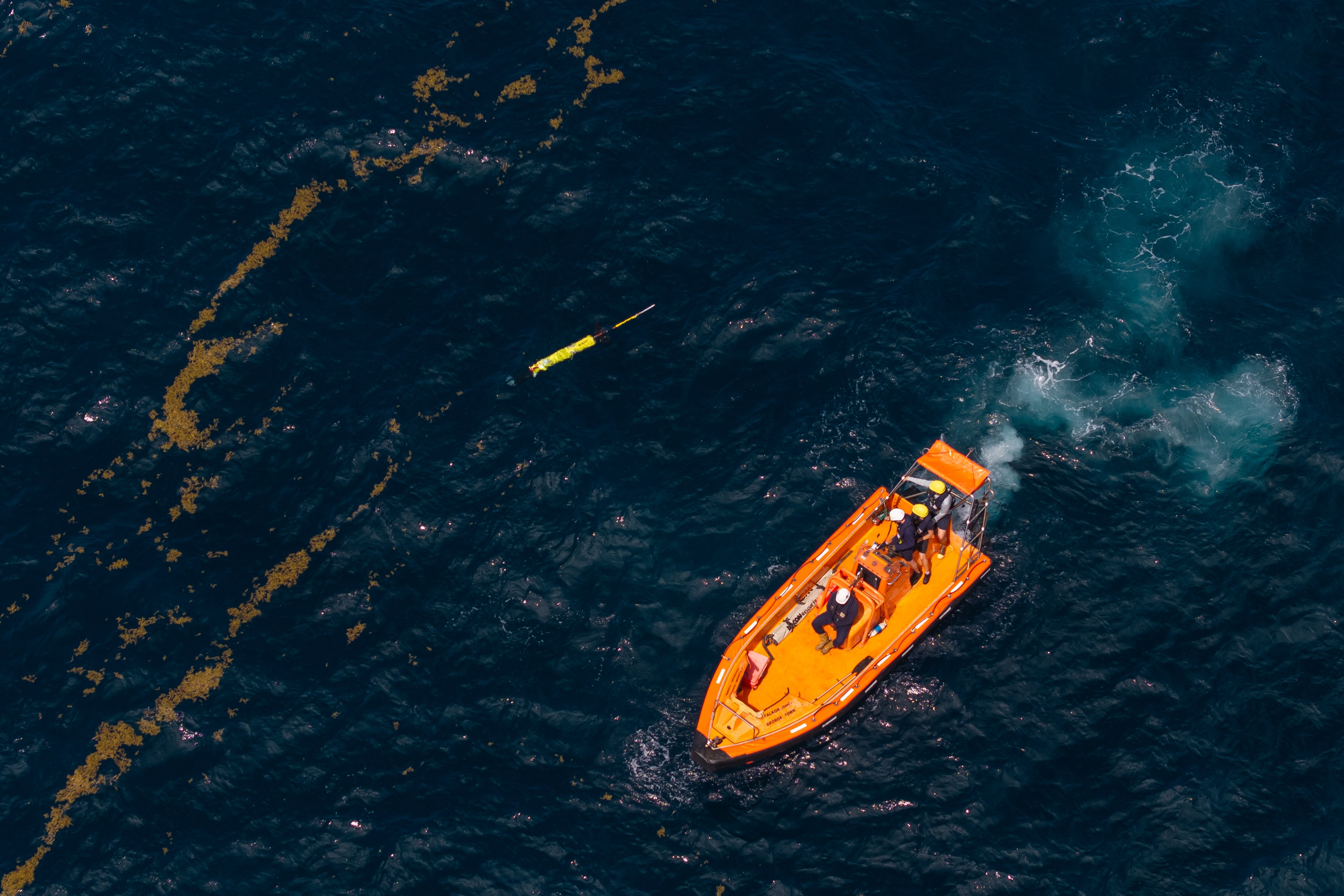
In the coming years, our expeditions will explore understudied regions around all seven continents in our global Ocean.
Latest Expedition
See all
Programs
From grants for caregivers to an artist-at-sea residency, our programs strive to deepen knowledge and inspire a connection with our planet’s life support system.
Latest Expedition
See all
Science Team Resources
To help you plan for your expedition, this hub includes information about outreach, technical specifications for our robotic platforms, a list of lab equipment, information about accessing data repositories, and more.
Latest Expedition
See all
- Our Team

Expeditions & Roles
Wayne Slade
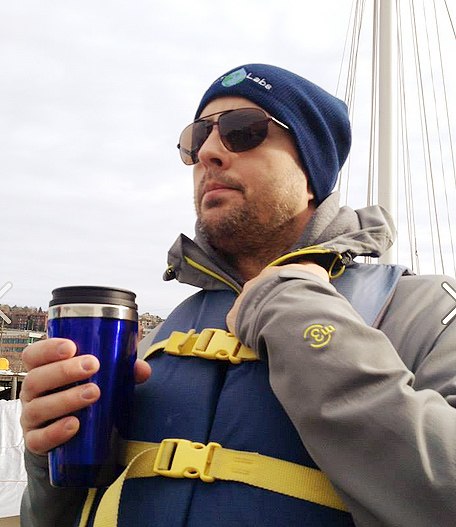
Wayne Slade is an oceanographer and engineer interested in understanding particles in the coastal and open oceans. These particles can range from small to large plankton, their detritus, sediments, and aggregates of all the above, “marine snow”—a key component of the “biological pump” responsible for moving carbon through the atmosphere into the ocean and ultimately sequestered to the deep sea. Specifically, Wayne develops technologies for characterizing these particles in the ocean using multi-wavelength, multi-angle, and polarized optical scattering measurements. Wayne has extensive experience in designing and deploying optical sensor systems in coastal and open ocean environments, in design and execution of laboratory studies using optical sensors, in the analysis of data from field and laboratory experiments, and in theoretical modeling of the optical properties of particles. Wayne is an early career scientist, having received a Ph.D. in Oceanography in 2011 from the University of Maine, focused on ocean particle optics, and M.S. in Electrical Engineering in 2004, focused on signal and image processing and intelligent algorithm design. During the Sea to Sky Particle Investigation he will deploy a prototype sensor for measuring particles ranging in size from sub-micron pico-phytoplankton to micro-phytoplankton, compare the measurements with other sensor technologies, and investigate the extension of particle size measurements to ocean color remote sensing.