


0 results for
- Type in the search bar to begin searching the site.
Expeditions
In the coming years, our expeditions will explore understudied regions around all seven continents in our global Ocean.
Latest Expedition
See all
Programs
From grants for caregivers to an artist-at-sea residency, our programs strive to deepen knowledge and inspire a connection with our planet’s life support system.
Latest Expedition
See all
Science Team Resources
To help you plan for your expedition, this hub includes information about outreach, technical specifications for our robotic platforms, a list of lab equipment, information about accessing data repositories, and more.
Latest Expedition
See all
- Our Team

Expeditions & Roles
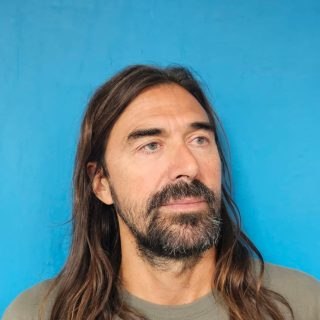
Ricardo Silva
Dr. Ricardo Silva works at the National Institute of Fisheries Research in Argentina. He has been studying (since 1999) phytoplankton (especially the small fractions) composition and dynamics at the EPEA time-series station (38°28' S 57°42' W), and in different areas of our shelf waters. He uses light (Utermöhl), fluorescence, and electron microscopy, flow cytometry, and molecular techniques to identify and quantify these algae. He has estimated the amount of carbon and its implications in marine food webs from the cell numbers. He is examining the primary physical, chemical, and biological factors that regulate phytoplankton biomass and diversity in the area. As part of the Falkor (too) expedition “A Tale of Two Submarine Canyons,” he is studying phytoplankton communities “in situ” during the cruise by Image particle analysis through enumeration and classification by FlowCAM.