


0 results for
- Type in the search bar to begin searching the site.
Expeditions
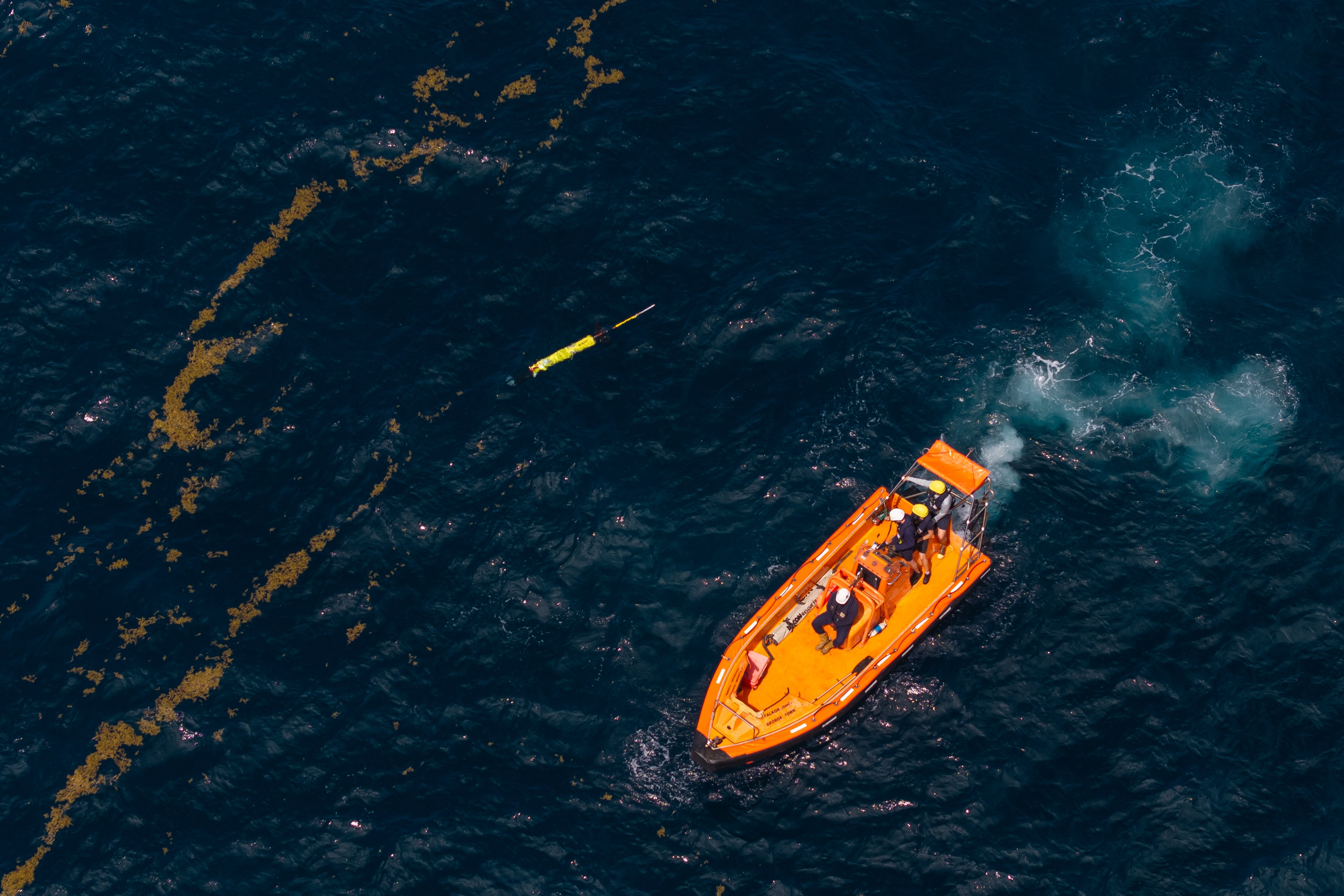
In the coming years, our expeditions will explore understudied regions around all seven continents in our global Ocean.
Latest Expedition
See all
Programs
From grants for caregivers to an artist-at-sea residency, our programs strive to deepen knowledge and inspire a connection with our planet’s life support system.
Latest Expedition
See all
Science Team Resources
To help you plan for your expedition, this hub includes information about outreach, technical specifications for our robotic platforms, a list of lab equipment, information about accessing data repositories, and more.
Latest Expedition
See all
- Our Team

Expeditions & Roles
Stephanie Waterman
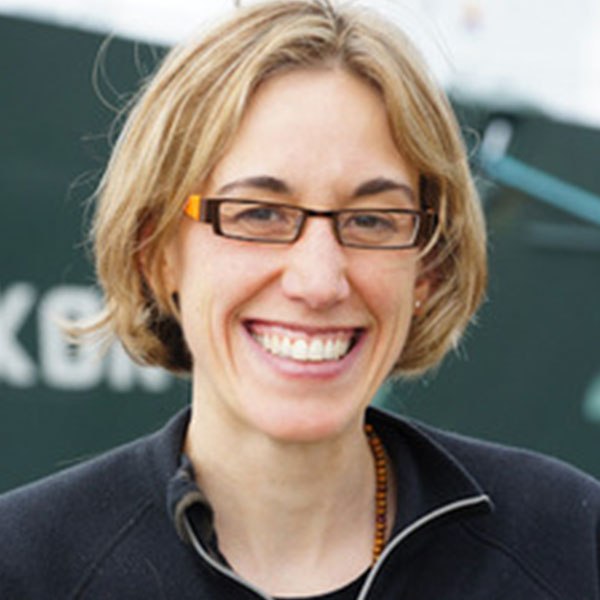
Professor Stephanie Waterman is a physical oceanographer and a new faculty member in the Department of Earth, Ocean and Atmospheric Sciences at the University of British Columbia. Her research interests are in combining observational and theoretical oceanography to better understand how different components of ocean circulation, operating at different time and length scales, interact, and how these interactions impact the big picture. She has been involved in a number of international observational campaigns in the North Atlantic, North Pacific and Southern Oceans. Stephanie holds a Ph.D. from the Massachusetts Institute of Technology and Wood Hole Oceanographic Institution, and has been a Research Fellow in the Ocean Observing and Climate group at the National Oceanography Centre (UK), the Grantham Institute for Climate Change at Imperial College London, and the ARC Centre of Excellence for Climate System Science (Australia). During this Falkor expedition, she is working with the various observations collected to help better understand the physical processes responsible for setting the pathways of the low oxygen water from the open ocean to the inner sea, and the mixing of open ocean and continental shelf waters.