


0 results for
- Type in the search bar to begin searching the site.
Expeditions
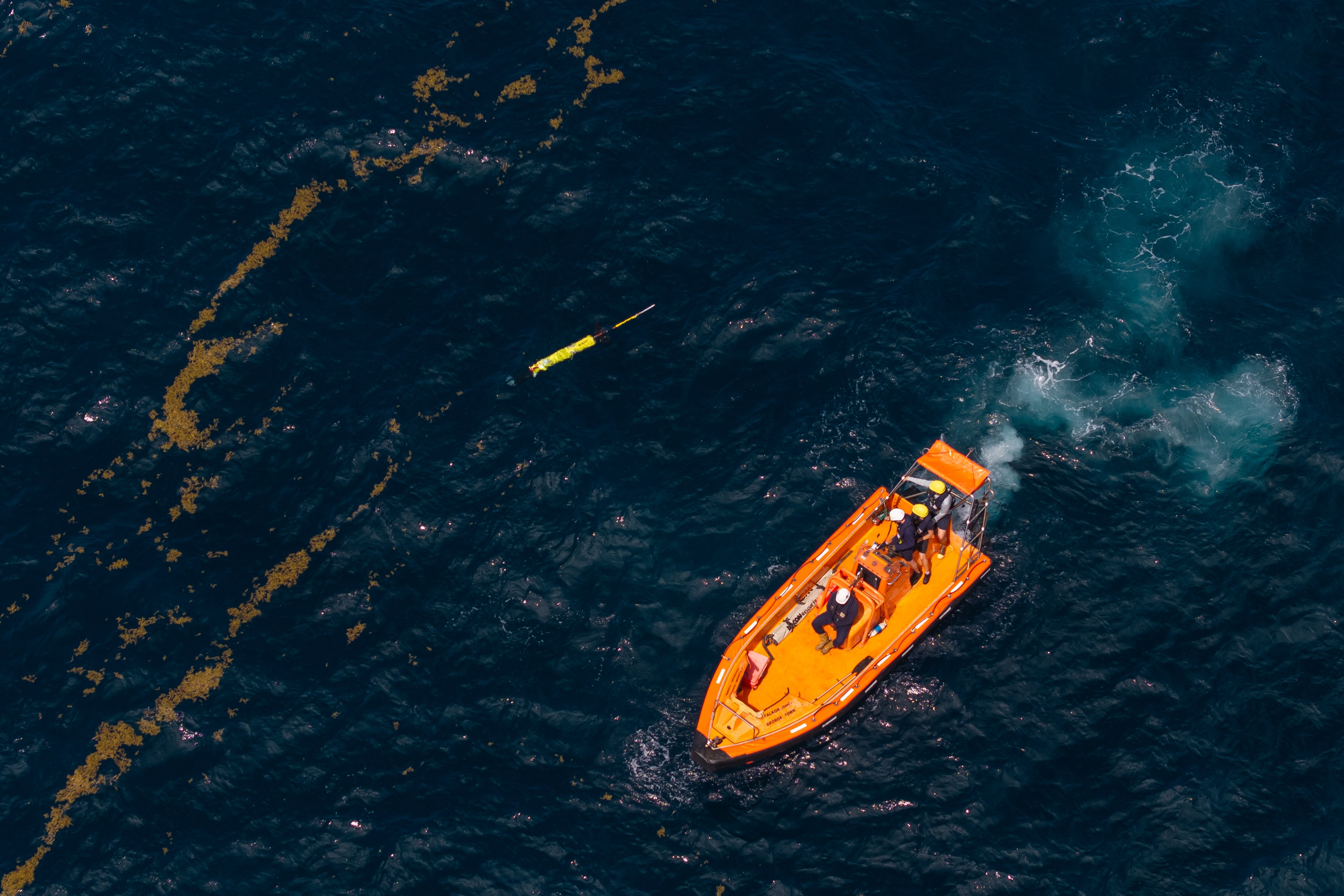
In the coming years, our expeditions will explore understudied regions around all seven continents in our global Ocean.
Latest Expedition
See all
Programs
From grants for caregivers to an artist-at-sea residency, our programs strive to deepen knowledge and inspire a connection with our planet’s life support system.
Latest Expedition
See all
Science Team Resources
To help you plan for your expedition, this hub includes information about outreach, technical specifications for our robotic platforms, a list of lab equipment, information about accessing data repositories, and more.
Latest Expedition
See all
- Our Team

Expeditions & Roles
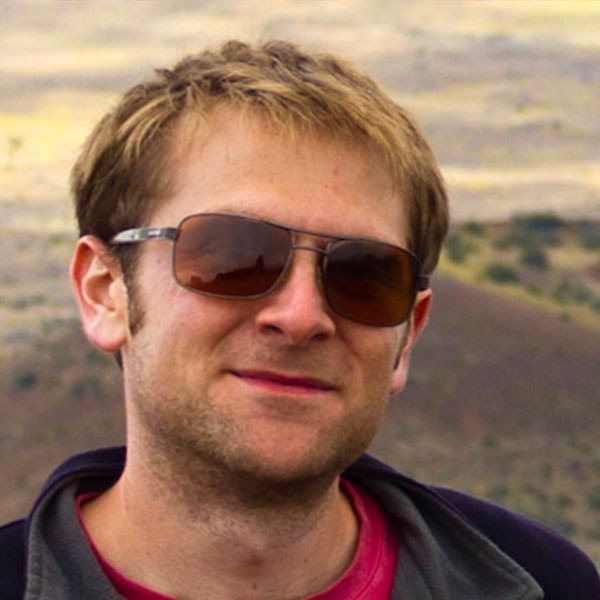
Tristan Horner
Dr. Tristan J. Horner is an Agouron Institute Postdoctoral Fellow at Woods Hole Oceanographic Institution in Cape Cod, Massachusetts. He started at Woods Hole as a Postdoctoral Scholar in 2012 and will join the Scientific Staff in 2016. His research aims to understand the form, function, and history of the oceans biological carbon cycle and how it is written into the geological record. Tristan’s research into the carbon cycle exploits the dual roles of ‘trace metals’ in seawater. Certain metals act as nutrients to marine organisms—metal scarcity affects the cycling of other major nutrients like nitrate or phosphate. Other metals are powerful tracers of marine processes and can be ‘read’ from the rock record to reconstruct Earth’s past. Metal abundances thus shape marine ecosystems, and can regulate and record the history of the carbon cycle. Tristan graduated with an M.Sci. in Geology & Geophysics from Imperial College London in 2008 before studying at the University of Oxford, where he received his D.Phil. in 2012. He is also a Science Fellow for the National Network for Ocean and Climate Change Interpretation, which aims to establish a cohort of skilled professionals that can effectively communicate climate science to the public.