


Dive In
About the Expedition
Rising temperatures, ocean acidification, and overfishing have now gained widespread notoriety as human-caused phenomena that are changing our seas.
- Dive Markers
- Trackline
The Mission
Rising temperatures, ocean acidification, and overfishing have now gained widespread notoriety as human-caused phenomena that are changing our seas. In recent years, scientists have increasingly recognized that there is yet another ingredient in that deleterious mix: a process called deoxygenation that results in less oxygen available in our seas.
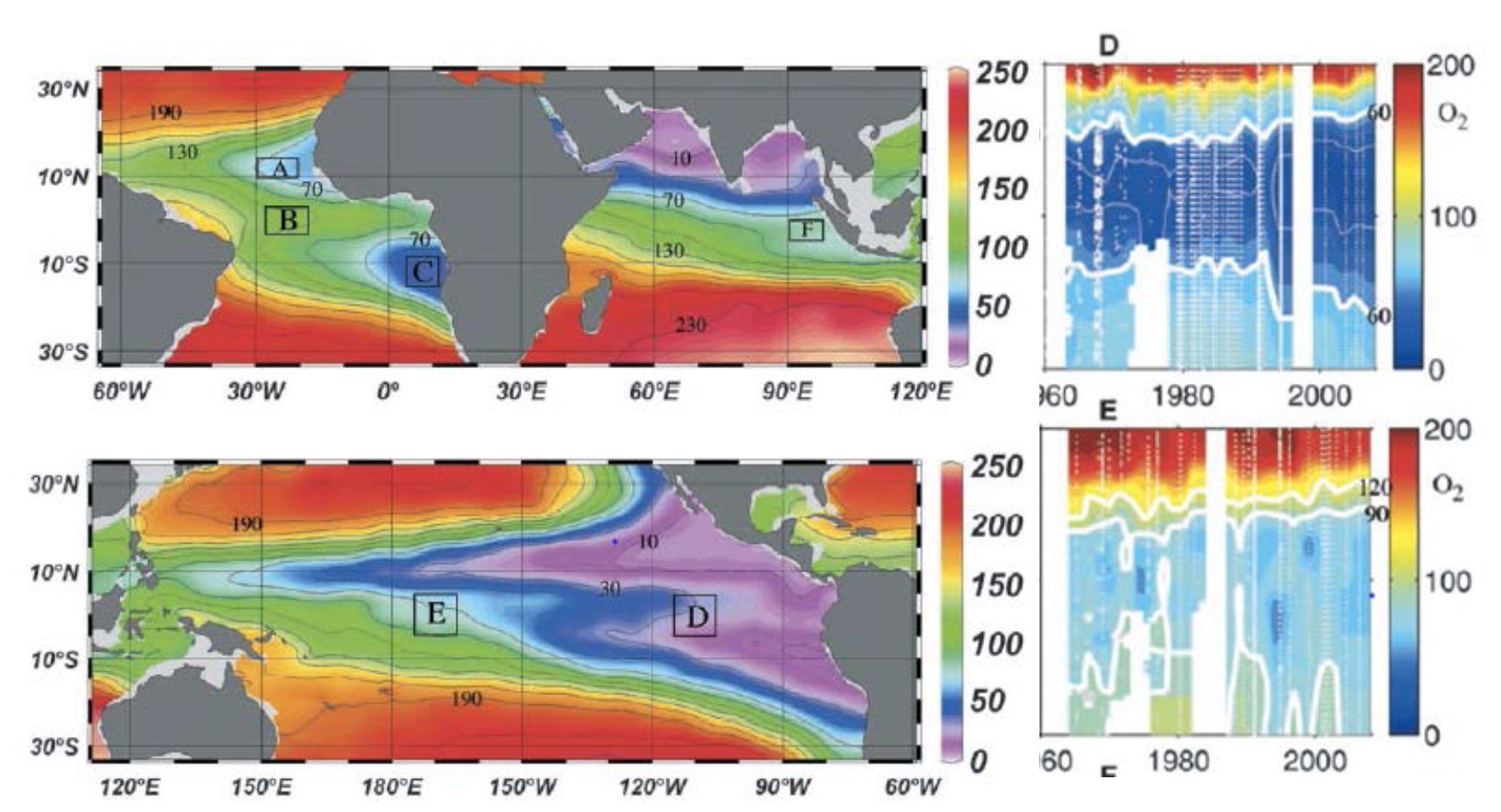
Large-scale ocean circulation naturally results in low-oxygen areas of the ocean called oxygen deficient zones (ODZs). The cycling of carbon and nutrients – the foundation of marine life, called biogeochemistry – is fundamentally different in ODZs than in oxygen-rich areas. Because researchers think deoxygenation will greatly expand the total area of ODZs over the next 100 years, studying how these areas function now is important in predicting and understanding the oceans of the future. This first expedition of 2016 led by Dr. Mak Saito from the Woods Hole Oceanographic Institution (WHOI) along with scientists from University of Maryland Center for Environmental Science, University of California Santa Cruz, and University of Washington aimed to do just that, investigate ODZs.
During the 28 day voyage named "ProteOMZ," researchers aboard R/V Falkor traveled from Honolulu, Hawaii to Tahiti to describe the biogeochemical processes that occur within this particular swath of the ocean’s ODZs. By doing so, they contributed to our greater understanding of ODZs, gathered a database of baseline measurements to which future measurements can be compared, and established a new methodology that could be used in future research on these expanding ODZs.
Sea Change
Established, natural ODZs are relatively low in dissolved oxygen due to factors like local temperature and how much mixing occurs between the upper and subsurface ocean layers. People are now contributing to the expansion of non-natural ODZs in two main ways: on a smaller scale in estuaries and coastal environments through fertilizer pollution (which results in highly harmful “dead zones”), and on a larger scale through greenhouse gas emissions that result in climate change. As ocean temperatures warm, the water holds less oxygen. At the same time, warmer temperatures increase microbial populations’ overall respiration; the combination of these two effects result in widespread oxygen depletion. Research suggests that ODZs have already expanded in tropical ocean basins and in the subarctic Pacific. This expansion of oxygen deficient zones could compress the available habitat for larger marine species and change the global ocean’s biogeochemical balance.
Biogeochemistry: The Foundation for Life
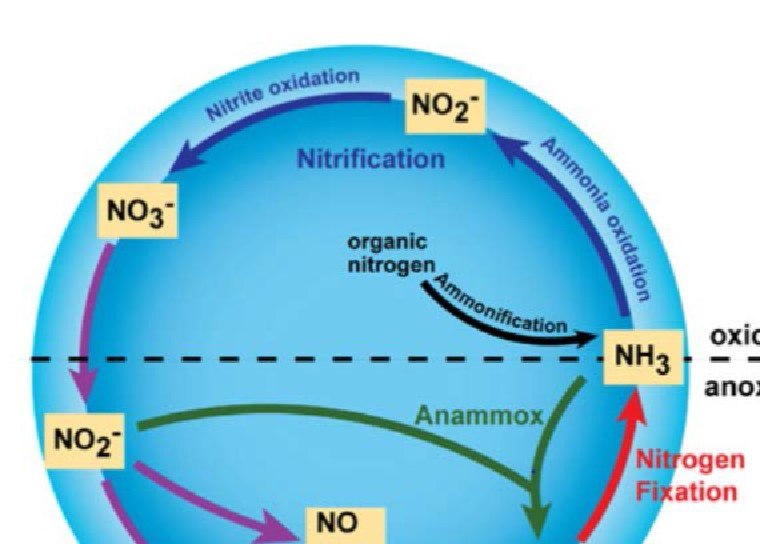
Most of us are acquainted with the biogeochemical process of photosynthesis, the uptake of carbon and production of oxygen that is vital for life on Earth. However, there are many other biogeochemical processes of similar importance – and the biogeochemical reactions that take place in ODZs are quite different from the ones where photosynthetic microbes are dominant. With little oxygen available, microbial life within these zones must generate energy from nitrogen instead. This means that microbiota that live within ODZs are responsible for the biogeochemical reactions that are critical for the cycling of nitrogen, a necessary element for all marine life in the global ocean. These reactions include the cycling of ammonia and nitrite, the oxidation of urea, as well as the denitrifying reactions that remove fixed nitrogen from the oceans – a process that, if left incomplete, produces the potent greenhouse gas (N2O).
In addition to nitrogen, the scientists on this expedition were interested in analyzing the biogeochemistry of mercury – a toxic metal that humans are primarily exposed to through eating fish. Mercury cycling is not well understood, however, researchers believe that important parts of the process occur in in low-oxygen waters, and thus think the expansion of ODZs could eventually result in increased mercury levels in our seafood.
Proteomics: A New Methodology
The science party also investigated the biogeochemistry of ODZs using a variety of well-established tactics that include chemical and biological measurements. One of the most interesting strategies used is proteomics, the study of protein structures and functions. Proteomics are not regularly used in marine biogeochemistry, but the scientists think they are a helpful way to directly measure the microbial enzymes involved in biogeochemical reactions. The use of proteomics in conjunction with chemical measurements allows researchers to better connect the biological and chemical components of the elemental cycles. By employing this relatively new methodology, the team could better understand the biogeochemical processes of ODZs, and laid down the groundwork for others to apply proteomics to biogeochemical processes elsewhere.
Our oceans are changing and, in order to anticipate the marine biogeochemical processes that will take place in the future, we need to understand the ones that are taking place now. The goal of this cruise was to provide that needed snapshot of life in oxygen deficient zones and test a new method that can provide a model for future research.
Research activities for this expedition were funded by the Gordon and Betty Moore Foundation, the Sloan Foundation, and the National Science Foundation
Team and Collaborators







Explore
Updates from the Ship
All Ship Updates
- 01
Story by Story
12 February 2016
Read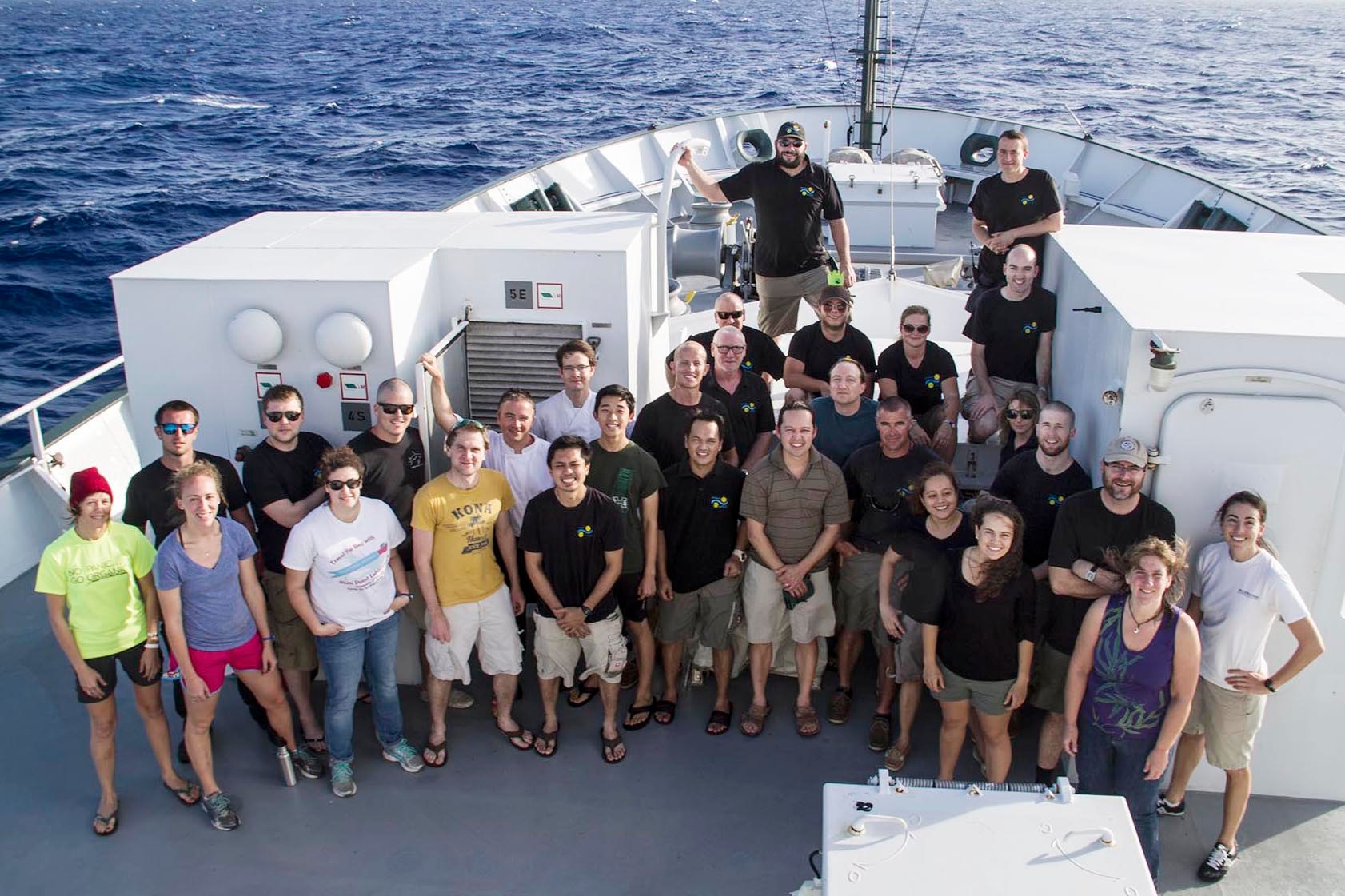
- 02
Artist-at-sea: Wrap Up
11 February 2016
Read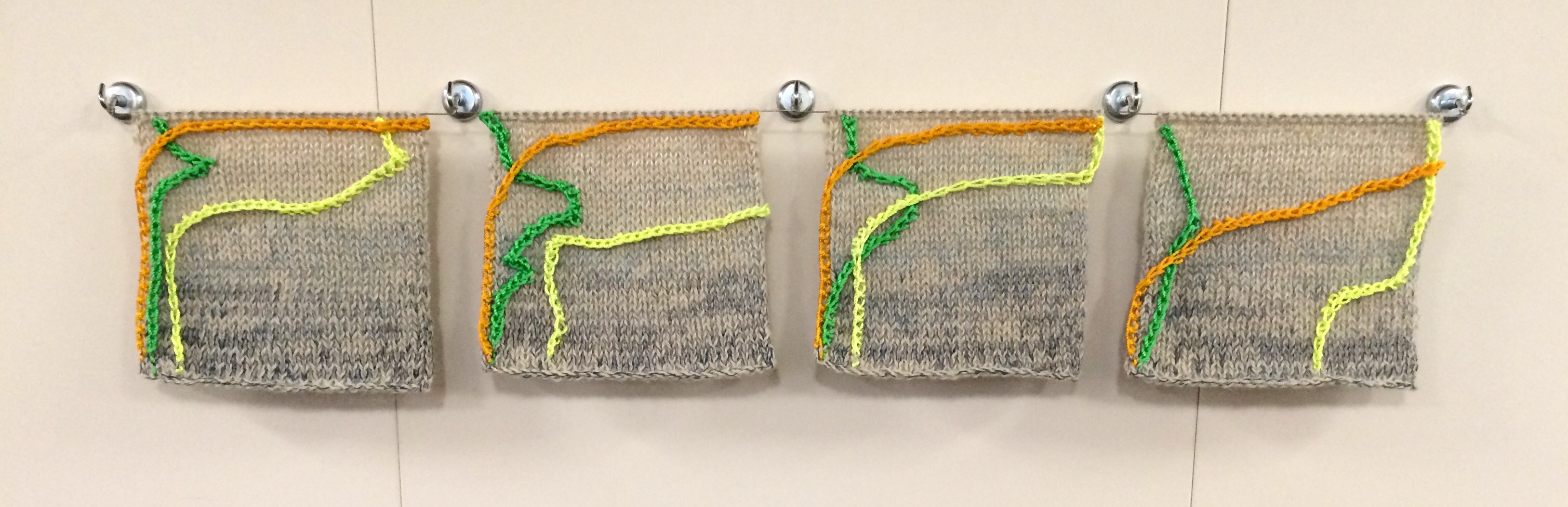
- 03
Video: Retrospective
7 February 2016
Read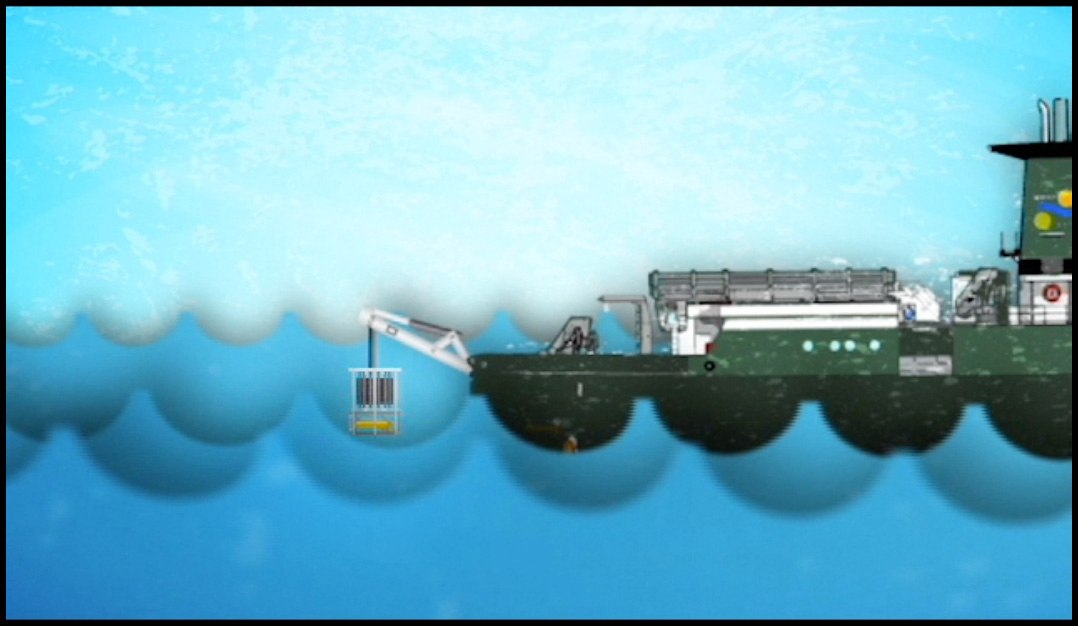
- 04
Student Opportunity Update: To Be Continued
5 February 2016
Read
- 05
Podcast - Q&A from the 5th grade
3 February 2016
Read
- 06
Video: Lab Work
2 February 2016
Read
- 07
Halfway Point: Artist-at-Sea
31 January 2016
Read
- 08
Science, Cells, and the Smell of the Sea
30 January 2016
Read
- 09
Tiny Little Miracles
30 January 2016
Read
- 10
Life and Science at Sea
29 January 2016
Read
- 11
Unicorn Party
28 January 2016
Read
- 12
Artist-at-sea Update: Designs & Patterns from Nature & Data
27 January 2016
Read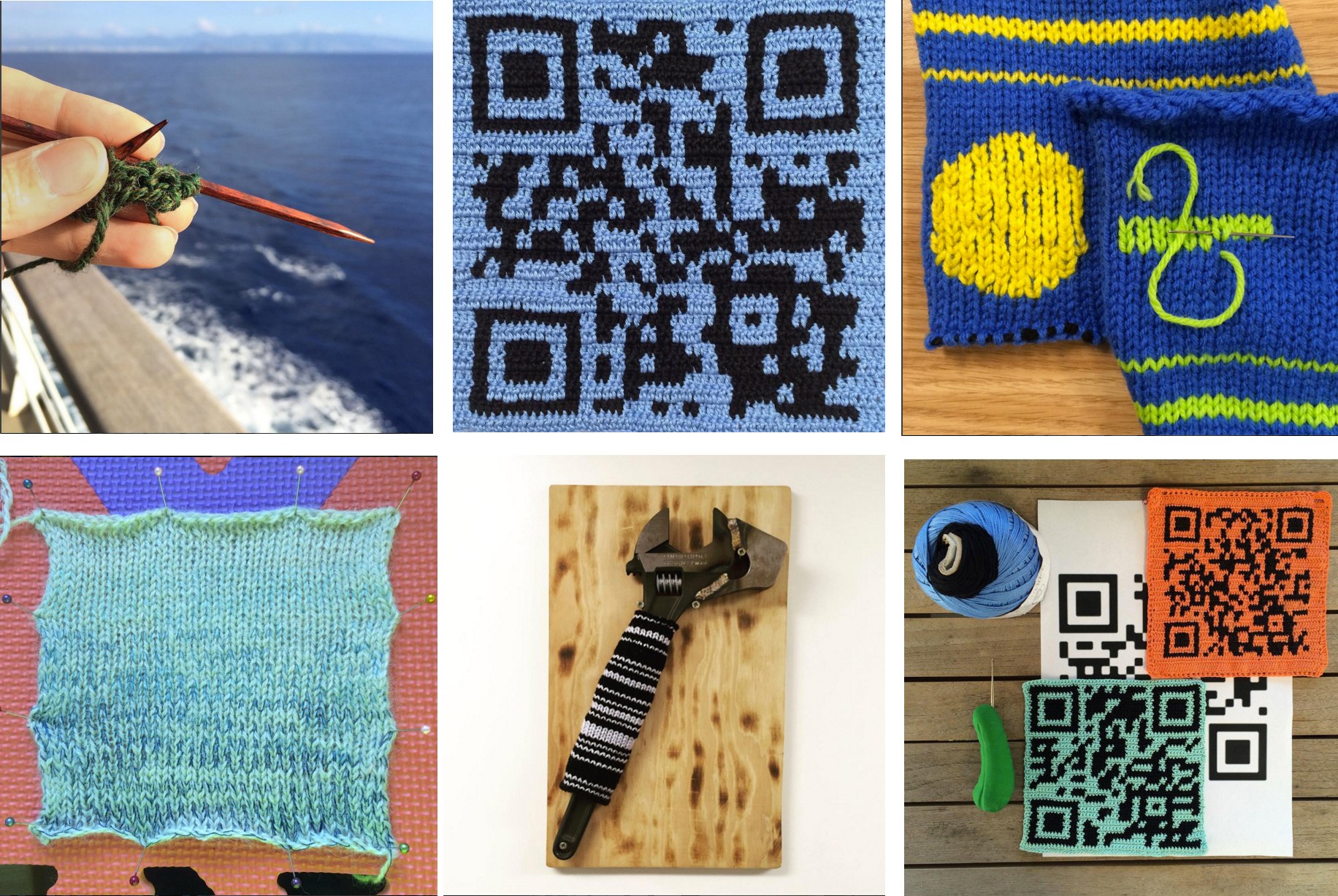
- 13
Collecting Water Samples - Video
26 January 2016
Read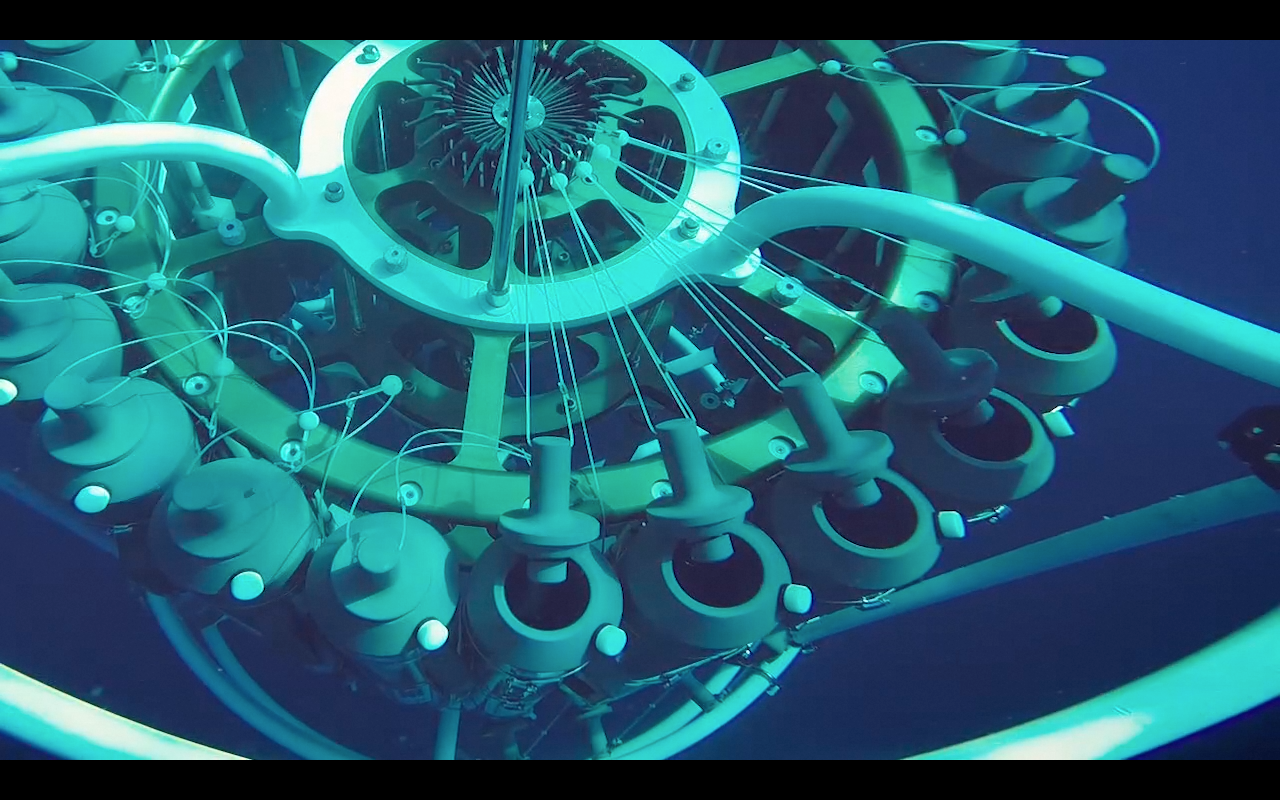
- 14
Passionately Pursuing Curiosity
25 January 2016
Read
- 15
Looking Deeper into Proteins
23 January 2016
Read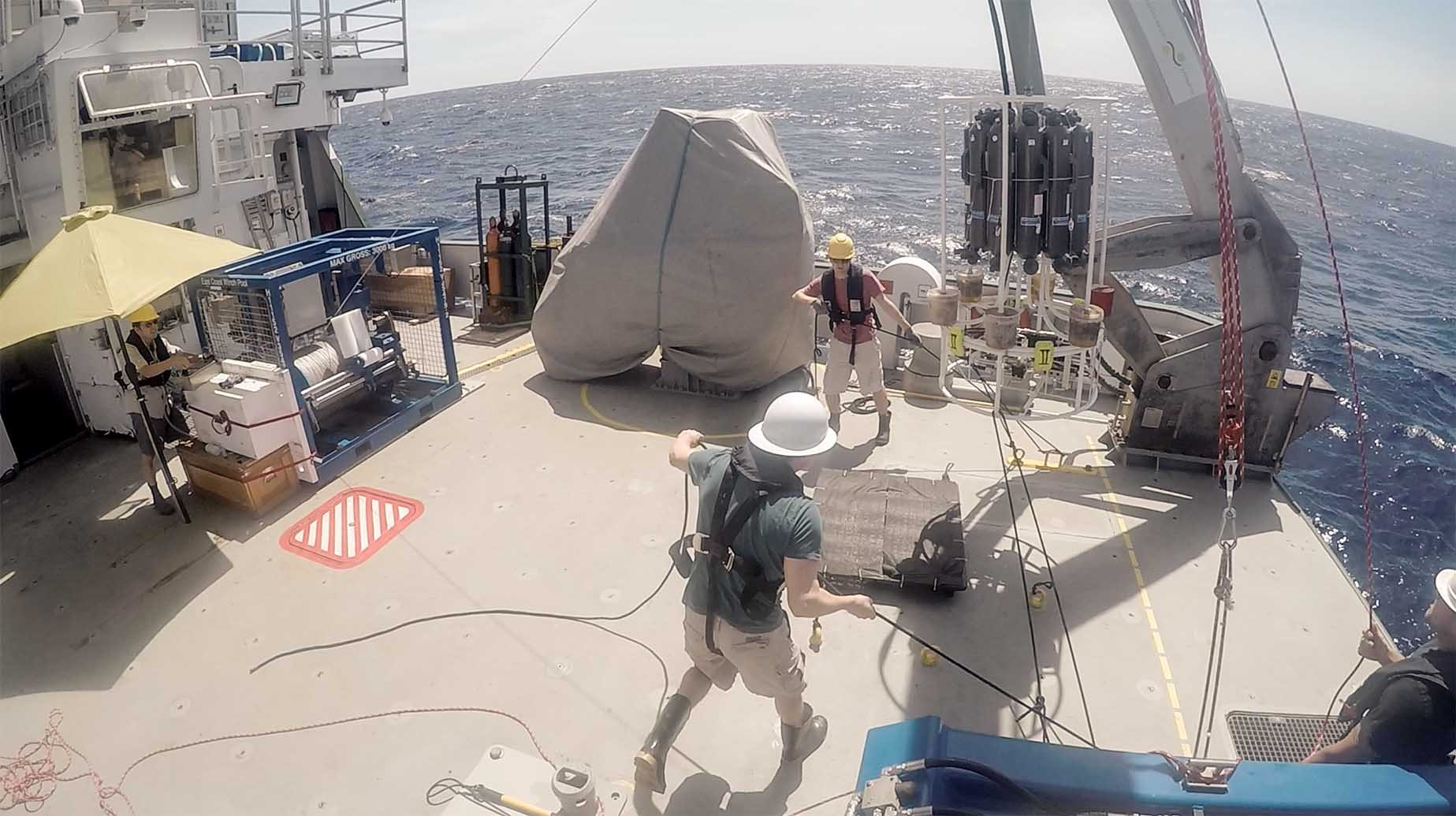
- 16
Student Opportunity - Hello from Falkor
22 January 2016
Read
- 17
The More the Better
21 January 2016
Read
- 18
Reading the Choppy, Remarkable Waters
20 January 2016
Read
- 19
The Mission
19 January 2016
Read
Weekly Videos
View all Weekly VideosDiscover More
Expedition Data
Title  | Type | Repository |
|---|---|---|
| Vessel Underway data | Oceanographic Property Data | Rolling Deck to Repository (R2R) |
| ProteOMZ Trace Metal Rosette | Water Samples | Biological and Chemical Oceanography Data Management Office (BCO-DMO) |
| Peptide and protein identifications | Water Samples | Biological and Chemical Oceanography Data Management Office (BCO-DMO) |
| Mass spectra | Chemical Analysis Data | Biological and Chemical Oceanography Data Management Office (BCO-DMO) |
| Dissolved cobalt, nutrients, and hydrography | Water Samples | Biological and Chemical Oceanography Data Management Office (BCO-DMO) |
| Bathymetry, Acoustic Backscatter, and XBT data | Sonar Data | Marine Geoscience Data System (MGDS) |
| Macronutrient analysis and selected hydrographic data | Biological and Chemical Oceanography Data Management Office (BCO-DMO) |
Publications from This Expedition
Saunders, J., McIlvin, M., Dupont, C., Kaul, D., Moran, D., Horner, T., et. al. (2022). Microbial Functional Diversity Across Biogeochemical Provinces in the central Pacific Ocean. PNAS, 119 (37), doi: 10.1073/pnas.2200014119.
[This Article was published OPEN ACCESS]Middleton, J., Paytan, A., Auro, M., Saito, M., and Horner, T. (2023). Barium isotope signatures of barite-fluid ion exchange in Equatorial Pacific sediments. Earth and Planetary Sci. Letters (612), doi: 10.1016/j.epsl.2023.118150.
Paoletti, M., Fournier, G., Dolan, E., and Saito, M. (2023). Metaproteogenomic Profile of a Mesopelagic Adenylylsulfate Reductase: Course-Based Discovery Using the Ocean Protein Portal. J. Proteome Res. 22(9), doi: 10.1021/acs.jproteome.3c00152.
[This Article was published OPEN ACCESS]