Expedition Planning
Welcome to Schmidt Ocean Institute’s expedition planning portal, where you will find all the necessary information to get you underway with the expedition planning process.
Apply for Ship Time
Apply for Ship Time



Welcome to Schmidt Ocean Institute’s expedition planning portal, where you will find all the necessary information to get you underway with the expedition planning process.
Every successful expedition begins with thoughtful planning. This hub brings together the resources, documentation, and guidance needed to prepare for scientific operations aboard Falkor (too).
Explore the sections and links below to access planning tools, vessel capabilities, policies, forms, and other resources that support a safe, efficient, and productive expedition.
Every cruise begins with a series of important questions: Who will participate? What will be studied? When will the cruise take place? Where will the cruise occur? Why is this research meaningful? And how will the work be executed? The resources below are organized to help answer these questions and support every stage of cruise planning.
will participate?
Expedition teams often bring together scientists, technicians, students, and other specialists from multiple institutions and disciplines. These collaborations help ensure the expertise needed to achieve expedition objectives while fostering scientific partnerships and knowledge exchange. SOI may also assign an Artist-at-Sea to communicate discoveries and share the expedition's story with broader audiences.
To support regional engagement, at least 10% of expedition participants must come from the area being studied. All participants are required to meet voyage requirements, including medical clearance, maritime safety training, and insurance documentation. Additional information can be found on the Participant page of the Expedition Planning Website.
will be studied?
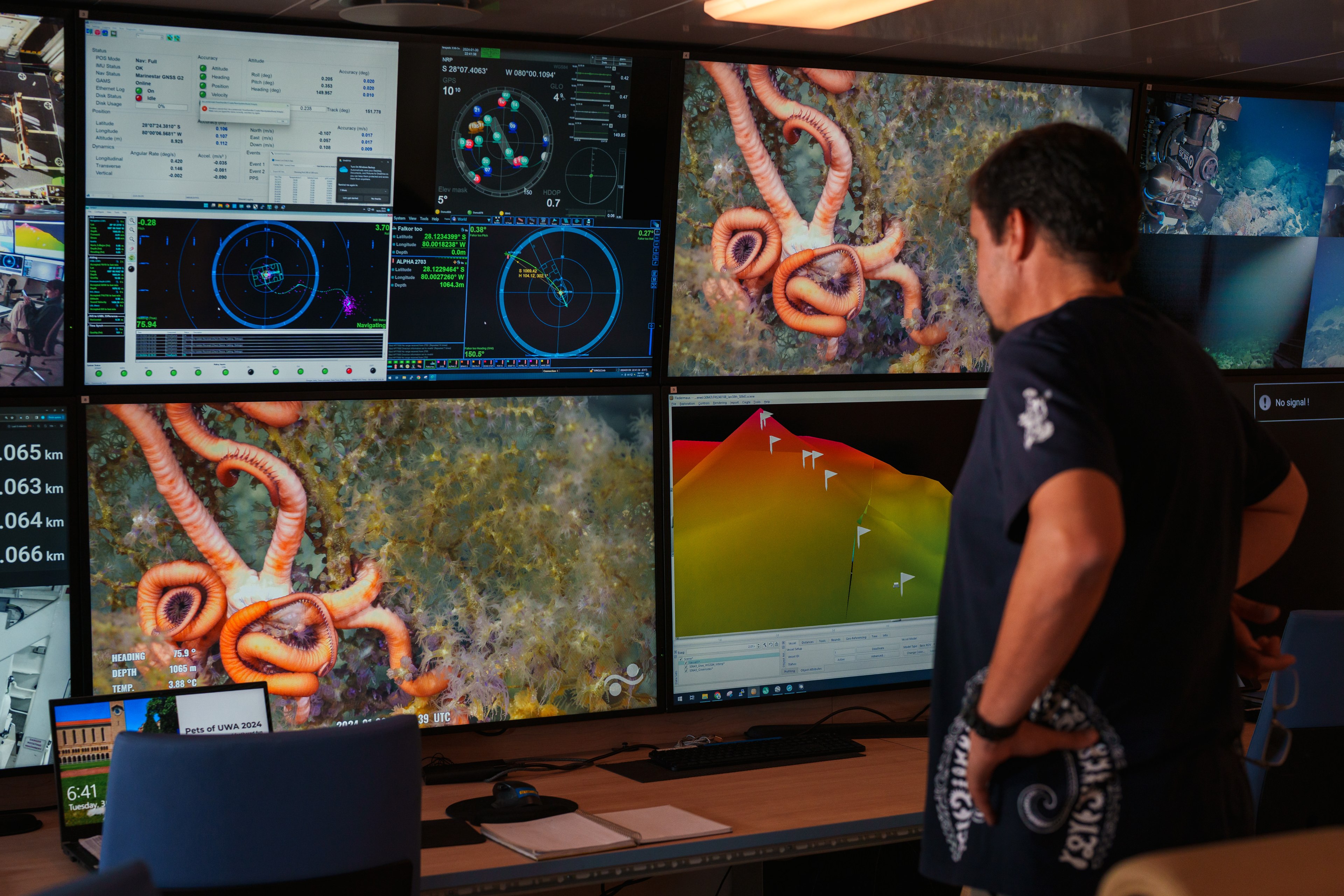
The scientific focus of an expedition begins with the questions that inspire researchers to explore, discover, and better understand our ocean. Whether investigating marine ecosystems, seafloor processes, ocean chemistry, emerging technologies, or other areas of ocean science, proposals are driven by the scientific objectives and expertise of the research team.
While SOI supports a broad range of oceanographic research, expedition planning should consider how proposed work aligns with the Institute's mission to catalyze discoveries that advance our understanding of the ocean and support the health of our planet. SOI's Strategic Framework identifies seven key ocean topics that guide long-term scientific priorities and help focus exploration on areas where discovery can have the greatest impact.
will the cruise take place?
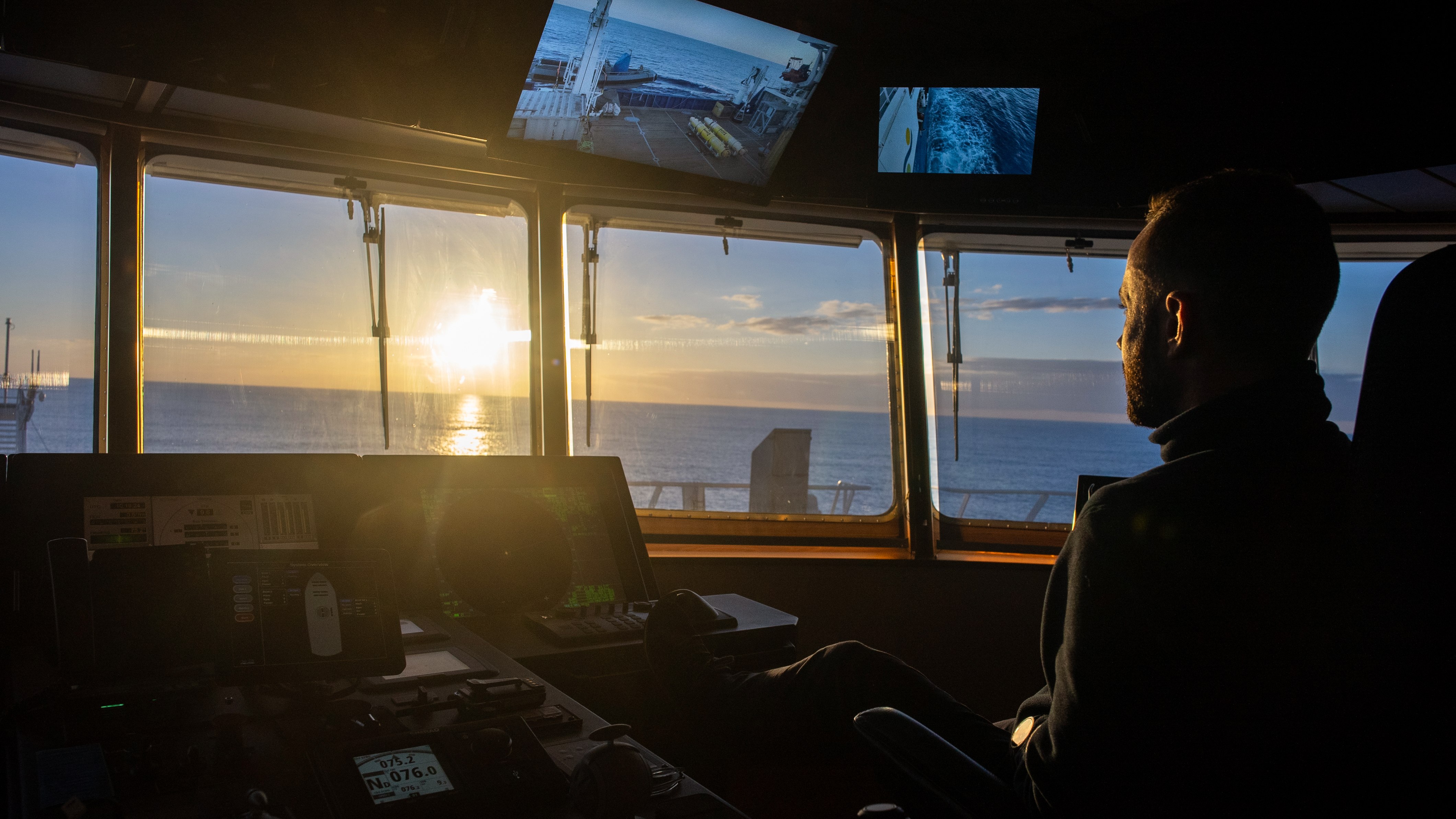
Expressions of Interest (EOIs) are typically submitted at least two years in advance of an expedition, though proposals may be submitted even earlier depending on project needs and planning horizons. Once awarded, expedition teams work closely with SOI staff through a structured planning process that unfolds over the months leading up to departure.
When developing your proposal, it is important to consider factors that may influence expedition timing and duration, including seasonal weather patterns, regional operating conditions, permitting requirements, vessel scheduling, and other logistical constraints. If selected, these assumptions and requirements will be further refined with SOI's Director of Operations during the expedition planning process.
will the cruise occur?
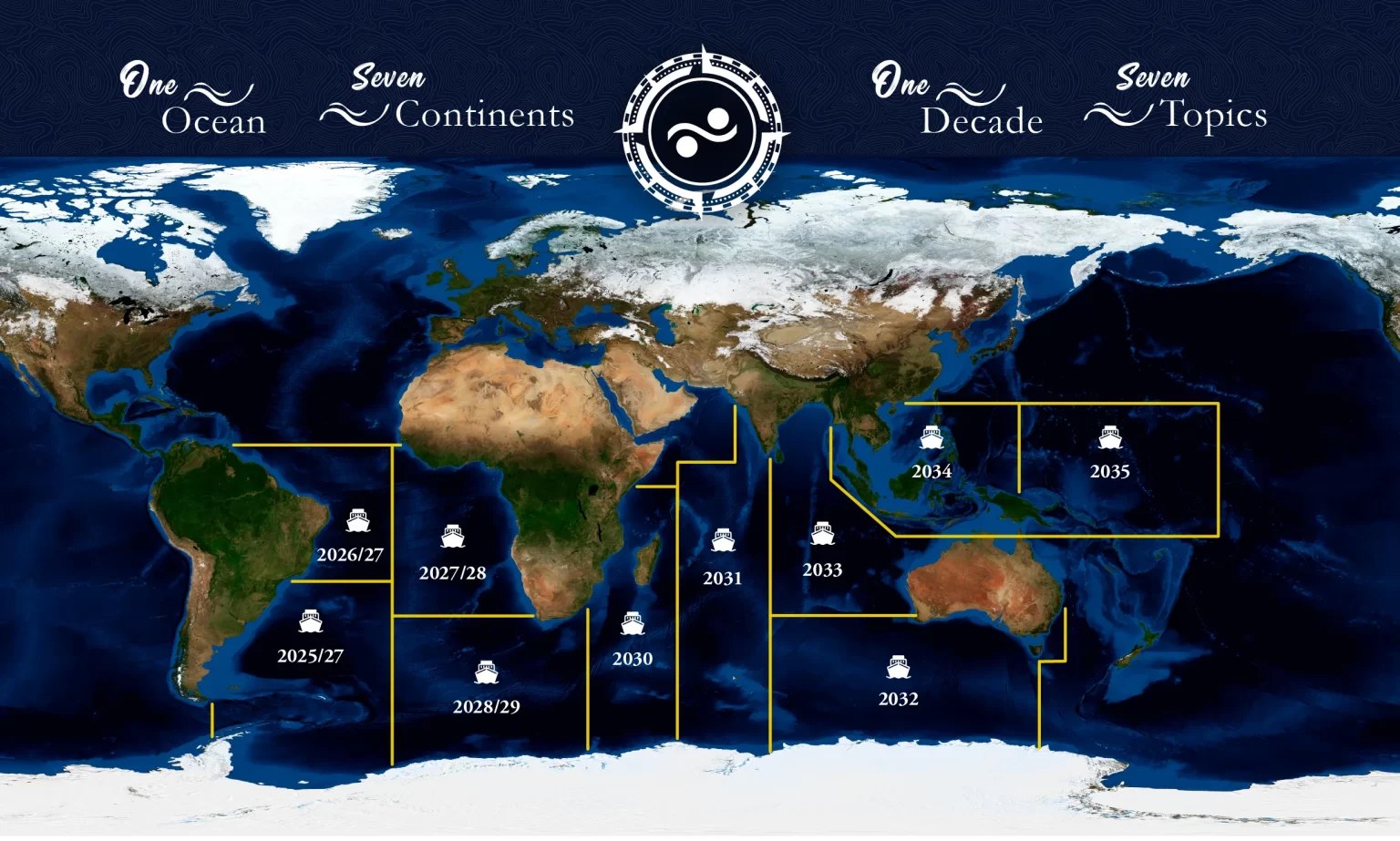
Expedition locations should align with SOI's long-term operational plans and commitment to advancing ocean science globally. As you consider where your research will take place, review the 10-Year Operations Map to understand planned regions of operation and opportunities for collaboration. SOI strongly encourages meaningful engagement with local scientific communities and requires regional participation in expeditions to help build lasting scientific capacity and partnerships.
is this research meaningful?
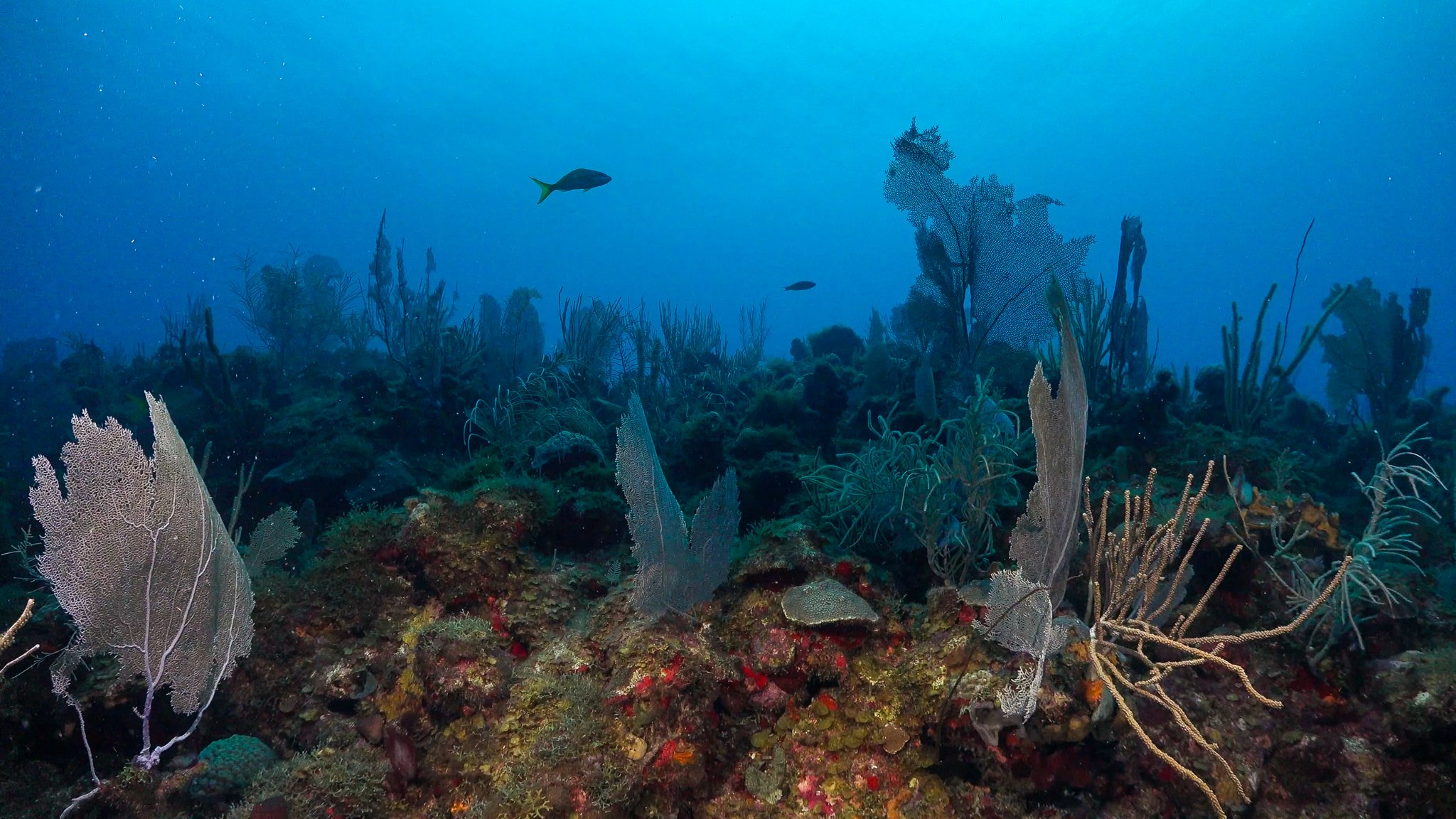
Scientific discovery is at the heart of every SOI expedition. Strong proposals demonstrate the potential to generate new knowledge while advancing technology, fostering collaboration, supporting public engagement, informing ocean stewardship, and contributing to the open sharing of data and information. Learn more about SOI's approach to impact on the Achieving Impact page.
will the work be executed?
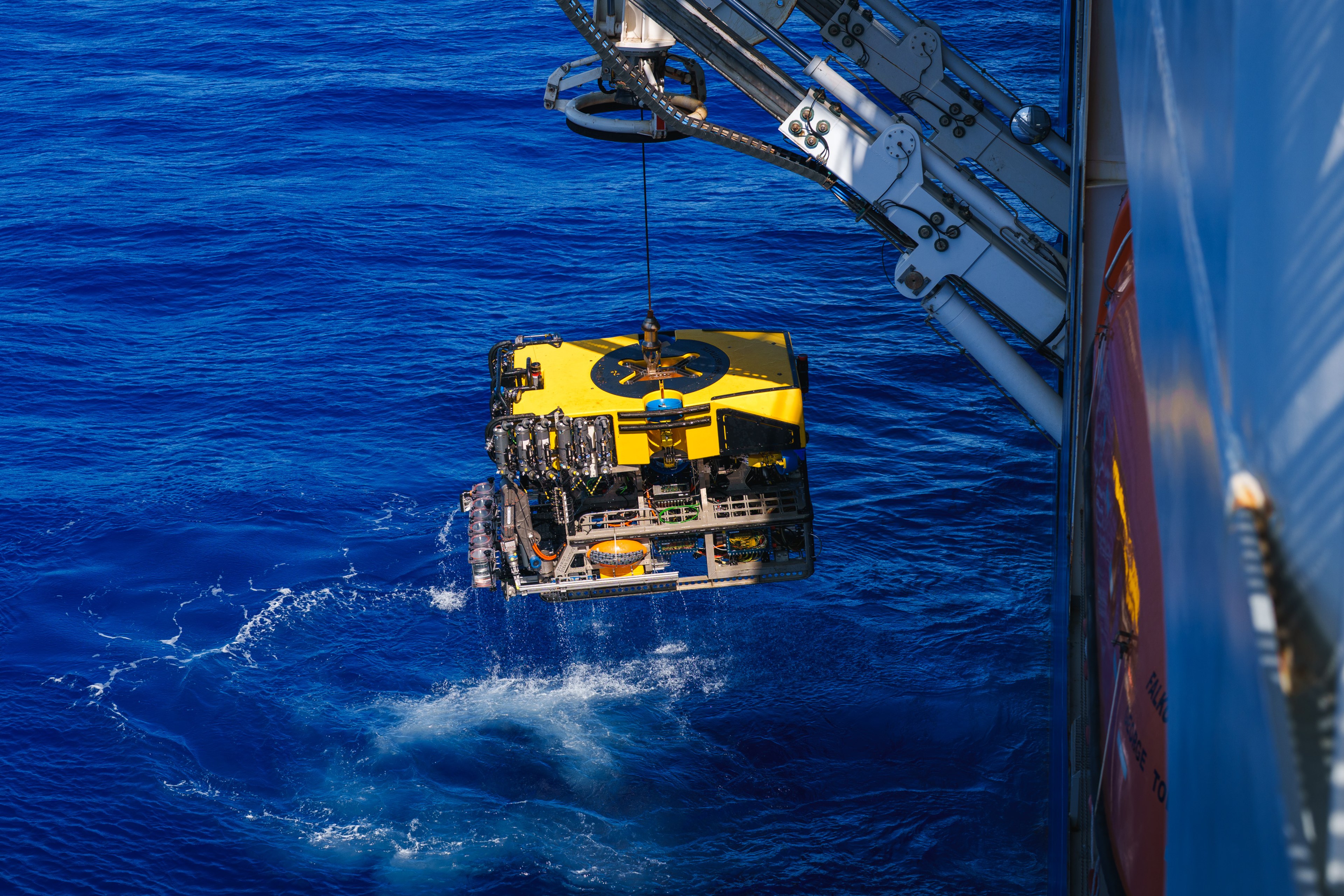
Falkor (too) was designed to support a wide range of oceanographic research, with scientific equipment, laboratories, vehicles, and data systems that can be adapted to diverse expedition objectives. As you develop your proposal, the Science Equipment and Facilities documentation can help you understand the vessel's capabilities and identify how your research may be conducted. Once an expedition is selected, SOI staff will work closely with the science team to refine operational plans, equipment requirements, and workflows needed to successfully execute the proposed research.
Built on advancing ocean discovery through technological innovation, collaborative scientific research, and open access to knowledge, SOI focuses on seven key ocean topics that drive progress across the oceanographic community. By integrating state-of-the-art exploration platforms, autonomous technologies, and open data practices, SOI enables transformative science that expands our understanding of the ocean and supports its long-term stewardship.
Select a card below to learn more about each Strategic Framework topic.

Map and explore the unknown areas of the seafloor as an essential element of understanding our planet

Support the development and use of transformative technologies that scale and enhance the ability for scientific research and exploration in the ocean.

Improve our understanding of boundary layers and fine-scale physical processes that govern the ocean, drive climate and weather, support rich marine biodiversity, and provide a nexus for the accumulation of pollutants.

Map and explore the unknown areas of the seafloor as an essential element of understanding our planet.

Better understand large-scale changes in poorly monitored marine gases and nutrient cycles to assess global ocean health.

Reveal the extent of biodiversity from the surface to beneath the deep sea floor and from the open ocean to extreme environments, advancing the discovery of new life and increasing our understanding of temporal and spatial population variability.

Explore and study life and processes in the least known areas of our planet, the deep ocean, to provide answers to fundamental questions on the geological and biological evolution of this world and others.
The cruise planning process begins with an Expression of Interest (EOI). This submission provides an overview of your proposed science objectives, operational requirements, and anticipated outcomes, helping SOI evaluate the project's scientific merit, feasibility, and alignment with institute priorities.
Timeline: approx. 24 months prior to departure.

Once your expedition is selected, planning officially begins. During this phase, the science team works with SOI staff to establish timelines, identify operational requirements, review vessel capabilities, and begin coordinating the resources needed to support expedition goals.
Falkor (too) does not operate from a fixed home port and maintains a diverse suite of scientific equipment onboard. As a result, planning, logistics, and equipment availability may differ from other research vessels, making it important to review vessel capabilities and resources early in the expedition planning process.
Timeline: 12 months prior to departure

The Cruise Support Plan becomes the foundation of expedition planning. This stage focuses on documenting scientific operations, equipment requirements, logistics, and personnel needs while coordinating any permits, authorizations, or regulatory approvals required for work in the cruise area.
Timeline: 6 to 12 months prior to departure

A series of planning meetings brings together the science team, SOI staff, and vessel personnel to refine expedition details. These discussions ensure that scientific objectives, operational plans, safety considerations, technical requirements, and logistical needs are aligned before departure.
Timeline: 1 to 7 month (s) before departure.

As departure approaches, planning transitions into execution. The Captain and Lead Technician work closely with the Chief Scientist to ensure a smooth start to the cruise. Participants arrive, equipment is mobilized and installed aboard Falkor (too), laboratories are configured, and final operational reviews and safety briefings are conducted to prepare for the expedition.
Timeline: 1-2 days before cruise departure.

With the vessel underway, the science team carries out the information in the Cruise Support Plan and adapts to evolving conditions at sea. Throughout the expedition, scientists work closely with SOI and vessel personnel to maximize scientific outcomes while safely conducting research.

Following the expedition, equipment is removed, laboratories are cleared, and project closeout activities begin. The Marine Technicians will deliver a data drive containing all the information collected during your cruise. The post-cruise phase includes reporting, data management, deliverable submission, and sharing expedition results to support future research and open scientific discovery.
Timeline: 1-30 days post arrival.

Planning an expedition is a significant undertaking that requires careful coordination, communication, and preparation. Reviewing the resources on this website before submitting an Expression of Interest - and revisiting them during expedition planning - will help you understand key requirements, anticipate challenges, and avoid common pitfalls.
As you begin planning, keep the following recommendations in mind:
Schmidt Ocean Institute (Schmidt Ocean Institute) is soliciting Expressions of Interest (EOI) for collaborative, multidisciplinary research at any time and for any location and year identified as an area of operation for R/V Falkor (too).