


Dive In
About the Expedition
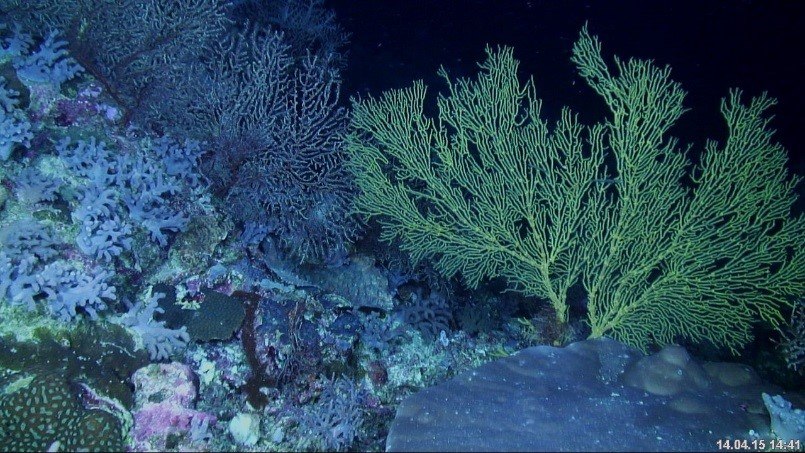
Ashmore Reef Marine Park is home to unique coral ecosystems: Mesophotic Coral Ecosystems (MCEs). While the waters of Australia are famous for shallower coral systems such as the Great Barrier Reef, MCEs there (and around the globe) remain largely unknown and undocumented. MCEs exist at depths between 30-150m, and recently their study has become possible due to technological advancements. MCEs are hypothesized to have significant ecological importance, including the potential to reseed shallow water corals under environmental stress. The ability of MCEs to provide a refuge for shallow-water species appears critically important, as shallow reef corals face a range of stressors including a changing climate. However, little is known about MCE community structure, what ocean processes control MCE composition, geographic distribution, and their connectivity to other coral systems.
- Dive Markers
- Trackline
The Mission
Revolutionizing MCE Monitoring
Few conservation efforts have focused on mesophotic reefs, but these ecosystems are also challenged with anthropogenic and natural stressors. The more researchers have learned about MCE’s, the more it appears imperative to advocate for their protection. Scientists aboard the R/V Falkor will address important knowledge gaps in understanding MCEs as well as lay a foundation for effective future monitoring and protection of MCEs across the globe.
Effective monitoring systems are essential for understanding long-term trends in reef communities, as well and for creating conservation efforts. This expedition will make current monitoring methods much more precise focusing on 10-100s of meters while testing innovative in-situ classification systems to monitor key habitats on mesophotic reefs.
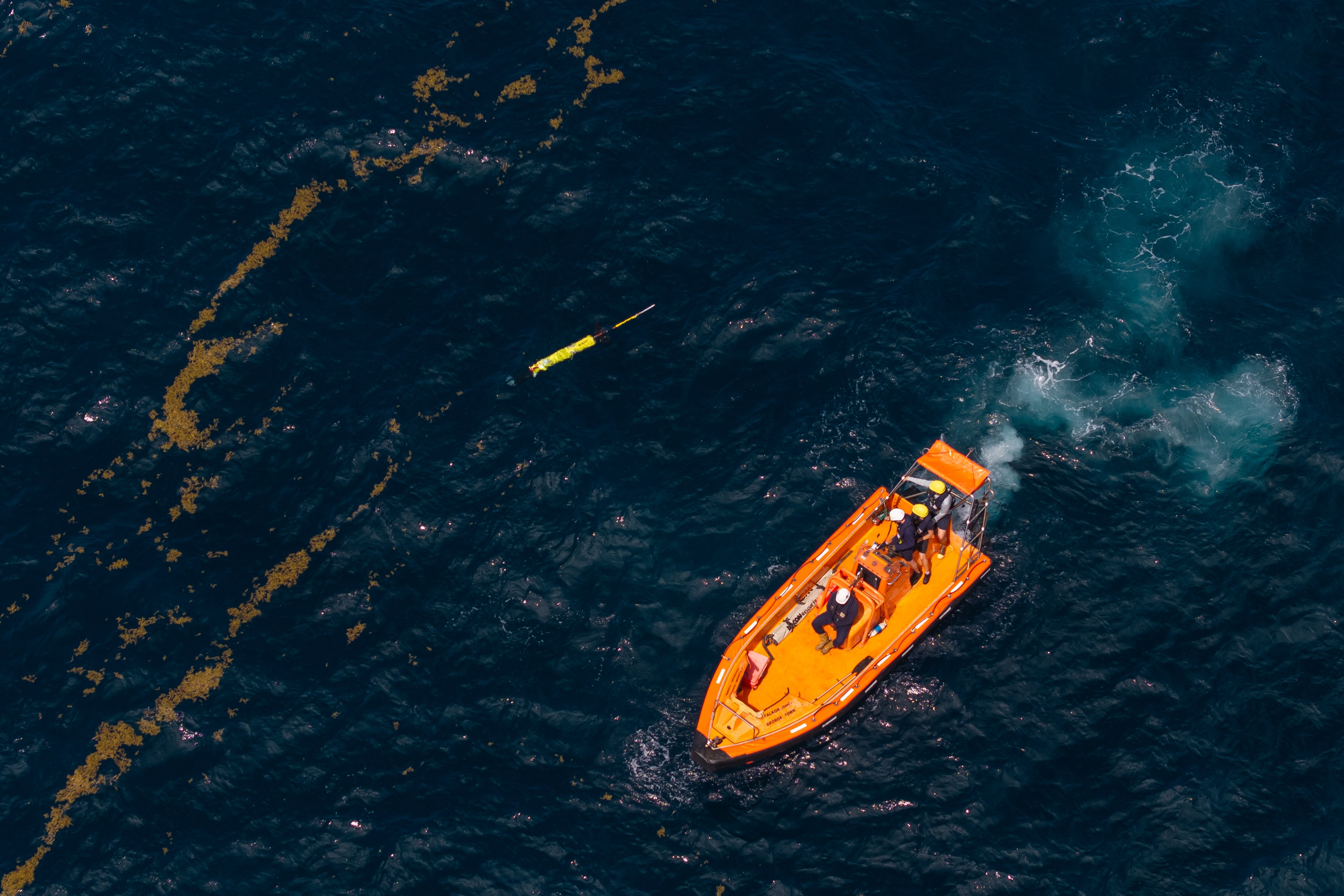
At Ashmore Reef Marine Park, the team will use underwater robotics and novel imaging technology to capture high definition video across each shoal. The team will create a streamlined system to collect, process, and analyze the imagery using R/V Falkor’s High Performance Computing (HPC) systems to vastly improve the quality and efficiency of data collection. In parallel, ROV SuBastian will collect biological samples from corals and sponges. The collected specimens will be used to ground-truth the capacity of the new imaging technique for biodiversity studies and taxonomic identification.
Ultimately, the expedition will provide a foundation for the broad application of the new state-of-the-art analysis tools in more than Australia, as MCEs across the globe will benefit through open-access platforms. The new sampling and analysis approaches represent an important scientific benchmark enabling future monitoring and standardization and comparability of MCE data globally.
Sampling and studies of MCEs in Australia are difficult to undertake without dedicated effort from remotely operated vessels. This expedition will mark the first time an ROV and AUV will be used to collect MCE specimens for genetic analysis and reproductive studies. These samples will provide exciting new insight into how individual MCE’s are related, as well as establish a baseline knowledge of community structure and reproductive strategies within MCE. Ecosystems in the northwest continental shelf of Australia, including Ashmore Reef, face a myriad of anthropogenic and natural impacts, therefore recognizing what species exist, how they are maintained, and what physical processes drive MCEs will be extremely important first steps for conservation.
Team and Collaborators






Explore
Updates from the Ship
All Ship Updates
- 01
Student Life On Board the R/V Falkor
24 May 2021
Read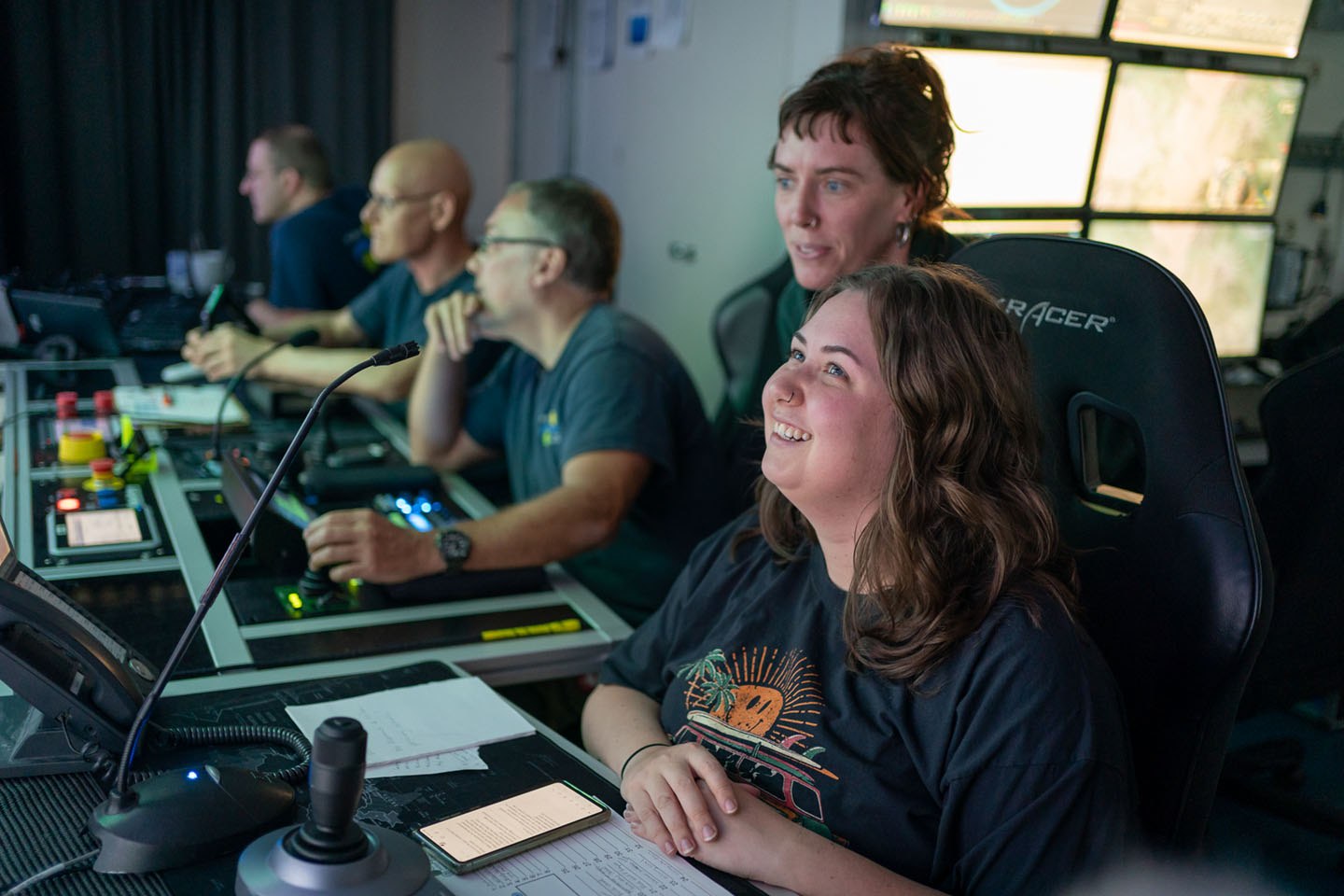
- 02
Mesophotic 4K Highlights - Video Update
7 May 2021
Read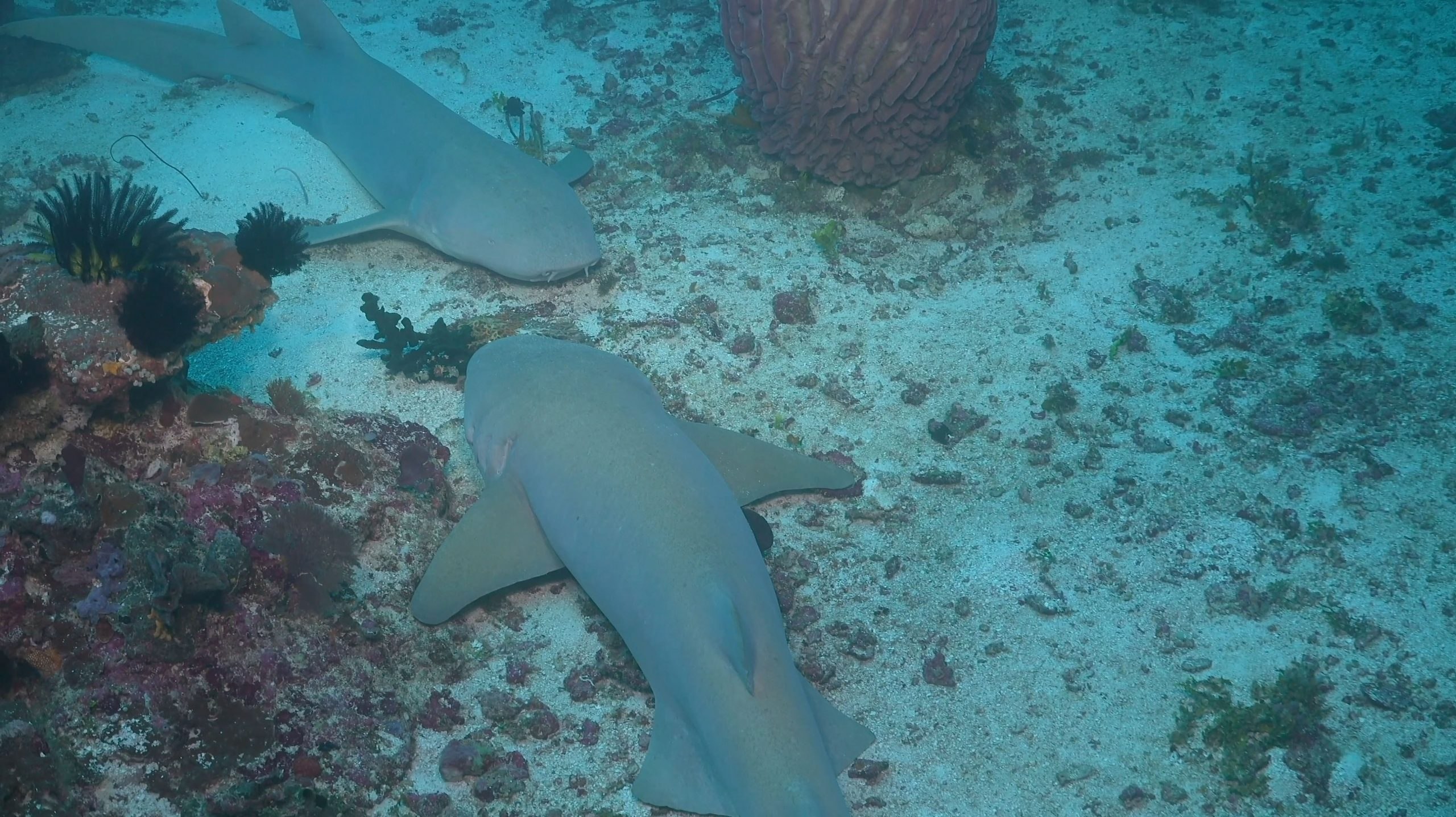
- 03
All Good Things Must Come to an End
5 May 2021
Read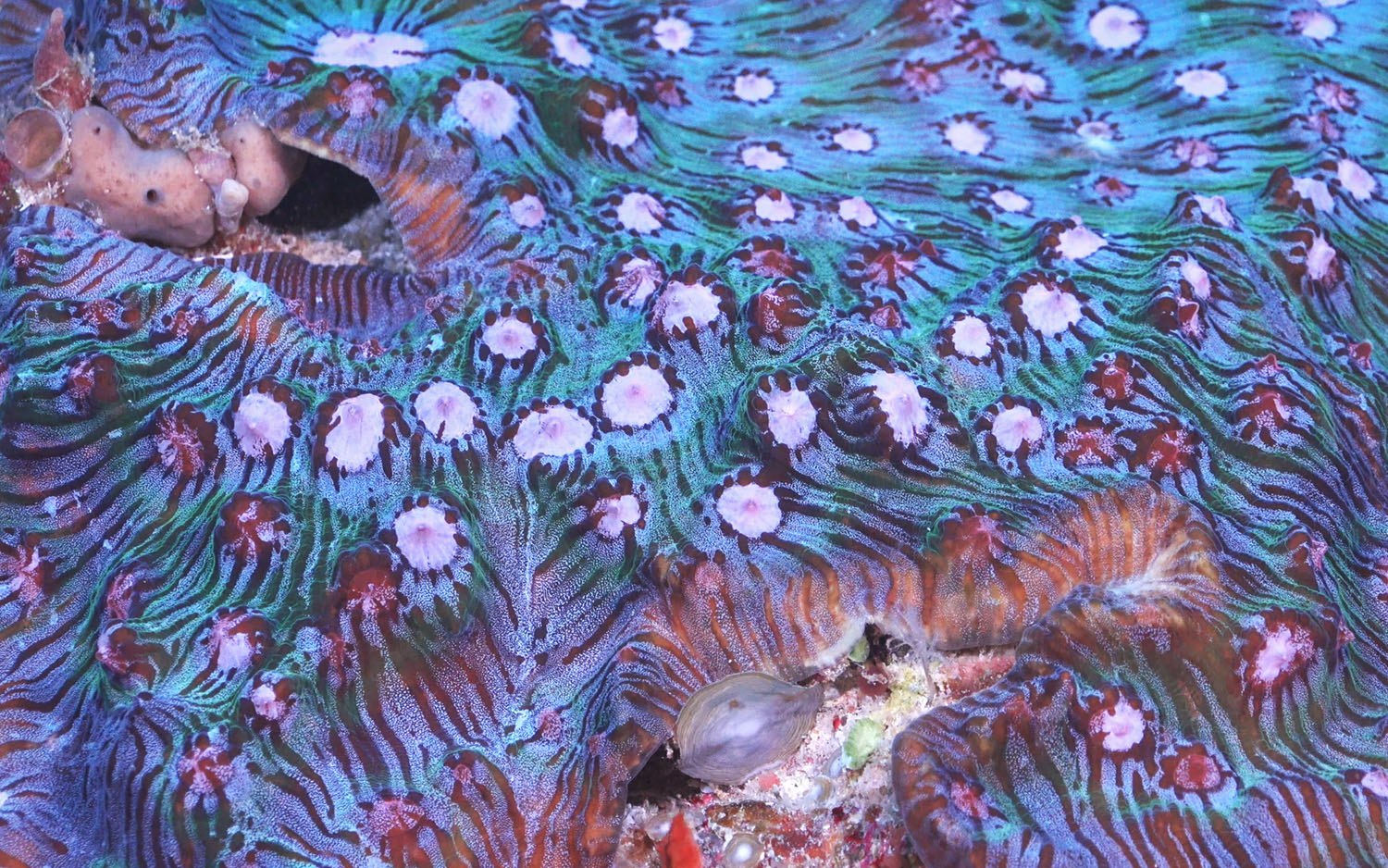
- 04
Wrapping Up at Ashmore Reef - Video Update
4 May 2021
Read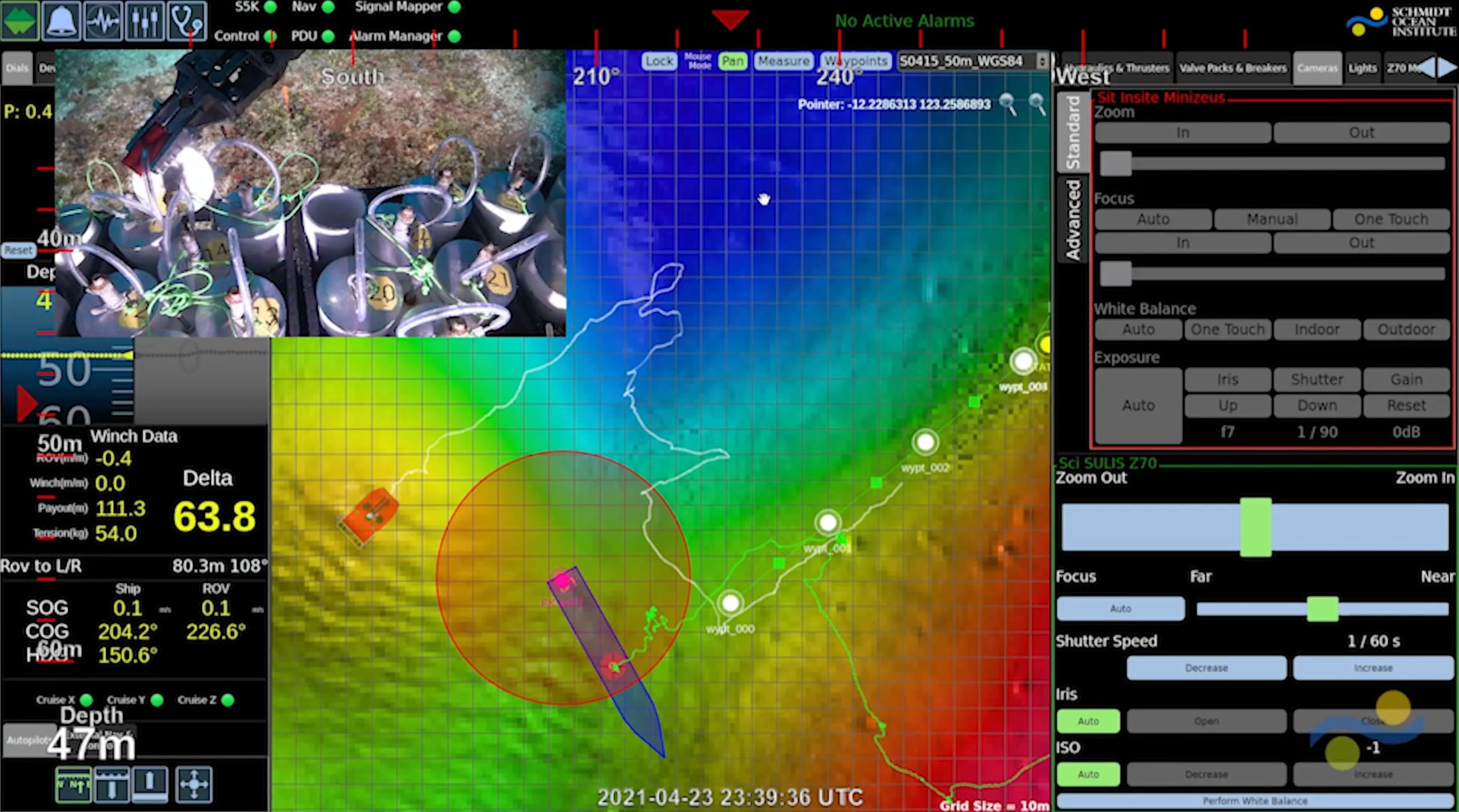
- 05
Ashmore Reef – History and Recovery
3 May 2021
Read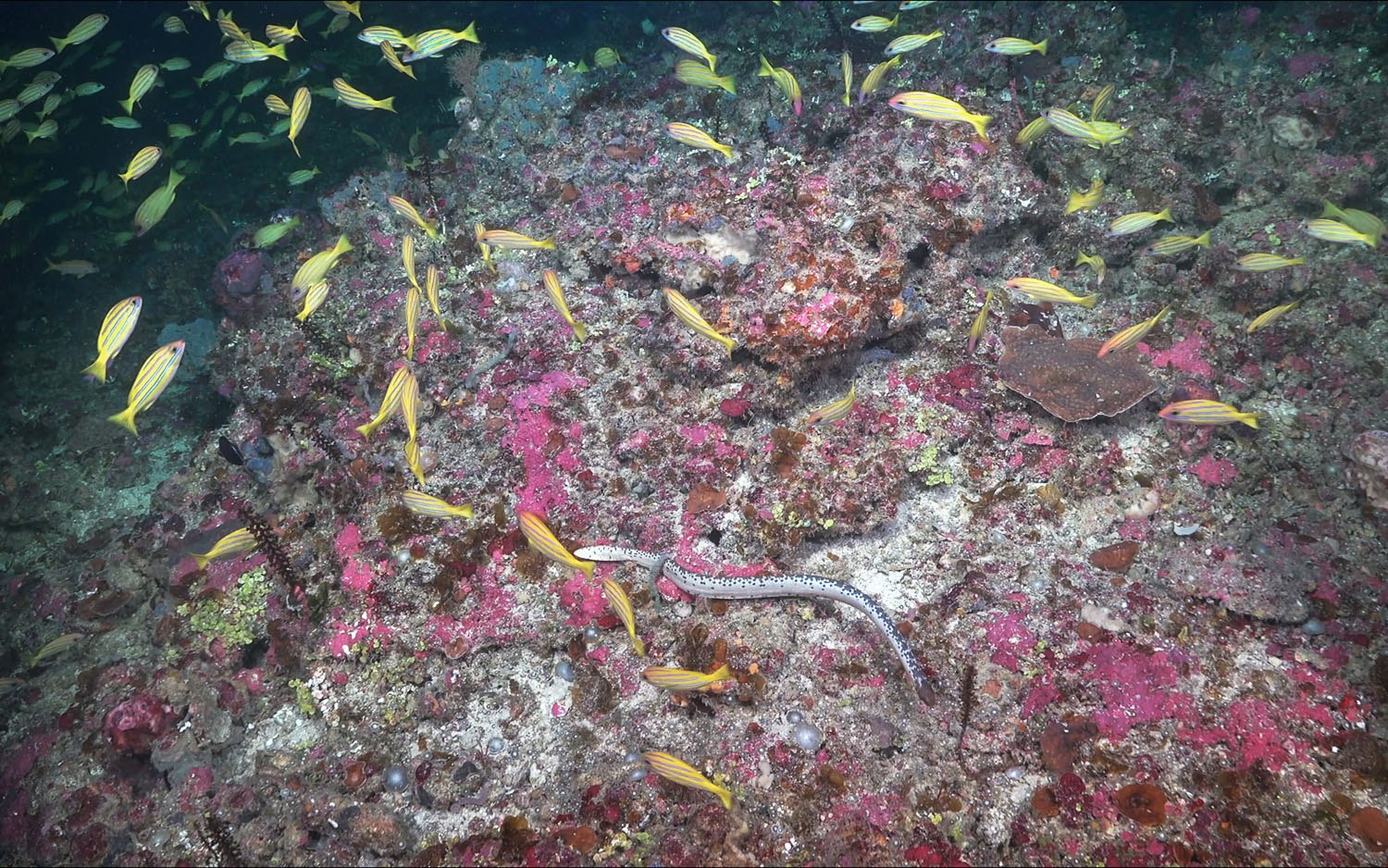
- 06
How do Corals Exist in Low-Light Environments?
2 May 2021
Read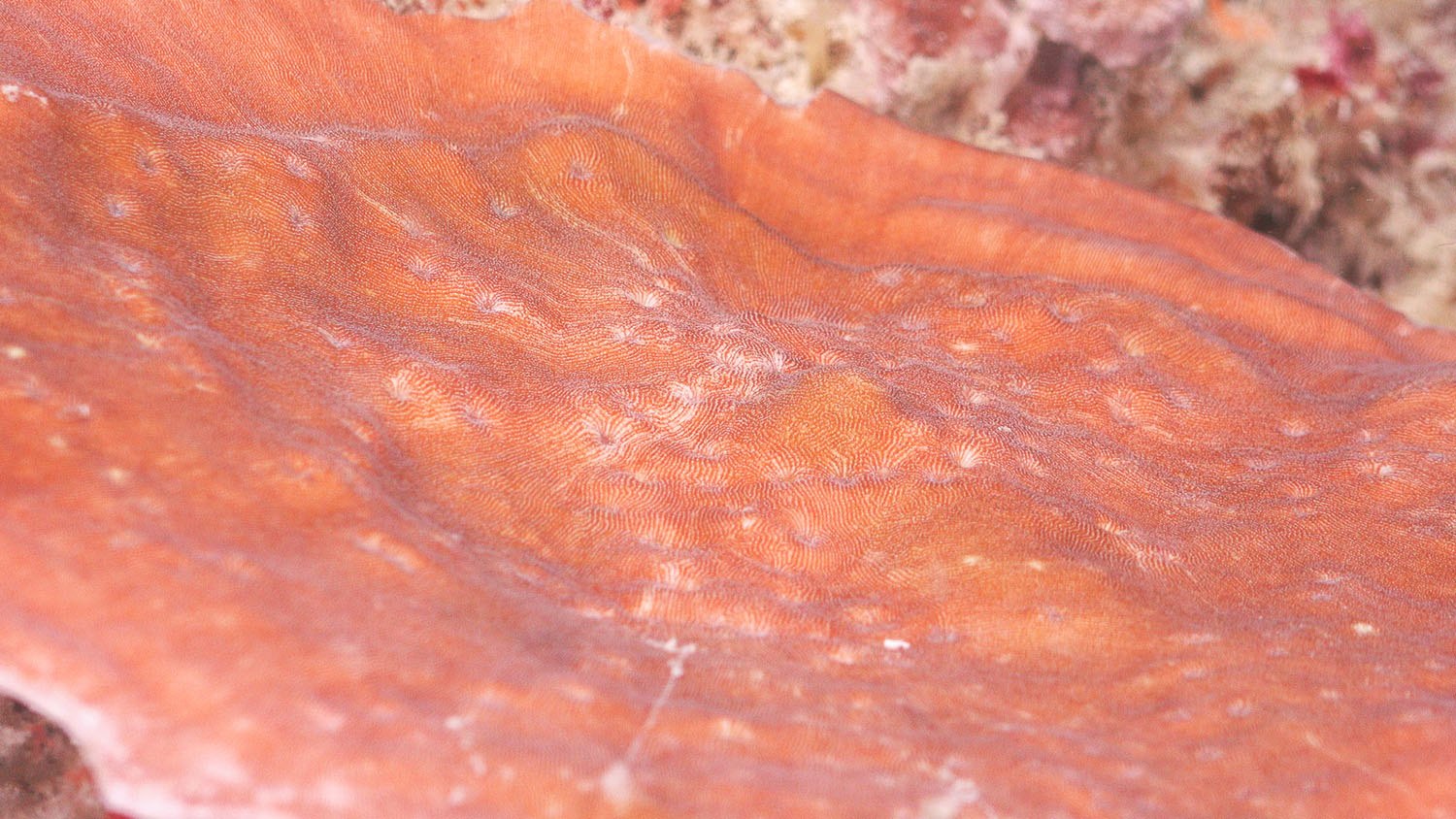
- 07
The Landscape as a Character
30 April 2021
Read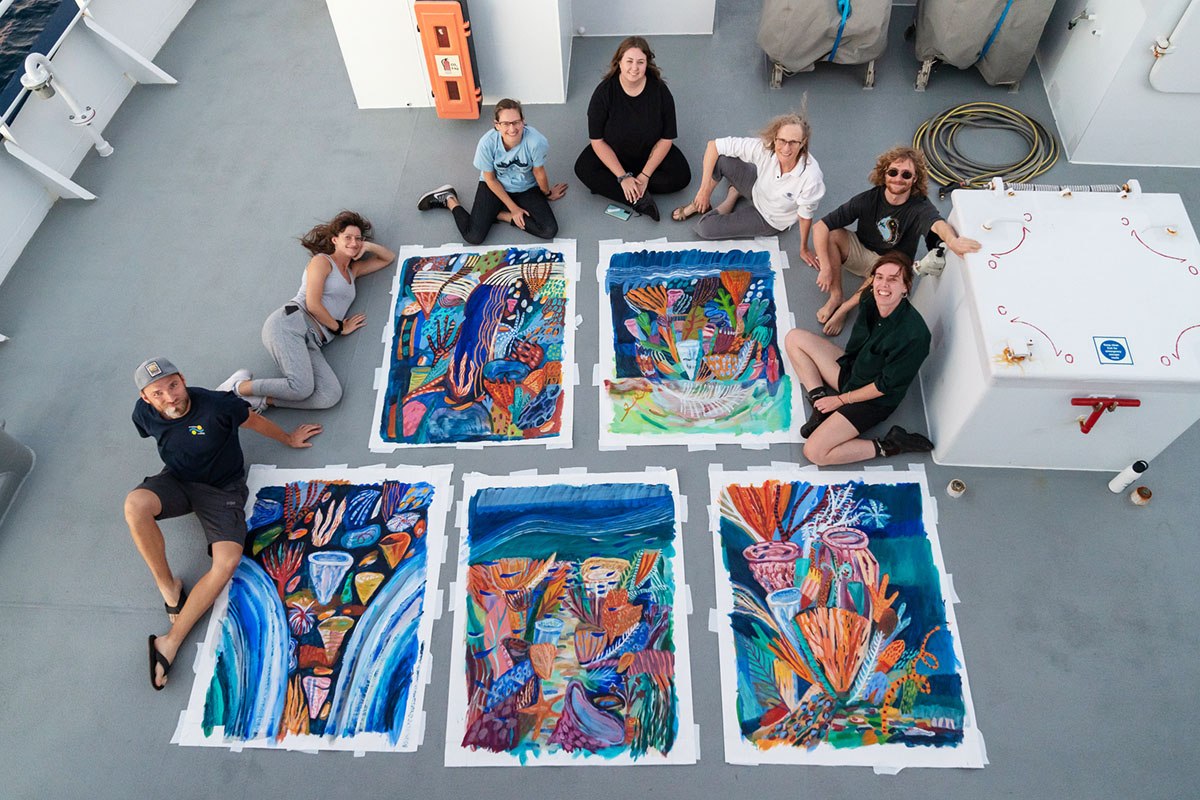
- 08
Seeing the Sea in 3D
28 April 2021
Read
- 09
Science Stories: 3D at Ashmore Reef - Video Update
27 April 2021
Read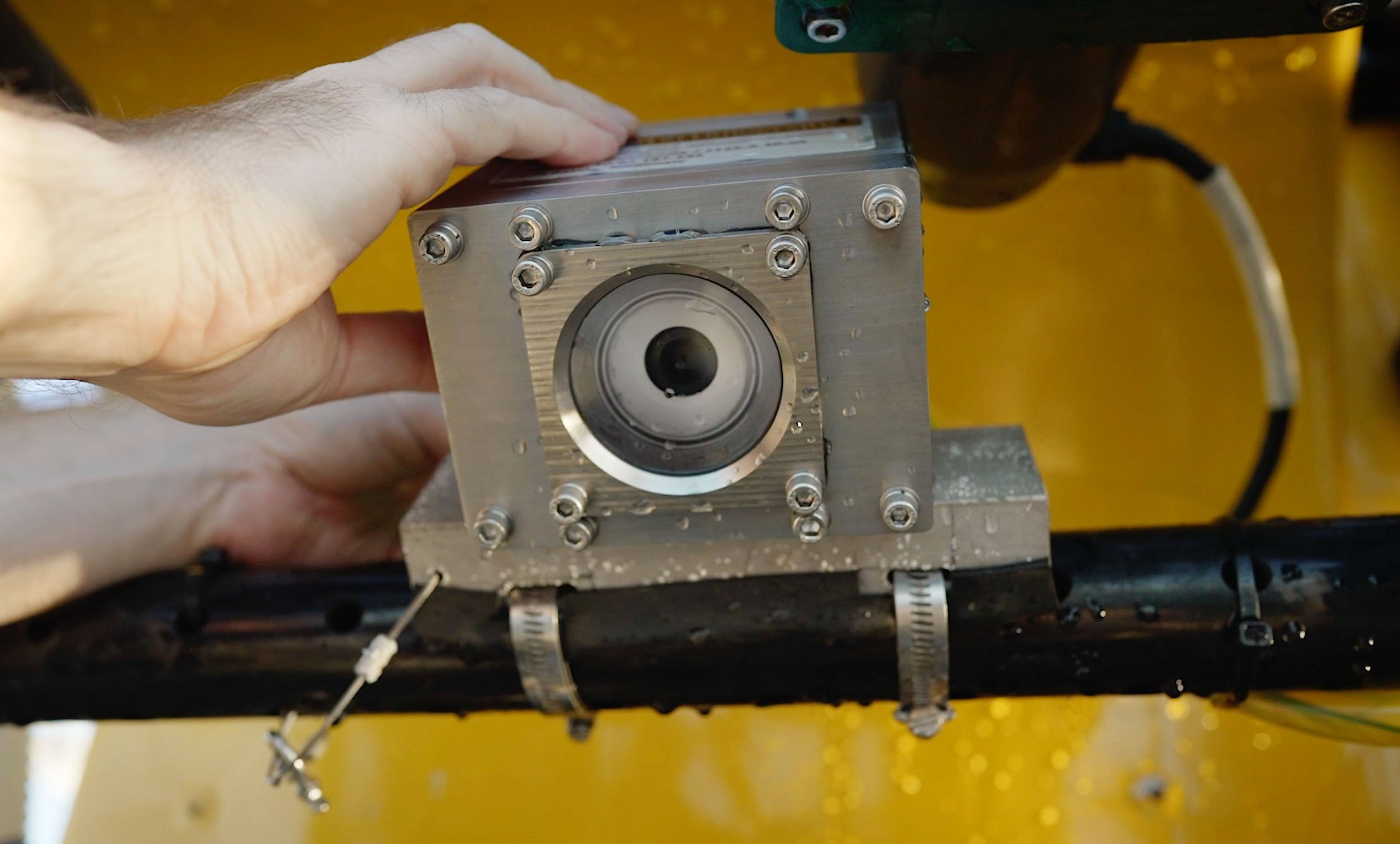
- 10
Beyond Scuba: The New Frontier for Museum Collecting
26 April 2021
Read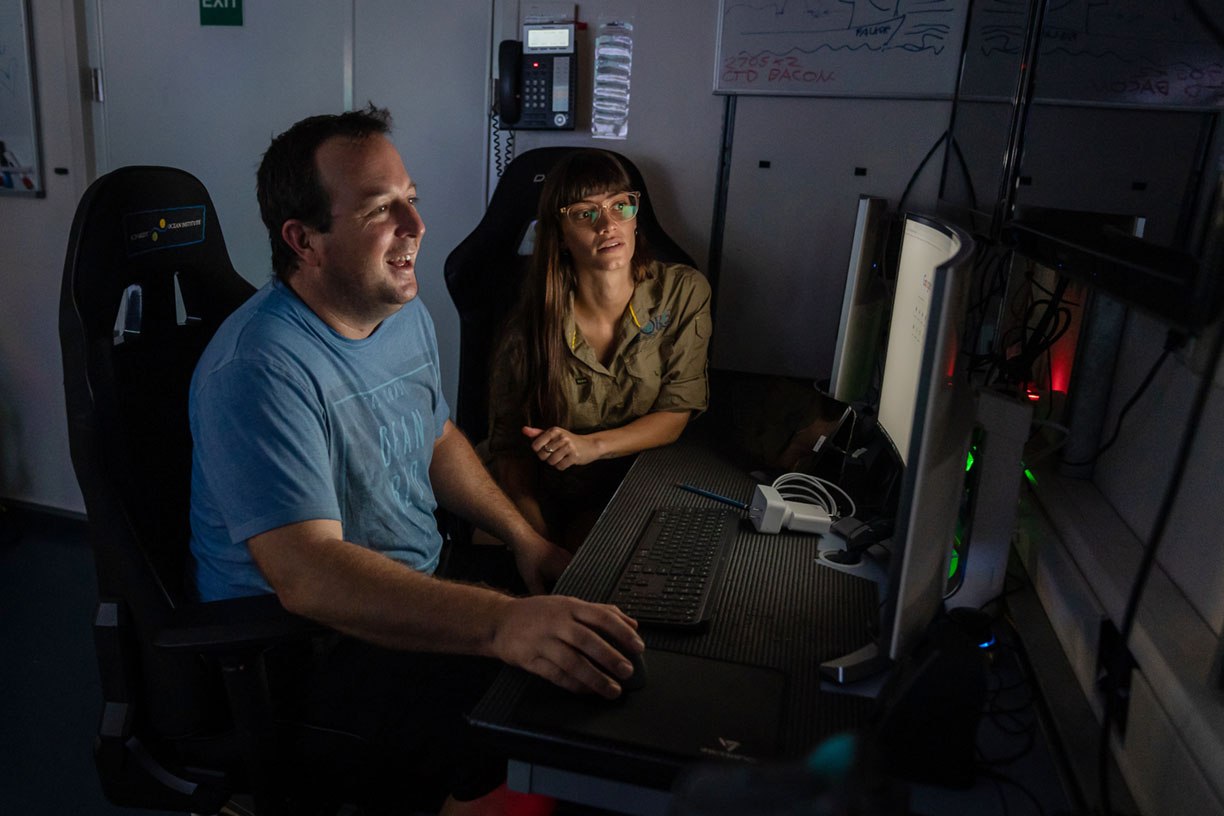
- 11
Connection with Nature - Video Update
25 April 2021
Read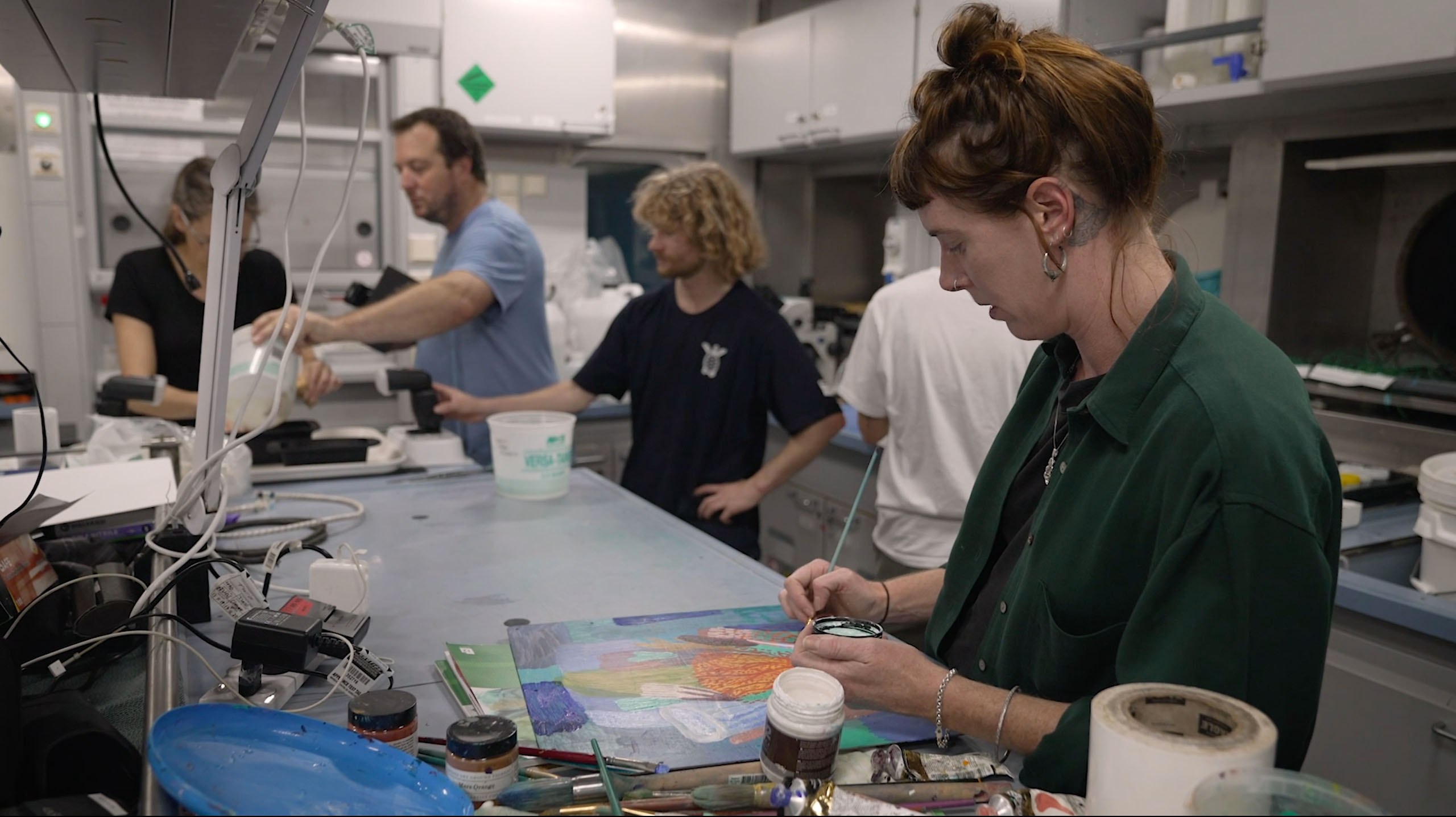
- 12
Collecting Coral and Creatures on Ashmore Reef - Video Update
24 April 2021
Read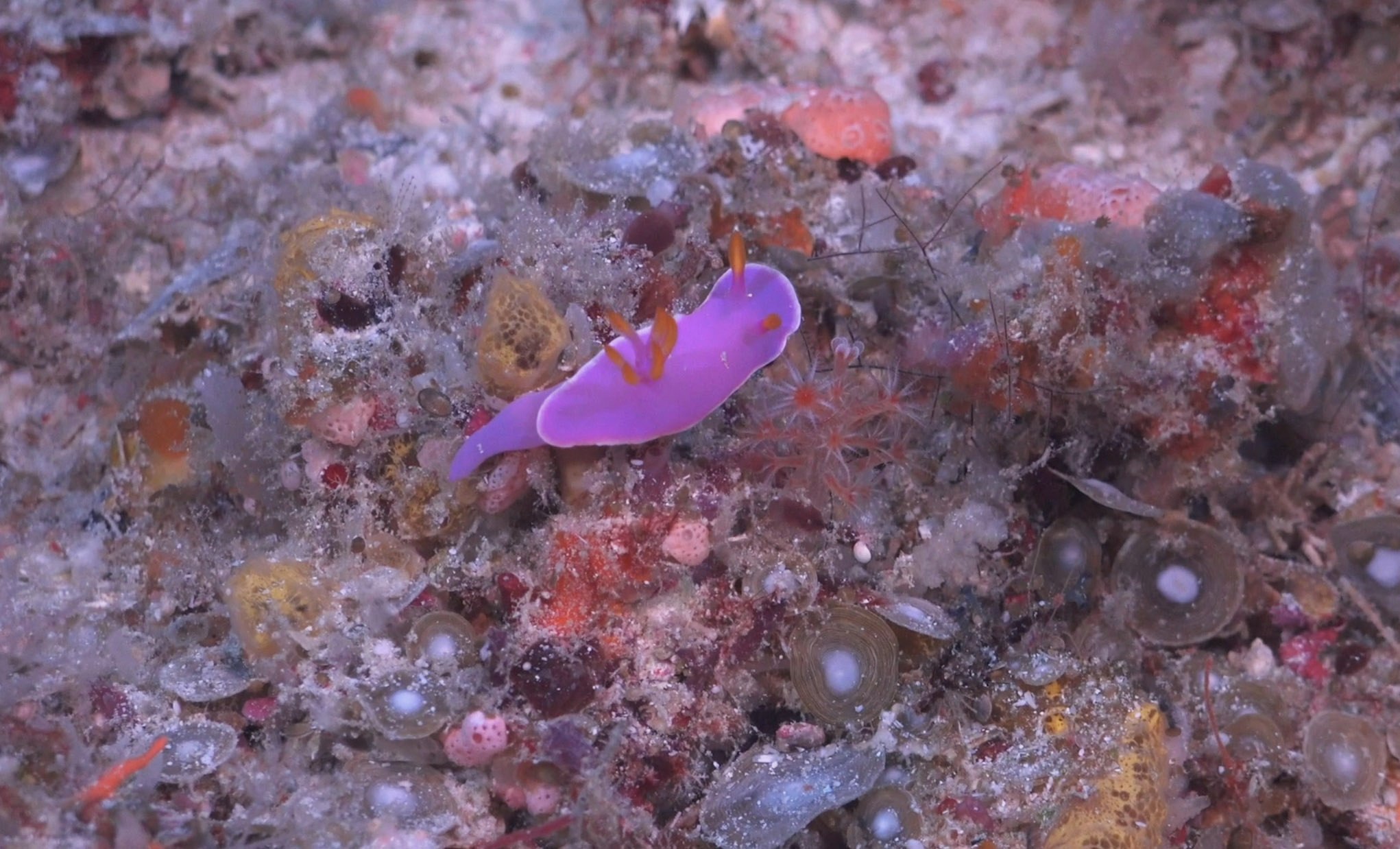
- 13
The Work of Masters
23 April 2021
Read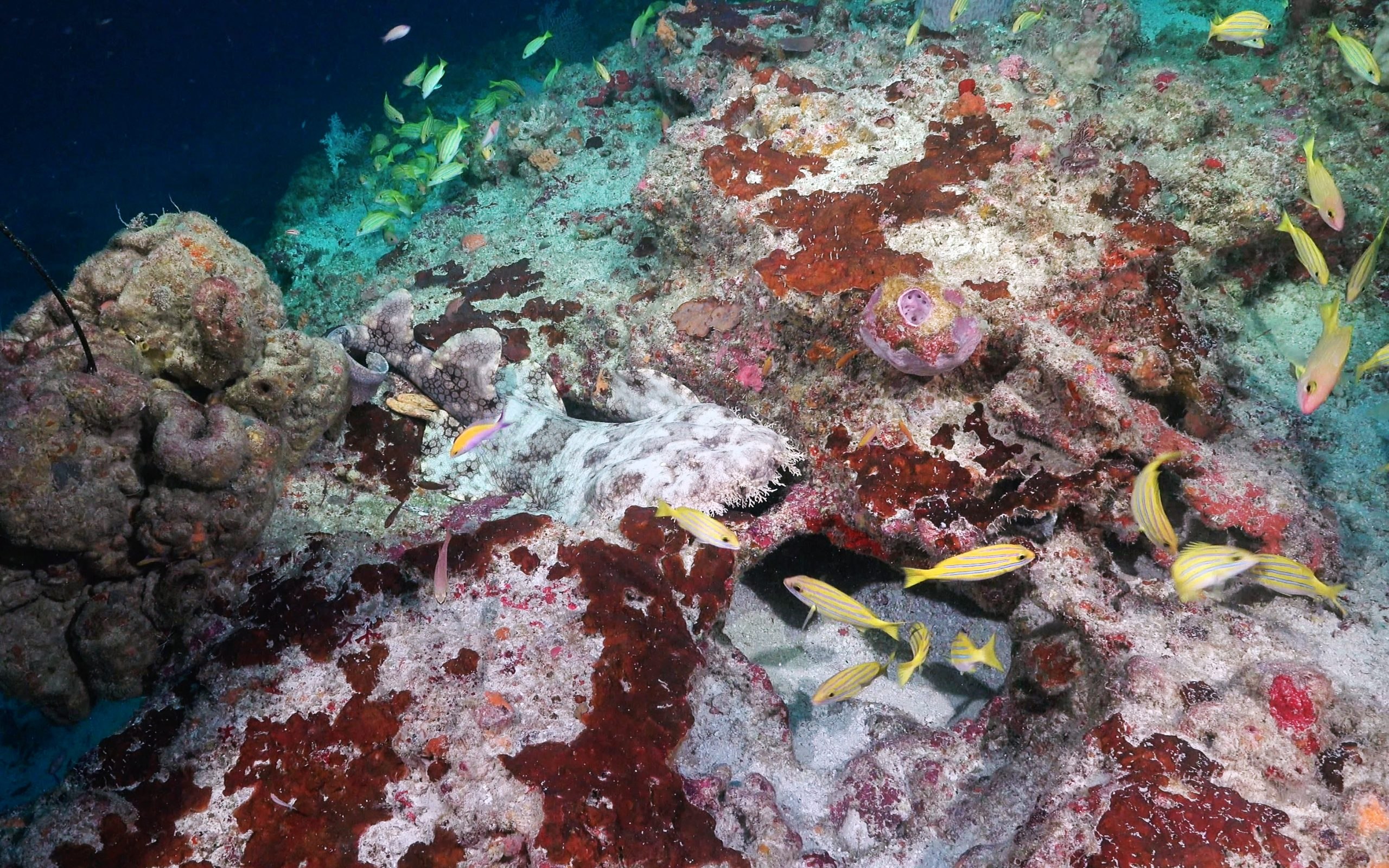
- 14
Student Science Stories - Video Update
20 April 2021
Read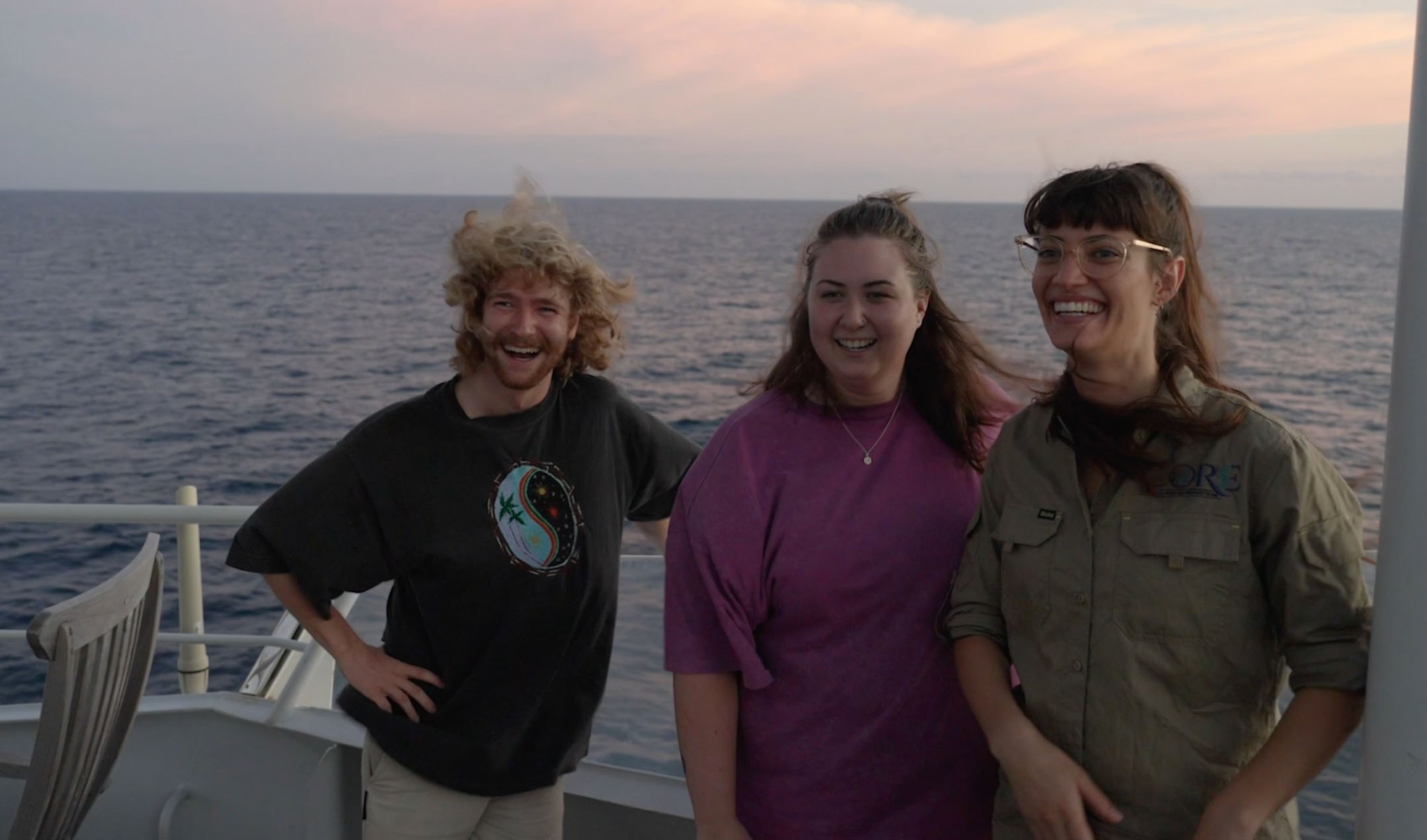
- 15
Forest to the Sea
16 April 2021
Read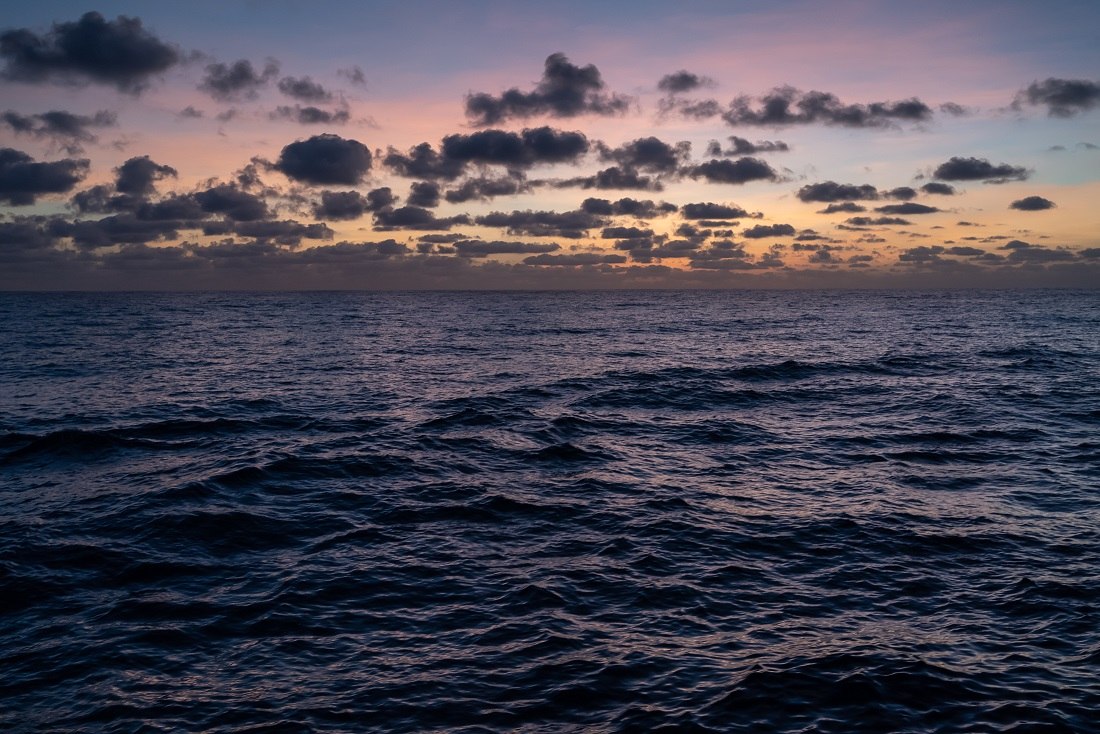
- 16
The Opportunity of a Lifetime
15 April 2021
Read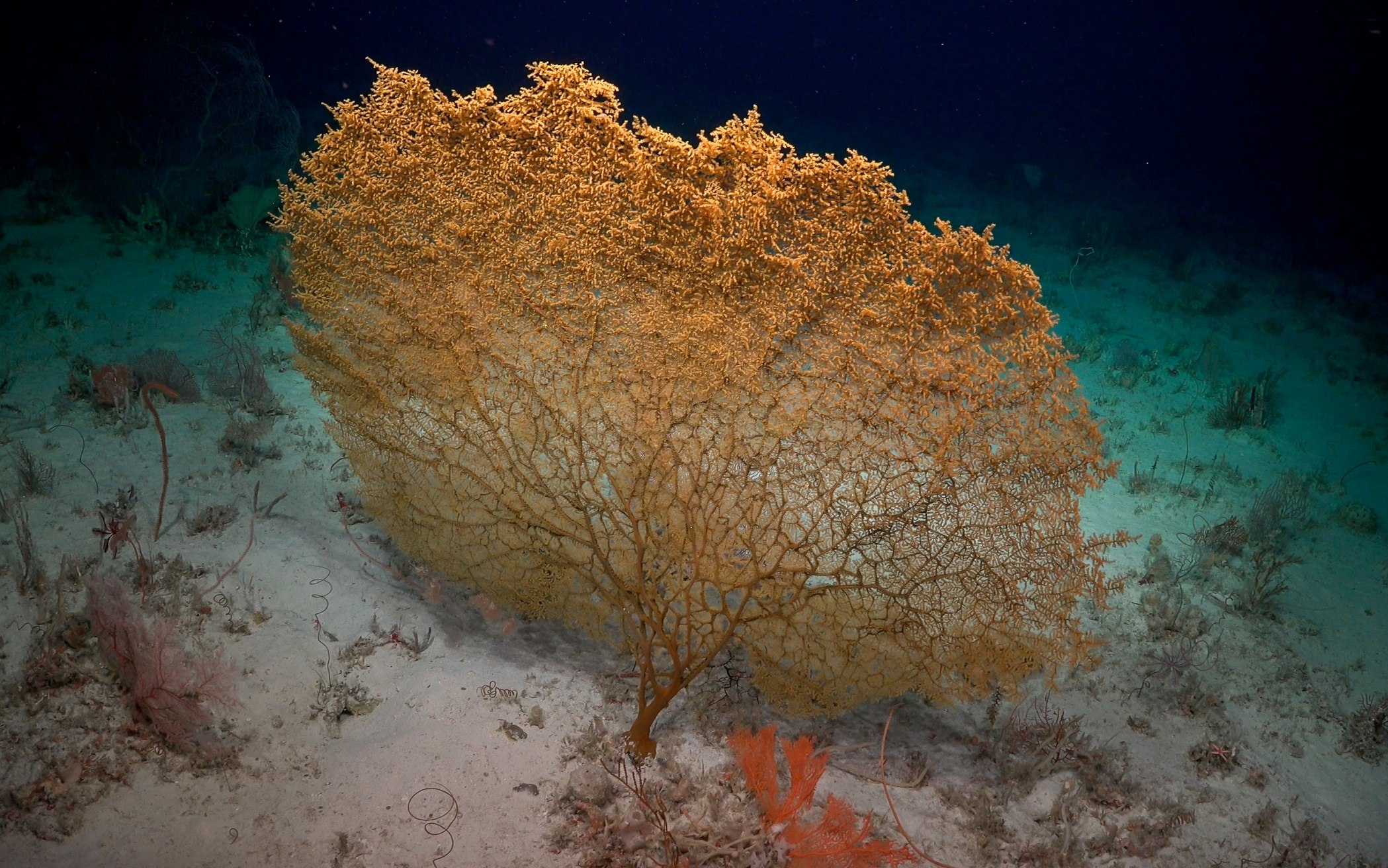
- 17
Shining a Light on Mesophotic Coral - Video Update
14 April 2021
Read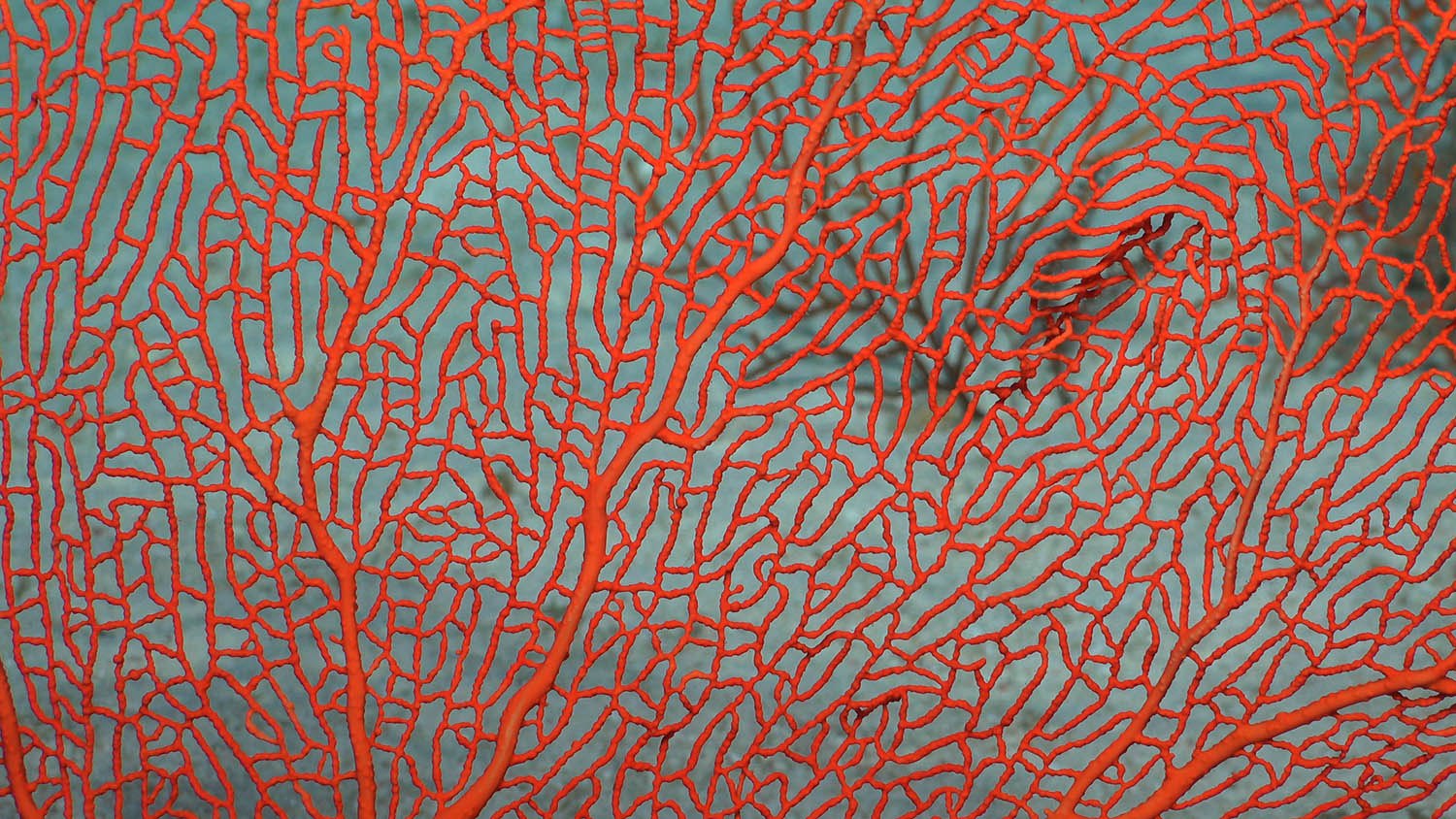
- 18
Uncovering the Secrets of Ashmore Reef
9 April 2021
Read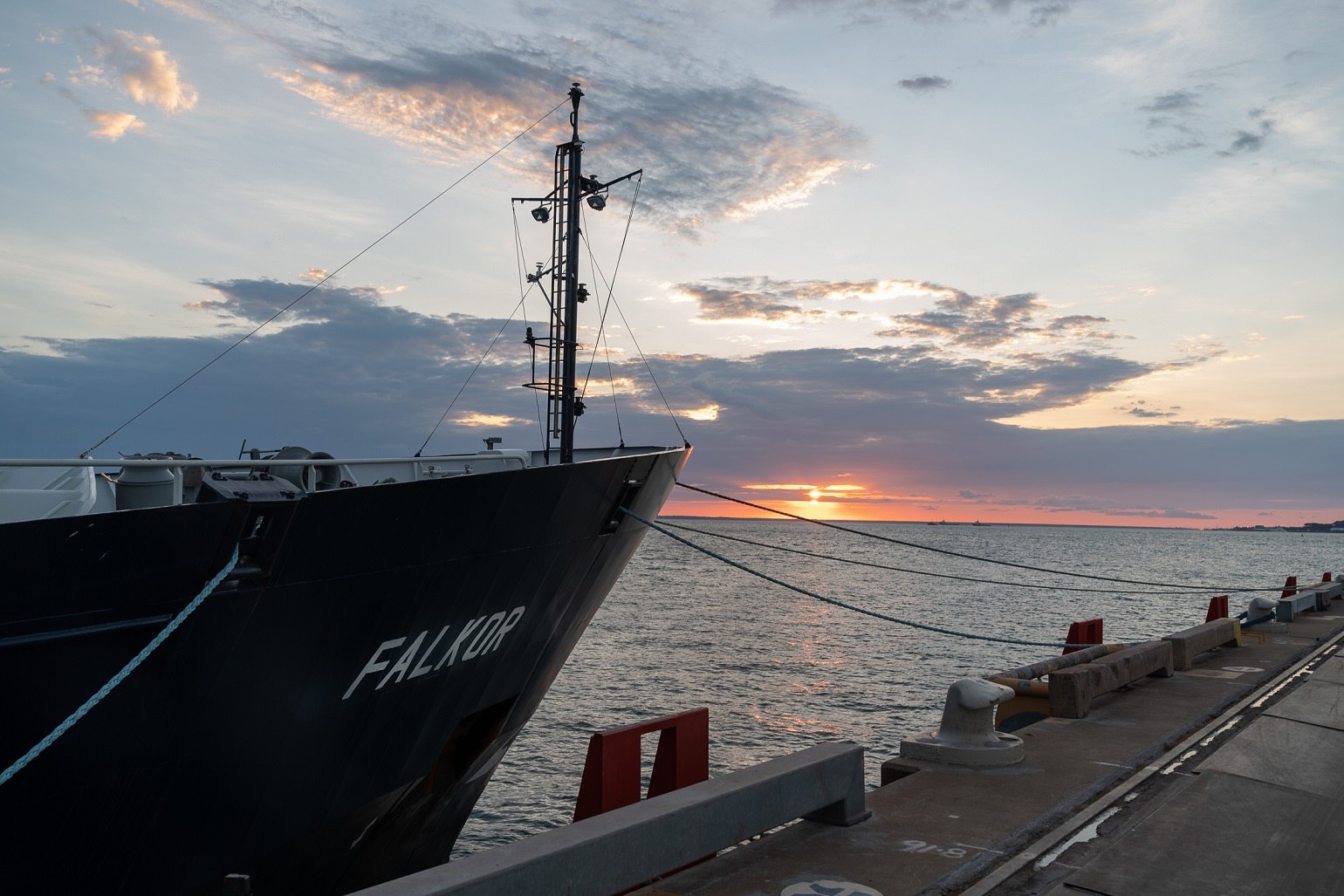
Related Galleries
View AllWe are happy to offer a streamlined request process when usage falls within the parameters outlined in the Creative Commons Attribution-Noncommercial-ShareAlike 4.0 International (CC BY-NC-SA 4.0) License. However, due to our legal status as a 501(c)(3) private operating foundation, no media produced by Schmidt Ocean Institute may be used in attempting to influence legislation or lobbying.
Attribution-NonCommercial-ShareAlike | CC BY-NC-SA
Under this Creative Commons License, you are free to:
Share — copy and redistribute the material in any medium or format
Adapt — remix, transform, and build upon the material
Under the following terms:
Attribution. You must give appropriate credit, provide a link to the license, and indicate if changes were made. You may do so in any reasonable manner, but not in any way that suggests the licensor endorses you or your use.
NonCommercial. You may not use the material for commercial purposes.
ShareAlike. If you remix, transform, or build upon the material, you must distribute your contributions under the same license as the original.
Not sure this license fits your use? Head over to our Image Requests page to learn more
Divestreams
View all Divestreams

Weekly Videos
View all Weekly VideosDiscover More
Expedition Data
Title  | Type | Repository |
|---|---|---|
| Records of species occurrence at Ashmore Reef | Biological Samples | Atlas of Living Australia (ALA) |
| Environmental sensor data | Oceanographic Property Data | Australian Institute Of Marine Science (AIMS) |
| Vessel Underway Data | Oceanographic Property Data | Rolling Deck to Repository (R2R) |
| Archived benthic imagery of Ashmore mesophotic reefs | Sonar Data | Australian Institute Of Marine Science (AIMS) |
| Processed multibeam bathymetry (16m grid) | Sonar Data | Marine Geoscience Data System (MGDS) |
| Benthic cover analysis | Captured Image/Video, Oceanographic Property Data | Australian Institute Of Marine Science (AIMS) |
| CTD, imagery, and navigation data | Navigation Data, Captured Image/Video | Marine Geoscience Data System (MGDS) |
Publications from This Expedition
30 Day Preliminary Cruise Report: Australian Mesophotic Coral Examination
Beaman, R., Picard, K., and Miller, A. (2022). RV Falkor Surveys in Australia 2020-2021. Oral Presentation and Conference Paper, Hydrospatial 2021 Conference, Australasian Hydrographic Society, Cairns, Australia.
[This Article was published OPEN ACCESS]Speed, C., Wilson, N., Somaweera, R., Udyawer, V., Meekan, M., Whisson, C., and Miller, K. (2022). Video surveys of sea snakes in the mesophotic zone shed light on trends in populations. Front. Mar. Sci., doi: 10.3389/fmars.2022.921542.
[This Article was published OPEN ACCESS]Carmignani, A., Radice, V., McMahon, K., Holman, A., Miller, K., Grice, K., and Richards, Z. (2023). Levels of autrophy and heterotrophy in mesophotic corals near the end photic zone. Frontiers in Marine Science, 10, doi: 10.3389/fmars.2023.1089746.
[This Article was published OPEN ACCESS]