



Dive In
About the Expedition
Powerful geologic forces converge off the coast of Chile. As the Nazca plate dives under the South American plate, mountains are built, and earthquakes rumble. Along this Chilean margin, unexplored submarine canyons likely host biodiversity hotspots. Methane seeps, vents, and nutrient- and particle-rich runoff from nearby land masses fuel these ecosystems. How these overarching physical and chemical factors influence the distribution and diversity of marine species along the Chilean coastline is poorly understood. Characterizing the environments of the Chilean margin, their potential connections, and how they turnover nutrients like carbon is essential for understanding the role of these waters within the larger global ocean system.
Drs. Jeffrey Marlow from Boston University, US, Patricia Esquete from the University of Aveiro, Portugal, and Eulogio Soto from the Universidad de Valparaíso, Chile, have combined their scientific strengths to assemble an interdisciplinary and international scientific team to map, sample, and characterize the deep-sea ecosystems along the central-south Chile margin during this 55-day expedition. Their research will advance our understanding of an essential area in the Ocean while strengthening efforts to manage and protect Chile’s waters.
- Dive Markers
- Trackline
The Mission
A natural laboratory
The Chile margin is a nearshore deep-sea feature where a submerged continental shelf extends from the country’s west coast and drops steeply and suddenly into the Pacific Ocean. It runs the entire length of South America due to the subduction of the Pacific plate under the South American plate. The confluence of tectonic forces and terrestrial influences makes this margin an ideal, if understudied, natural laboratory for investigating chemosynthetic and deep-sea environments along a latitudinal gradient. The science team will integrate geological, geochemical, and biological studies through exploratory and targeted investigations of several methane seeps and submarine canyons from Valparaiso to Punta Arenas, Chile. This research will advance understanding of how geological forces propagate through seafloor ecosystems, influence carbon and nitrogen cycling, determine where animals live, and shape evolutionary dynamics.
As marine organisms die, they sink to the seafloor, where they are buried in the sediment — decomposing and enabling the slow buildup of methane. Eventually, the gas escapes upward through cracks and fissures, forming methane seeps. Tiny single-celled organisms, chemosynthetic microbes, convert methane into energy to grow, forming carbonate rocks in the process. These seeps are known to be essential habitats, and the microbes consuming methane ensure this greenhouse gas remains locked in the seafloor and out of our atmosphere.
Detailed, high-resolution seafloor images, when paired with geochemical measurements in the water column, will help researchers identify ideal locations for further exploration with the ship’s remotely operated vehicle, or ROV, SuBastian. The team intends to explore the Limarí Seeps, the El Quisco Seep Area, the Concepcíon Methane Seep Area, the Mocha Island Seep Area, and the Chilean Triple Junction.
At each location, the scientists will study the geology, microbial and animal community diversity, metabolic activity, and geochemical fluxes, which is the movement of material between subsurface and surface reservoirs that occurs through volcanism and subduction of tectonic plates. Data and lab incubations will reveal how food and energy move through these ecosystems from one organism to another, and biodiversity surveys will help reconstruct food webs.
Seeps, vents, and a triple junction
As the expedition progresses, the team will search along the central and southern Chilean continental shelf and slope for undiscovered seeps and vents using advanced sonar mapping tools capable of detecting gas bubbles. Hydrothermal vents and hydrocarbon seeps have been important subjects of oceanographic research for over thirty years. Previous exploration along the Chile Margin has confirmed approximate seep locations. However, the seeps have never been visited by a scientific-class ROV; locating them could unlock myriad new questions regarding biogeography and nutrient cycling.
At the Chile Triple Junction, the Nazca and Antarctic plates create the Chile rise and then sink beneath the South American plate. This type of plate boundary is called a subduction zone, and this particular subduction zone is intersected by the Chile Rise, a spreading center where the Nazca and Antarctic plates separate, forming new oceanic crust. This junction is the only modern site in the world where a mid-ocean ridge is being swallowed beneath a continental plate. Scientists have detected chemical signatures of hydrothermal vents at the triple junction, but they have not yet been seen or sampled. The dynamic nature of these features makes thrilling discoveries and observations likely; it is possible that methane seeps and hydrothermal vents coincide at the Chilean triple junction, creating a distinct chemosynthetic environment.
More broadly, collecting data from central to Southern Chile will allow the science team to reveal the role of surface productivity, upwelling, benthic processes, and geophysical events in the variability of ecosystem functions.
Supporting the Ocean Decade & beyond
The expedition will take place under the umbrella of the Challenger 150 Program, a global cooperative of research programs endorsed by IOC-UNESCO as an official Ocean Decade activity. Building on the 2010 Census of Marine Life, an international project that recorded the diversity, distribution, and abundance of life in the ocean, Challenger 150 offers a framework for the ocean science community to build capacity, expand deep-sea observations, build knowledge of ecosystem services, and support scientifically-informed decision-making. With participants from the U.S., Chile, Portugal, Norway, New Zealand, Russia, Italy, Australia, Germany, and the Netherlands, this expedition will likely lay the groundwork for more robust deep-sea exploration in an essential but understudied area of the Ocean.
The expedition findings will inform Chile’s 30x30 conservation actions, and Nationally Determined Contributions, and National Adaptation Plans for the Paris Agreement. They will also contribute to capacity building and technology transfer as outlined in the Biodiversity Beyond National Jurisdiction Agreement. This expedition will bolster international scientific collaboration that is responsive to Chilean scientific and conservation interests.
Team and Collaborators
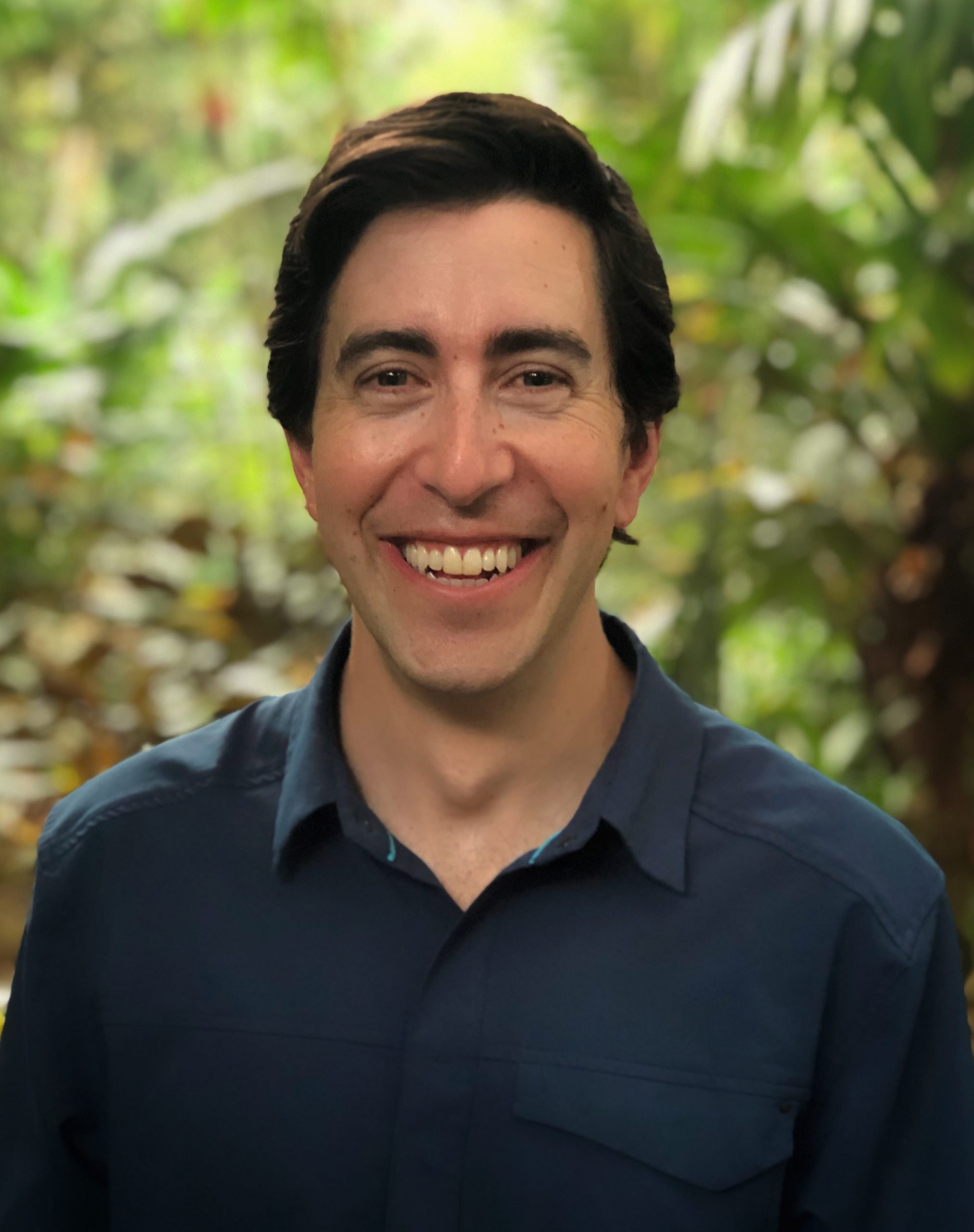
Jeffrey Marlow
Chief Scientist
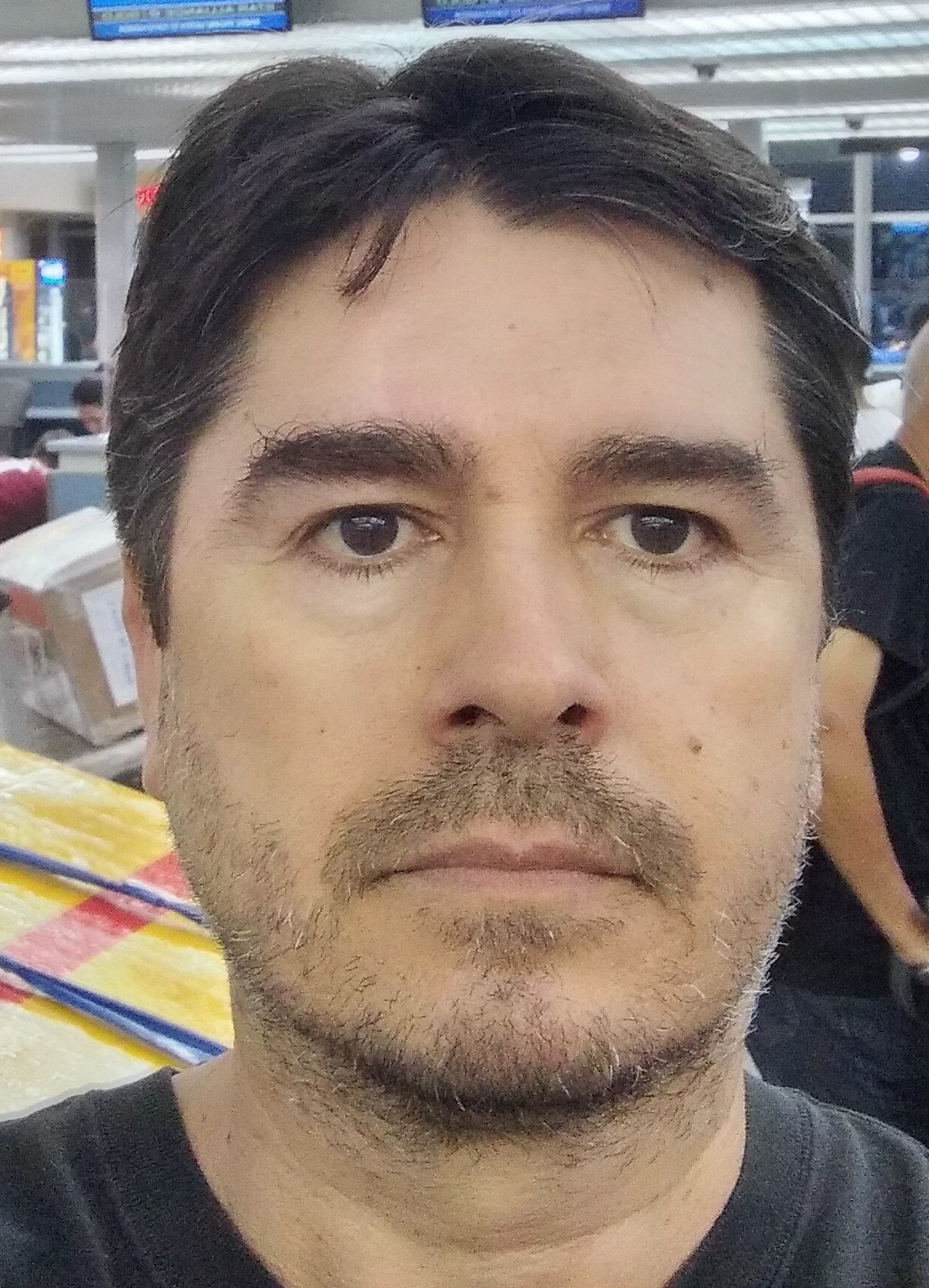
Eulogio Soto
Co-Chief Scientist
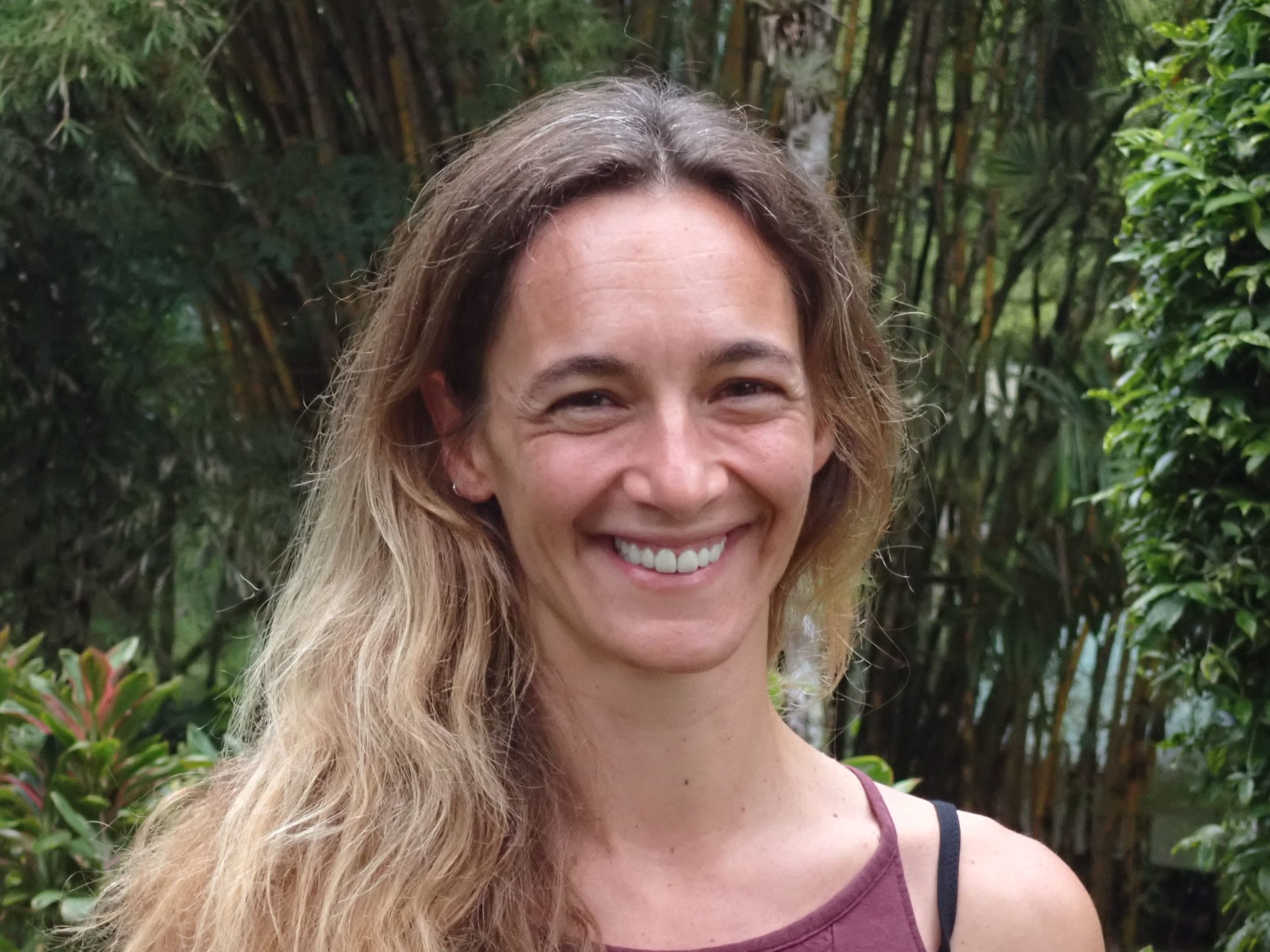
Patricia Esquete
Co-Chief Scientist
Pamela Linford
Americo Montiel San Martín
Marlen Tham
Davis Dexter

Fernada Orrego
Greg Rouse

Lisa Levin
Maritza Castro
Josefa Araya Campano
Erin Frates
Davide Oppo
Miles Harbury
Sofia Ramalho
Manuel Castillo
Scott Wieman
Yerko Castillo
Adam Skarke
Mónika Naranjo-Shepherd
Multimedia Correspondent
Tanja Stratmann
Jorge Pérez-Schultheiss
Amanda Semler

Práxedes Muñoz
Matthew Lee

Sarai Alvarez Zepeda
Jeff Beeson
Monserratt Gonzalez
Dakota Betz
Anna M. Addamo
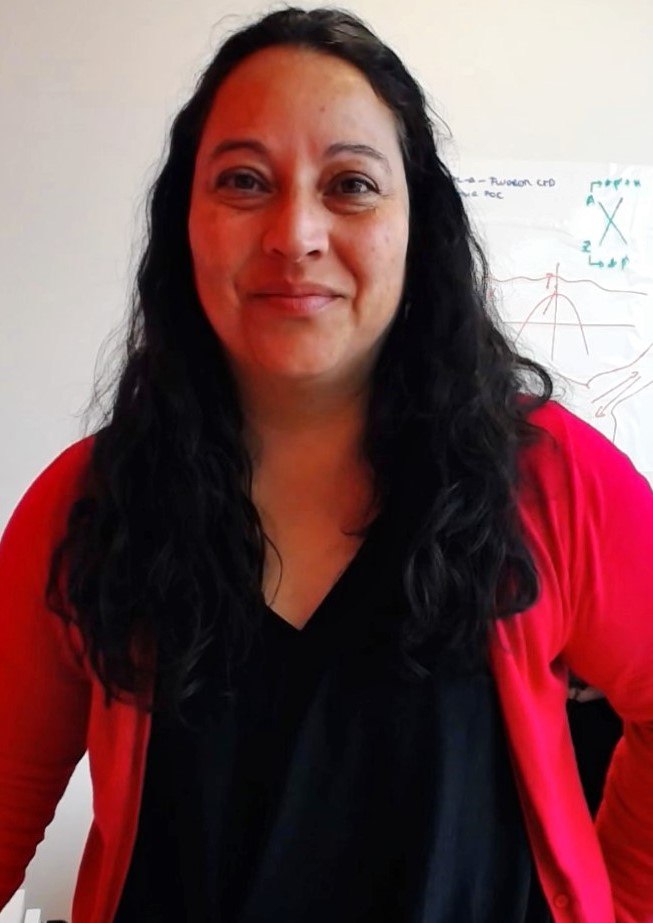
Marcela Cornejo
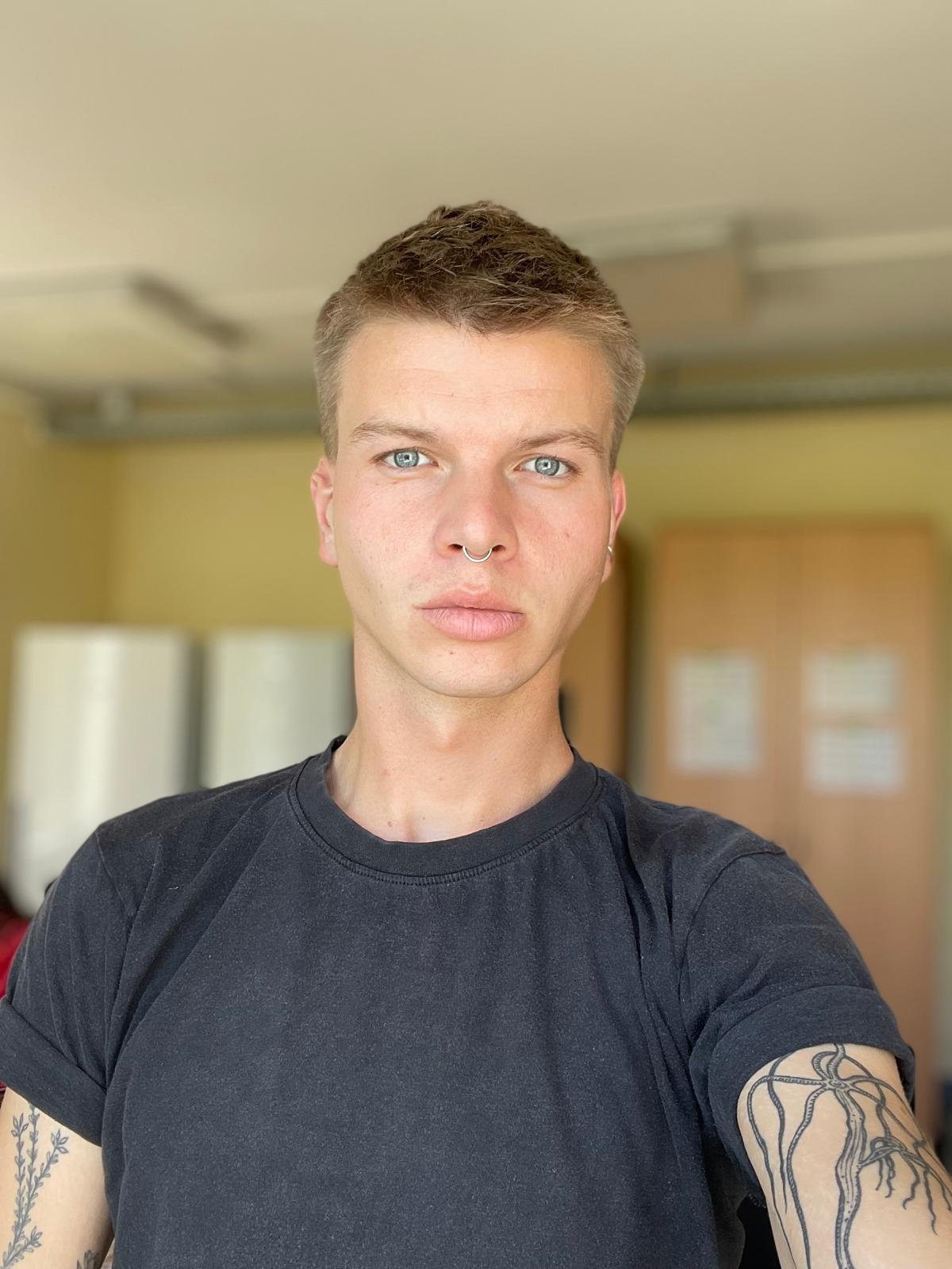
Fritz Schiller
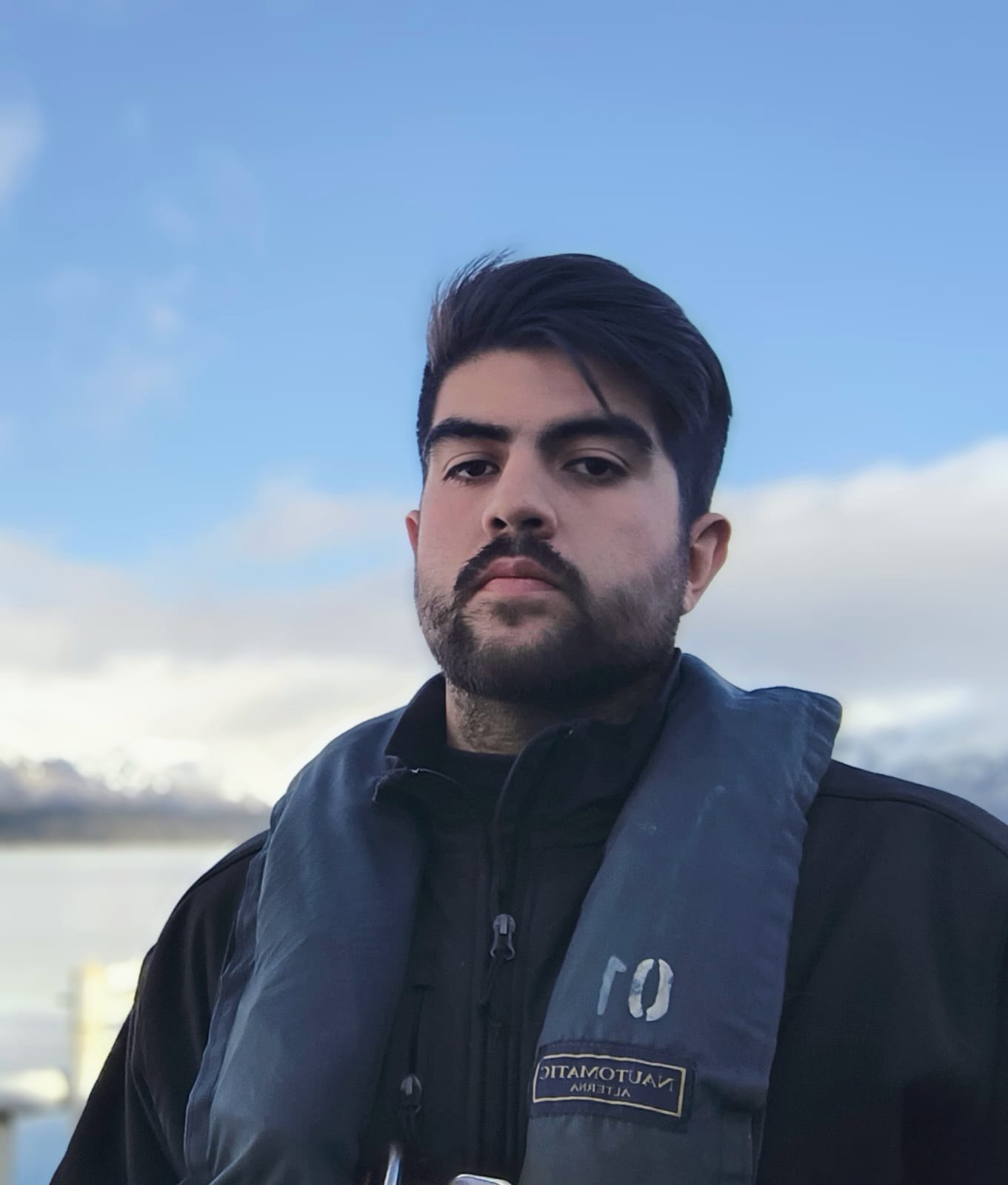
Gonzalo Albornoz
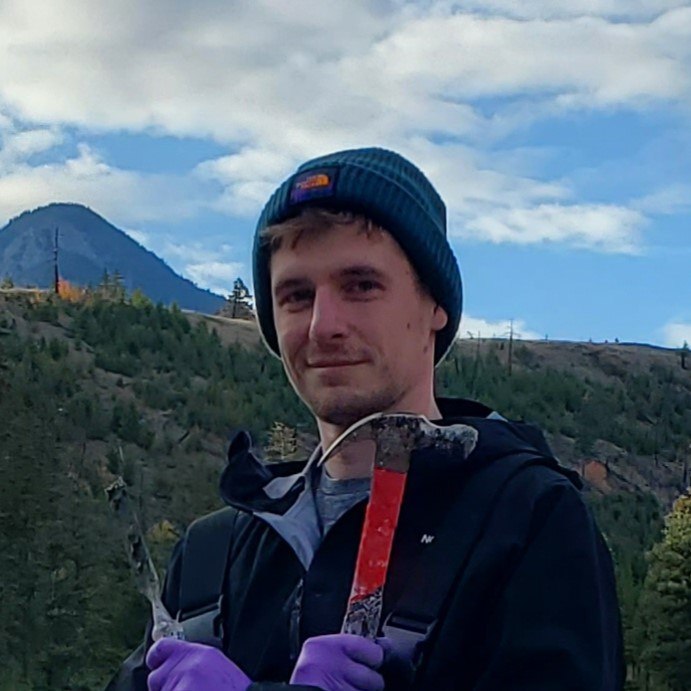
Dylan Mankel
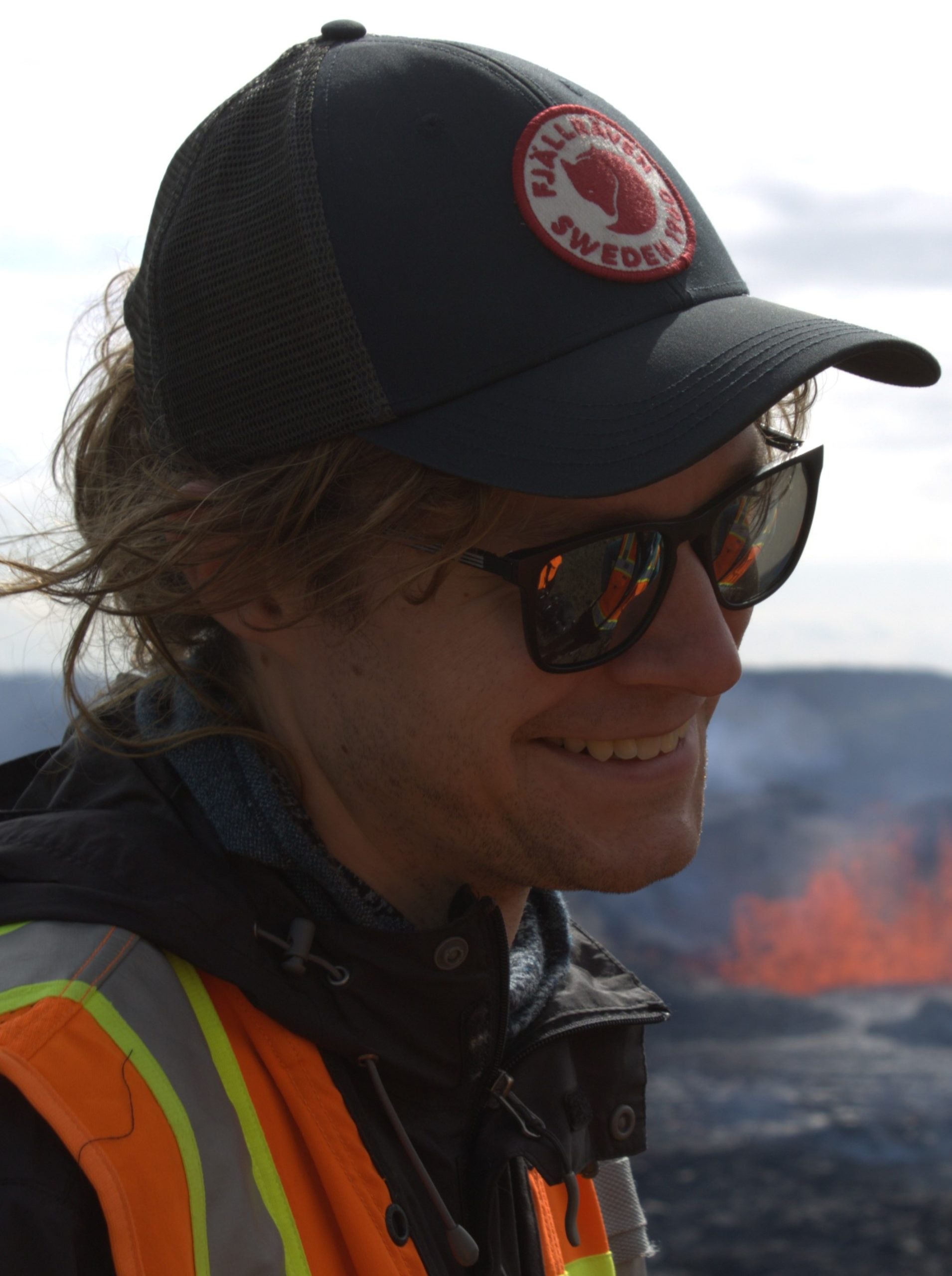
Peter Schroedl
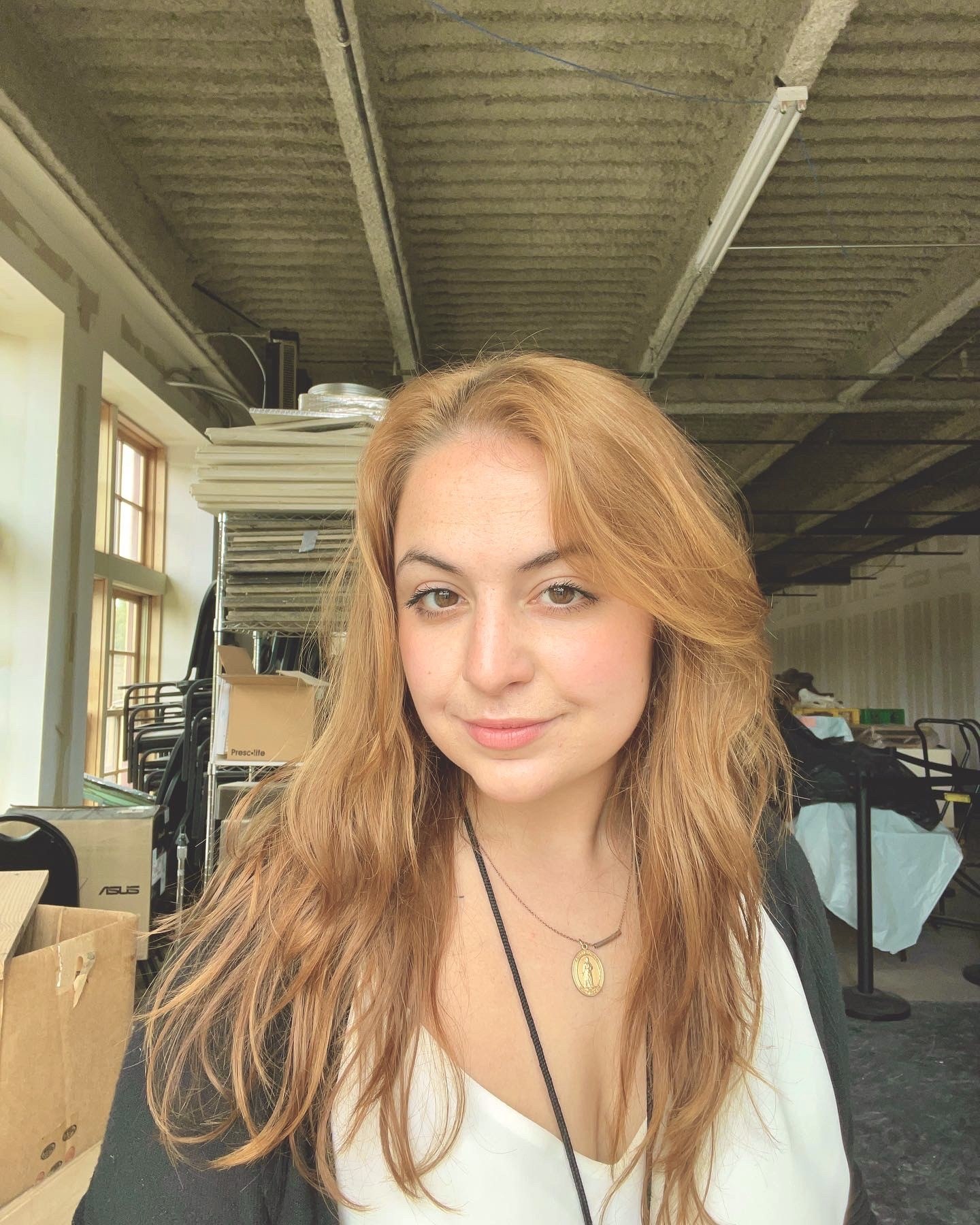
Gracie Babineaux
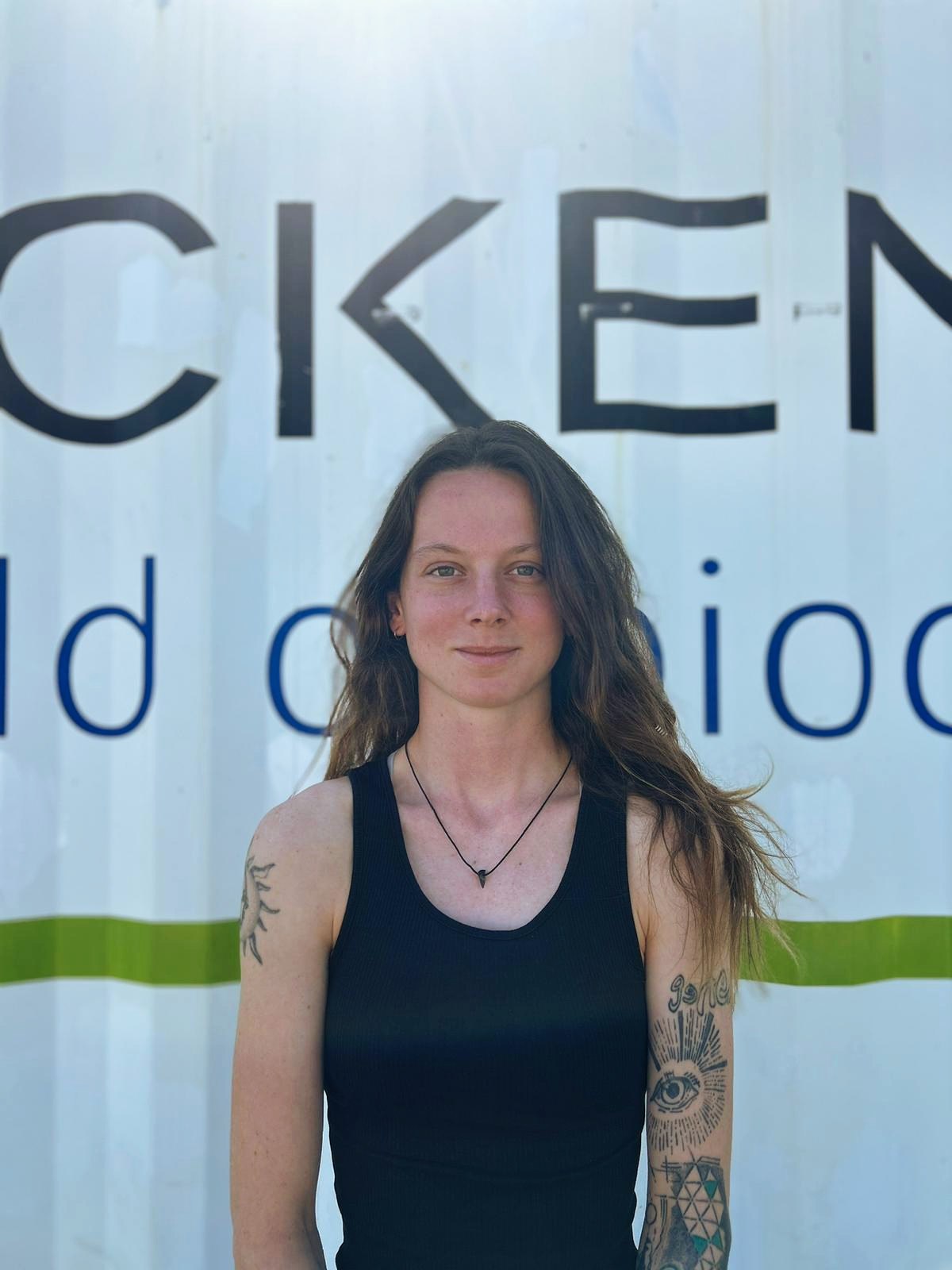
Amber Henningsen
Tania Figueroa
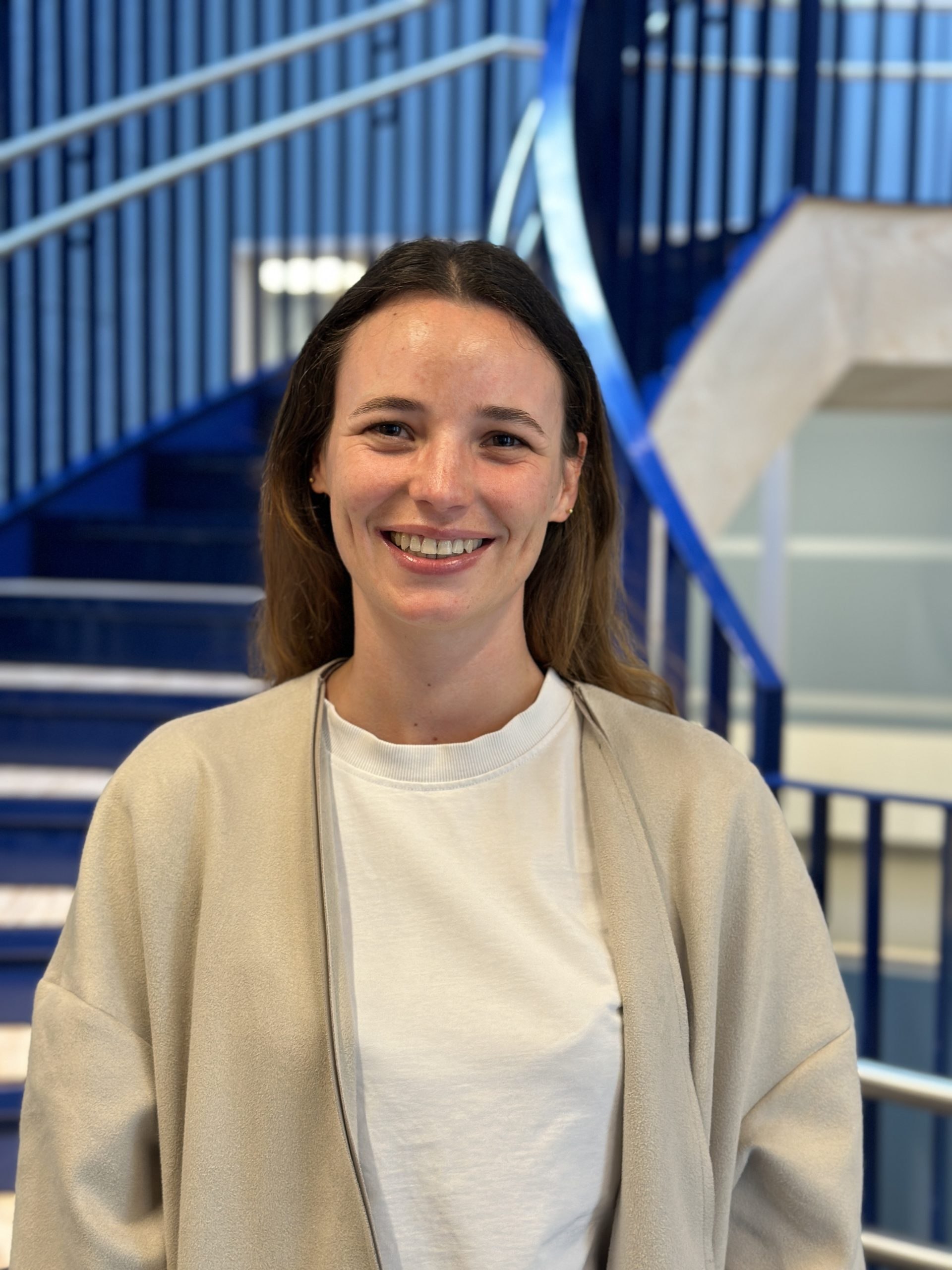
Amy Mackintosh

Lucia Villar Muñoz
Paola Santiago
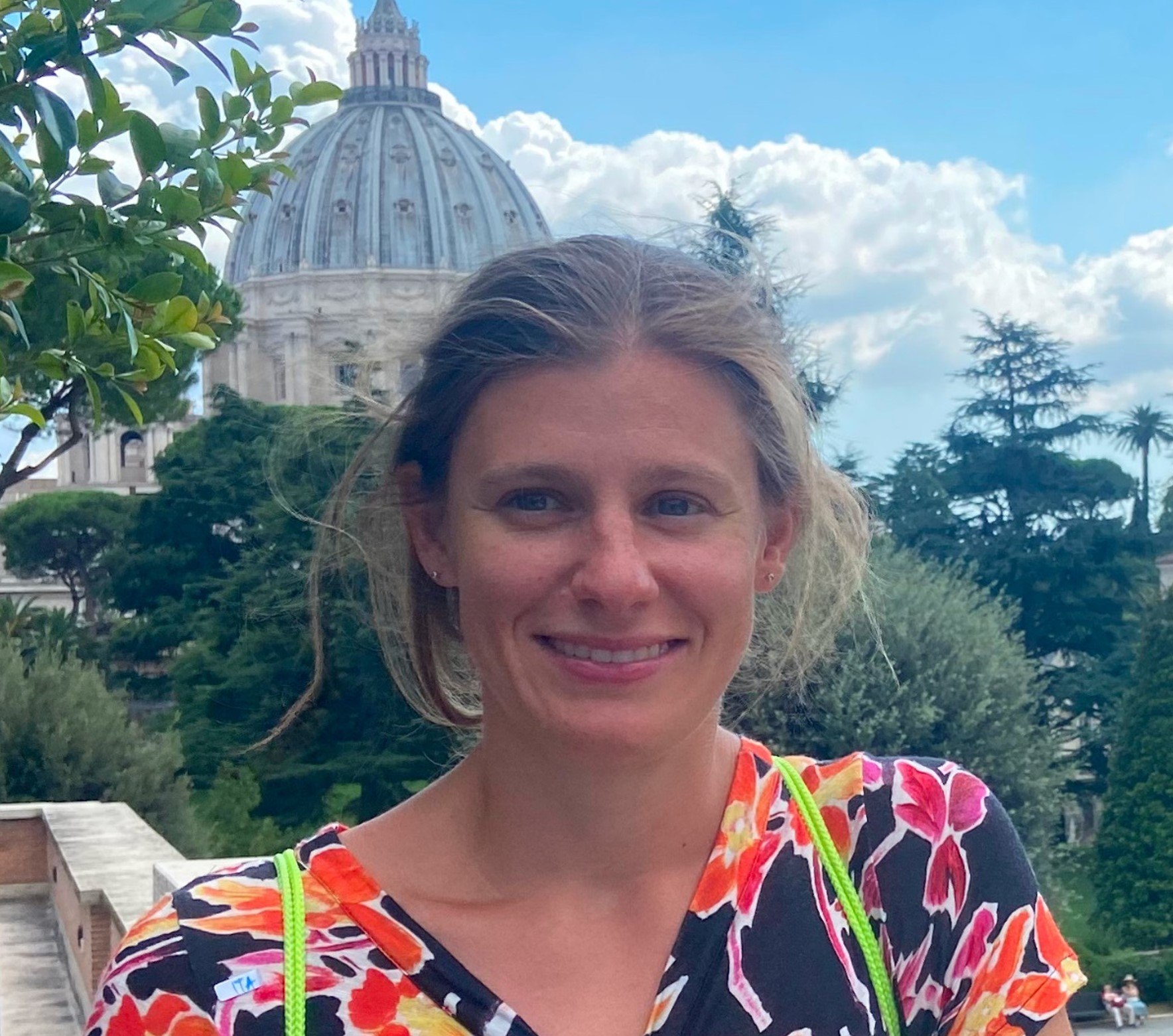
Caterina Maria Antognazza












Explore
Related Galleries
View All
We are happy to offer a streamlined request process when usage falls within the parameters outlined in the Creative Commons Attribution-Noncommercial-ShareAlike 4.0 International (CC BY-NC-SA 4.0) License. However, due to our legal status as a 501(c)(3) private operating foundation, no media produced by Schmidt Ocean Institute may be used in attempting to influence legislation or lobbying.
Attribution-NonCommercial-ShareAlike | CC BY-NC-SA
Under this Creative Commons License, you are free to:
Share — copy and redistribute the material in any medium or format
Adapt — remix, transform, and build upon the material
Under the following terms:
Attribution. You must give appropriate credit, provide a link to the license, and indicate if changes were made. You may do so in any reasonable manner, but not in any way that suggests the licensor endorses you or your use.
NonCommercial. You may not use the material for commercial purposes.
ShareAlike. If you remix, transform, or build upon the material, you must distribute your contributions under the same license as the original.
Not sure this license fits your use? Head over to our Image Requests page to learn more
Divestreams
View all Divestreams

Weekly Videos
View all Weekly VideosDiscover More
Expedition Data
Title  | Type | Repository |
|---|---|---|
Processed Multibeam from Falkor (too) | Sonar Data | Marine Geoscience Data System (MGDS) |
| Vessel Underway Data | Oceanographic Property Data | Rolling Deck to Repository (R2R) |
| ROV Image Data | Captured Image/Video | Marine Geoscience Data System (MGDS) |
| ROV SuBastian Sensor Data | Oceanographic Property Data | Marine Geoscience Data System (MGDS) |
| ROV Event Log Data | Other | Marine Geoscience Data System (MGDS) |
| ROV M3 Data | Sonar Data | Marine Geoscience Data System (MGDS) |
| ADCP Data | Oceanographic Property Data | University of Hawaii SOEST |
Publications from This Expedition
Levin, L., Soto, E., Castillo, Y., Esquete, P., and Marlow, J. (2025). Congregation of cusk-eels (Genypterus chilensis, Ophidiiformes) at a deep-sea methane seep off Chile. Ecology, 106 (10), doi: 10.1002/ecy.70237.
[This Article was published OPEN ACCESS]Preliminary Expedition Report: Canyons, Vents, and Seeps of the Chile Margin
[This Article was published OPEN ACCESS]Hiley, A., Green, K., and Rouse, G. (2025). Seven new species of scaleworms (Lepidonotopodini, Polynoidae, Plychaeta, Annelida) from deep-sea chemosynthetic-based ecosystems. Marine Biodiversity, 55 (106), doi: 10.1007/s12526-025-01580.
[This Article was published OPEN ACCESS]Mandre, P., and Rouse, G. (2025). Molecular Phylogeny of the Deep-Sea Predatory Octacnemidae (Ascidiacea, Tunicata, Chordata), with Seven New Species. Diversity, 17(12), doi: 10.3390/d17120859.
[This Article was published OPEN ACCESS]Pardo-Gandarillas, M. and Ibanez, C. (2026). New Insights into the Molecular Phylogeny of Graneledone (Cephalopoda, Megaleledonidae) and Description of a New Species from the Southeastern Pacific Ocean. Journal of Marine Science and Engineering, 14(3), doi: 10.3390/jmse14030311.
[This Article was published OPEN ACCESS]Perez-Schultheiss, J., Esquete, P., Henningsen, A., Soto, E., and Marlow, J. (2026). Hitch-hiking in the deep sea: Amphipods embrace sea spiders in the Southeast Pacific Ocean. Ecology, 107(9), doi: 10.1002/ecy.70443.
[This Article was published OPEN ACCESS]Wieman, S. Skarke, A., Beeson, J., Frates, E., Villar-Muñoz, L., Oppo, D., Youngs, S., Kapit, J., Soto, E., Marlow, J., and Michel, A. (2026). Quantifying Deep Ocean Methane Along the Central Chilean Margin. Geophysical Research Letters, 53(20), doi: 10.1029/2026GL124079.
[This Article was published OPEN ACCESS]