


Dive In
About the Expedition
The deep sea is home to a variety of understudied, otherworldly ecosystems that are in need of human understanding if they are to have any protection from encroaching deep-sea fishing and mining activities. These systems support the global marine environment through habitat creation, nutrient cycling, and maintenance of biodiversity. However, they also happen to be found in areas with rich stores of oil, gas, minerals, and potential new pharmaceuticals. Understanding what ecosystem processes generate these key services is fundamental to their protection.
- Dive Markers
- Trackline
The Mission
Characterizing Methane Seeps and Seamounts
The Pacific margin of Costa Rica is an area of seamount subduction where methane seeps, thermal anomalies, and non-subducting seamounts intersect and presumably interact. Despite several research expeditions to this region, scientists still know very little about how these types of ecosystems may be connected to communities in the rest of the oceans including the soft sediment background communities and deep-sea corals. To characterize these interactions, Dr. Erik Cordes, from Temple University, and his team of interdisciplinary researchers will use a framework coupling benthic sampling, near-bottom chemical sensor and photographic profiling, along with vertical characterizations through the water column from deep to shallow.
The 22-day expedition will visit multiple low-oxygen seep areas along the margin, and seamount sites out to the protected Isla del Coco National Park. The team will look to see how sites differ by depth, oxygen dynamics, pH, seep intensity, and the available substrate. At each site, a suite of sensors, instruments, and statistical methods will be used to combine biological and oceanographic surveys, transplant experiments, and vertical water column characterizations that will provide a full biogeochemical understanding of the area.
Exploring possible connections
Scientists believe there to be both chemical and biological linkages between seep sites, seamounts, and the surrounding environment. Corals and bivalves use calcium carbonate to build their skeletons and shells, which is less available in seawater with lower pH. It is possible that the oxidation of methane at the seep sites is a supplemental source for calcification to deep animals. Additionally, larger mobile animals may travel from site to site taking advantage of local chemosynthetic productivity, and congregating near topographic features such as seamounts.. This expedition will work to better understand how these habitats influence the animal life around it.
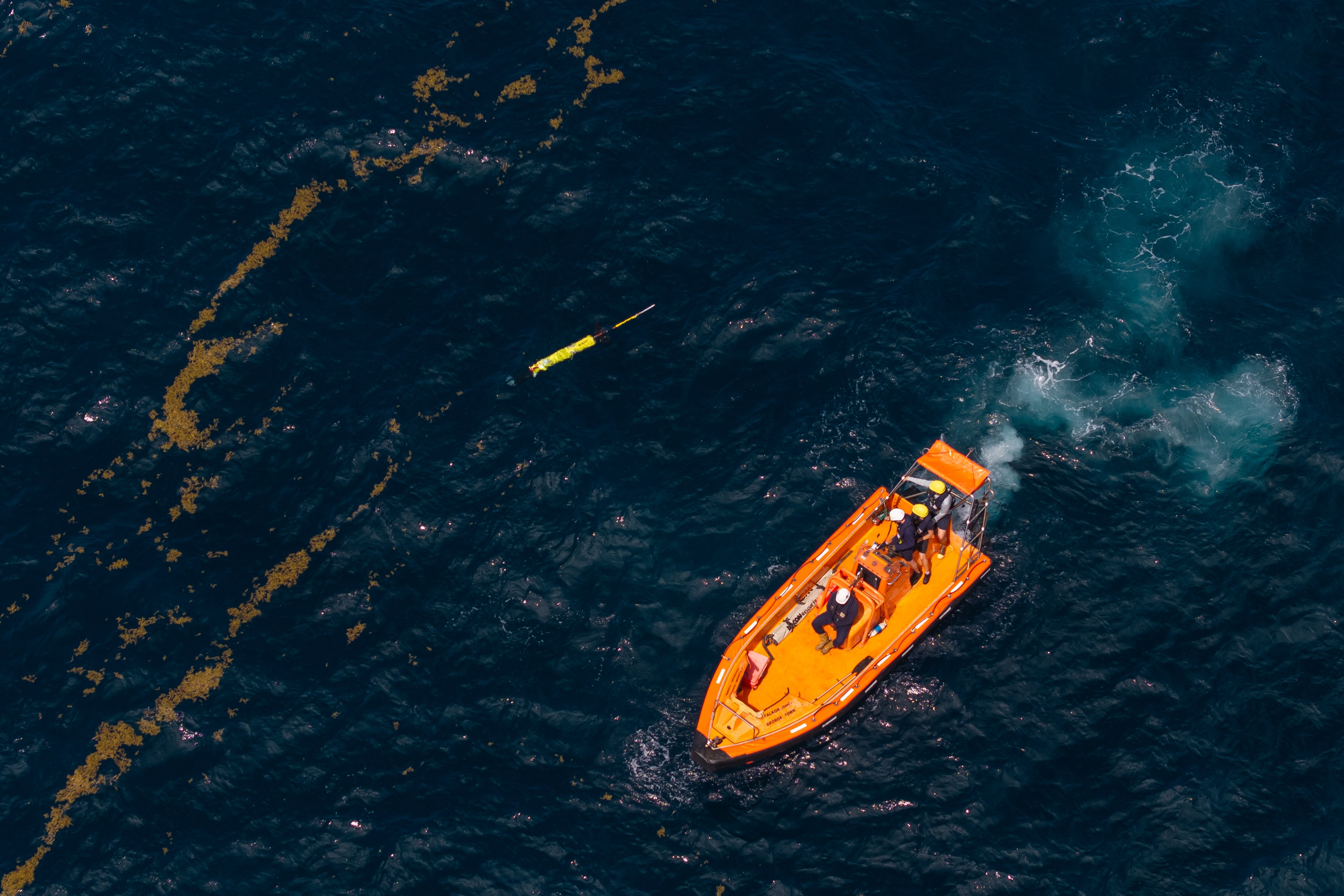
ROV SuBastian will explore the deep habitat collecting high resolution ocean chemistry measurements while performing video transects and obtaining sediment, rock, and animal samples. Along with the ROV, a custom ship-towed autonomous vehicle called “The Wire Flyer,” will get high resolution ocean sensing data vertically through the water column. Additionally, DNA and RNA sequencing will be used to compare animal and microbial communities from different habitats and substrates, and quantitative methods will be used to assess microbial activity.
This expedition will likely reveal new habitats, species, and possibly even new biogeochemical pathways. The chemical analyses that will be completed will help to improve our understanding of carbon cycling in the deep ocean, which has important implications not just for the surrounding deep ocean environments, but also for global climate cycling. Biological surveys of these environments will also help to resolve the relative similarity of fauna along a continuum of community types from hydrothermal vents to cold seeps and reefs. Finally, the data will provide baselines for these communities and support conservation efforts in Costa Rica that seek to protect these unique systems from the impacts of increasing human activities.
Team and Collaborators









Explore
Updates from the Ship
All Ship Updates
- 01
Costa Rican Deep Sea Connections - Sampling and Lab Methodologies
31 January 2019
Read
- 02
Costa Rican Deep Sea Connections - Species Discoveries Video
30 January 2019
Read
- 03
Costa Rican Deep Sea Connections - Week 03 Video Update
29 January 2019
Read
- 04
Aspirar y descubrir
28 January 2019
Read
- 05
Slurp and Discover
28 January 2019
Read - 06
En Medio de la Oscuridad
27 January 2019
Read
- 07
Out of the Darkness
27 January 2019
Read - 08
Geobiología marina de mar profundo
26 January 2019
Read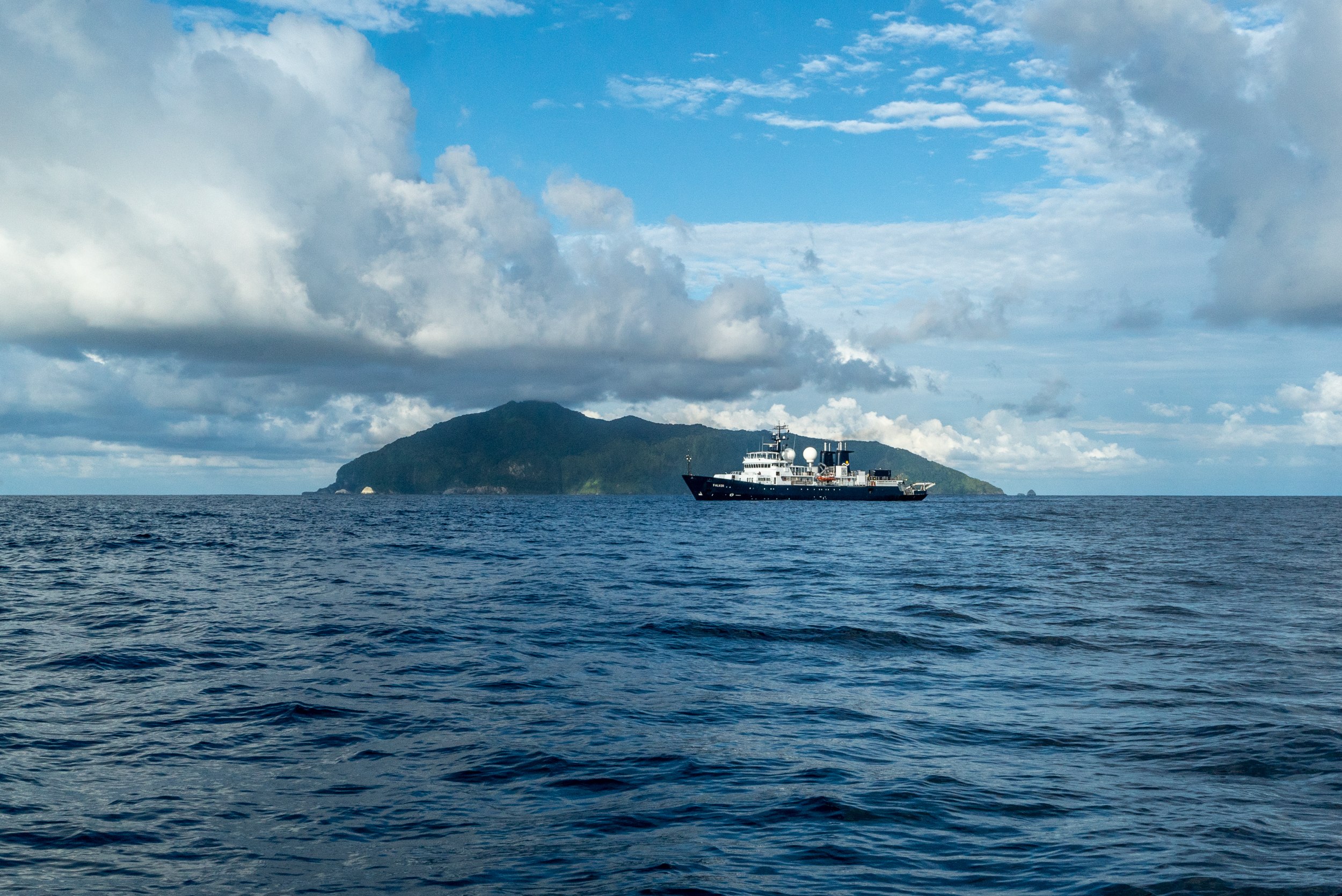
- 09
Deep-Sea Geobiology
26 January 2019
Read - 10
Breath-Taking Biodiversity
25 January 2019
Read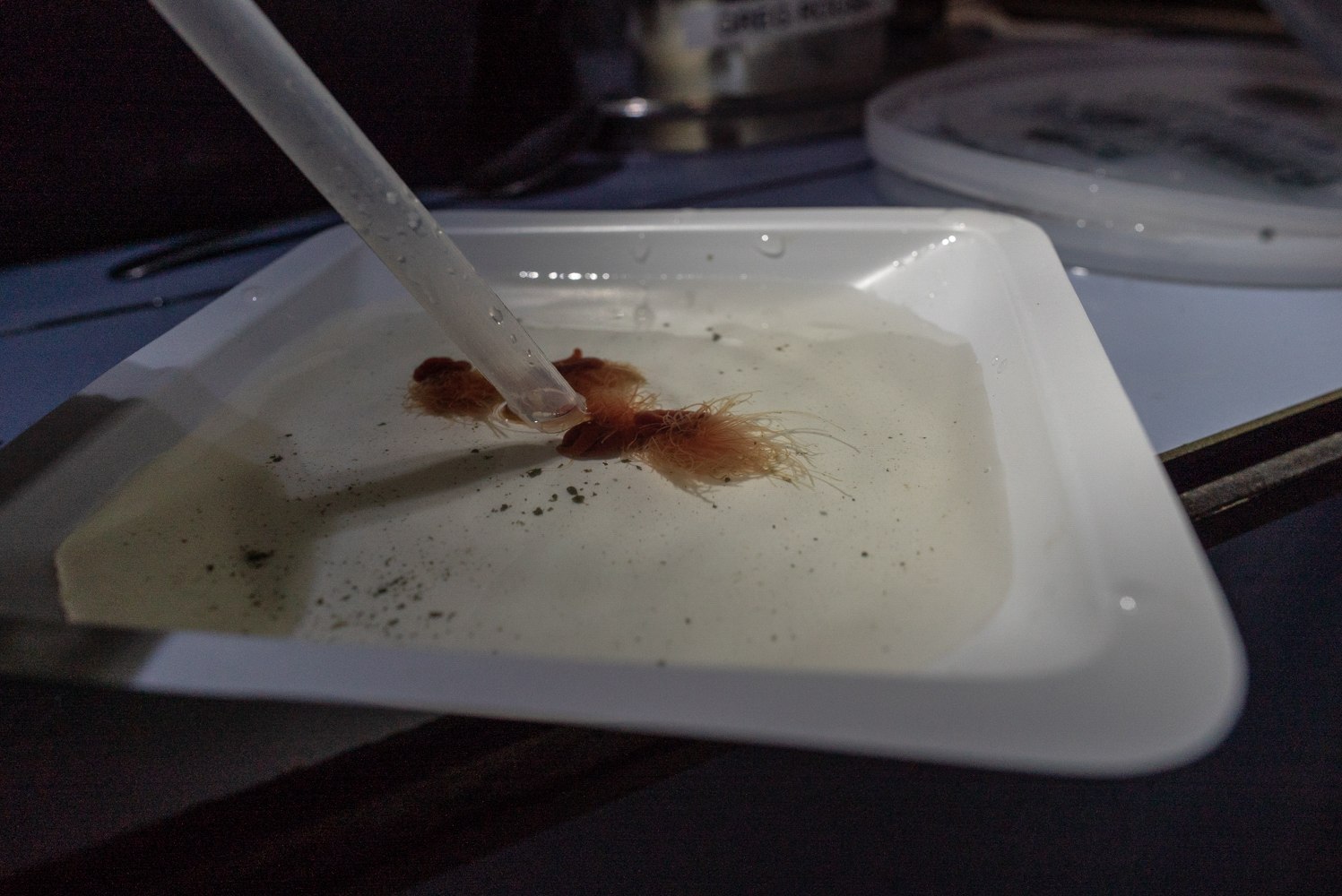
- 11
¿Por qué debe Costa Rica proteger sus áreas marinas profundas?
24 January 2019
Read
- 12
Why Costa Rica Should Study Its Deep Marine Areas?
24 January 2019
Read - 13
Explorando las Profundidades Costarricenses con Ojos Costarricenses
23 January 2019
Read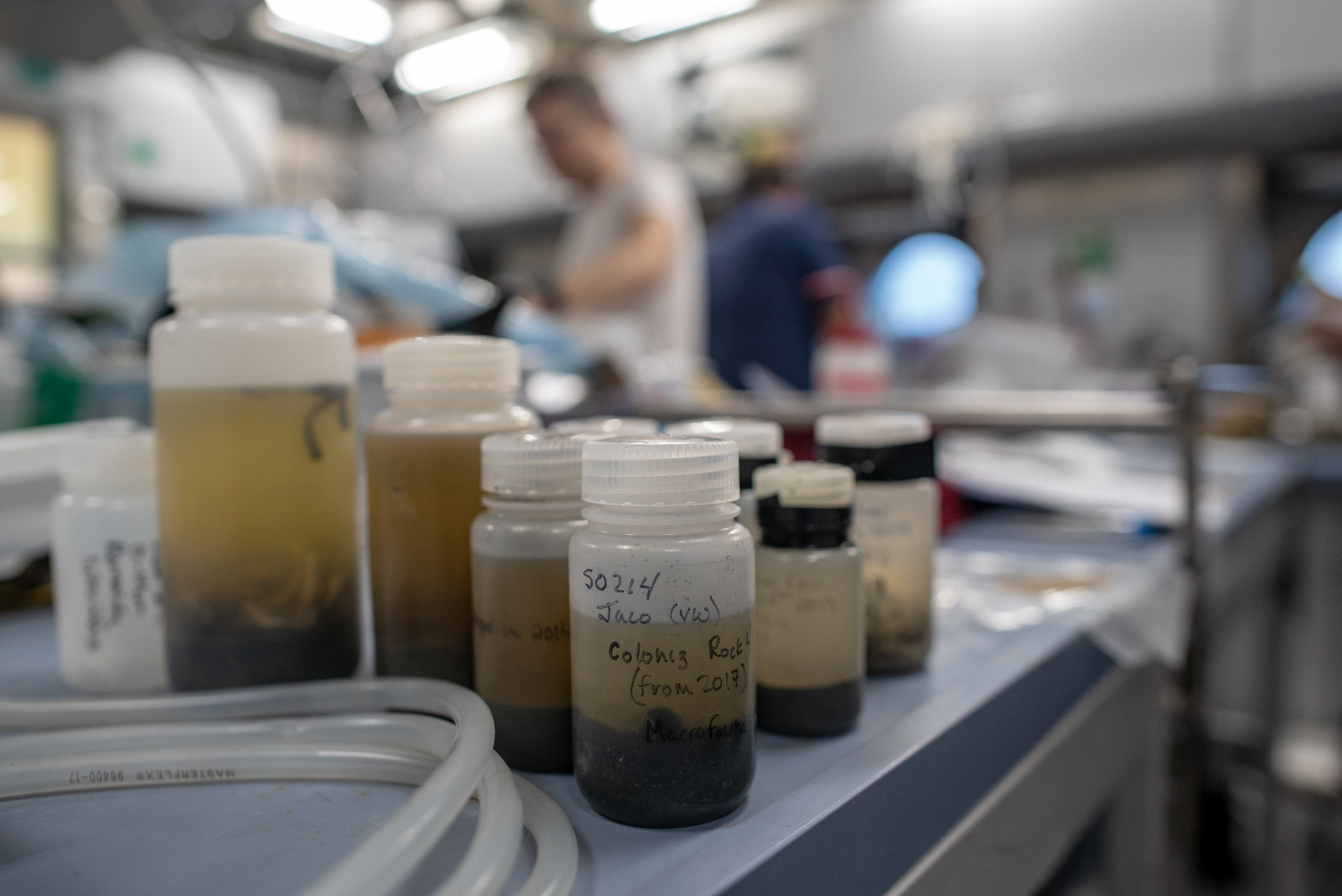
- 14
Exploring the Costa Rican Depths with Costa Rican Eyes
23 January 2019
Read - 15
Costa Rican Deep Sea Connections - Week 02 Video
22 January 2019
Read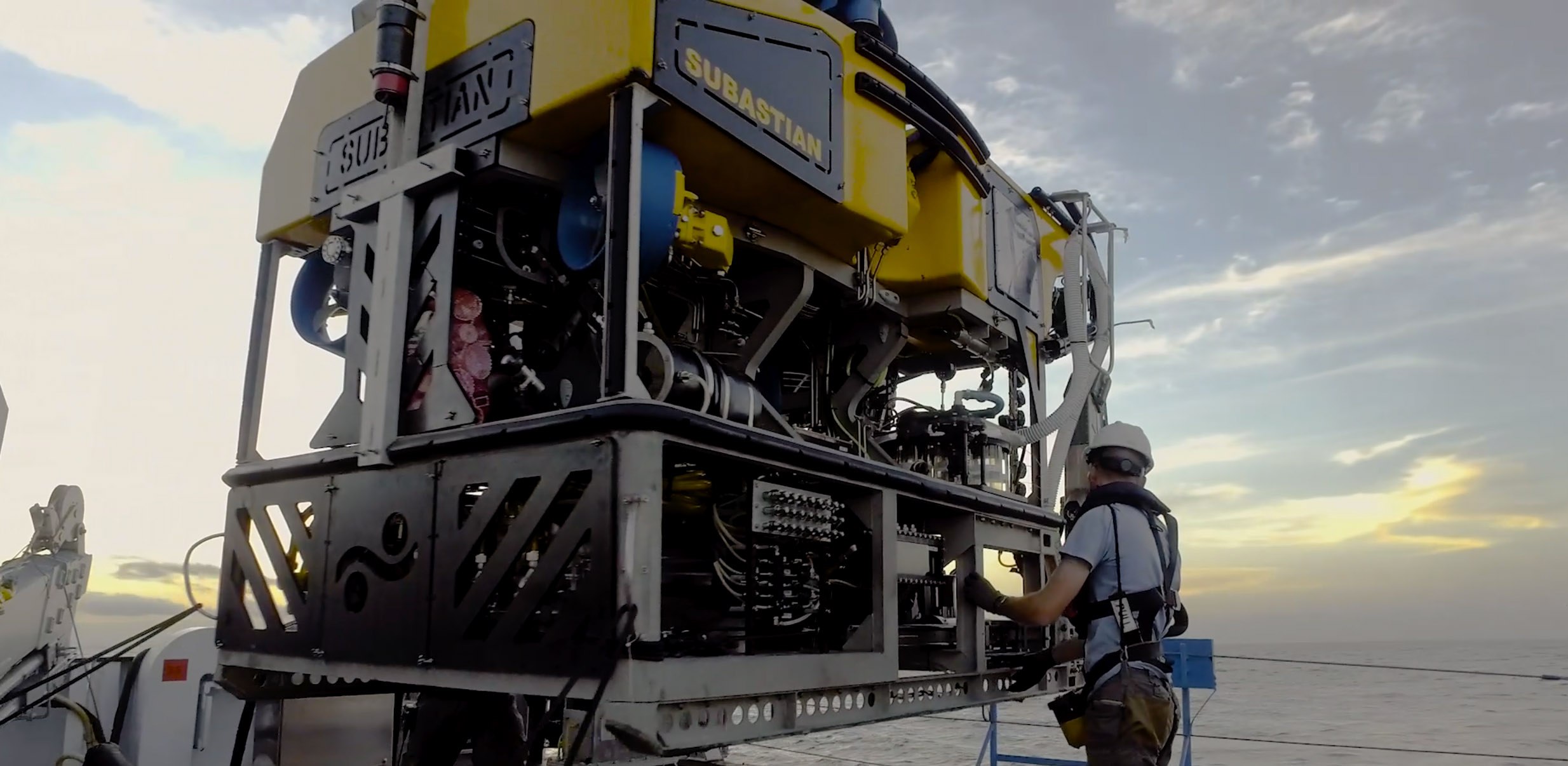
- 16
No Hay Hueso a Salvo
17 January 2019
Read
- 17
No Bone is Safe
17 January 2019
Read - 18
Escalando
16 January 2019
Read
- 19
Hiking Up
16 January 2019
Read - 20
Costa Rican Deep Sea Connections - Week 01 Video
14 January 2019
Read
- 21
Luchando en Contra
11 January 2019
Read
- 22
Up Against
11 January 2019
Read - 23
Inicia nuestra aventura en el margen de Costa Rica
10 January 2019
Read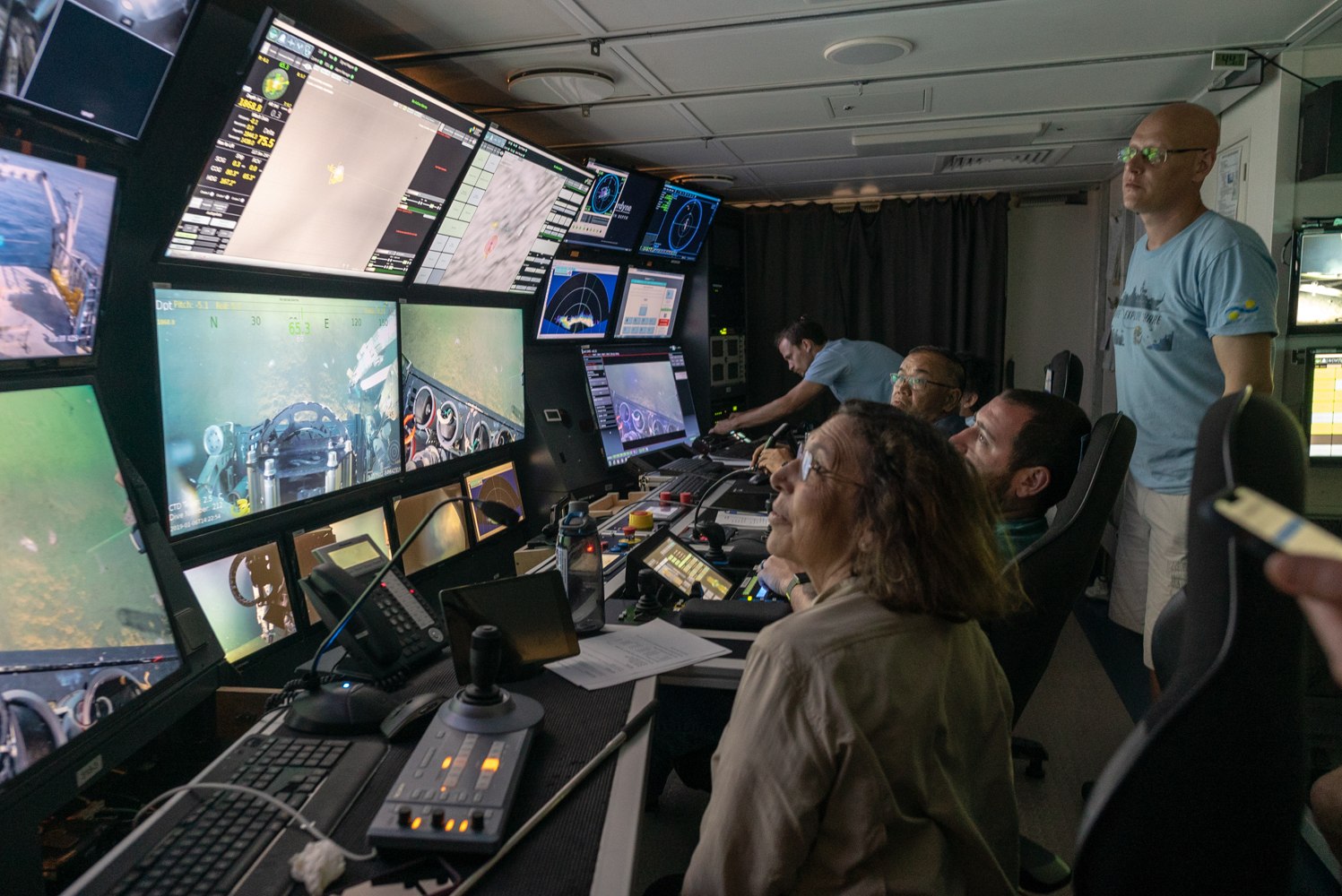
- 24
Our Costa Rica Margin Adventure Begins
10 January 2019
Read - 25
Familiar y Desconocido
8 January 2019
Read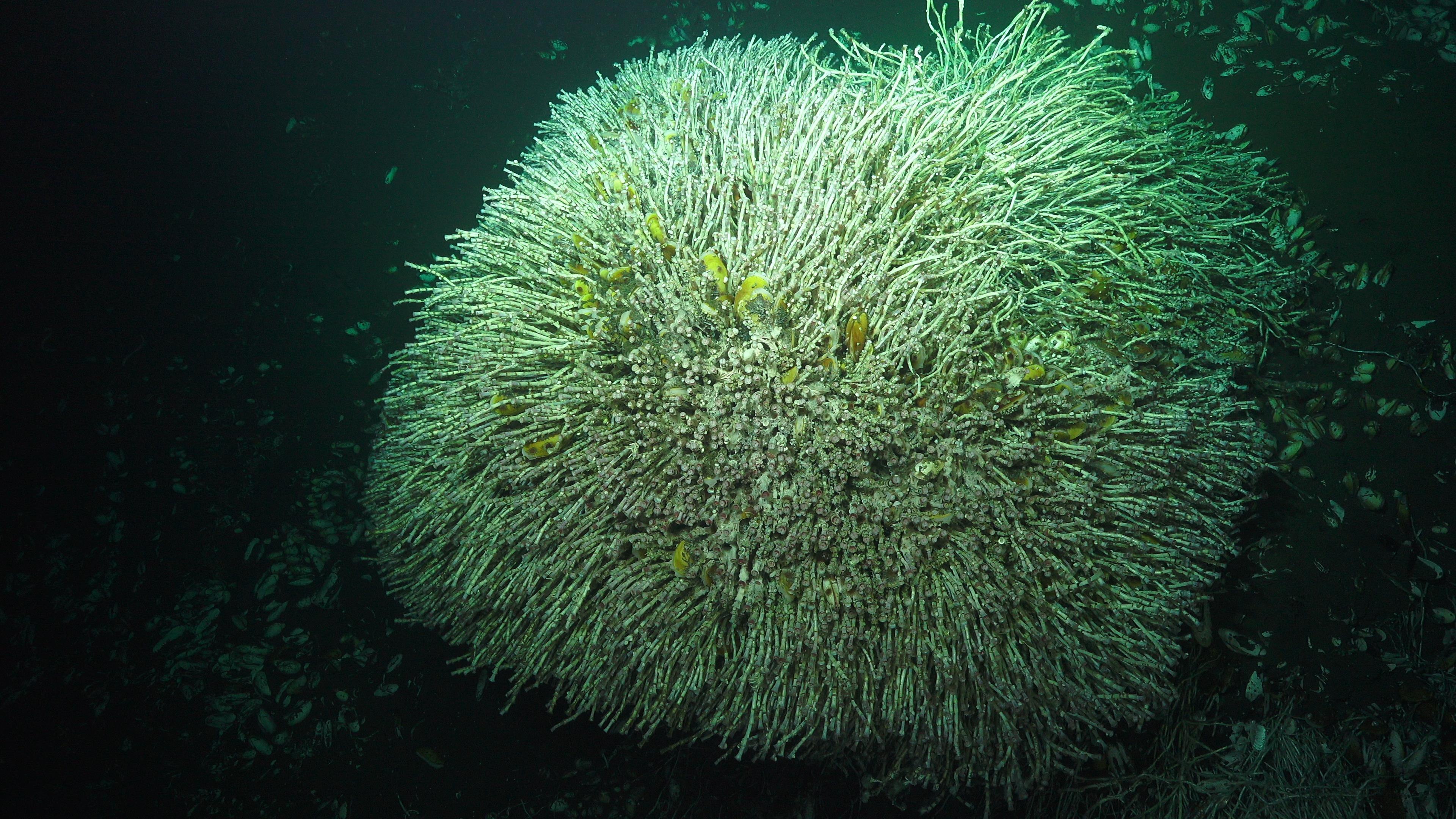
- 26
Familiar and Unknown
8 January 2019
Read
Related Galleries
View AllWe are happy to offer a streamlined request process when usage falls within the parameters outlined in the Creative Commons Attribution-Noncommercial-ShareAlike 4.0 International (CC BY-NC-SA 4.0) License. However, due to our legal status as a 501(c)(3) private operating foundation, no media produced by Schmidt Ocean Institute may be used in attempting to influence legislation or lobbying.
Attribution-NonCommercial-ShareAlike | CC BY-NC-SA
Under this Creative Commons License, you are free to:
Share — copy and redistribute the material in any medium or format
Adapt — remix, transform, and build upon the material
Under the following terms:
Attribution. You must give appropriate credit, provide a link to the license, and indicate if changes were made. You may do so in any reasonable manner, but not in any way that suggests the licensor endorses you or your use.
NonCommercial. You may not use the material for commercial purposes.
ShareAlike. If you remix, transform, or build upon the material, you must distribute your contributions under the same license as the original.
Not sure this license fits your use? Head over to our Image Requests page to learn more
Divestreams
View all Divestreams

Weekly Videos
View all Weekly VideosDiscover More
Expedition Data
Title  | Type | Repository |
|---|---|---|
| Biodiversity Data | Biological Samples | Global Biodiversity Information Facility (GBIF) |
| Georeferenced Species Abundance | Biological Samples | Biological and Chemical Oceanography Data Management Office (BCO-DMO) |
| Voucher Specimens | Biological Samples | Biological and Chemical Oceanography Data Management Office (BCO-DMO) |
| Collected Samples | Biological Samples | Scripps Benthic Invertebrate Collection |
| Genetic Data | Genetic Analysis Data | GenBank/NCBI |
| Raw Illumina 16S rRNA Barcode Sequences and Metadata | Genetic Analysis Data | Dryad Digital Repository, GenBank/NCBI |
| Vessel Underway data | Oceanographic Property Data | Rolling Deck to Repository (R2R) |
| ADCP data | Oceanographic Property Data | University of Hawaii SOEST |
| Data collected by ROV SuBastian including CTD, photography, navigation, and event logging | Oceanographic Property Data, Captured Image/Video | Marine Geoscience Data System (MGDS) |
| Processed MBES Data | Sonar Data | Marine Geoscience Data System (MGDS) |
| ROV Imagery | Annotated Imagery | Squidle+ |
| Bathymodiolus billschneideri | Species Description | World Register of Marine Species |
| Bathymodiolus earlougheri | Species Description | World Register of Marine Species |
| Bathymodiolus nancyschneiderae | Species Description | World Register of Marine Species |
Publications from This Expedition
30 - day Preliminary Cruise Report: Costa Rican Deep Sea Connections
McCowin, M., Feehery, C., and G. Rouse. (2020). Spanning the depths or depth-restricted: Three new species of Bathymodiolus (Bivalvia, Mytilidae) and a new record for the hydrothermal vent Bathymodiolus thermophilus at methane seeps along the Costa Rica margin. Deep Sea Research Part I: Oceanographic Research Papers, doi: 10.1016/j.dsr.2020.103322.
Levin, L, and Rouse, G. (2019). Giant Protists (xenophyophores) Function as Fish Nurseries. Ecology, 101(4), doi: 10.1002/dcy.2933.
[This Article was published OPEN ACCESS]Rojas-Jimenez, K., Grossart, H., Cordes, E., and Cortes, J. (2020). Fungal communities in sediments along a depth gradient in the Eastern Tropical Pacific. Front. Microbiol. 11:575207, doi: 10.3389/fmicb.2020.575207.
Goffredi, S., Tilic, E., Mullin, S., Dawson, K., Keller, A., Lee, R., et. al. (2020). Methanotrophic bacterial symbionts fuel dense populations of deep-sea feather duster worms (Sabellida, Annelida) and extend the spatial influence of methane seepage. Science Advances, 6, eaay8562, doi: 10.1126/sciadv.aay8562.
[This Article was published OPEN ACCESS]Rojas-Jimenez, K., Grossart, H-P., Cordes, E., and Cortes, J. (2020). Fungal Communities in Sediments Along a Depth Gradient in the Eastern Tropical Pacific. Front. Microbiol., doi: 10.3389/fmicb.2020.575207.
[This Article was published OPEN ACCESS]Cordes, E. (2019). What are the Limits of Deep-sea Coral Distribution? Invited Keynote Lecture, International Symosium on Deep-sea Corals, Cartagena, Colombia.
Rouse, G., and Kupriyanova, E. (2021). Laminatubus (Serpulidae, Annelida) from eastern Pacific hydrothermal vents and methane seeps, with description of two new species. Zootaxa, 4914(1), doi: 10.11646/zootaxa.4915.1.1.
[This Article was published OPEN ACCESS]Sagorny, C., von Dohren, J., Rouse, G., and Tilic, E. (2022). Cutting the ribbon: bathyal Nemertea from seeps along the Costa Rica margin, with descriptions of 2 new genera and 9 new species. European Journal of Taxonomy, doi: 10.5852/ejt.2022.845.1959.
[This Article was published OPEN ACCESS]Frable, B., Seid, C., Bronson, A., and Rask Moller, P. (2023). A new deep-sea eelpout of the genus Pyrolycus (Teleostei: Zoarcidae) associated with a hydrothermal seep on the Pacific margin of Costa Rica. Zootaxa 5230 (1), doi: 10.11646/zootaxa.5230.1.5.
[This Article was published OPEN ACCESS]Rodriguez-Flores, P., Seid, C., Rouse, G., and Giribet, G. (2023). Cosmopolitan abyssal lineages? A systematic study of East Pacific deep-sea squat lobsters (Decapoda: Galatheoidea Munidopsidae). Invertebrate Systematics, 37 (1), doi: 10.1071/IS22030.
[This Article was published OPEN ACCESS]Grassian, B., Roman, C., Warren, J., Casagrande, D., (2023). High-resolution measurements of the epipelagic and mesopelagic ocean by a profiling vehicle equipped with environmental sensors and a broadband echosounder. Limnol Oceanogr Methods, 21:106-125. doi: 10.1002/lom3.10532.
Mongiardino Koch, N., Tilic, E., Miller, A.K., Stiller, J., and Rouse, G. (2023). Confusion will be my epitaph: genome-scale discordance stifles phylogenetic resolution of Holothuroidea. Proceedings of the Royal Society, 290, doi: 10.1098/rspb.2023.0988.
[This Article was published OPEN ACCESS]McCowin, M., Collins, P., and Rouse, G. (2023). Updated phylogeny of Vestimentifera (Siboglinidae, Polychaeta, Annelida) based on mitochondrial genomes, with a new species. Molecular Phylogenetics and Evolution, 187. doi: 10.1016/j.ympev.2023.107872.
[This Article was published OPEN ACCESS]Villalobos-Guerrero, T., Huč, S., Tilic, E., Hiley, A., Rouse, G. (2024). A remarkable new deep-sea nereidid (Annelida: Nereididae) with gills. PLoS ONE, 19(3), doi: 10.1371/journal.pone.0297961.
[This Article was published OPEN ACCESS]Seid, C., Hiley, A., McCowin, M., Carvajal, J., Cha, H., Ahyon, S., Ashford, O. et al. (2025). A faunal inventory of methane seeps on the Pacific margin of Costa Rica. Zookeys 1222: 1-250, doi:10.3897/zookeys.1222.134385.
[This Article was published OPEN ACCESS]Dong, D., Seid, C., Li, X., and Rouse, G. (2025). A new Pacific Ocean species of Typhlonida Macpherson & Baba, 2022 (Crustacea, Decapoda, Munididae) from the flank of the emergent seamount Isla del Coco (Costa Rica) with notes on the phylogeny of the genus. Zoosystematics and Evolution, 101 (2), doi: 10.3897/zse.101.144042.
[This Article was published OPEN ACCESS]Hiley, A., Mongiardino Koch, N., and Rouse, G. (2024), Phylogenetics of Lepidonotopodini (Macellicephalinae, Polynoidae, Annelida), and Comparative Mitogenetics of Shallow-Water vs. Deep-Sea Scaleworms (Aphroditiformia). Biology, 13(12), doi: 10.3390/biology13120979.
[This Article was published OPEN ACCESS]Pereira, O., Jacobsen, M., Carson, R., Cortes, J., and Levin, L. (2024). Understanding and valuing human connections to deep-sea methane seeps of Costa Rica. Ecol. Econ. 223, doi: 10.1016/j.ecolecon.2024.108228.
[This Article was published OPEN ACCESS]Betters, M., Cortés, J., and Cordes, E. (2024). New species and records of limpets (Mollusca, Gastropoda) from the Pacific Costa Rica Margin. ZooKeys, 1214, 281–324, doi: 10.3897/zookeys.1214.128594.
[This Article was published OPEN ACCESS]Betters, M. and Cordes, E. (2024). New records of Provanna (Gastropoda, Provannidae) from the Costa Rica Margin and an identification key for the genus. ZooKeys, 1189, 1–32, doi: 10.3897/zookeys.1189.109734.
[This Article was published OPEN ACCESS]Huč, S., Hiley, A., McCowin, M., and Rouse, G. (2024). A mitogenome-based phylogeny of Pilargidae (Phyllodocida, Polychaeta, Annelida) and evaluation of the position of Antonbruunia. Diversity, 16(3), doi: 10.3390/d16030134.
[This Article was published OPEN ACCESS]- [This Article was published OPEN ACCESS]
Hiley, A., Green, K., and Rouse, G. (2025). Seven new species of scaleworms (Lepidonotopodini, Polynoidae, Plychaeta, Annelida) from deep-sea chemosynthetic-based ecosystems. Marine Biodiversity, 55 (106), doi: 10.1007/s12526-025-01580.
[This Article was published OPEN ACCESS]Mandre, P., and Rouse, G. (2025). Molecular Phylogeny of the Deep-Sea Predatory Octacnemidae (Ascidiacea, Tunicata, Chordata), with Seven New Species. Diversity, 17(12), doi: 10.3390/d17120859.
[This Article was published OPEN ACCESS]Pereira, O., Rouse, G., Cordes, E., Cortés, J., and Levin, L. (2025). Seepage, depth, and oxygen as drivers of heterogeneity and resilience of carbonate macrofauna at methane seeps. Elementa: Science of the Anthropocene, 13(1):00096. doi: 10.1525/elementa.2024.00096.
[This Article was published OPEN ACCESS]Rodriguez Ramirez, I., Solano-González, S., Cortés, J., Rojas-Jiménez, K.(2025). Deepsea fungi of the eastern tropical Pacific of Costa Rica: morphological, genetic, and enzymatic characterization. Frontiers in Marine Science, 12, doi: 10.3389/fmars.2025.1514874.
[This Article was published OPEN ACCESS]Blake, J. (2025). New species and records of Scalibregmatidae (Annelida) from the Atlantic Ocean, Indian Ocean, Pacific Ocean, Southern Ocean, and adjacent seas. Megataxa, 16(1), doi: 10.11646/megataxa.16.1.1.
[This Article was published OPEN ACCESS]Breedy, O., McFadden, C., Murillo-Cruz, C., Yánez-Suárez, A-B., Robert, K., and Quattrini, A. (2026). A coral among stars: A new octocoral family (Anthozoa, Octocorrallia, Malacalcyonacea) from seamounts in the tropical eastern Pacific. Zookeys, 1283: 253-272, doi: 10.3897/zookeys.1283.191899.
[This Article was published OPEN ACCESS]Blake, J., Seid, C., and Rouse, G. (2026). New species and records of Cirratulidae (Annelida, Polychaeta) from methane seep and seamount habitats in the Pacific Ocean off Costa Rica. Zootaxa, 201 -239, doi: 10.11646/zootaxa.5869.2.1.
[This Article was published OPEN ACCESS]Mah, C. (2026). A new species and occurrences of deep-sea Asteriodea (Forcipulatacea, Valvatida, Paxillosida) from the Pacific continental margin of Costa Rica. Zootaxa, 5845 (2), doi: 10.11646/zootaxa.5845.2.1.
[This Article was published OPEN ACCESS]