



Dive In
About the Expedition
Rising water temperatures and increasing carbon dioxide concentrations remain among the greatest threats to ocean ecosystems globally. This warming trend and associated ocean acidification poses a unique threat to species that use calcium carbonate to build their shells or skeletons, such as corals. While significant research has been dedicated to examining the effects of changing ocean dynamics on coastal reefs – this January Dr. Julie Trotter, University of Western Australia, and her team, will join Falkor to look deeper.
This expedition will be of great significance, as SOI and the science team undertakes the first ROV-based deep sea exploration of submarine canyons that have formed offshore southwestern Australia. For the first time, these unique deep-sea canyons will be documented, imaged, and strategically sampled by ROV SuBastian. Sampling will not only be for identifying yet to be discovered species, but also to undertake comprehensive, high-resolution geochemical analyses of, for example, coral skeletons post-cruise. Deep-sea ROV technology is unavailable to Australian researchers, making this expedition a true voyage of discovery.
- Dive Markers
- Trackline
The Mission
An Expedition of Epic Proportions
The area along the shelf-edge of southwestern Australia holds a number of unexplored submarine canyons that face the Southern Ocean region. The waters above the Bremer Canyon are known to be a hotspot of biodiversity that includes large marine mammals and seabirds, which has led to its establishment as a Commonwealth Marine Reserve. It is renowned for attracting congregations of the largest seasonal populations of killer whales in the Southern Hemisphere, which has become a significant tourist attraction.
Characterized by its steep-sided, interconnected system, this unexplored canyon offers great prospects for the discovery and exploration of new life within its deep-water habitats. In addition to genuine frontier exploration, key species, such as deep-water hard corals, are highly prized environmental archives that can provide invaluable ‘windows’ into the recent and geological past for understanding both long-term natural climate variations and how anthropogenic-driven climate change is impacting the deep oceans. Corals from the southwest Australian submarine canyons are especially significant given their proximity to the all-important Southern Ocean. The waters formed in the Southern Ocean feed all major ocean basins so play a central role in driving the global ocean-climate system.
The team is advancing the findings of their successful 2015 expedition to Perth Canyon, which offered significant optimism for finding prospective habitats, new species, and particular coral types suitable for proxy applications. In all, the team plans on visiting three submarine canyon systems: Bremer, Leeuwin, and Perth Canyons.
Protecting Corals and Telling a Story
A primary focus will be to sample anticipated living and fossil deep-water corals from this region. The skeletons of these organisms will be used to reconstruct recent and long-term ocean environmental records as there are large gaps in “climate proxy” records, and instrumental ship-based data is very limited covering only the past few decades. The coral skeletons can provide continuous records of important environmental variables, including fluctuations in the temperature of these deeper oceans, pH, nutrients, and dissolved calcium carbonate concentrations. These records can span decades, centuries and even millennia, and help to elucidate not only changes in the ocean-climate system but also the inherent vulnerability of corals and other calcifiers to extreme conditions.
In addition to characterizing a genuine frontier, the data collected from these deep-water corals and their surrounding environments will allow scientists to develop an understanding of the physical and temporal changes occurring in the Southern Ocean. Only recently has it been realized that the formation of the deeper water masses of the Southern Ocean hold the key to unlocking the response of the global ocean-climate system to both climate and environmental change. The acquisition of baseline data obtained from these deeper water masses of the canyons thus provides a unique window into both the recent and geological past. The answers found can have major implications both regionally and worldwide, such as helping to predict the effects on deep-sea calcifiers and their ecosystems, and for modeling future climate change scenarios and their potential impacts on society.
Team and Collaborators
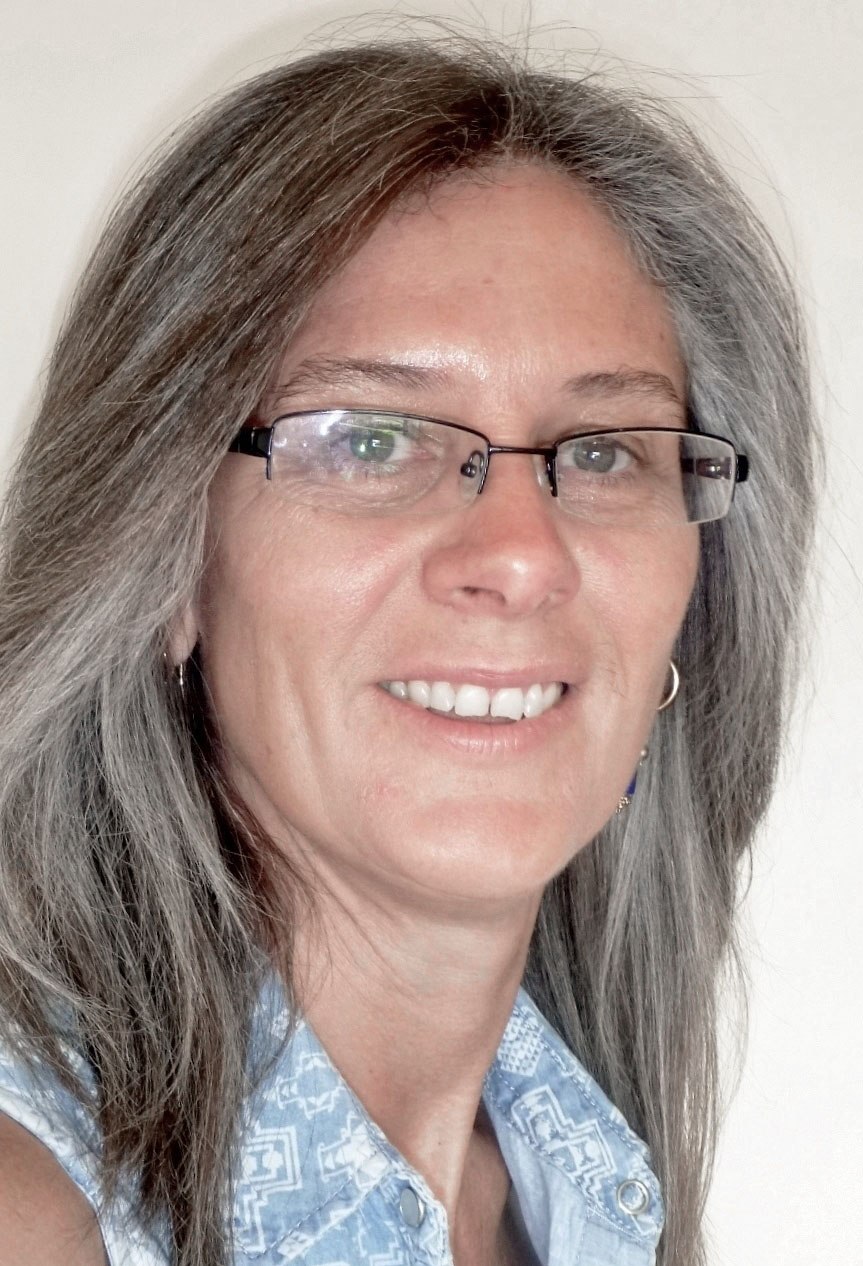
Julie Trotter
Chief Scientist
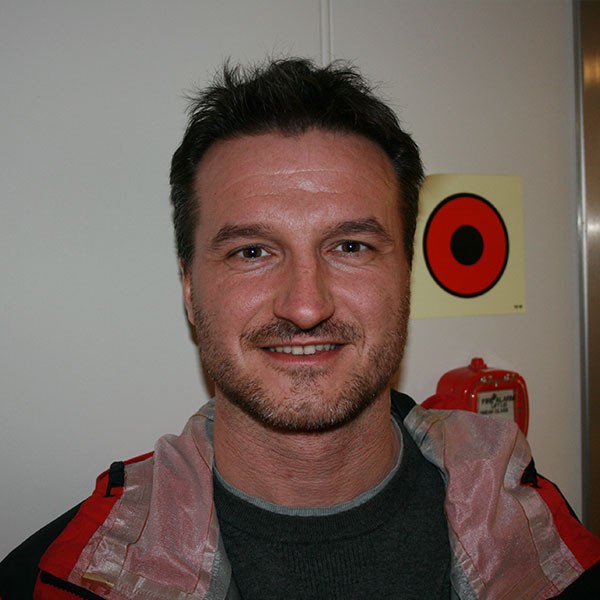
Paolo Montagna
Co-Chief Scientist

Kaycee Handley
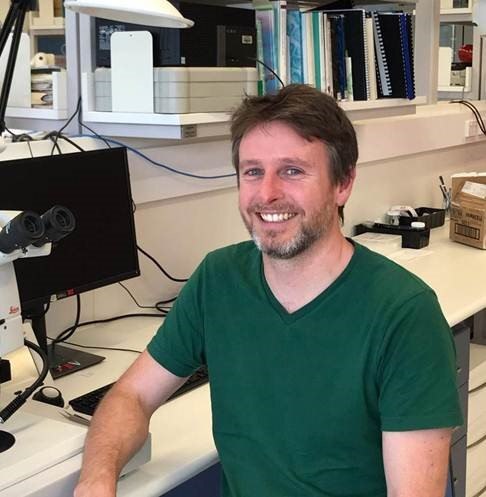
Andrew Hosie

Marco Taviani

Thom Hoffman
Multimedia Correspondent

Paula Cartwright

Chari Pattiaratchi

Angela Rossen
Artist-at-Sea
Aleksey Sadekov
Federica Foglini

Sara Hajbane

Netra Sagar
Carlin Bowyer

Alessandro Remia

Ana Hara
Jill Brouwer

Taylor Simpkins
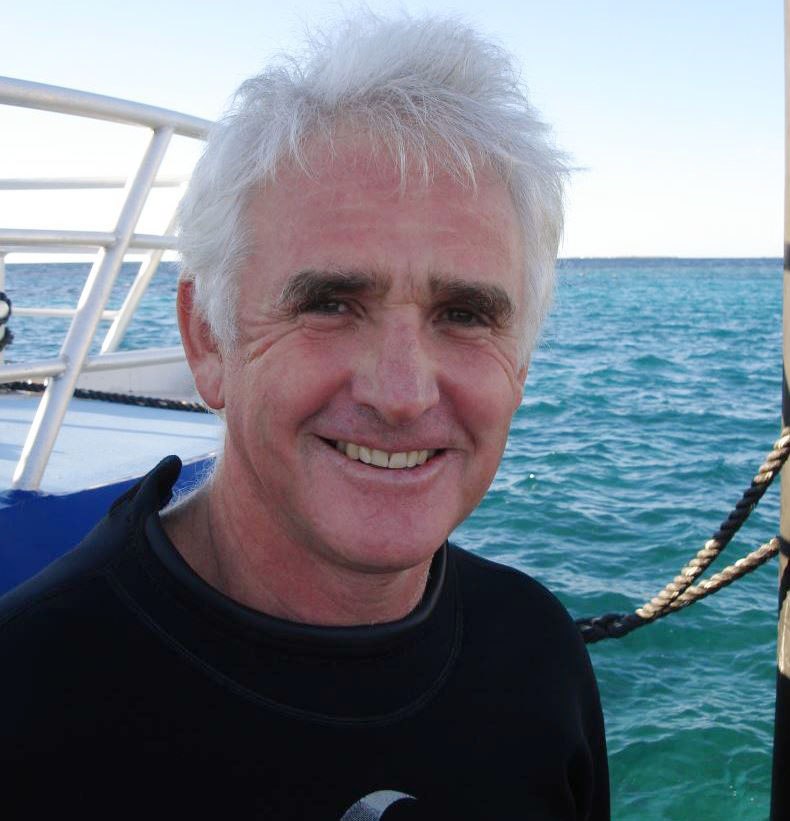
Malcolm McCulloch

Greg Skrzypek

Claudio Mazzoli
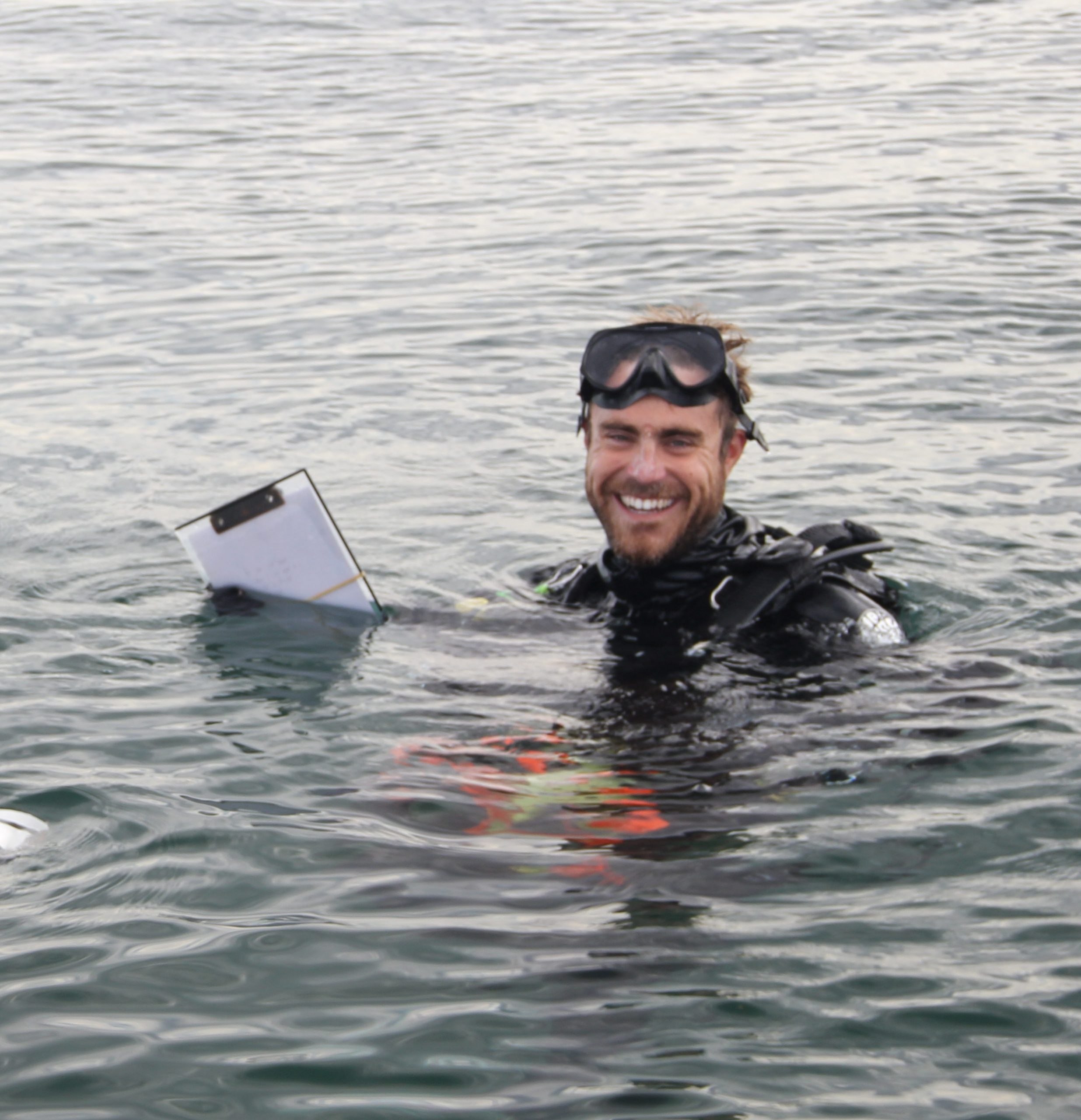
Todd Bond


Explore
Updates from the Ship
All Ship Updates
- 01
Wrap-Up Video - Deep-Sea Coral and Canyon Adventure
1 March 2020
Read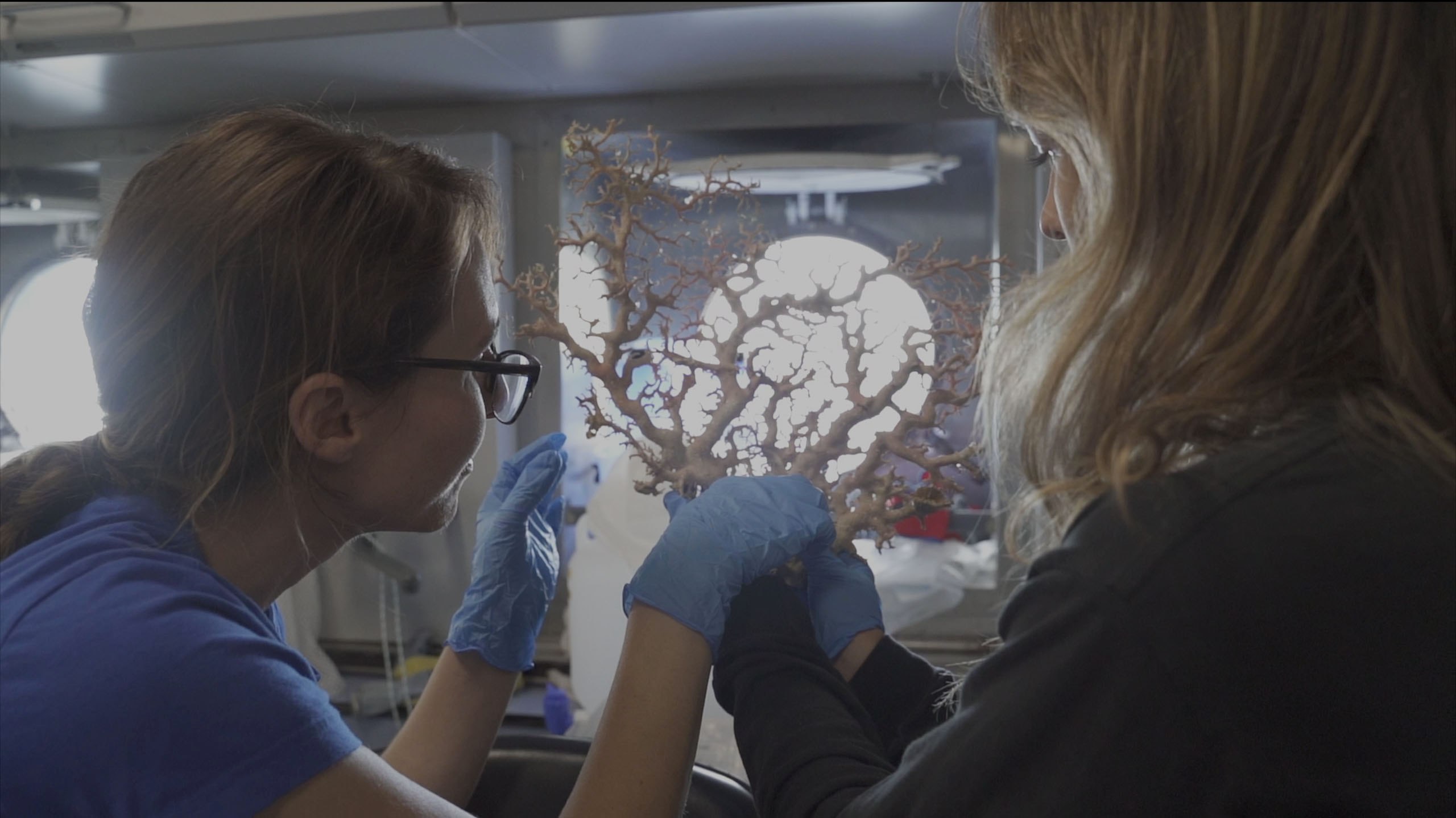
- 02
4K Highlight Videos - Deep-Sea Coral and Canyon Adventure
28 February 2020
Read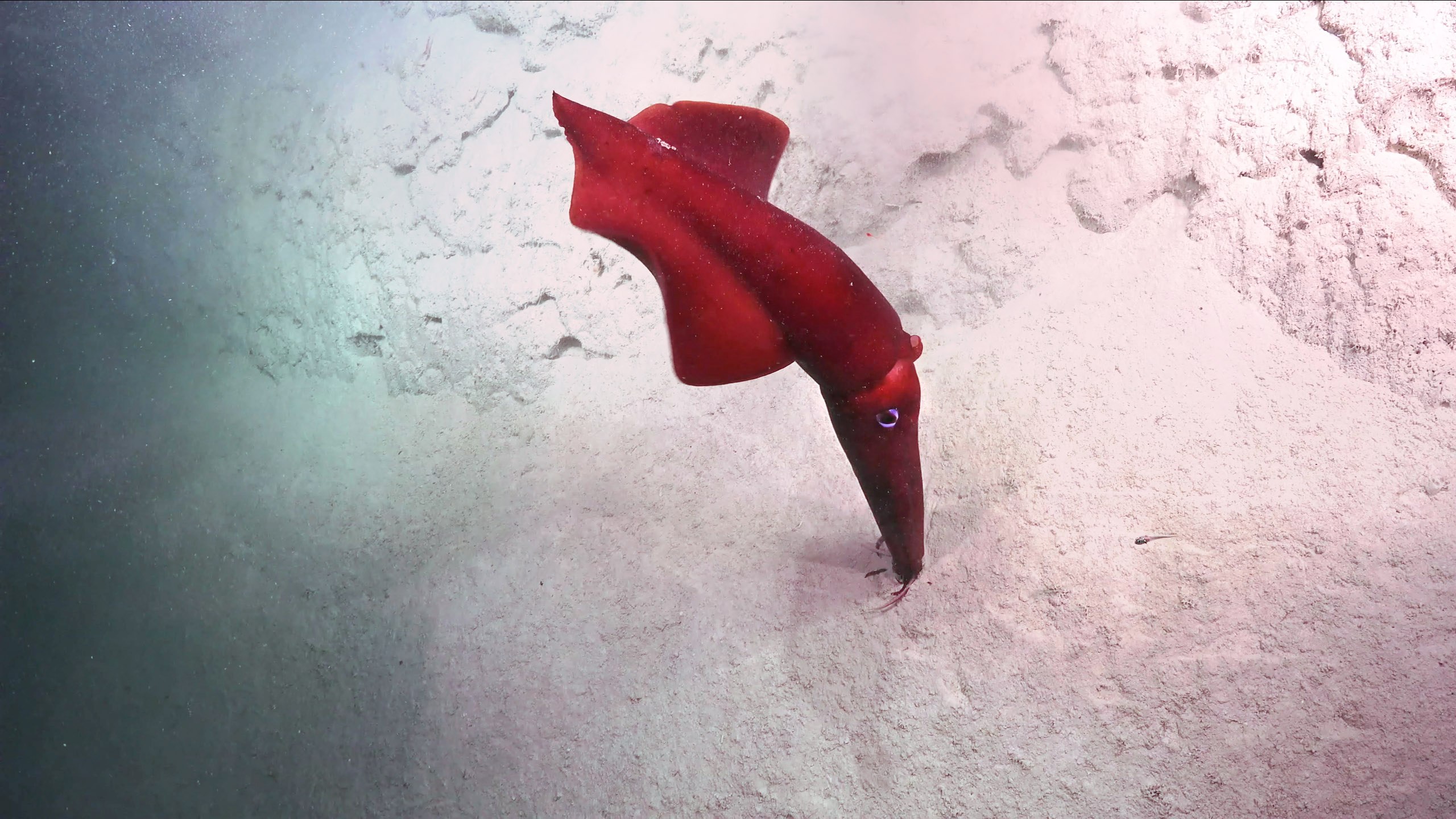
- 03
Essential Items for Deep-Sea Science
24 February 2020
Read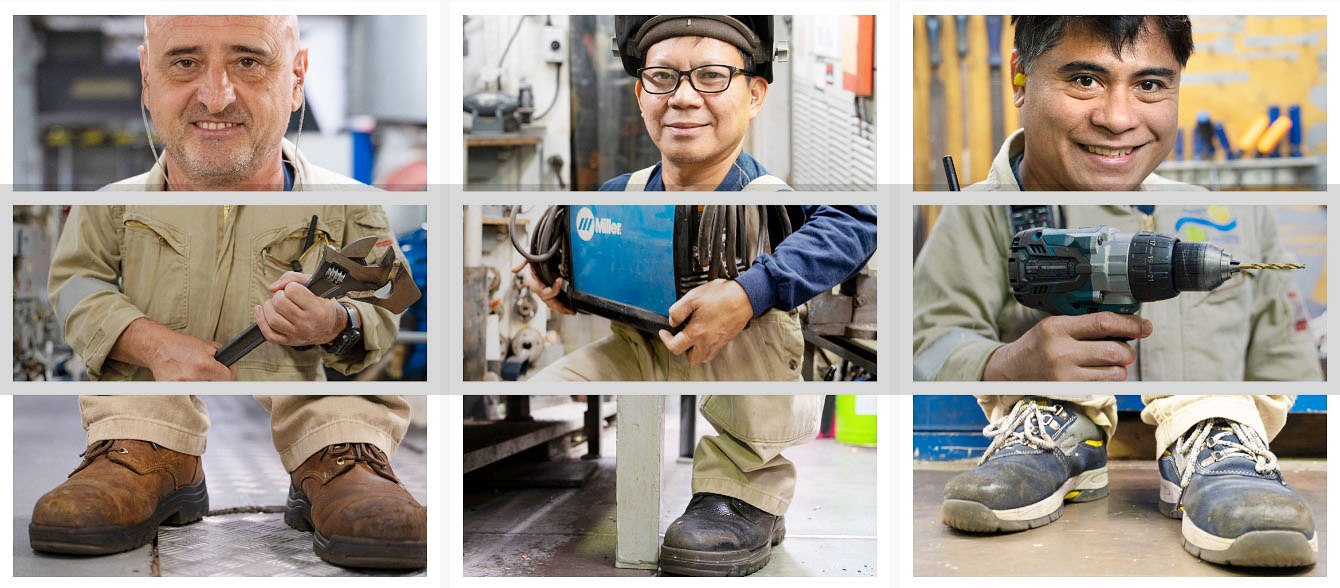
- 04
Small Worlds Video - Deep-Sea Coral and Canyon Adventure
23 February 2020
Read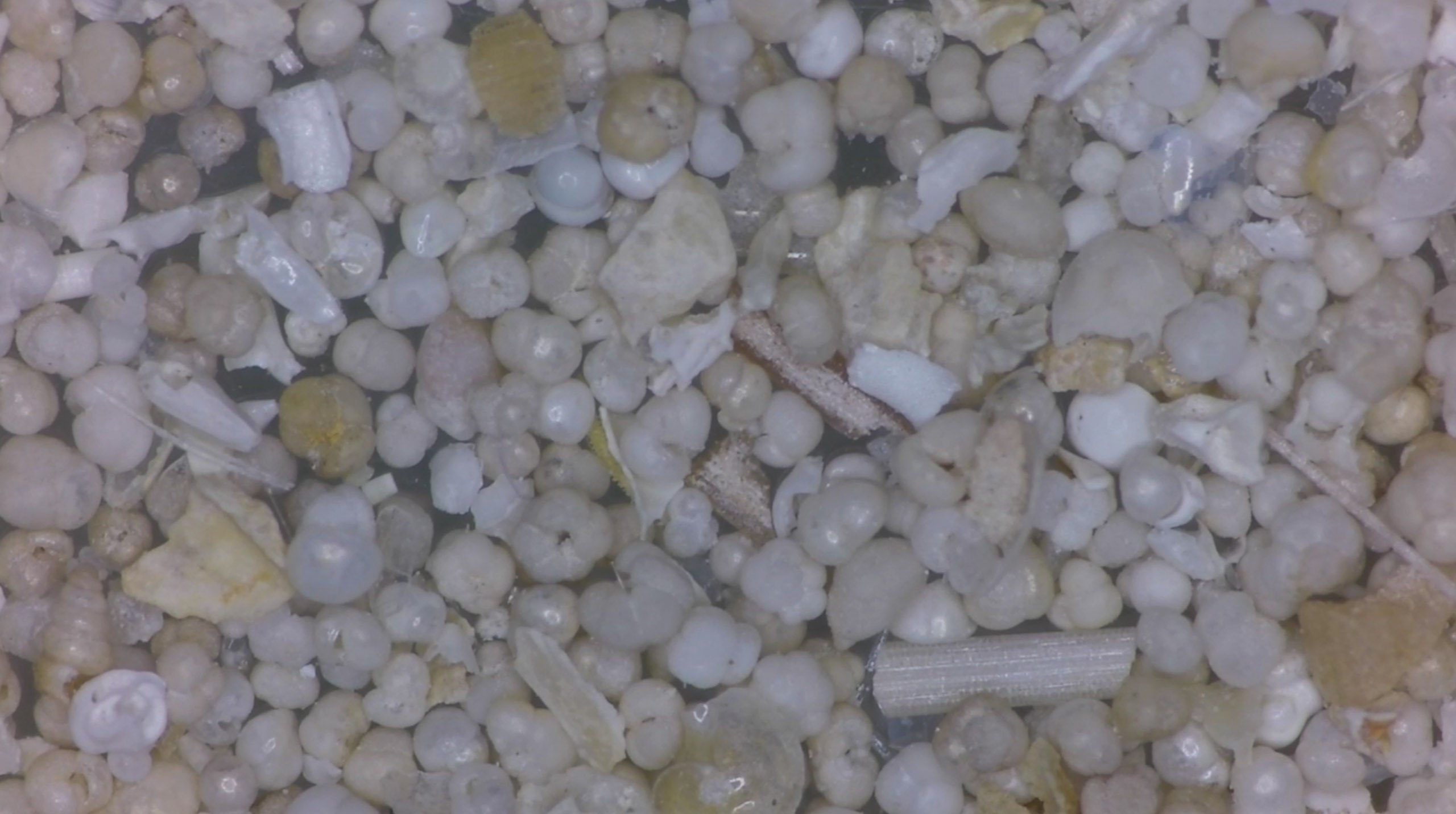
- 05
Labor(art)ory at sea
22 February 2020
Read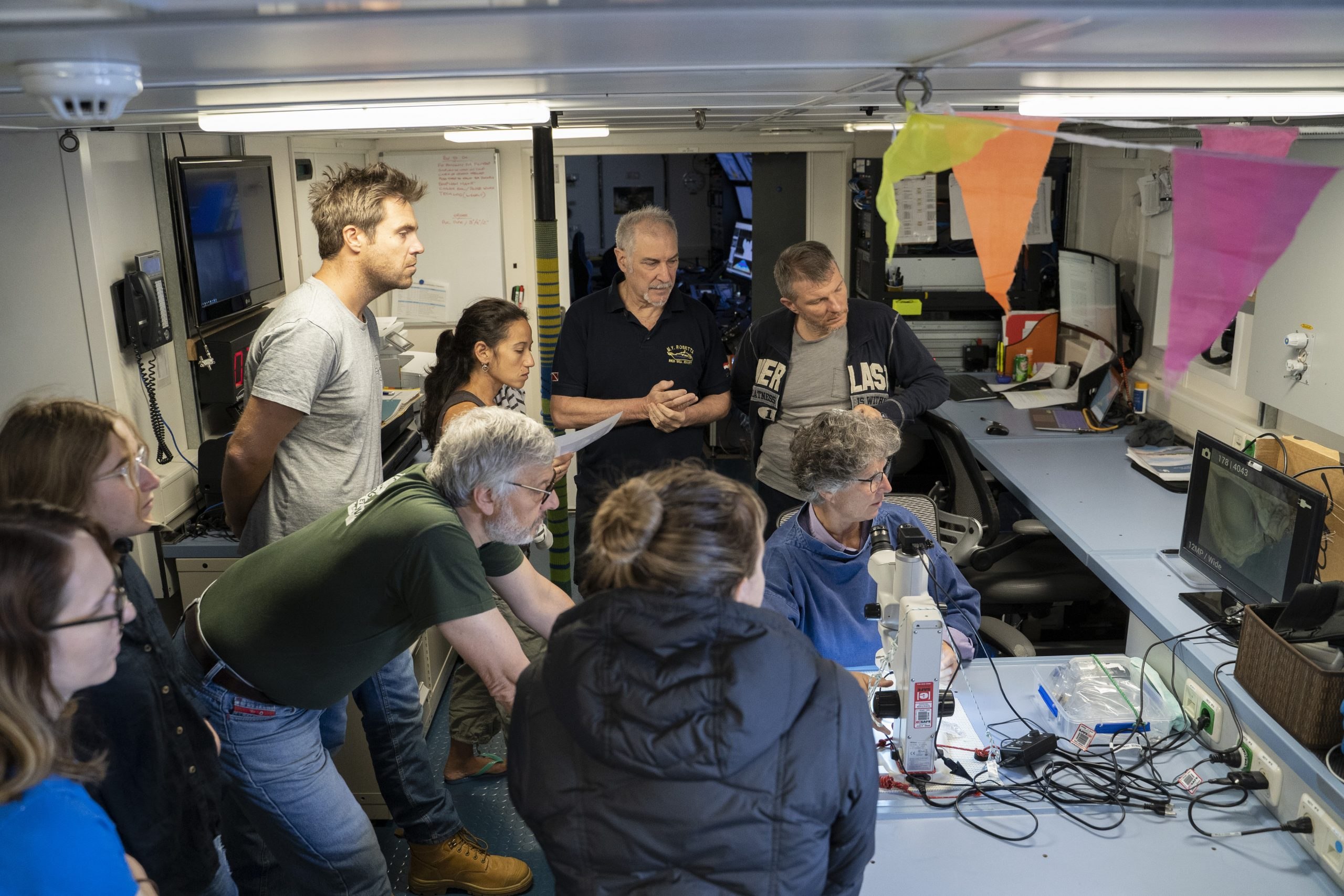
- 06
Bremer Canyon Video - Deep-Sea Coral and Canyon Adventure
20 February 2020
Read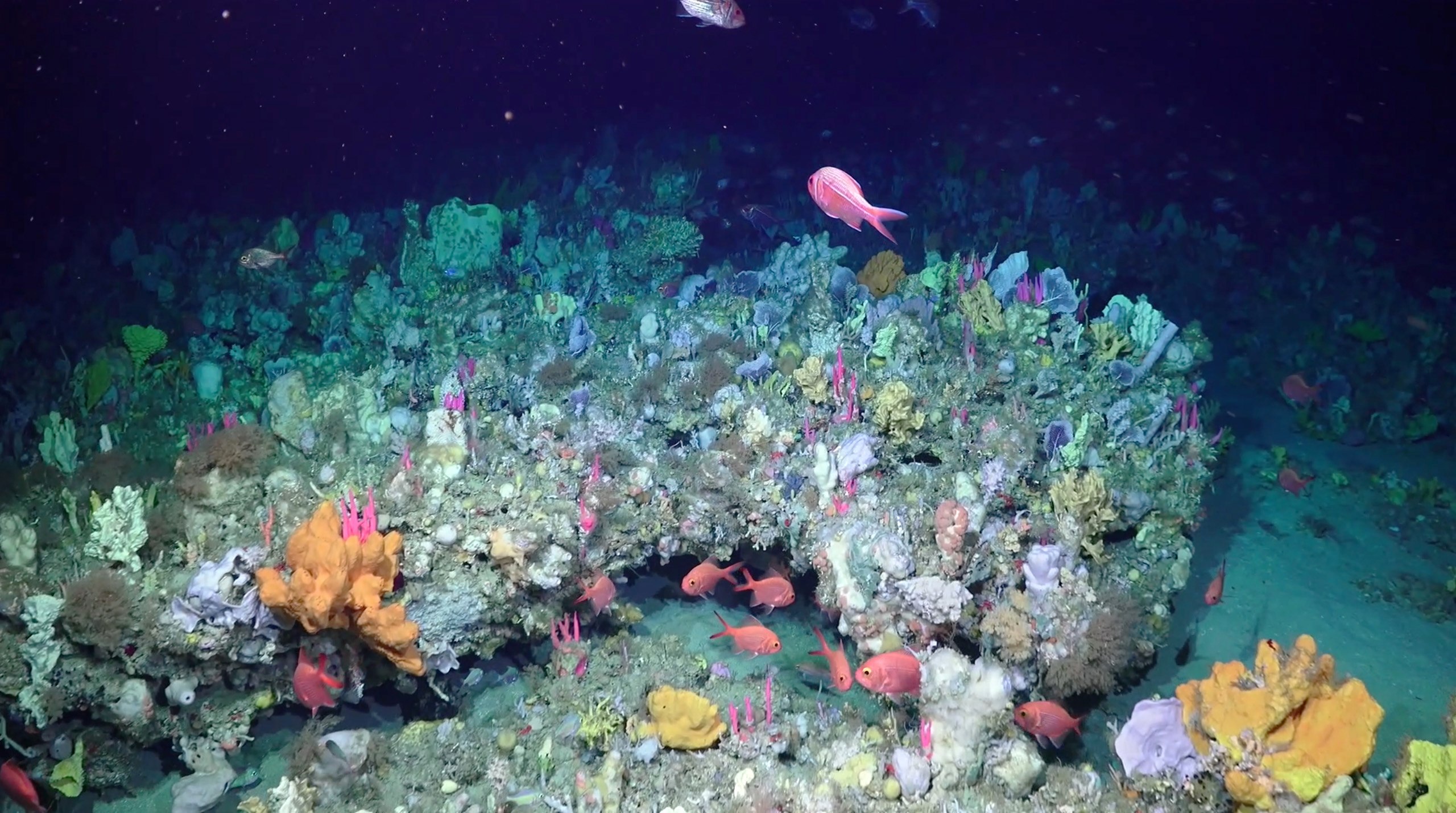
- 07
Whale Fall Video - Deep-Sea Coral and Canyon Adventure
18 February 2020
Read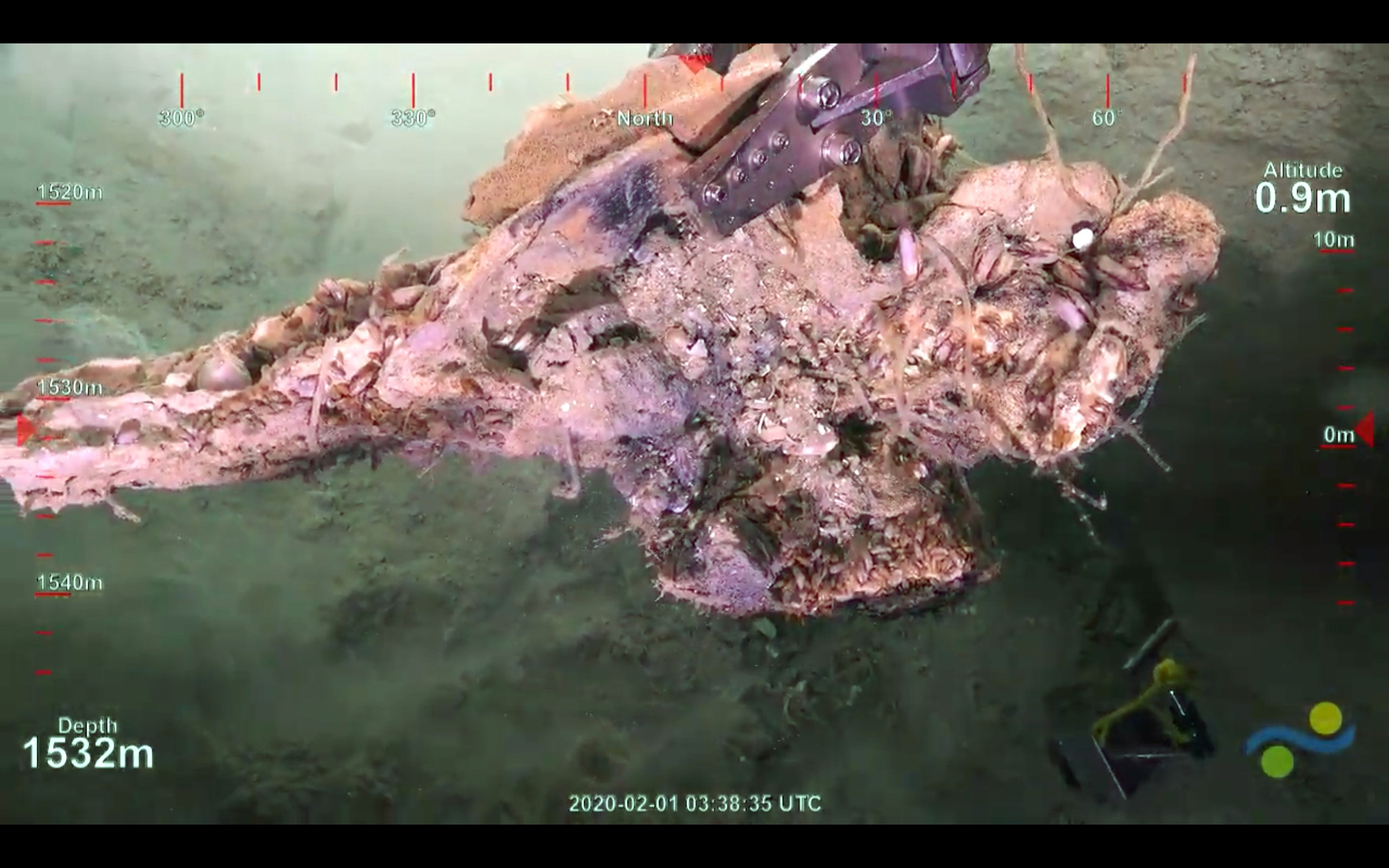
- 08
Locating Ledges Loaded with Life
17 February 2020
Read
- 09
Darling it’s better, Down in a Wet(ter) Lab at Sea
13 February 2020
Read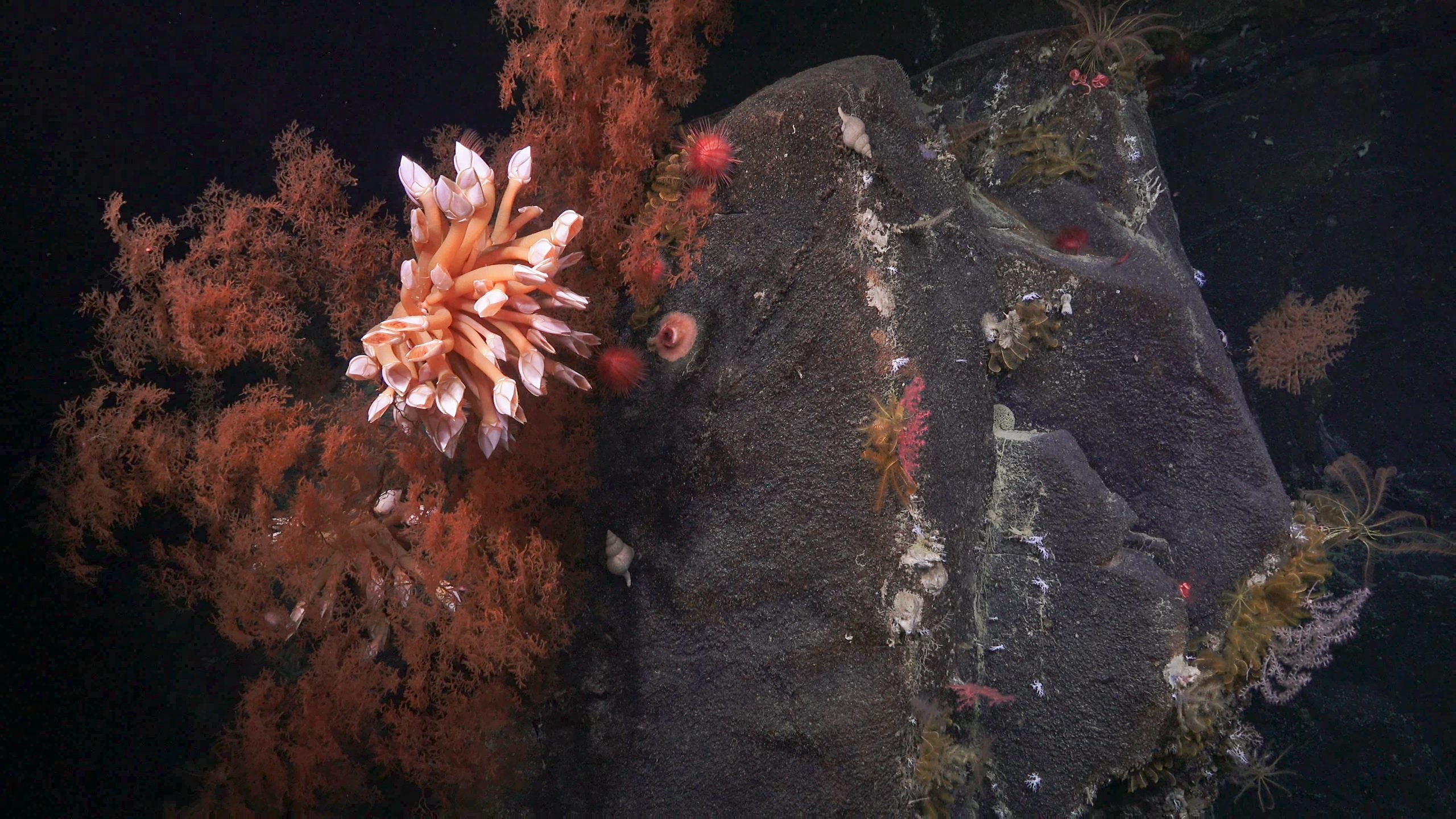
- 10
Recording Discovery
10 February 2020
Read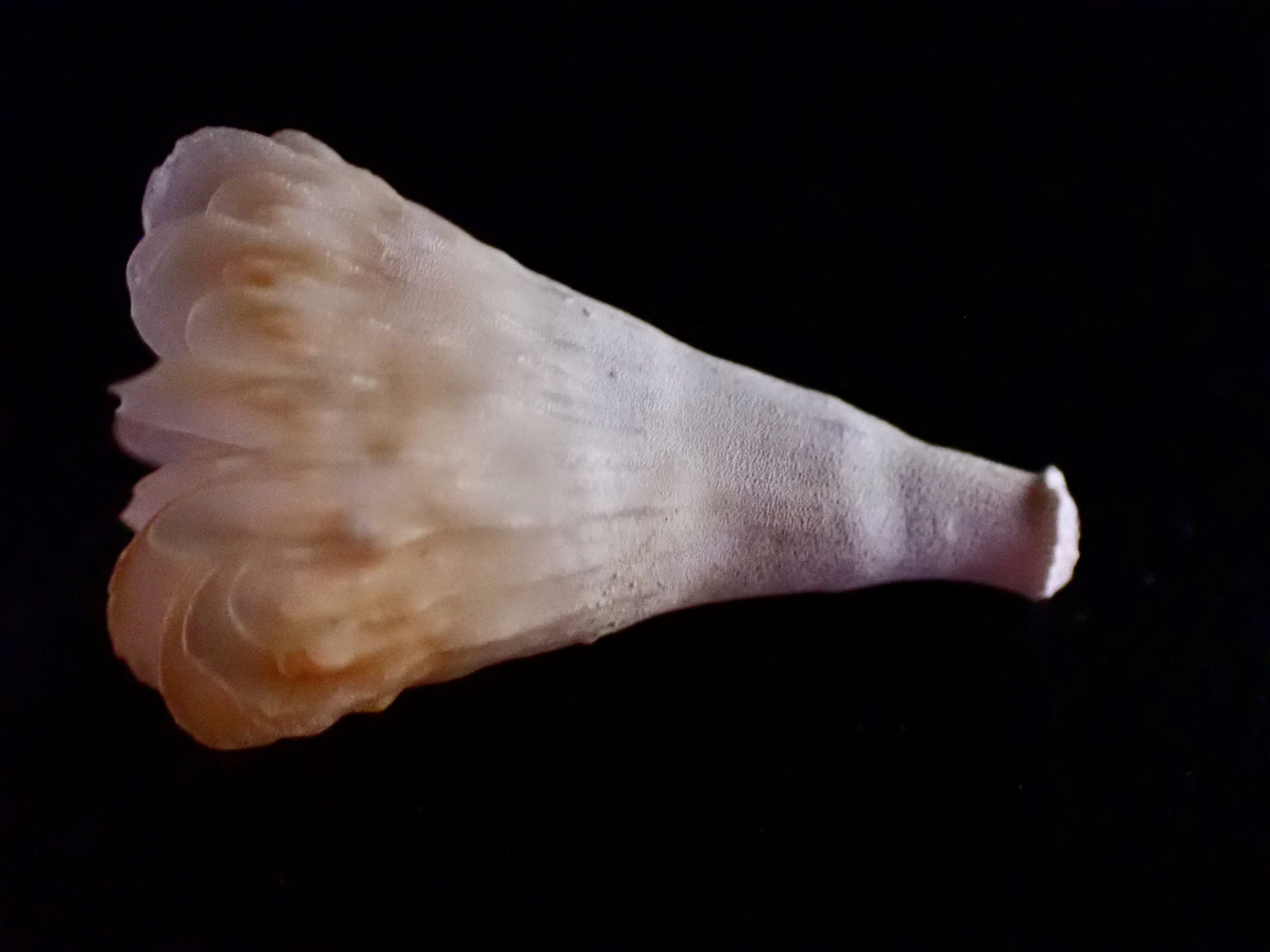
- 11
An Unusual Home in the Deep
7 February 2020
Read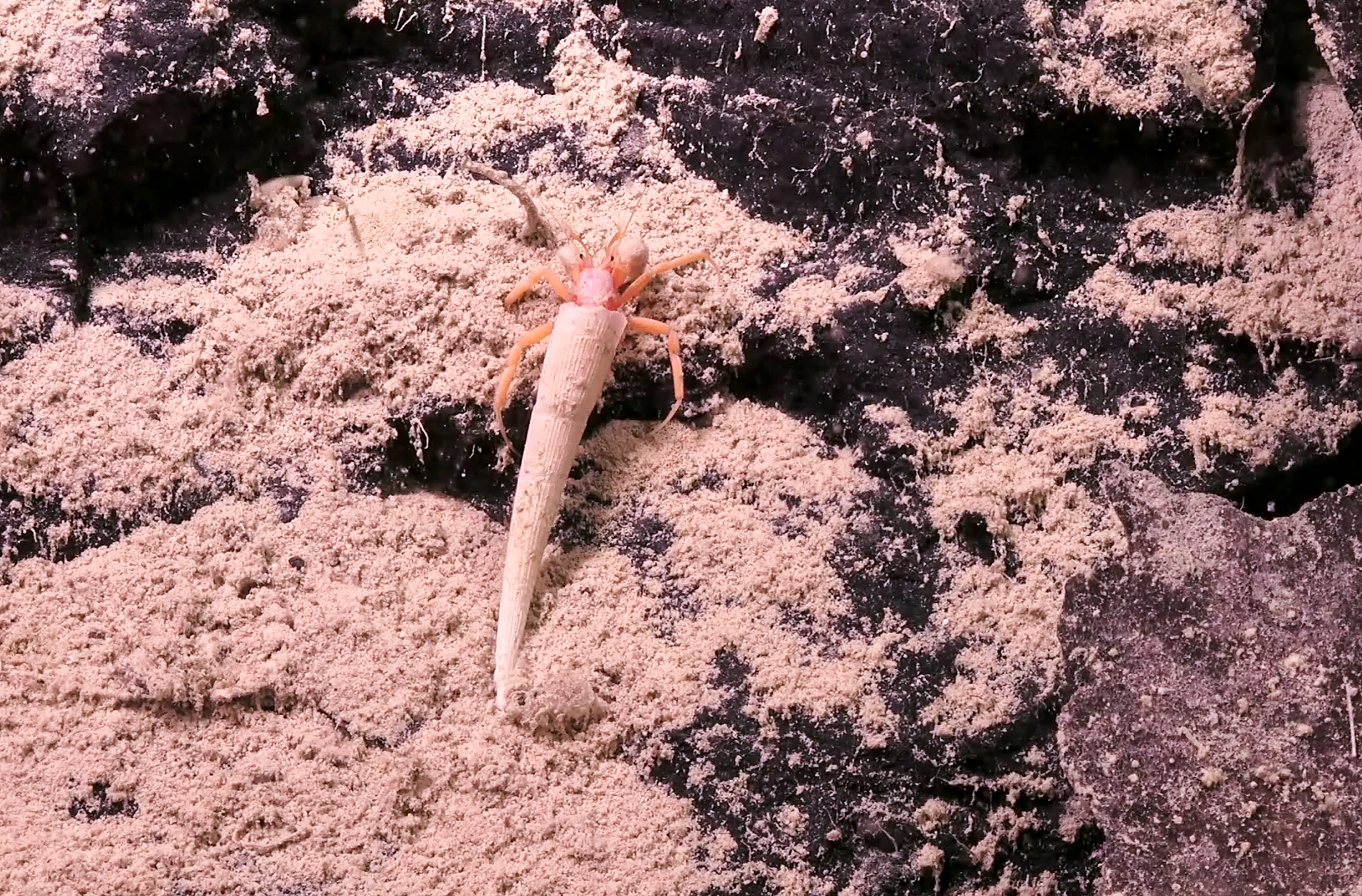
- 12
Deep-Sea Coral and Canyon Adventure - Week 1 Video
6 February 2020
Read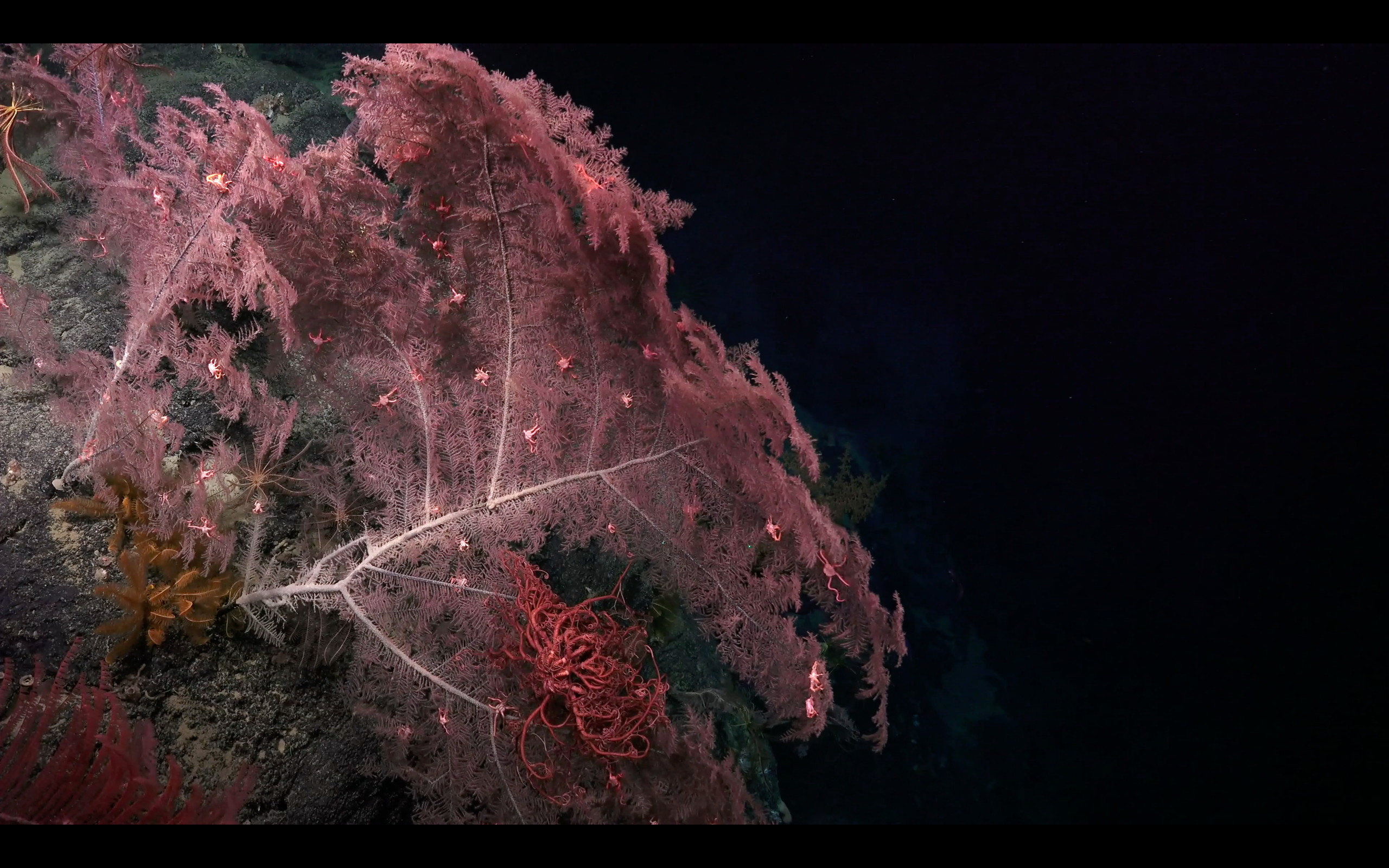
- 13
Geology at Sea
1 February 2020
Read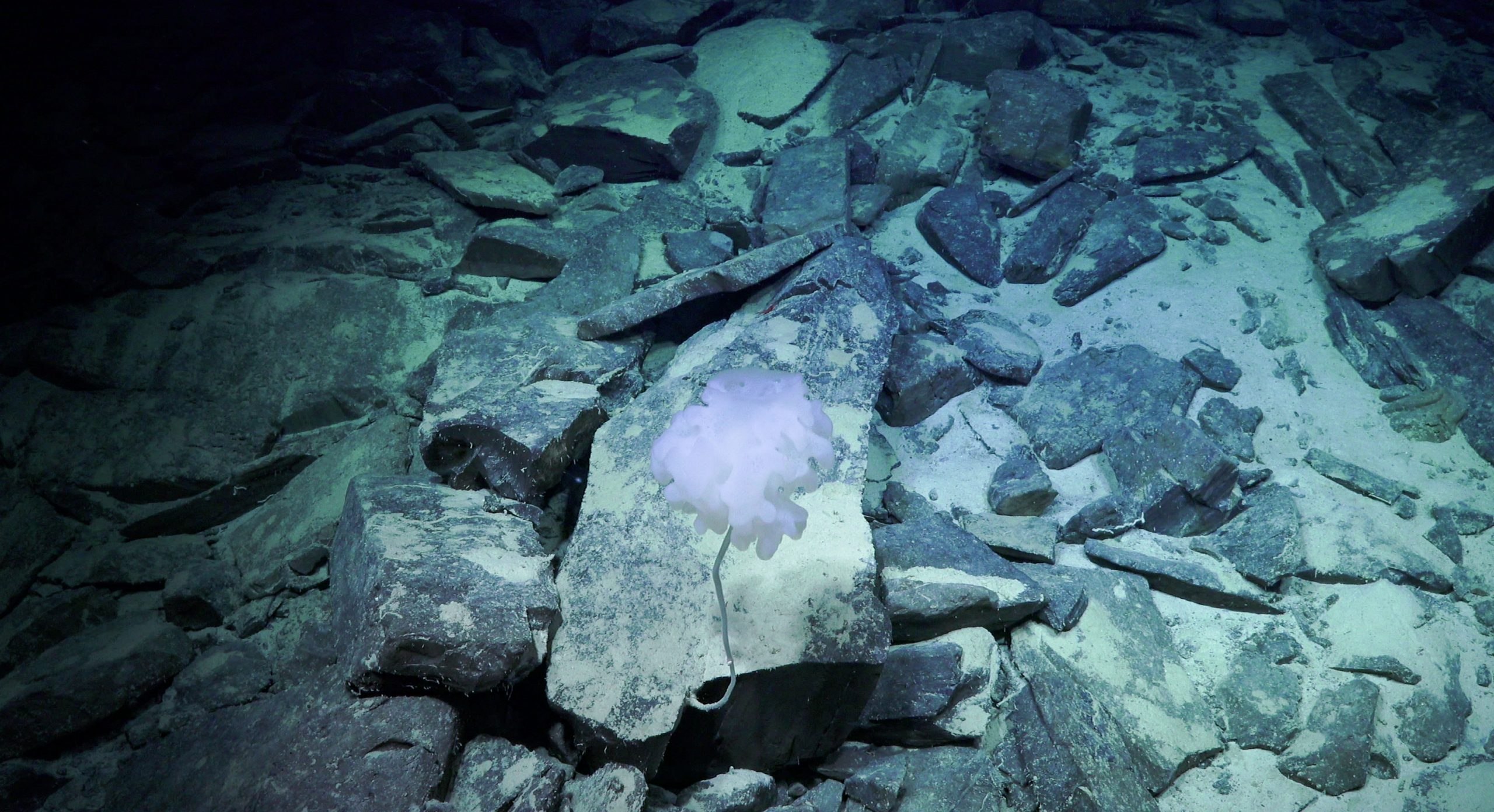
- 14
Canyon Exploration Begins
30 January 2020
Read
Related Galleries
View AllWe are happy to offer a streamlined request process when usage falls within the parameters outlined in the Creative Commons Attribution-Noncommercial-ShareAlike 4.0 International (CC BY-NC-SA 4.0) License. However, due to our legal status as a 501(c)(3) private operating foundation, no media produced by Schmidt Ocean Institute may be used in attempting to influence legislation or lobbying.
Attribution-NonCommercial-ShareAlike | CC BY-NC-SA
Under this Creative Commons License, you are free to:
Share — copy and redistribute the material in any medium or format
Adapt — remix, transform, and build upon the material
Under the following terms:
Attribution. You must give appropriate credit, provide a link to the license, and indicate if changes were made. You may do so in any reasonable manner, but not in any way that suggests the licensor endorses you or your use.
NonCommercial. You may not use the material for commercial purposes.
ShareAlike. If you remix, transform, or build upon the material, you must distribute your contributions under the same license as the original.
Not sure this license fits your use? Head over to our Image Requests page to learn more
Divestreams
View all Divestreams
Weekly Videos
View all Weekly VideosDiscover More
Expedition Data
Title  | Type | Repository |
|---|---|---|
| Processed Multibeam | Sonar Data | Marine Geoscience Data System (MGDS) |
| CTD and seawater carbonate parameters | Water Samples | Australian Ocean Data Network (AODN) |
| Vessel Underway Data | Oceanographic Property Data | Rolling Deck to Repository (R2R) |
| ADCP Data | Oceanographic Property Data | University of Hawaii SOEST |
ROV data, Falkor navigation, Google Earth visualizations | Oceanographic Property Data, Navigation Data | Marine Geoscience Data System (MGDS) |
| Annotated imagery | Annotated Imagery | Squidle+ |
| Preliminary physico-chemical water column data | Water Samples | Zenodo |
Publications from This Expedition
30 day Preliminary Post Cruise Report: The Great Australian Deep-sea Coral and Canyon Adventure
Beaman, R., Picard, K., and Miller, A. (2022). RV Falkor Surveys in Australia 2020-2021. Oral Presentation and Conference Paper, Hydrospatial 2021 Conference, Australasian Hydrographic Society, Cairns, Australia.
[This Article was published OPEN ACCESS]Trotter, J., McCulloch, M., D'Olivo, J., Tisnérat-Laborde, N., Taviani, M., and Montagna, P. (2022). Deep-water Coral Records of Glacial and Recent Ocean-atmosphere Dynamics from the Perth Canyon in the Southeast Indian Ocean. Quaternary Science Advances, 6, doi: 10.1016/j.qsa.2022.100052.
[This Article was published OPEN ACCESS]Trotter, J., Taviani, M., Foglini, F., Sadekov, A., Skrzypek, G., Mazzoli, C., et al. (2022). Unveiling Deep-sea Habitats of the Southern Ocean-facing Submarine Canyons of Southwestern Australia. Progress in Oceanography, 209, doi: 10.1016/j.pocean.2022.102904.
[This Article was published OPEN ACCESS]Taviani, M., Foglini, F., Castellan, G., Montagna, P., McCulloch, M., and Trotter, J. (2023). First assessment of anthropogenic impacts in submarine canyon systems off southwestern Australia. Science of the Total Environment, 857 (1), doi: 10.1016/j.scitotenv.2022.159243.
[This Article was published OPEN ACCESS]Stewart, A., Pietsch, T., Moore, J., Peng, X. (2023). Upside-down swimming: in situ observations of inverted orientation of Gigantiactis, with a new depth record for the Ceratioidei. Journal of Fish Biology, doi: 10.1111/jfb.15609.
[This Article was published OPEN ACCESS]Taviani, M., Montagna, P., Hosie, A.,Castellan, G., Kemper, C., Foglini, F., McCulloch, M., and Trotter, J. (2024). Whale fall chemosymbiotic communities in a southwest Australian submarine canyon fill a distributional gap. Heliyon, 10(8), doi: 10.1016/j.heliyon.2024.e29206.
[This Article was published OPEN ACCESS]Di Giovanna, F., Castellan, G., Vitelletti, M., Taviani, M., Foglini, F., McCulloch, M., Montagna, P, and Trotter, J. (2025). Predicting Suitable Areas for Cold-Water Scleractinian Corals in Southwestern Australian Submarine Canyons. Journal of Biogeography, doi: 10.1111/jbi.15080.
[This Article was published OPEN ACCESS]