



Dive In
About the Expedition
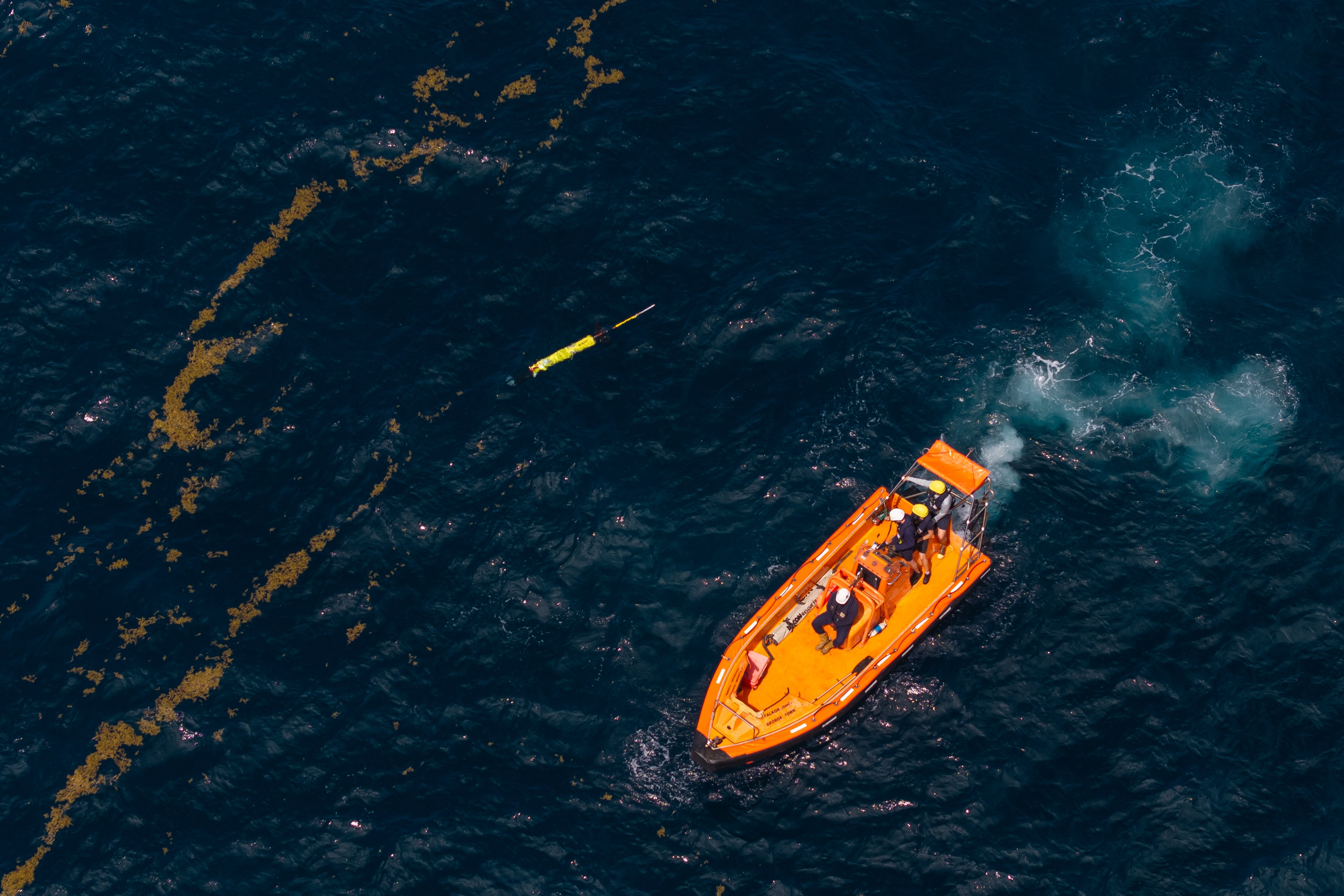
Very few deep sea areas both in and outside of Australia have been well-sampled over large spatial and temporal scales, and a large number of species still remain undiscovered and unnamed. Following the first explorations of Bremer Bay and Perth Canyon, Falkor will bring ROV SuBastian to the Ningaloo Canyons. Dr. Nerida Wilson, of the Western Australian Museum, and her team will aim to identify and characterize the benthic biodiversity in Cape Range and Cloates Canyons and complement ROV surveys using environmental genetics (eDNA). In a country where there are little opportunities to explore the deep sea with a dedicated science ROV, this expedition will have a major impact in understanding this deep sea region.
- Dive Markers
- Trackline
The Mission
Biodiversity hotspots
The remote Western Australian coast (Eastern Indian Ocean) is known for its extensive karst system (sharp limestone ridges and towers in the landscape that are formed by erosion) and network of subterranean water bodies, supporting an incredible diversity of evolutionarily significant fauna. In stark contrast, the deep sea environment adjacent to this celebrated area remains almost unexplored. Major patterns of marine biodiversity appear to be strongly related to temperature, so exploring marine areas near known terrestrial hotspots offers an effective strategy for identifying undiscovered biodiversity. To counter the information deficit found in Western Australian coast, the interdisciplinary team on this expedition plans to actively survey a significant and biologically unexplored submarine canyon, Cape Range Canyon.
To get a true understanding of the area's diversity, the science team will complement ROV SuBastian video surveys and collections with eDNA. This inventory will be helped by the use of eDNA (Environmental DNA), which refers to all the genetic material that can be recovered from an environmental sample. This cutting-edge technique can detect traces of animals left behind that may not be encountered during surveys and will serve as a comparison to more traditional techniques.
Mapping to Lead the Way
The ROV sampling will be guided by experts, as opposed to ‘blind’ grabs or trawls. This allows significant improvements in collection success, as well as re-collection on subsequent dives, and less environmental impacts. The team will also expand on the baseline seafloor mapping in the Gascoyne Marine Park to develop the regional context of canyon habitats in which to interpret the faunal inventory.
When the ROV is not in the water, R/V Falkor’s EM302 deepwater multibeam system will be used to map the seafloor. The resulting continuous high-resolution bathymetry and backscatter of the entire Cape Range Canyon (from head to abyssal fan) will help characterize habitats from which fauna are sampled.
The resulting faunal inventory is fundamental to a better understanding from which more robust ecological approaches can be developed. These areas are usually overlooked when policies are made. North-western Australian deep sea environments are broadly impacted by extraction by oil and natural gas industries. These industrial impacts are ‘out of sight, out of mind’, and an overall lack of understanding of these environments inhibits conservation actions. Understanding what biodiversity occurs in these zones is paramount to activating effective management processes.
Team and Collaborators
Nerida Wilson
Chief Scientist

Kaycee Handley
Corey Whisson
Mark Allen
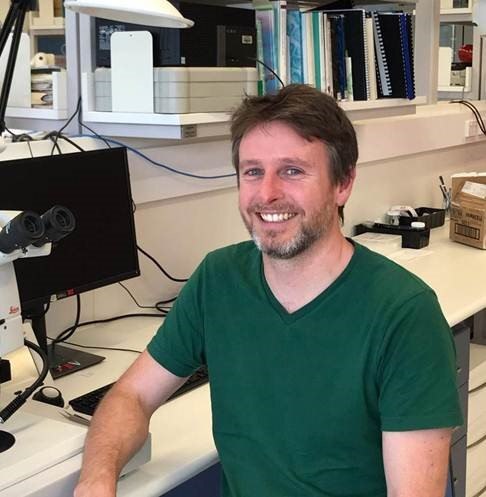
Andrew Hosie
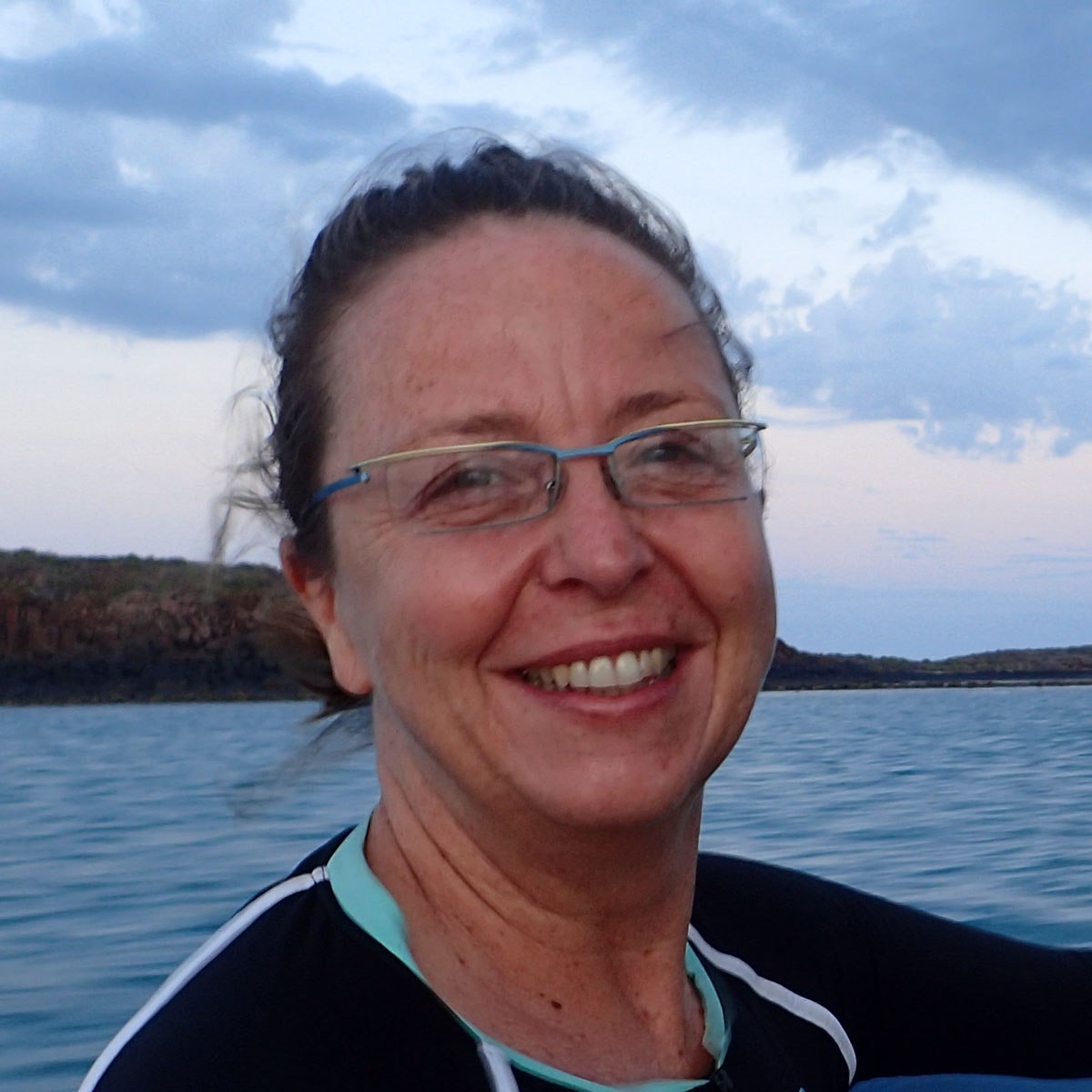
Lisa Kirkendale

Alix Post
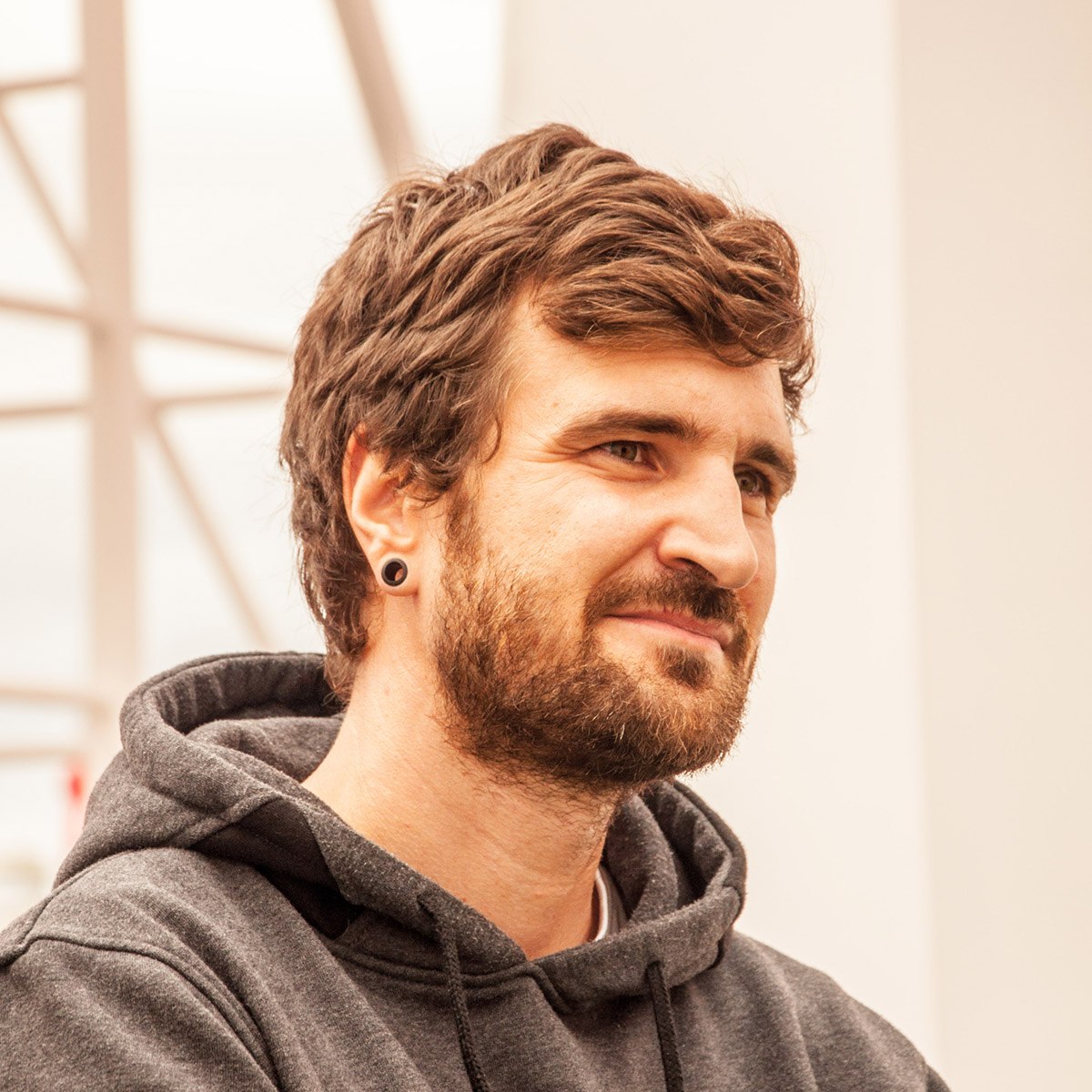
Peter Kohnert
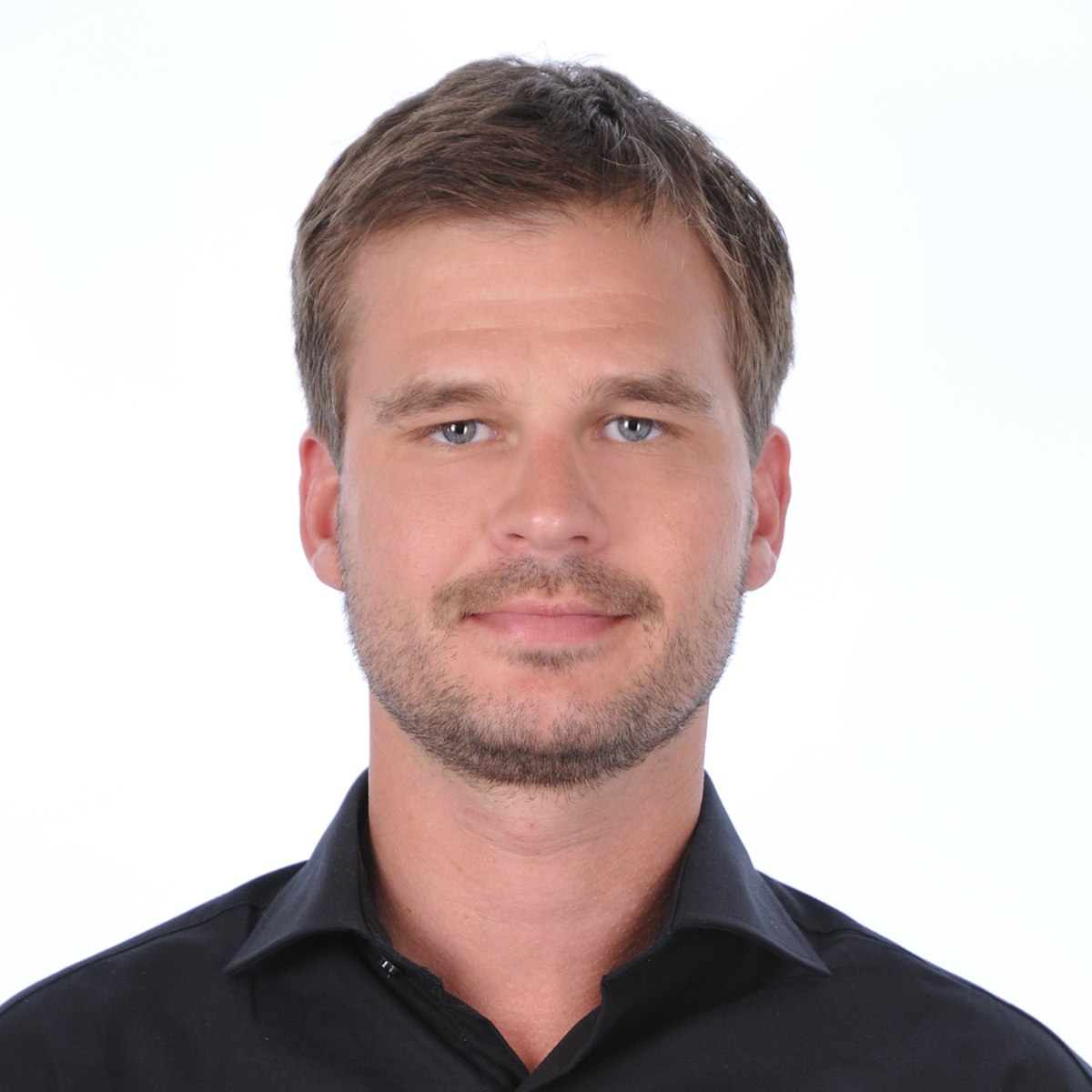
David Juszkiewicz
Student Opportunities Participant
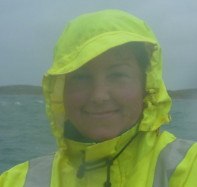
Jenelle Ritchie
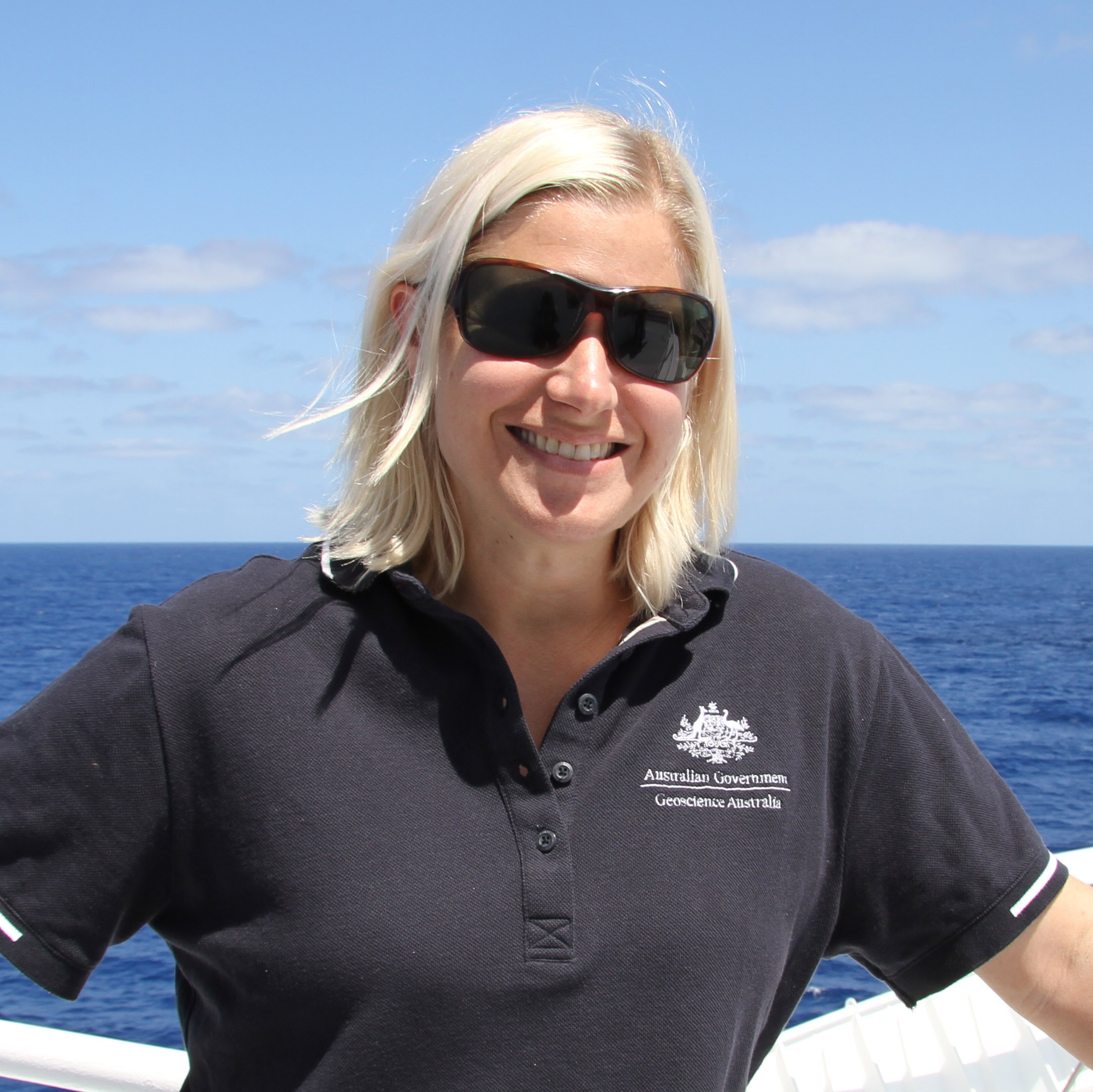
Rachel Przeslawski
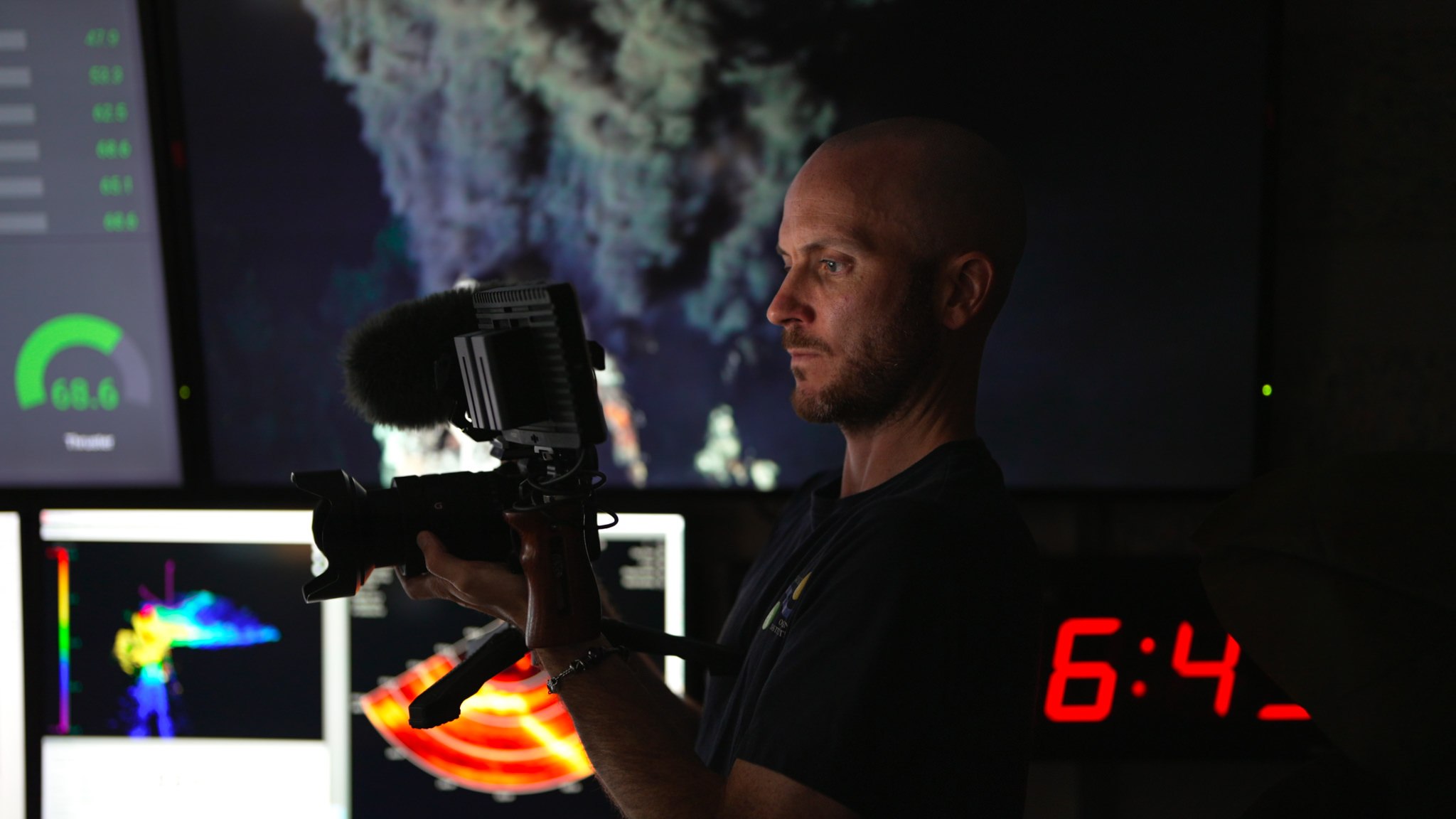
Alex Ingle
Multimedia Correspondent
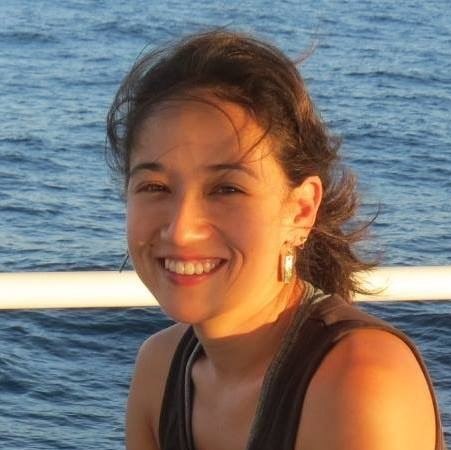
Ana Hara

Amanda Reid
Greg Rouse
Liam Cook
Shanae Tesling
Michelle Childs
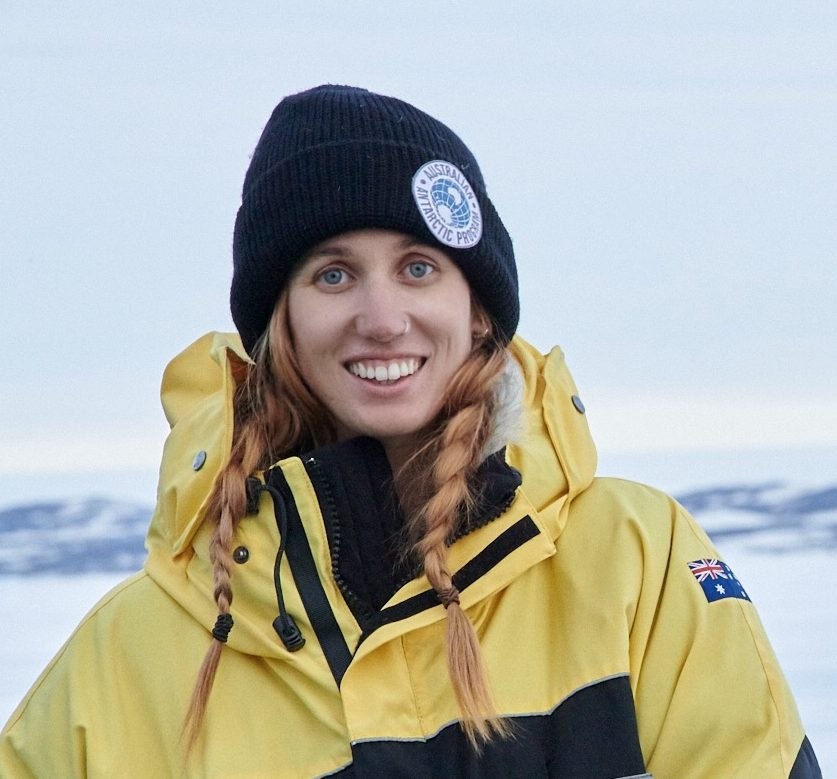
Georgia Nester
Student Opportunities Participant
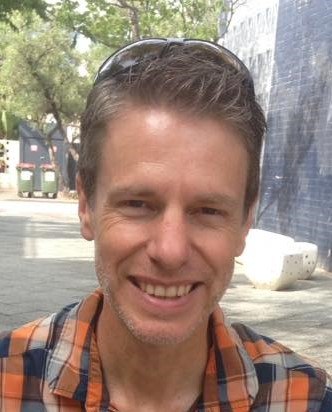
Glenn Moore





Explore
Updates from the Ship
All Ship Updates
- 01
It Takes A Village. and a Few History Books
15 April 2020
Read
- 02
New Discoveries, Experiences and Friendships
14 April 2020
Read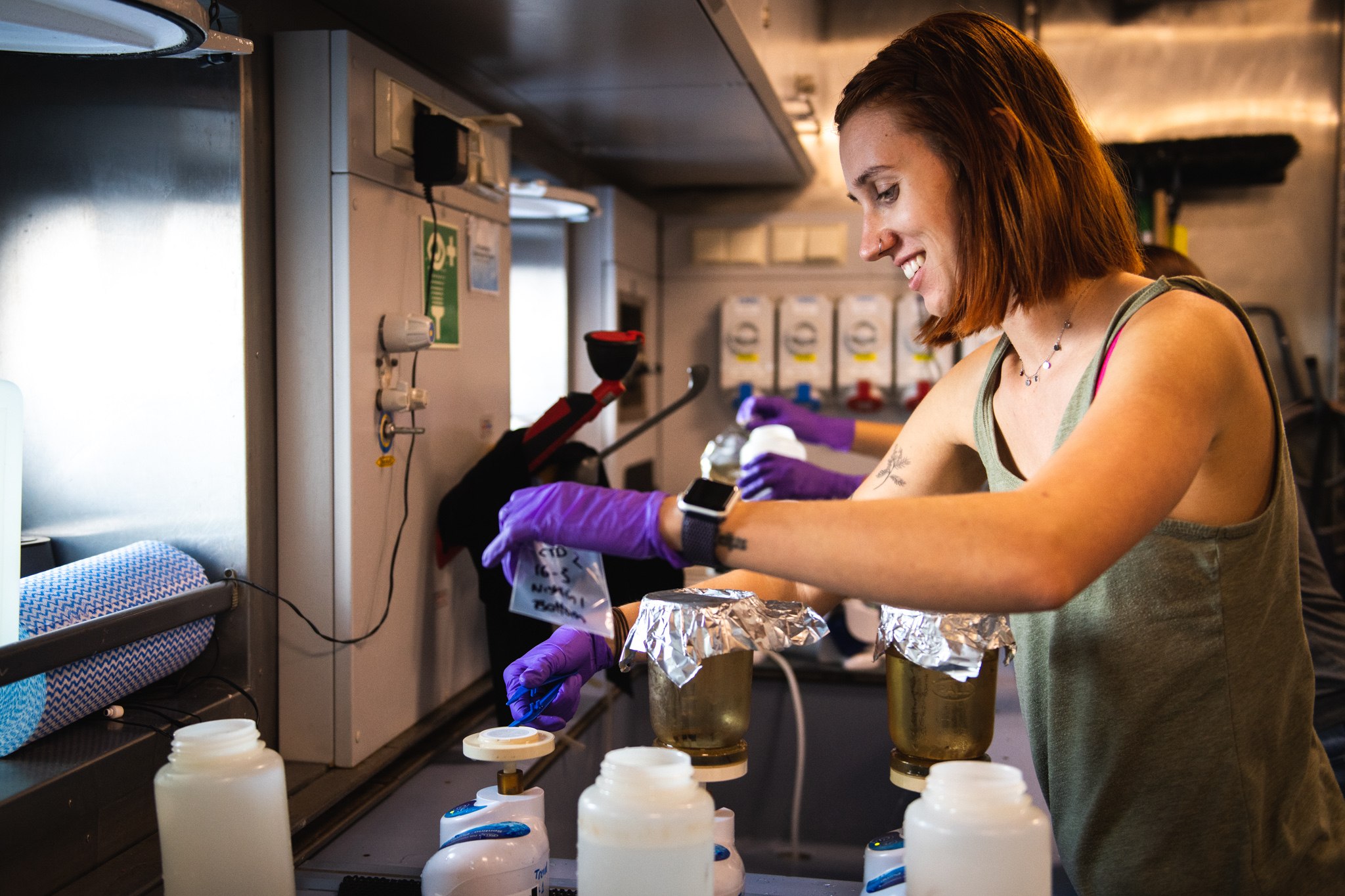
- 03
Illuminating Biodiversity of the Ningaloo Canyons - ROV Highlights Video
13 April 2020
Read
- 04
Illuminating Biodiversity of the Ningaloo Canyons - Wrap Up Video
13 April 2020
Read
- 05
Illuminating Biodiversity of the Ningaloo Canyons - Science Stories
10 April 2020
Read
- 06
An Opportunity To Cherish
8 April 2020
Read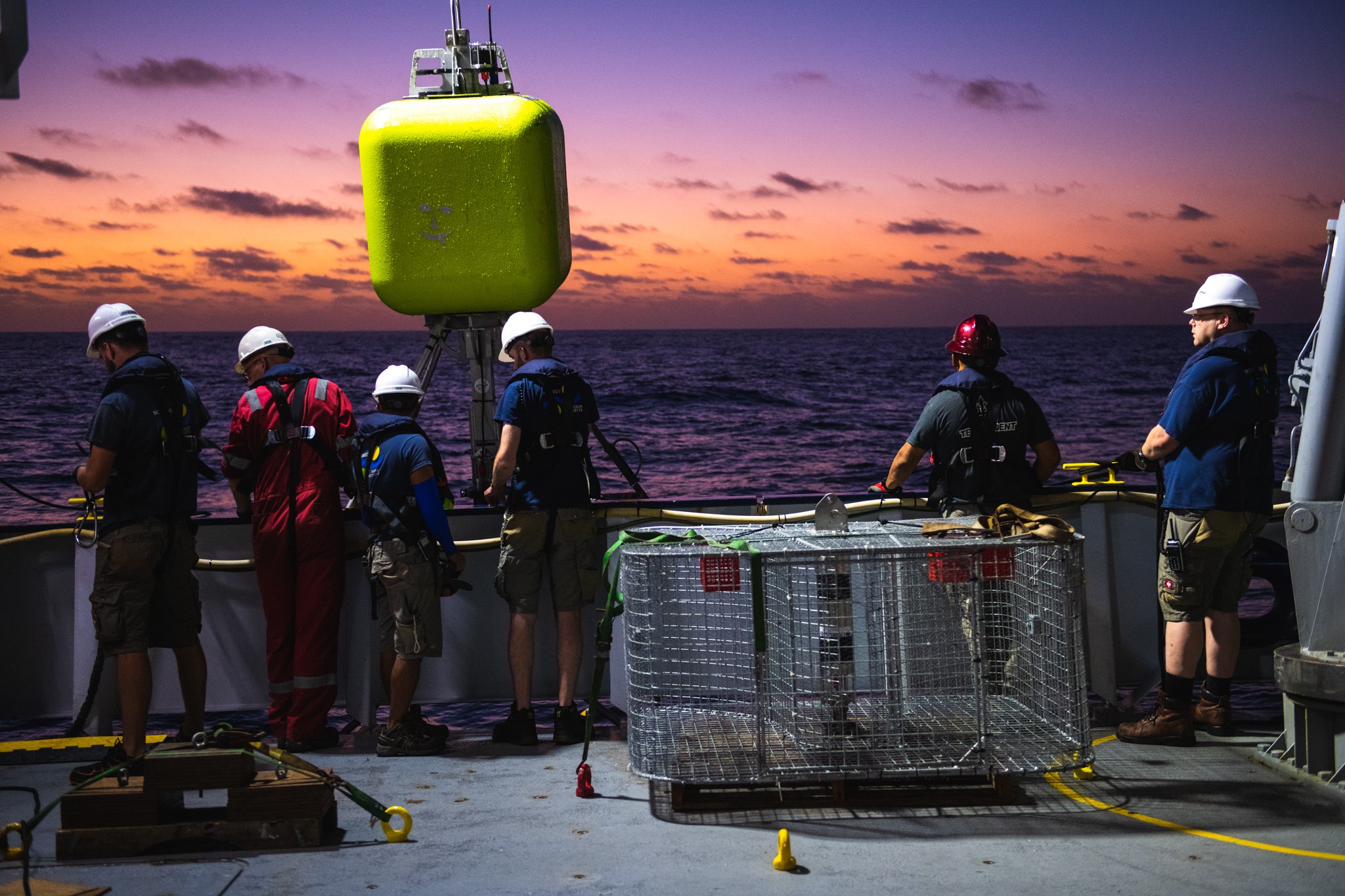
- 07
Illuminating Biodiversity of the Ningaloo Canyons - ROV Highlights Week 3
6 April 2020
Read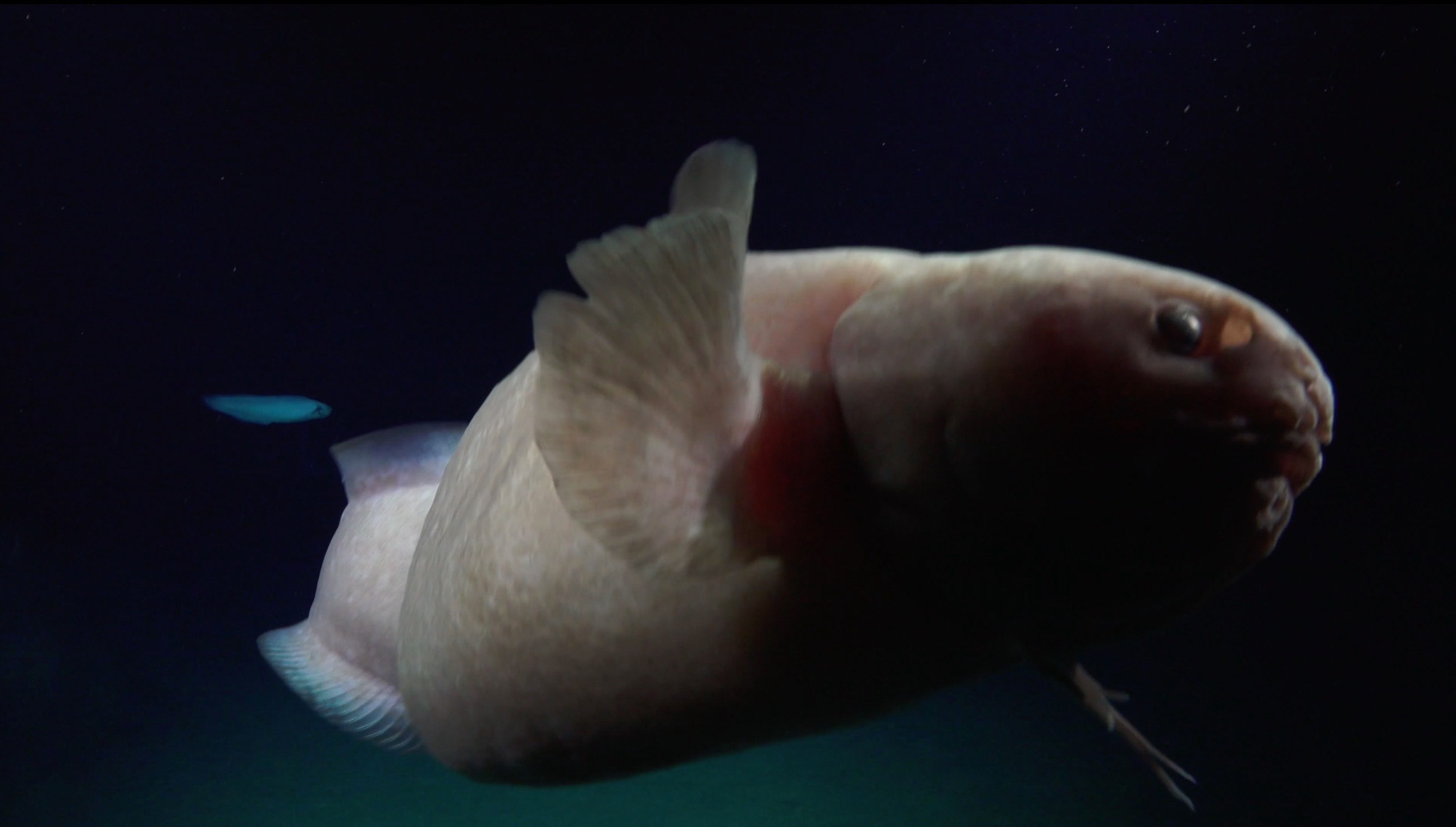
- 08
Exploring Microscopic Worlds
5 April 2020
Read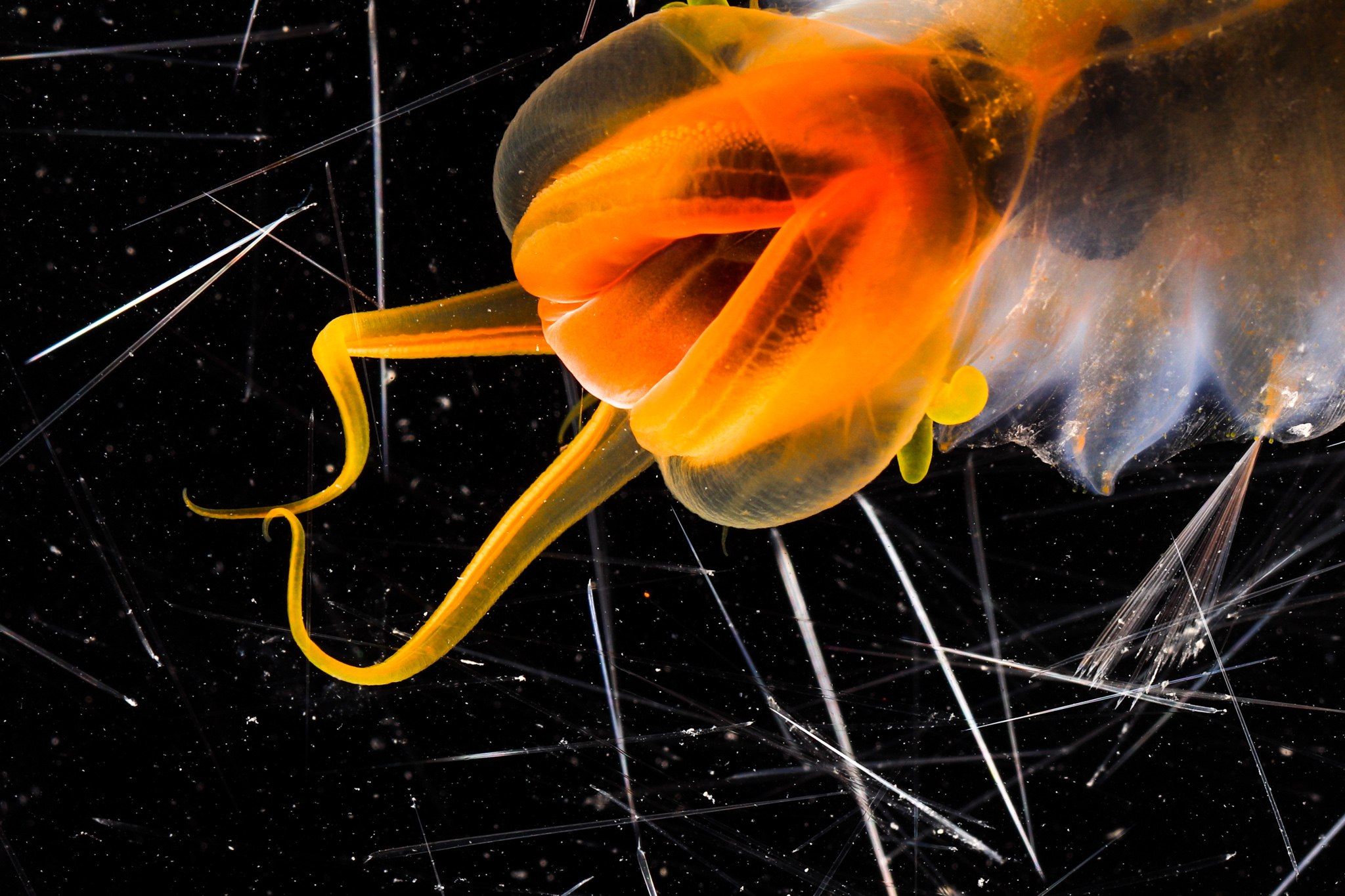
- 09
Why Aren't you Zooming in on the Cool Stuff?
3 April 2020
Read
- 10
Barnacles Like You've Never Seen Before
2 April 2020
Read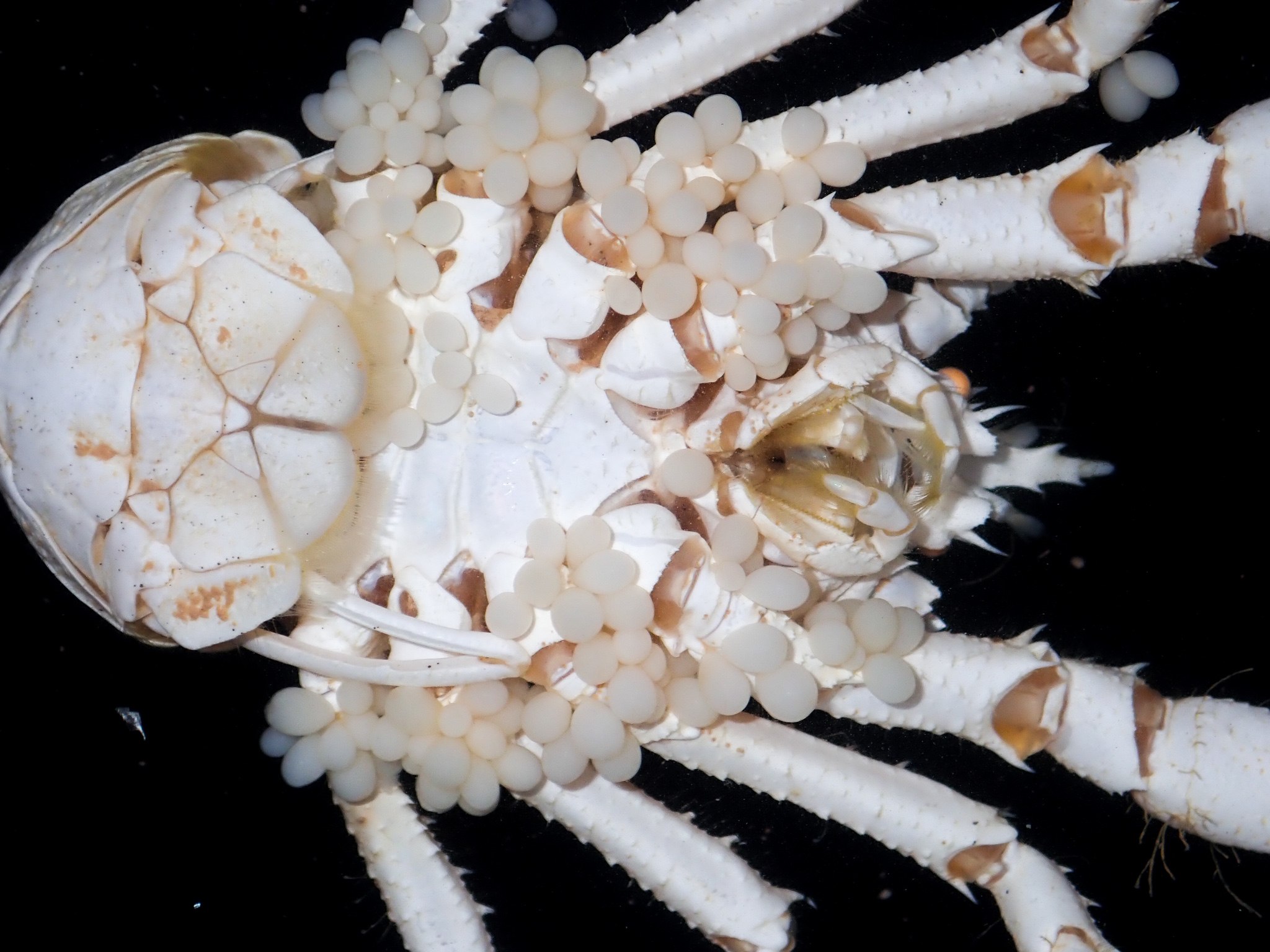
- 11
Science in the Time of Covid-19
1 April 2020
Read
- 12
Illuminating Biodiversity of the Ningaloo Canyons - ROV Highlights Week 2
31 March 2020
Read
- 13
Mapping and Imaging Cape Range Canyon
31 March 2020
Read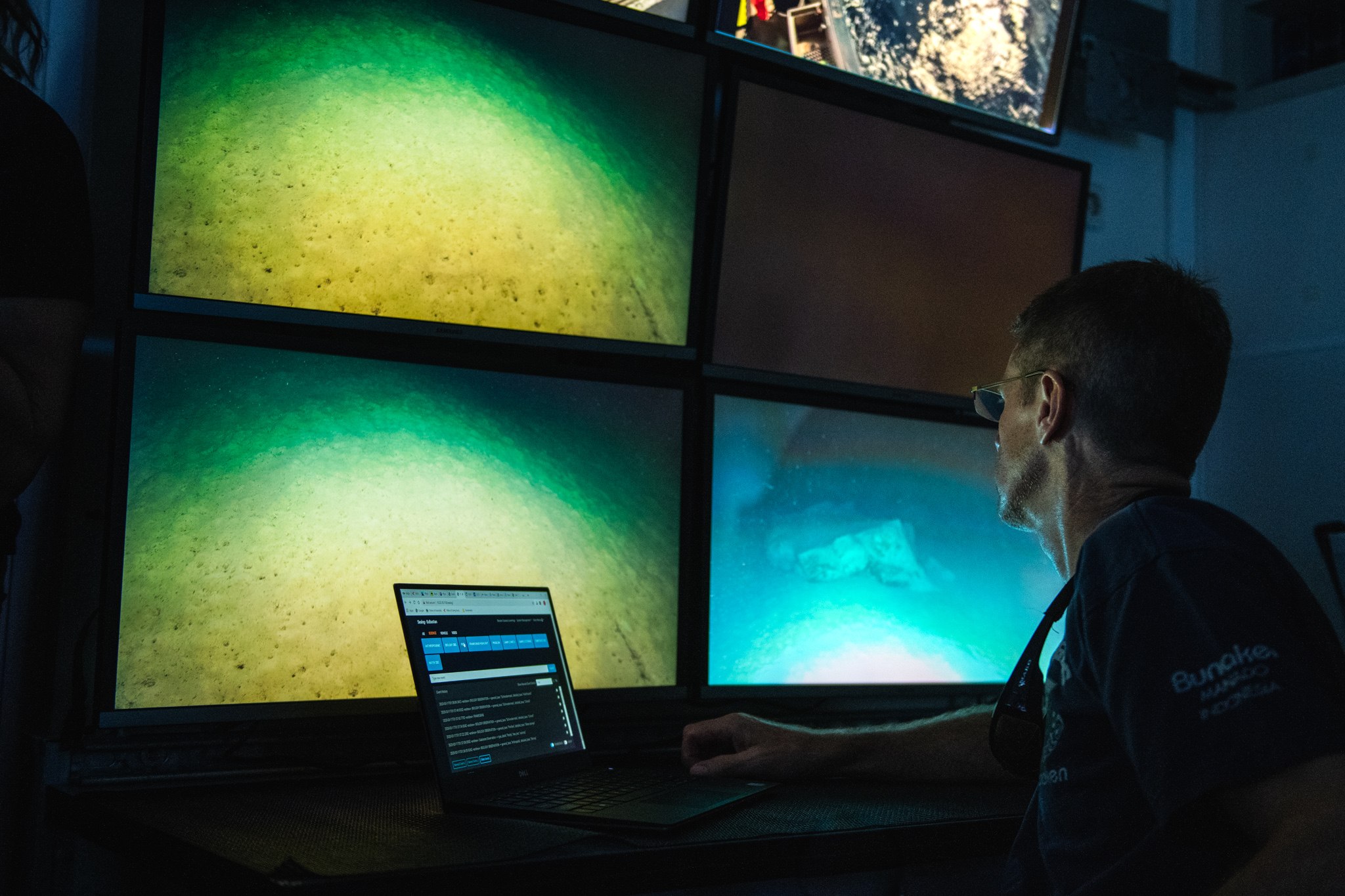
- 14
Following the Dream
30 March 2020
Read
- 15
Sampling, preserving, documenting, and always learning…
26 March 2020
Read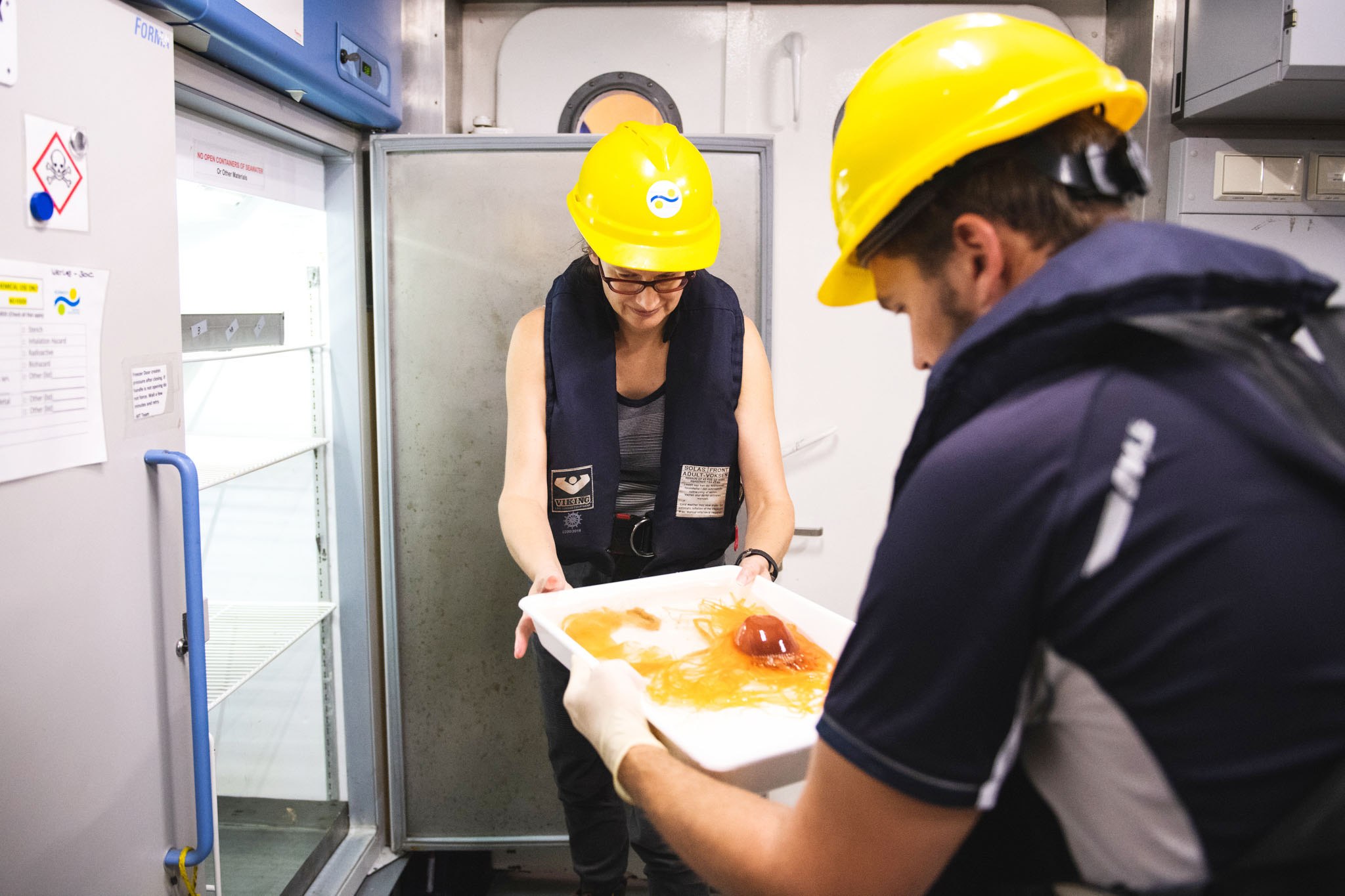
- 16
Sampling and Observing the Deep Sea
25 March 2020
Read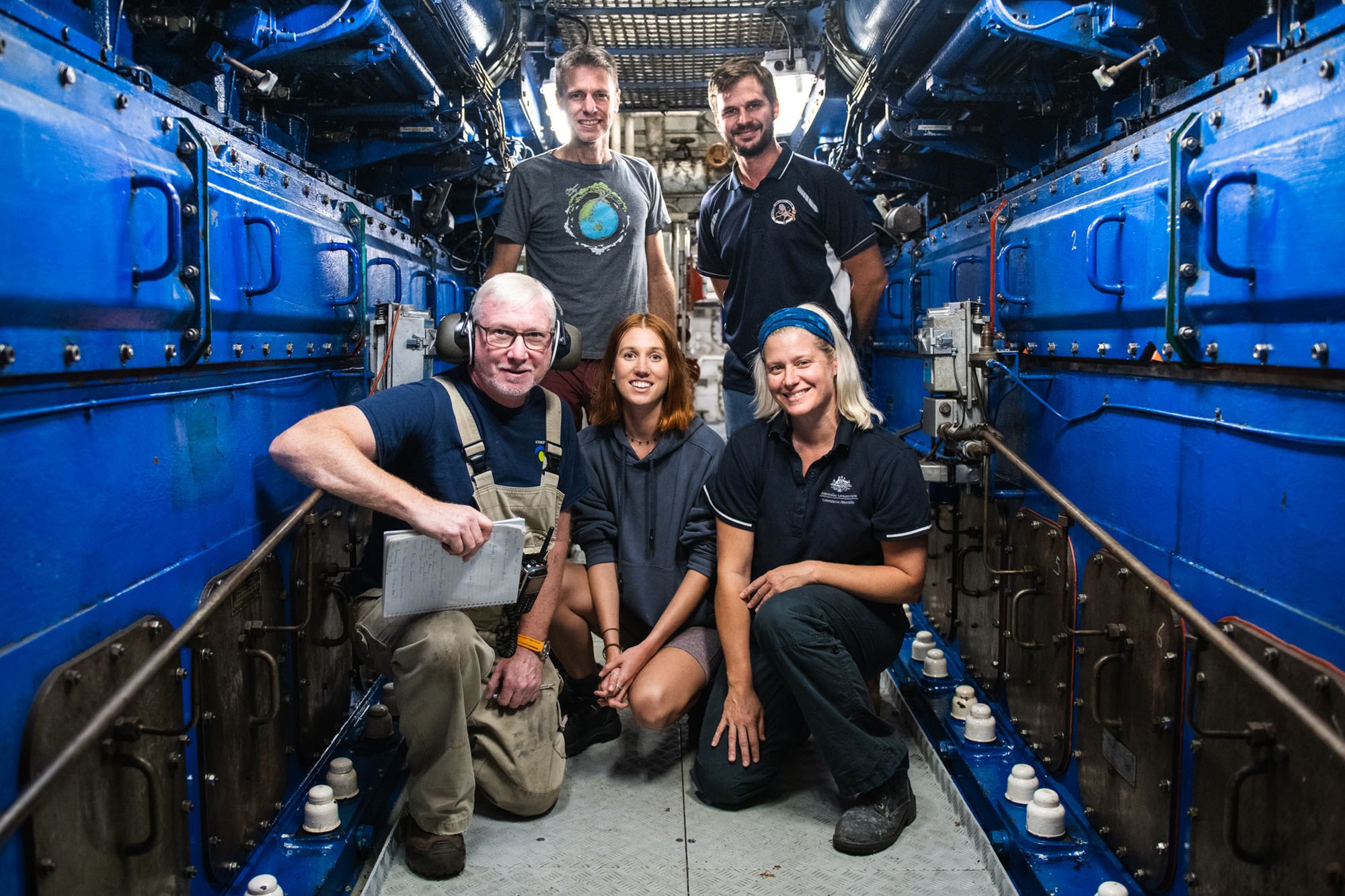
- 17
Illuminating Biodiversity of the Ningaloo Canyons - Week 2 Video
22 March 2020
Read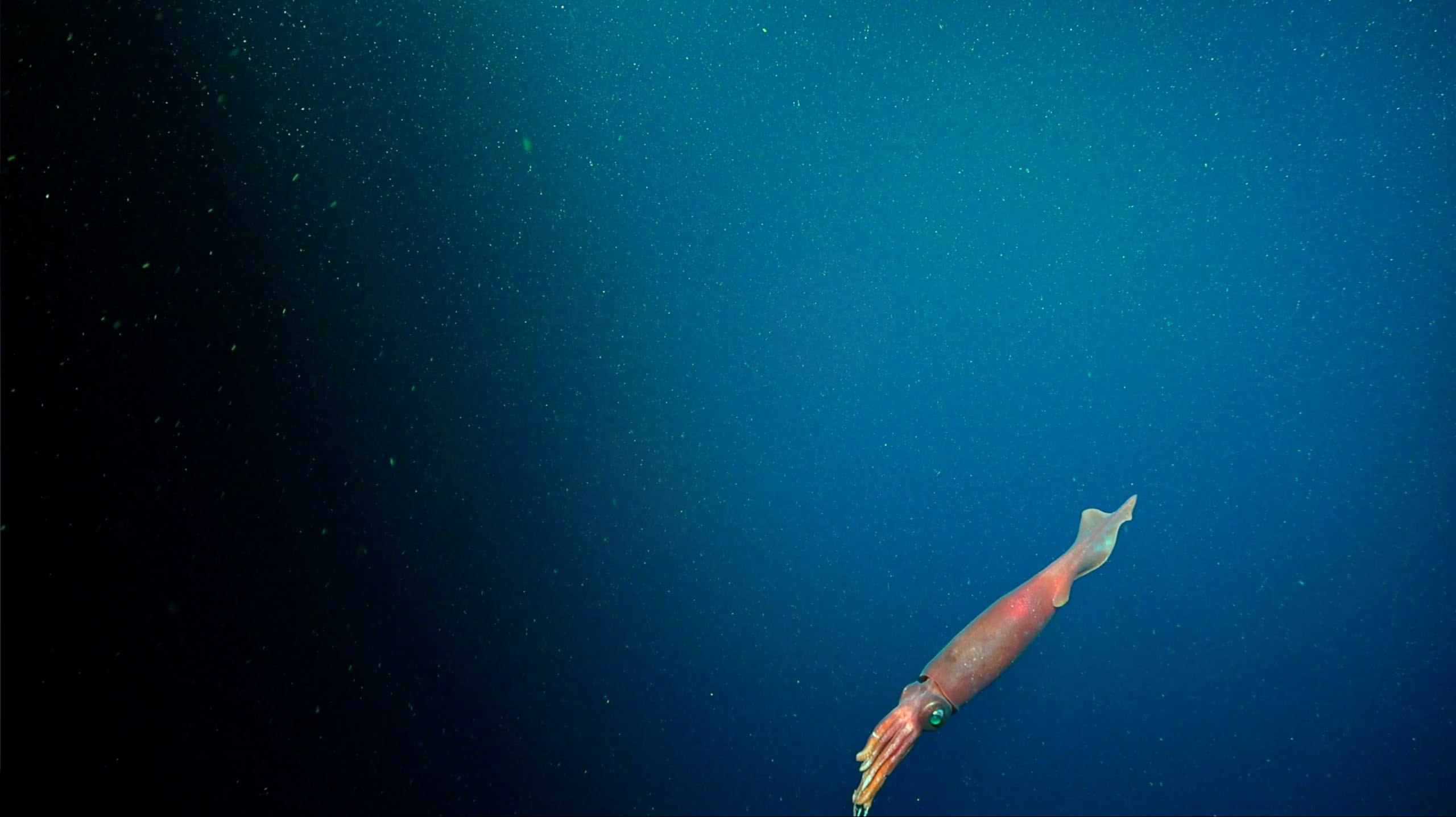
- 18
Illuminating Biodiversity of the Ningaloo Canyons - ROV Highlights Week 1
21 March 2020
Read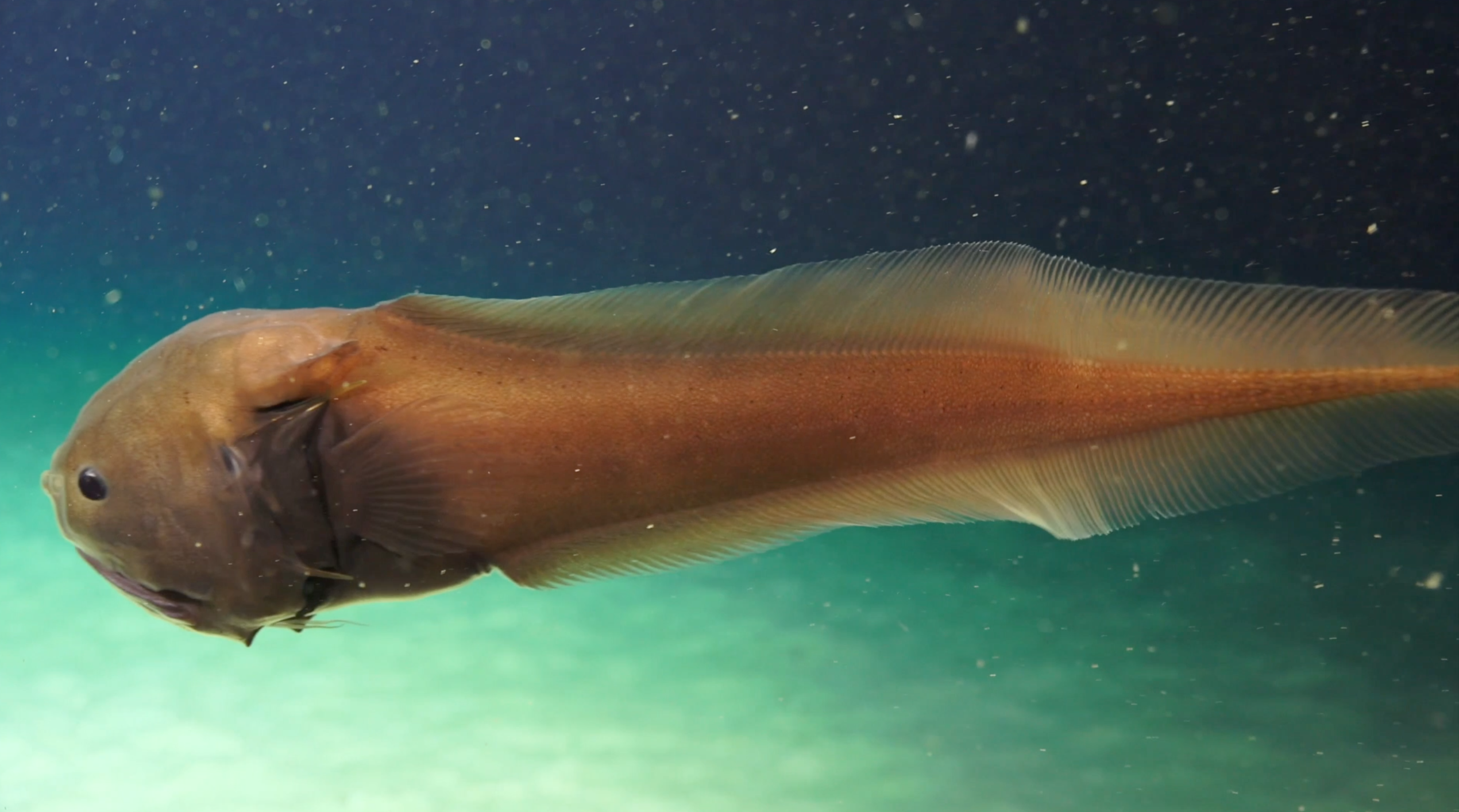
- 19
The Never-ending Question: What is it?
19 March 2020
Read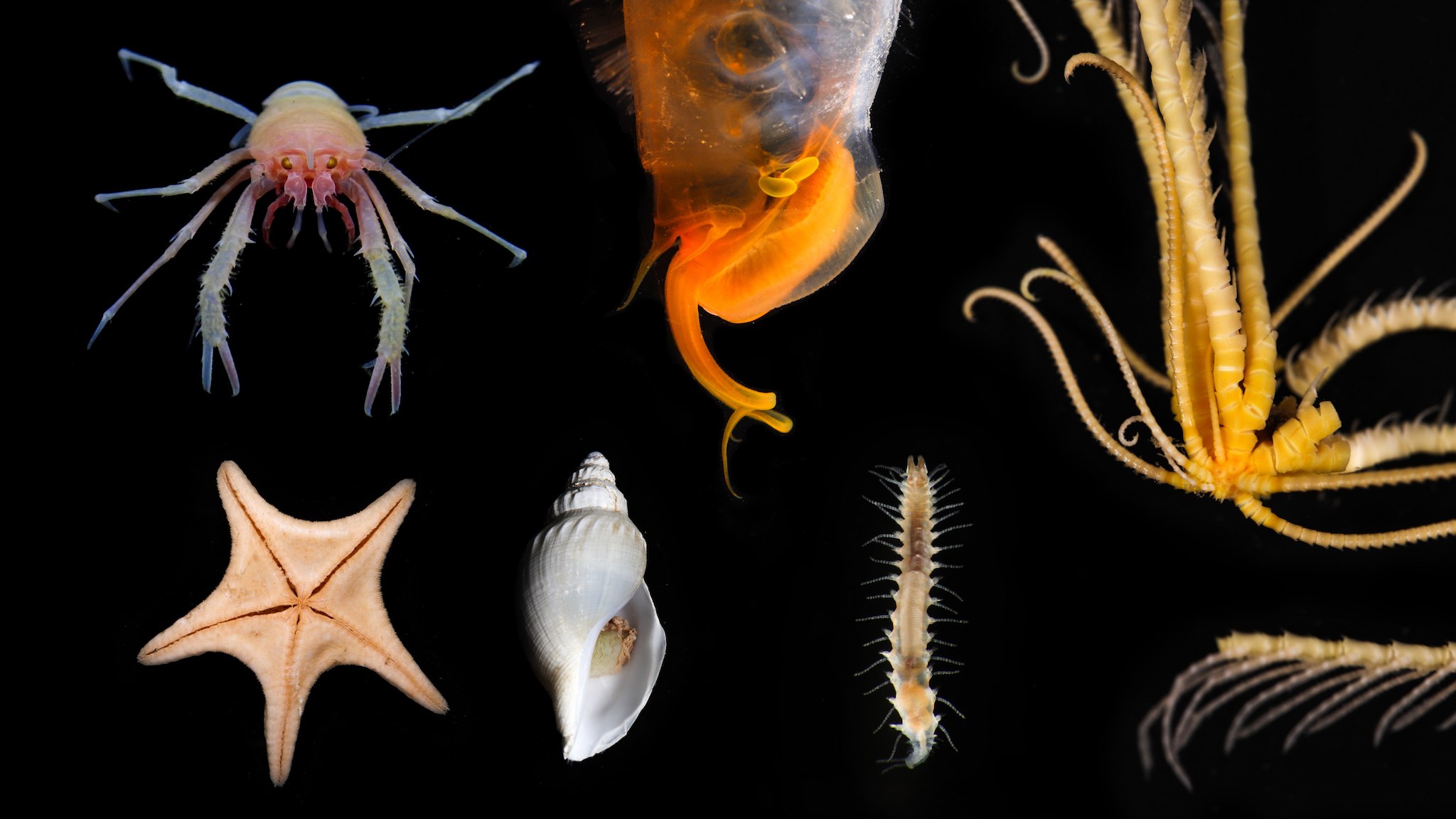
- 20
Illuminating Biodiversity of the Ningaloo Canyons - Week 1 Video
16 March 2020
Read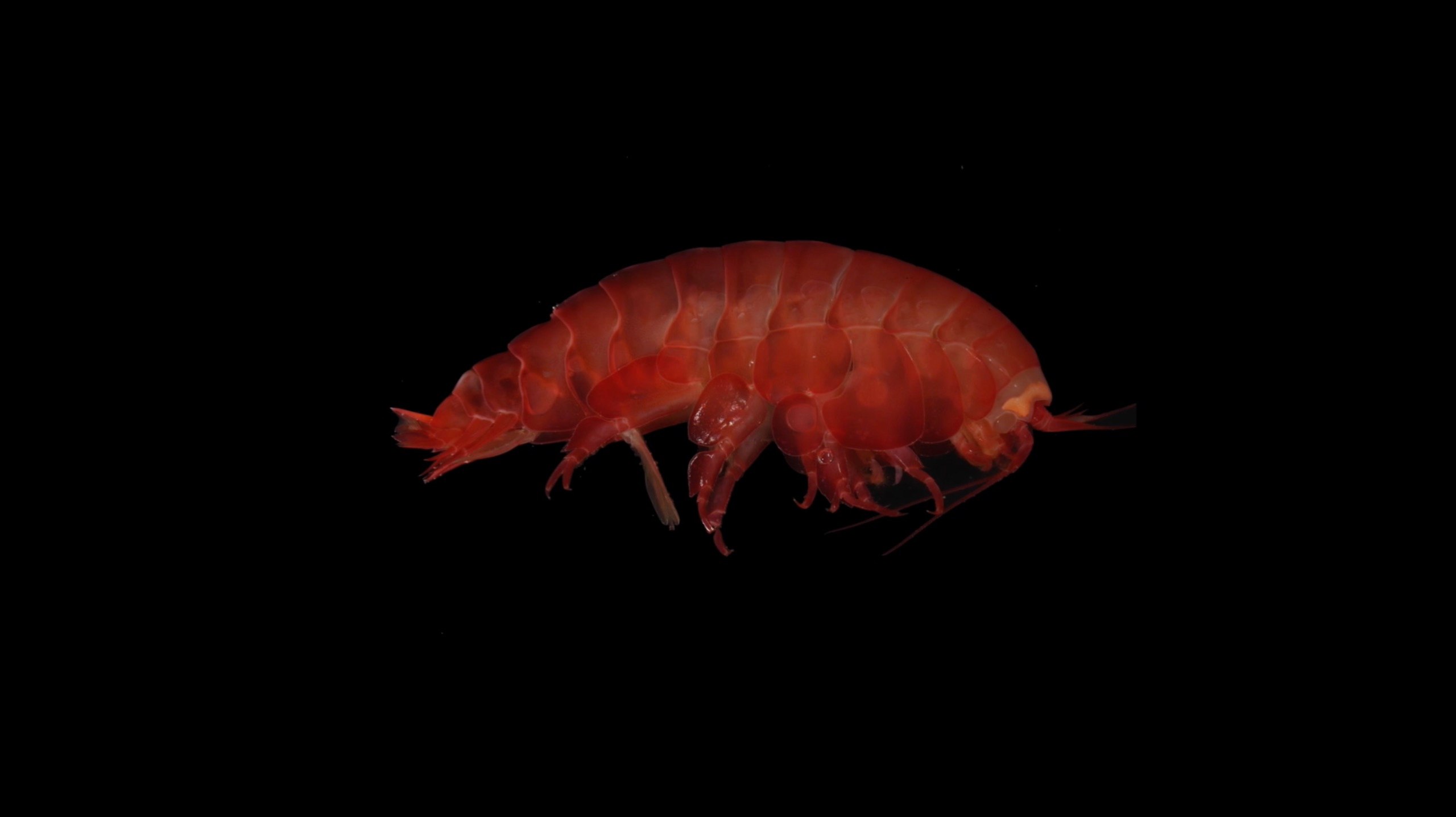
- 21
The Journey Before the Expedition
14 March 2020
Read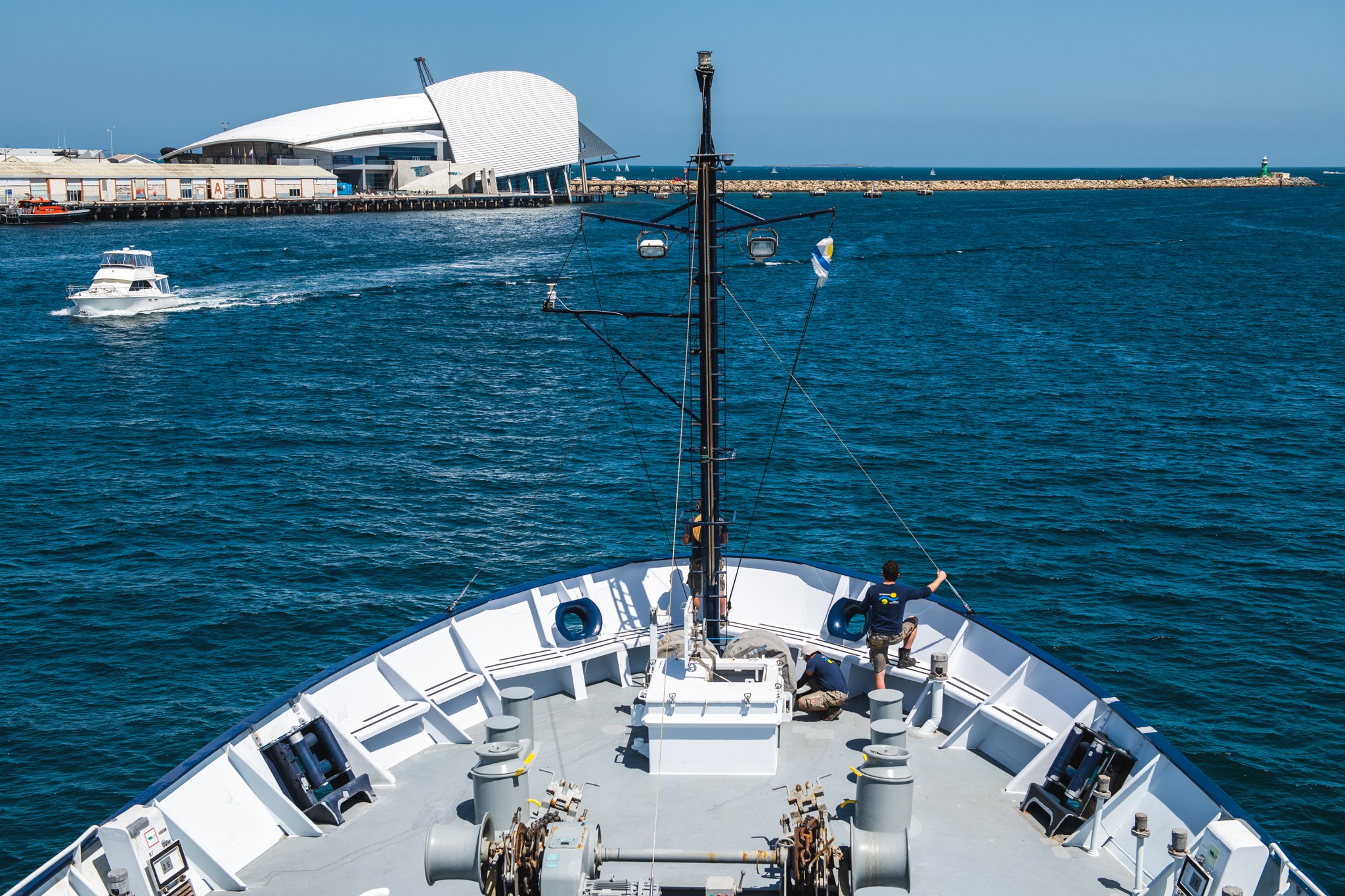
- 22
What a Difference a Good ROV Makes
12 March 2020
Read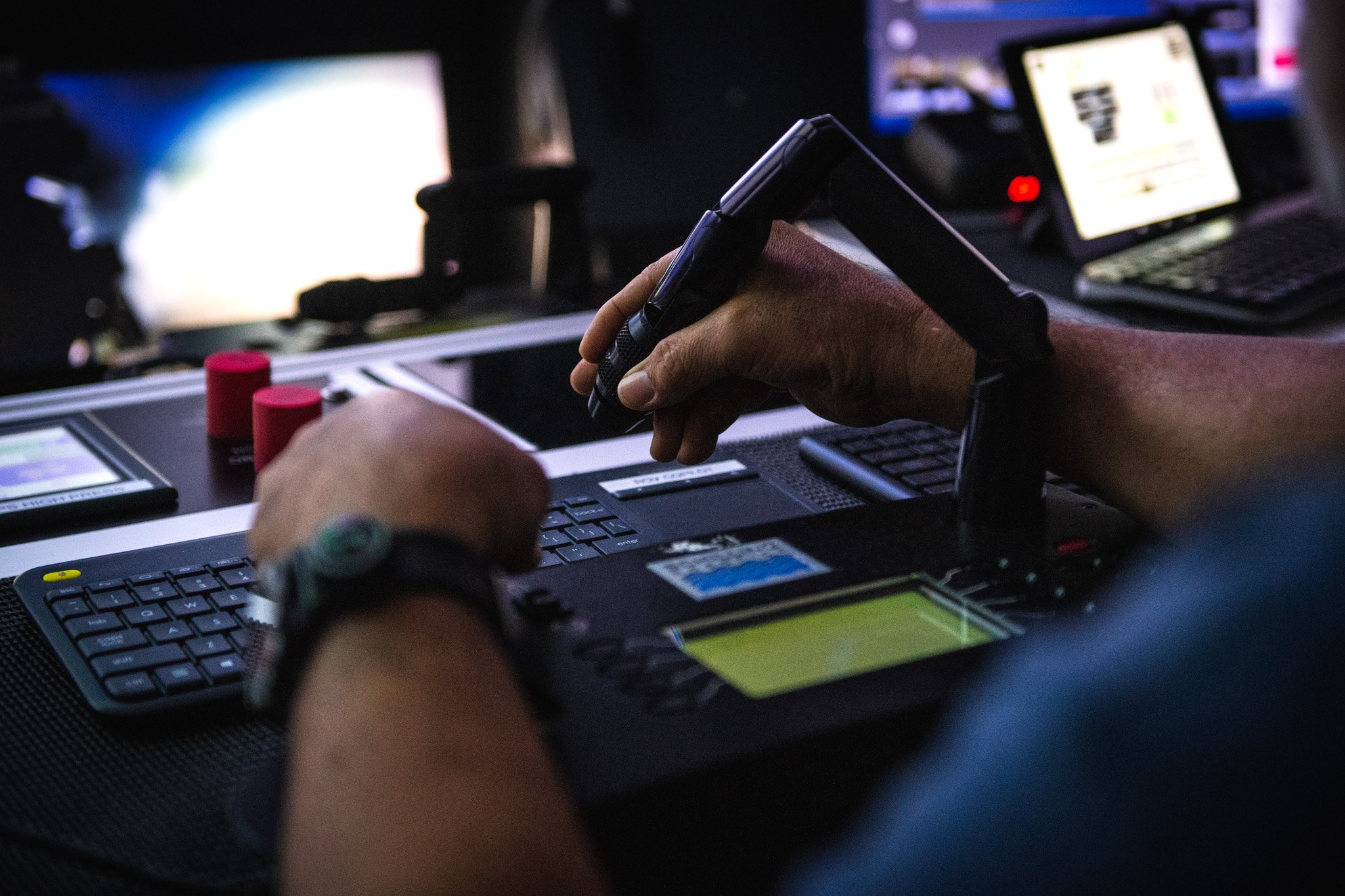
- 23
An Ocean of Opportunity
11 March 2020
Read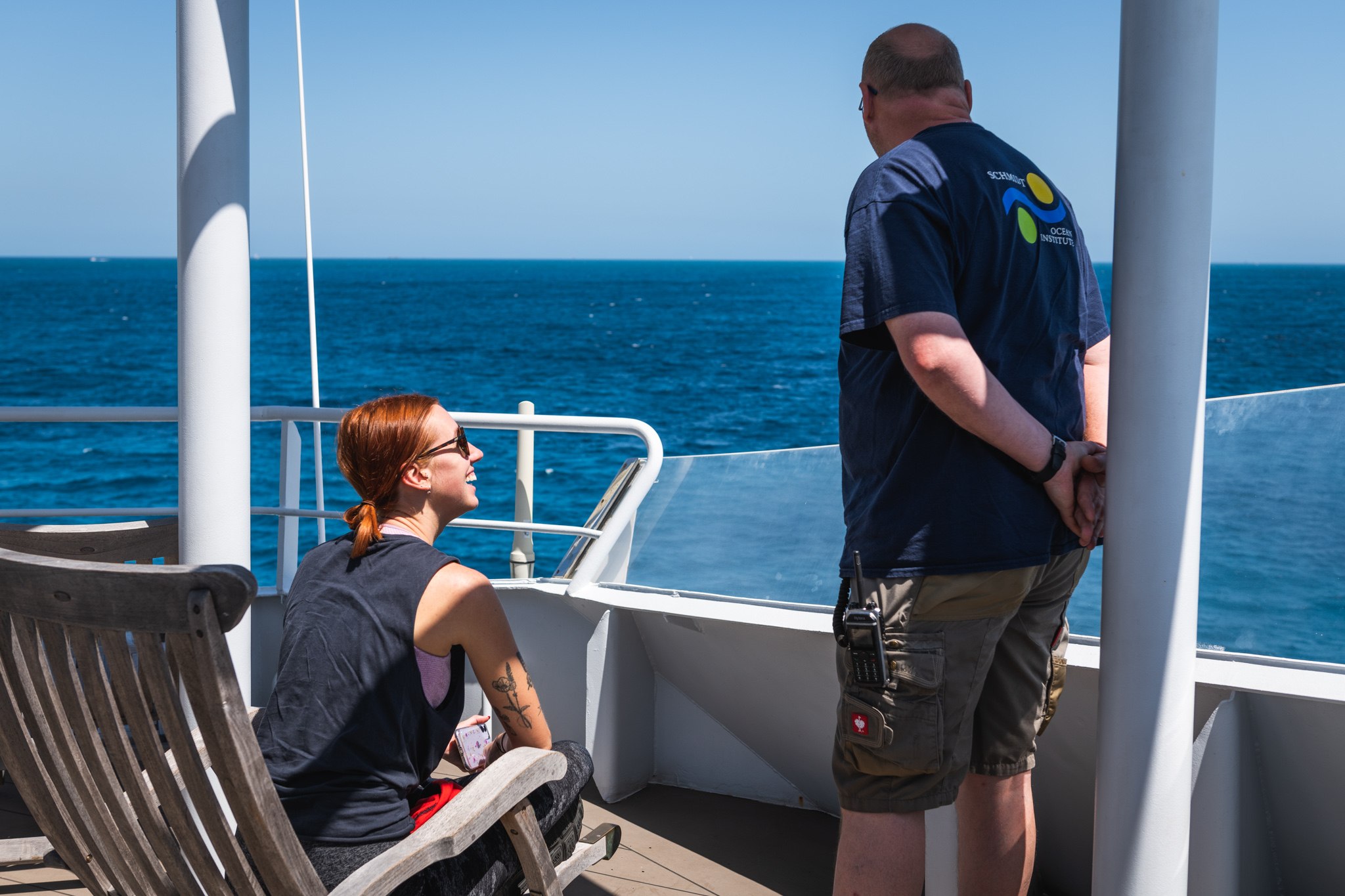
- 24
Deep in the Blue of Ningaloo
10 March 2020
Read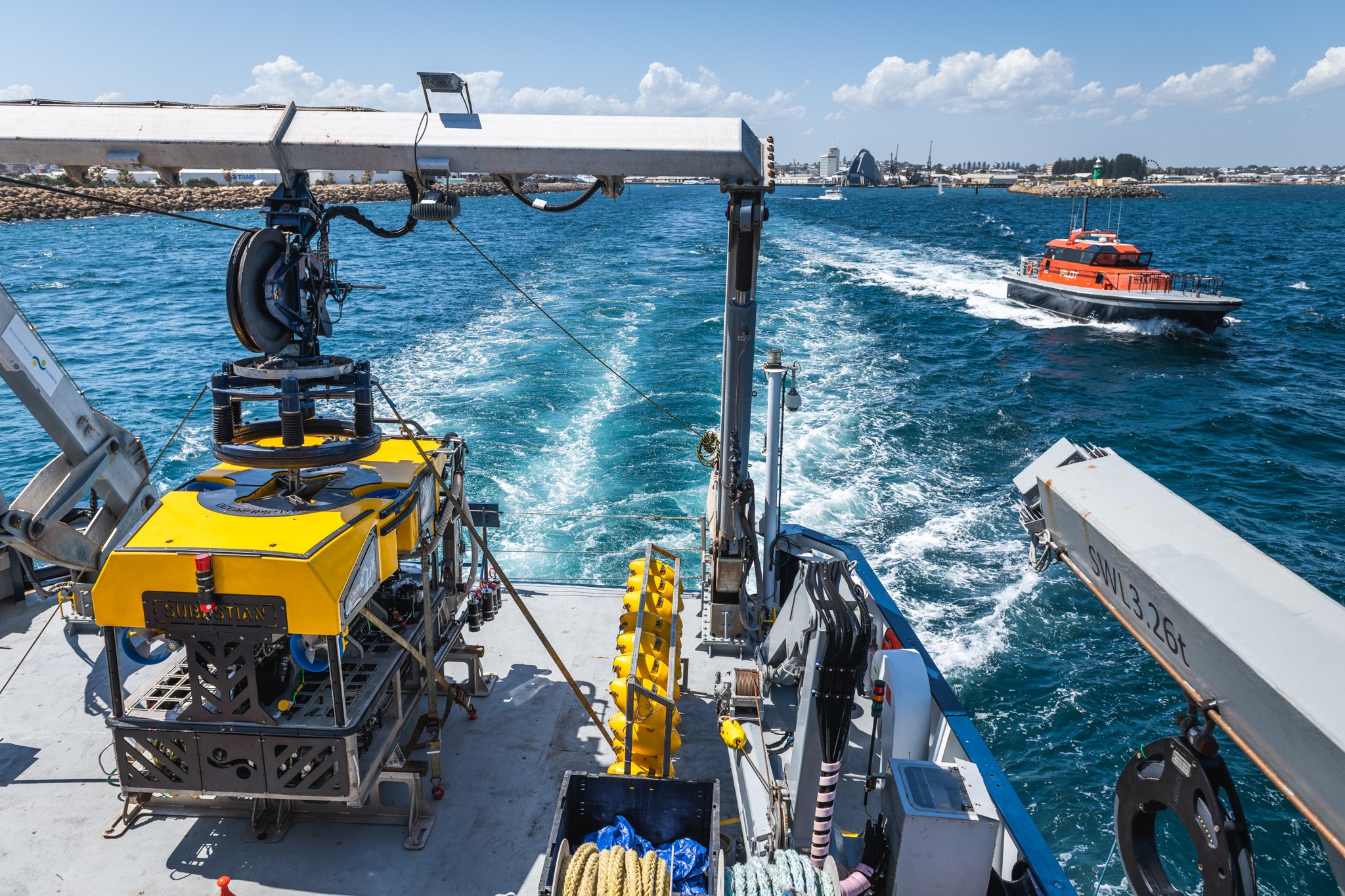
Related Galleries
View AllWe are happy to offer a streamlined request process when usage falls within the parameters outlined in the Creative Commons Attribution-Noncommercial-ShareAlike 4.0 International (CC BY-NC-SA 4.0) License. However, due to our legal status as a 501(c)(3) private operating foundation, no media produced by Schmidt Ocean Institute may be used in attempting to influence legislation or lobbying.
Attribution-NonCommercial-ShareAlike | CC BY-NC-SA
Under this Creative Commons License, you are free to:
Share — copy and redistribute the material in any medium or format
Adapt — remix, transform, and build upon the material
Under the following terms:
Attribution. You must give appropriate credit, provide a link to the license, and indicate if changes were made. You may do so in any reasonable manner, but not in any way that suggests the licensor endorses you or your use.
NonCommercial. You may not use the material for commercial purposes.
ShareAlike. If you remix, transform, or build upon the material, you must distribute your contributions under the same license as the original.
Not sure this license fits your use? Head over to our Image Requests page to learn more
Divestreams
View all Divestreams

Weekly Videos
View all Weekly Videos
Discover More
Expedition Data
Title  | Type | Repository |
|---|---|---|
| Processed bathymetric data from Cape Range Canyon | Sonar Data | AusSeaBed |
| Metadata on species occurrence | Biological Samples | Atlas of Living Australia (ALA) |
| Annotated imagery | Annotated Imagery | Squidle+ |
| Vessel Underway Data | Oceanographic Property Data | Rolling Deck to Repository (R2R) |
| ADCP Data | Oceanographic Property Data | University of Hawaii SOEST |
| Fluid Chemistry, CTD, Navigation and Eventlogger documentation collected by ROV Subastian | Oceanographic Property Data, Navigation Data | Marine Geoscience Data System (MGDS) |
| New worm Species Acrocirridae | Genetic Analysis Data | GenBank/NCBI |
| New worm Species Teuthidodrilus | Genetic Analysis Data | GenBank/NCBI |
| Specimens | Biological Samples | Ocean Biodiversity Information System (OBIS) |
Publications from This Expedition
Post, A., Przeslawski, R., Huang, Z., Smith, D., Kirkendale, L. and N. Wilson. (2020). Gascoyne Marine Park - Post Survey Report, RV Falkor, FK200308.Report filed by Geoscience Australia.
Post, A., Przeslawski, R., Nanson, R., Siwabessy, J., Smith, D., Kirkendale, L., and Wilson, N. G. (2022). Modern Dynamics, Morphology and Habitats of Slope-confined Canyons on the Northwest Australian Margin. Marine Geology, 443, doi: 10.1016/j.margeo.2021.106694.
[This Article was published OPEN ACCESS]Beaman, R., Picard, K., and Miller, A. (2022). RV Falkor Surveys in Australia 2020-2021. Oral Presentation and Conference Paper, Hydrospatial 2021 Conference, Australasian Hydrographic Society, Cairns, Australia.
[This Article was published OPEN ACCESS]Wilson, N., Kirkendale, L., Hosie, A., Moore, G., Rouse, G., Richards, Z., et. al. (2022). An Illustrated Guide to the Fauna of the Ningaloo Canyons. Western Australian Museum.
[This Article was published OPEN ACCESS]Przeslawski, R. (2022). Broad distribution of spider-shaped lebensspuren along the Australian continental margin. Frontiers in Marine Science, doi: 10.3389/fmars.2022.1086193.
[This Article was published OPEN ACCESS]Przeslawski, R., Christenhusz, M. (2022). Deep-sea Discoveries. Zoological Journal of the Linnean Society, 194 (4), doi: 10.1093/zoolinnean/zlac022.
[This Article was published OPEN ACCESS]Mandre, P., and Rouse, G. (2025). Molecular Phylogeny of the Deep-Sea Predatory Octacnemidae (Ascidiacea, Tunicata, Chordata), with Seven New Species. Diversity, 17(12), doi: 10.3390/d17120859.
[This Article was published OPEN ACCESS]Nester, G., Wilson, N., Moore, G., Hosie, A., Przeslawksi, R., Bunce, M., Kirkendale, L., and Richards, Z. (2026). Environmental DNA Reveals Diverse and Depth-Stratified Biodiversity in East Indian Ocean Submarine Canyons. Environmental DNA 8(2), doi: 10.1002/edn3.70261.
[This Article was published OPEN ACCESS]