


Dive In
About the Expedition
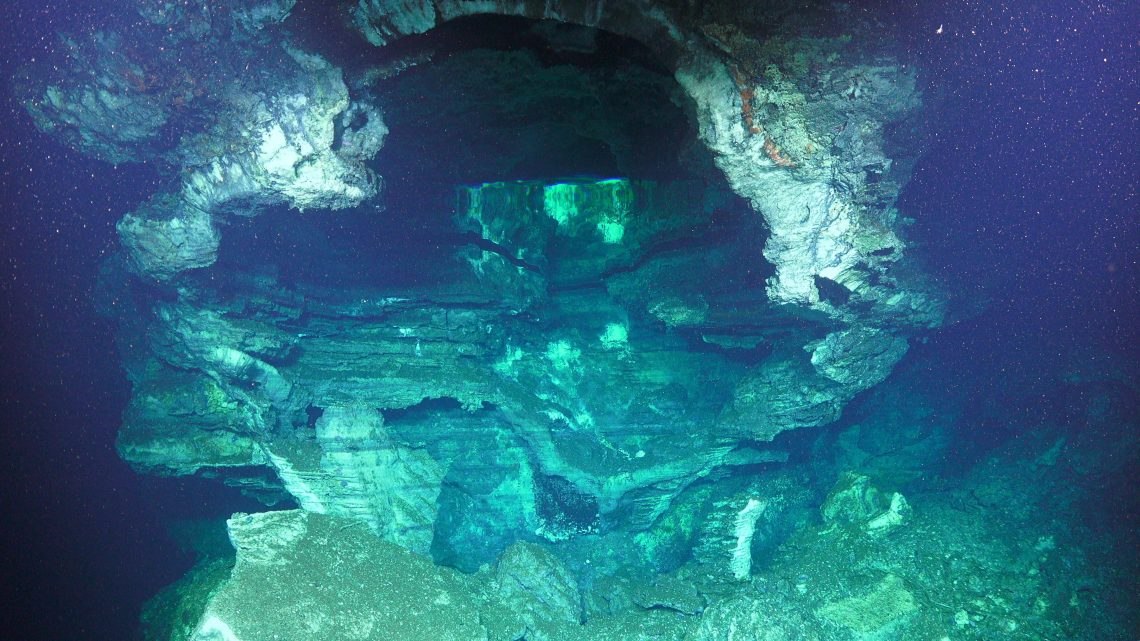
During a 2018 expedition aboard R/V Falkor, Drs. David Caress, Ron Spelz-Madero, Raquel Negrete-Aranda, and Victoria Orphan, alongside a team of interdisciplinary researchers and engineers, explored the recently discovered Auka Vent Field. The Auka Vent field is a series of hydrothermal vents located in Pescadero Basin, one of several small ocean basins in the tectonically active Gulf of California (GOC). While mapping, exploring, and sampling Auka with ROV SuBastian, the team deployed seafloor mapping AUVs to explore other parts of the basin. The AUV data revealed another new hydrothermal vent field, which they named JaichMaa ’jag, a term from the indigenous Kiliwa people in the GOC that roughly translates to “Liquid Metal”. The name refers to an underwater cavern with hot fluid pooled at the ceiling creating a reflective surface like an upside-down lake, which was unveiled within a chimney in the new vent field. The work contributed to a growing body of research determining the hydrothermal vents in the Pescadero Basin are distinct from other known vent systems, from the minerals they emit to the animals that live on them. In September 2021, the researchers will return to further their interdisciplinary investigation of the Gulf of California. They plan to map the neighboring Carmen and Farallon Basins, characterize heat flow in the Pescadero Basin, and examine hydrothermal vent microbiology and ecology in the Auka and JaichMaa ’ja’ag fields in order to further our understanding of these recently discovered hydrothermal systems.
- Dive Markers
- Trackline
The Mission
The Gulf of California
The Gulf of California (GOC) is a relatively young feature of our planet. Its formation is estimated to have started ~12.5 million years ago when Baja California began to break away from the North American continent. The GOC is the northernmost portion of the East Pacific Rise, a mid-ocean ridge that extends down to Antarctica. Several tectonic plates move away from the Pacific Plate along the East Pacific Rise, creating a spreading center. Spreading centers are tectonic boundaries where new crust (the outermost layer of our planet) forms. The Gulf of California spreading varies from the rest of the East Pacific Rise because it is where the North American Plate begins to move alongside the Pacific Plate, transitioning into a transform fault. The transform motion dominates farther north and is known as the San Andreas fault system.
The movement results in both spreading and sliding between the two plates and, over time, have opened up four deep ocean basins known as the Guaymas, Carmen, Farallon, and Pescadero Basins. Guaymas and Pescadero basins contain documented hydrothermal vents, but there has been little exploration and mapping of the Carmen and Farallon Basins. Leg One of the expedition will focus on multibeam mapping the Carmen and Farallon Basins to better characterize these geologic features and inform future scientific endeavors in the region. Mapping the Carmen and Farallon basins will also aid in understanding the opening of the Southern Gulf of California, as the science team searches for features affiliated with the opening of the Gulf.
Hydrothermal Vents in the GOC
The hydrothermal vents in the Pescadero Basin vary significantly from other known vent communities physically, chemically, and ecologically. The temperature, chemical make-up, and animals that live on these vents are unlike vents found in other parts of the world. Due to the shape and surrounding land, the GOC facilitates heavy sedimentation of the Pescadero Basin. Debris runs into the basin from surrounding watersheds, and organic matter sinks to the bottom from photosynthetic organisms living in the surface waters. Most hydrothermal vent communities exist in deeper, offshore regions that do not experience sediment build-up. This sedimentation affects the chemistry and make-up of the hydrothermal vents. The vents observed in Pescadero Basin are uniquely composed of hydrothermal carbonates and clear, shimmering water around 290 degrees Celsius. These fluids have a higher pH and produce calcite-rich mineral deposits rather than the sulfides of more commonly observed vents. Hot water reacting with sediment forms organic gases and hydrothermal petroleum, a process that usually requires deep burial of organic-rich sediment and millions of years.
Leg Two of the expedition will concentrate on heat flow of the hydrothermal vents and their surrounding areas. ROV SuBastian will be fitted with a temperature probe, and the scientists will take measurements at intervals starting near the vents and then moving away to create heat flow profiles. Mapping heat flow is essential for understanding hydrothermal circulation (the movement of hydrothermal fluids around the basins and GOC) and thermally-driven processes.
Communities of the Pescadero Basin Vents
No light penetrates to the bottom of the Pescadero Basin. Instead of relying on photosynthesis as the basis of the food web, microbes living on hydrothermal vents generate energy through chemical energy or ‘chemosynthesis’. The microbes in the Pescadero Basin use diverse sources of chemical energy including methane and hydrocarbons, as well as hydrogen and hydrogen sulfide gases dissolved in the hydrothermal fluid. Extremophilic microbes persist throughout the vent environment and are adapted to a large range of temperatures from above boiling point of water to the frigid cold temperatures of the deep sea. Some microbes are adapted to living in symbiosis with animals like tubeworms and anemones, while others live within chemical-rich sediments or exist endolithically, living within the interior of hydrothermal minerals. During Leg Three of the expedition, the scientists will document the diversity of different extremophilic microbes living across steep temperature gradients on and around the Pescadero Basin vents and characterize the menu of chemical compounds they use to create energy and grow
Alongside characterizing the microbial communities, the scientists will also investigate the larger animals living near the vents during Leg Three of the expedition. The 2018 expedition revealed that three primary animals are foundational within the Auka and JaichMaa ’ja’ag vents: a species of tubeworm, a blue scale worm, and a chemosynthetic anemone. The anemone is the first-ever cnidarian documented to have a symbiotic relationship with microbes and rely on chemosynthesis. In addition to examining the known animals, the scientists hope to find new species living around Pescadero Basin hydrothermal vents.
Team and Collaborators

David Caress
Chief Scientist
Shana Goffredi
Co-Chief Scientist
Raquel Negrete-Aranda
Co-Chief Scientist
Victoria Orphan
Co-Chief Scientist
Ronald M. Spelz-Madero
Co-Chief Scientist
Giancarlo Troni
Florian Neumann
Robert Zierenberg
Greg Rouse
Ismael Yarbuh

John Magyar
Néstor Ramírez-Zerpa
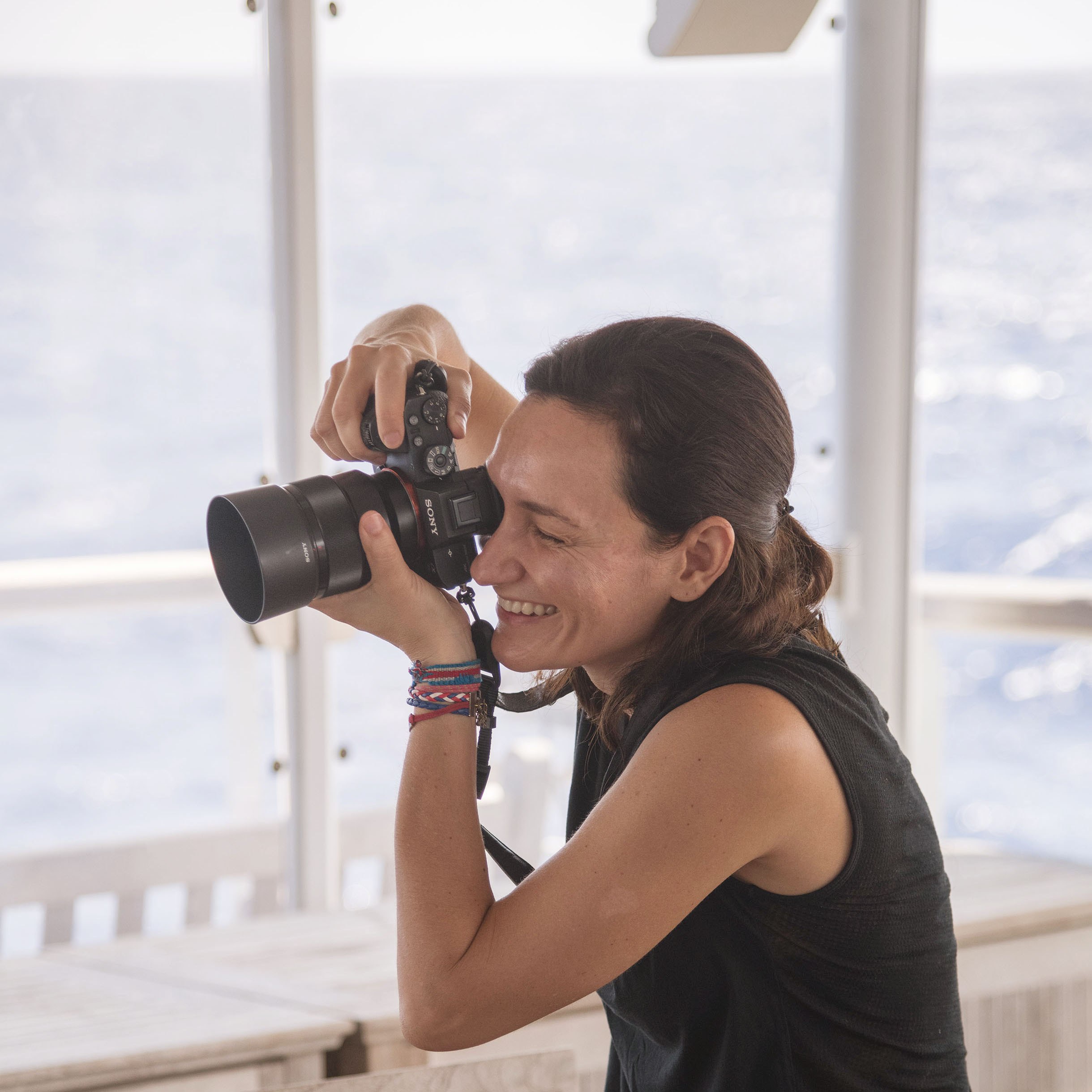
Mónika Naranjo-Shepherd
Multimedia Correspondent
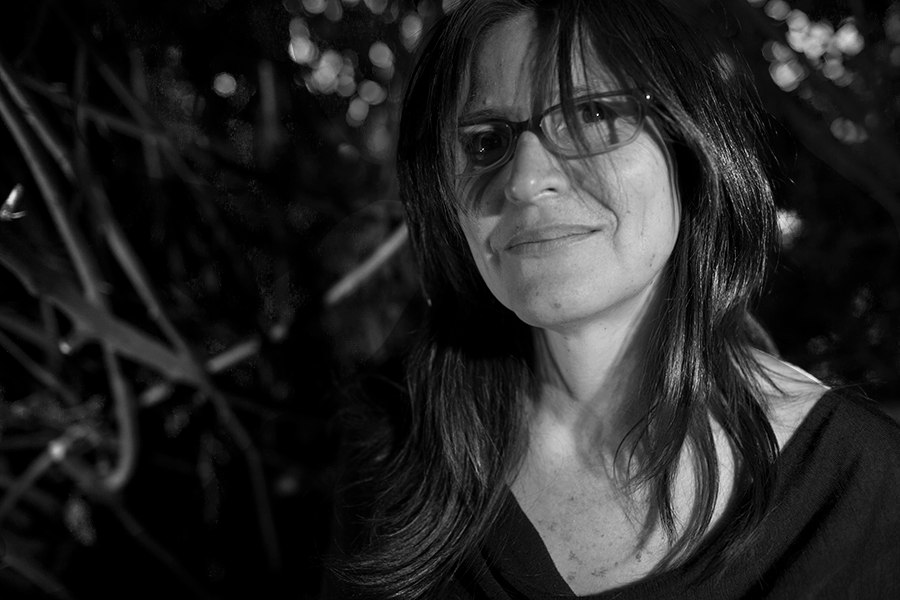
Ale de la Puente
Artist-at-Sea
Manet Peña Salinas
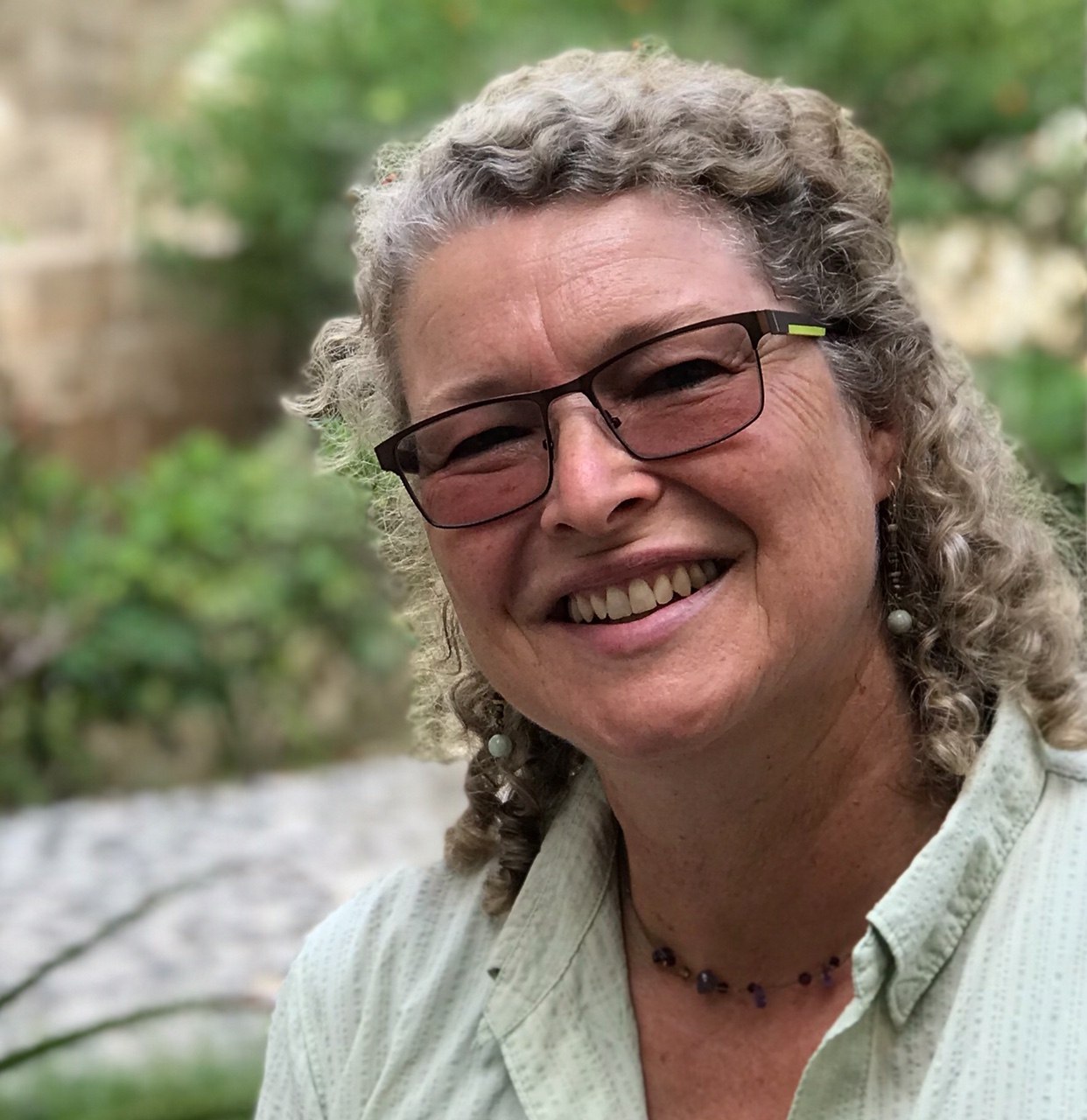
Jennifer Paduan
Karina Fuentes-Bustillos
Rebecca Wipfler
Rob Harris

Sergio Parra
Luis Angel Vega Ramirez
Marc Julià Miralles
Isabela Macias-Iniguez









Explore
Updates from the Ship
All Ship Updates
- 01
Keep On Venting - Ep. 3 - There's a Whole Ecosystem?
10 February 2022
Read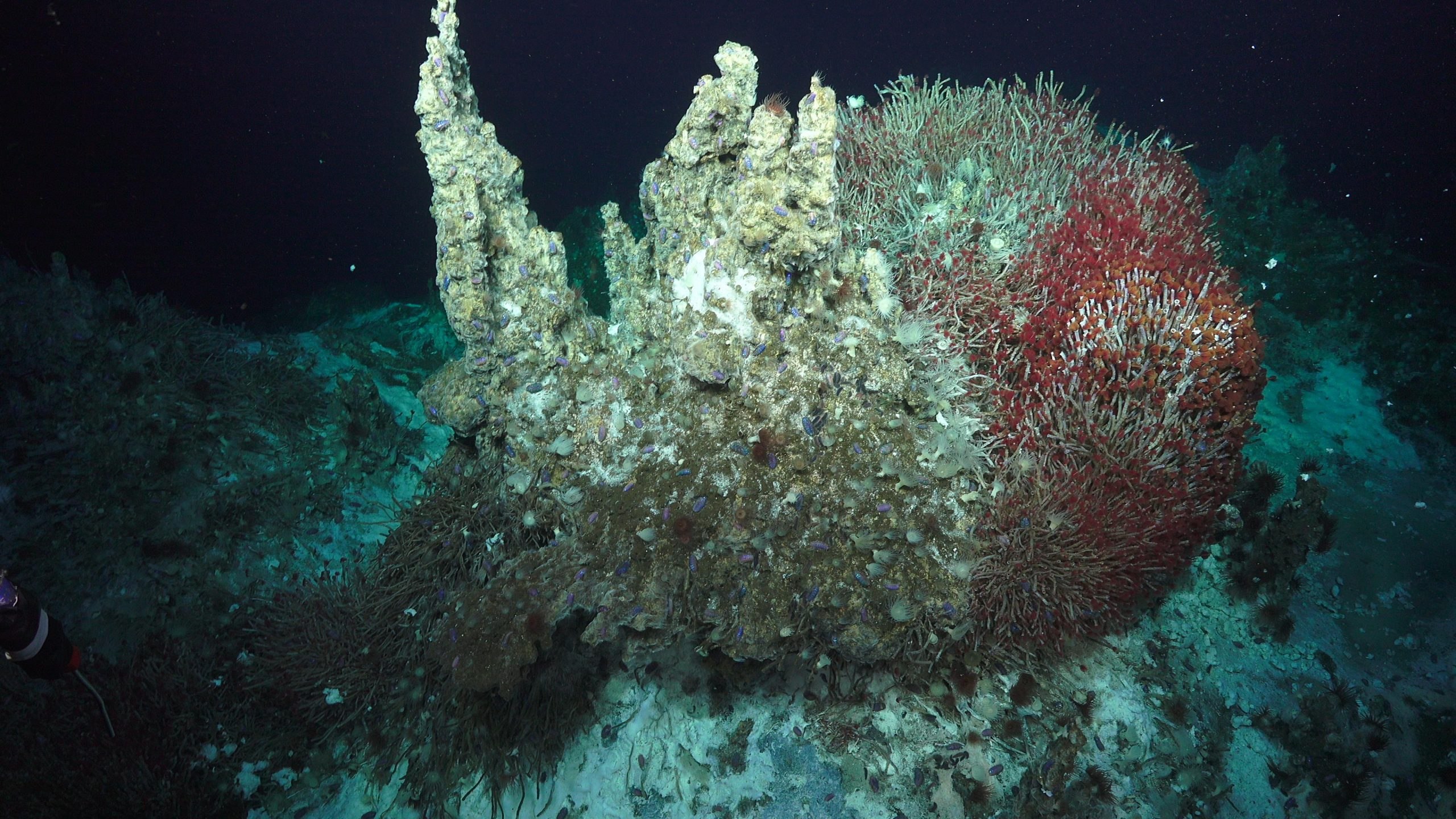
- 02
Keep On Venting - Ep. 2 - What is Chemosynthesis?
3 February 2022
Read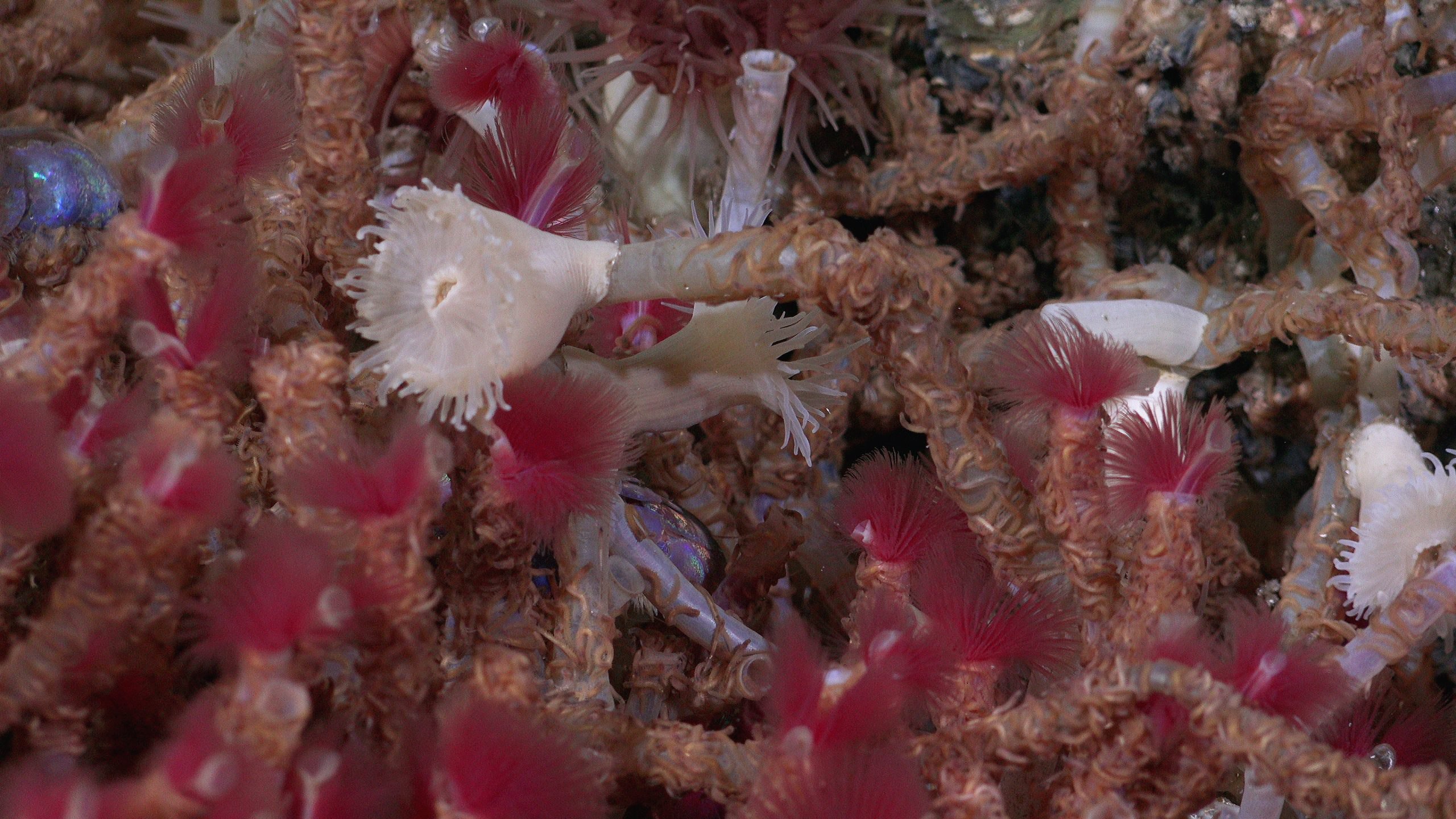
- 03
Keep On Venting - Ep. 1 - A Hydrothermal What?
26 January 2022
Read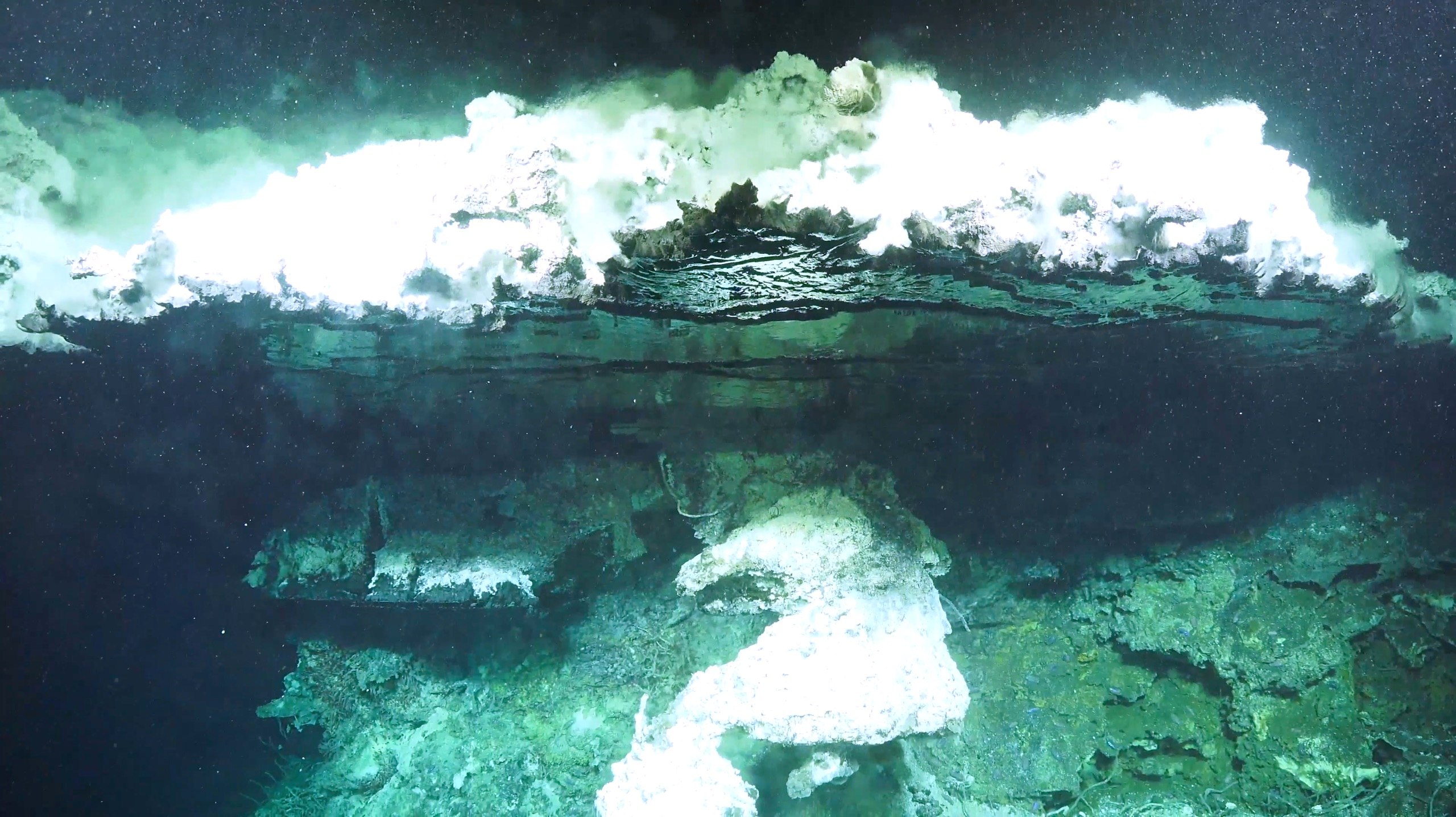
- 04
The Opening of the Gulf of California
25 November 2021
Read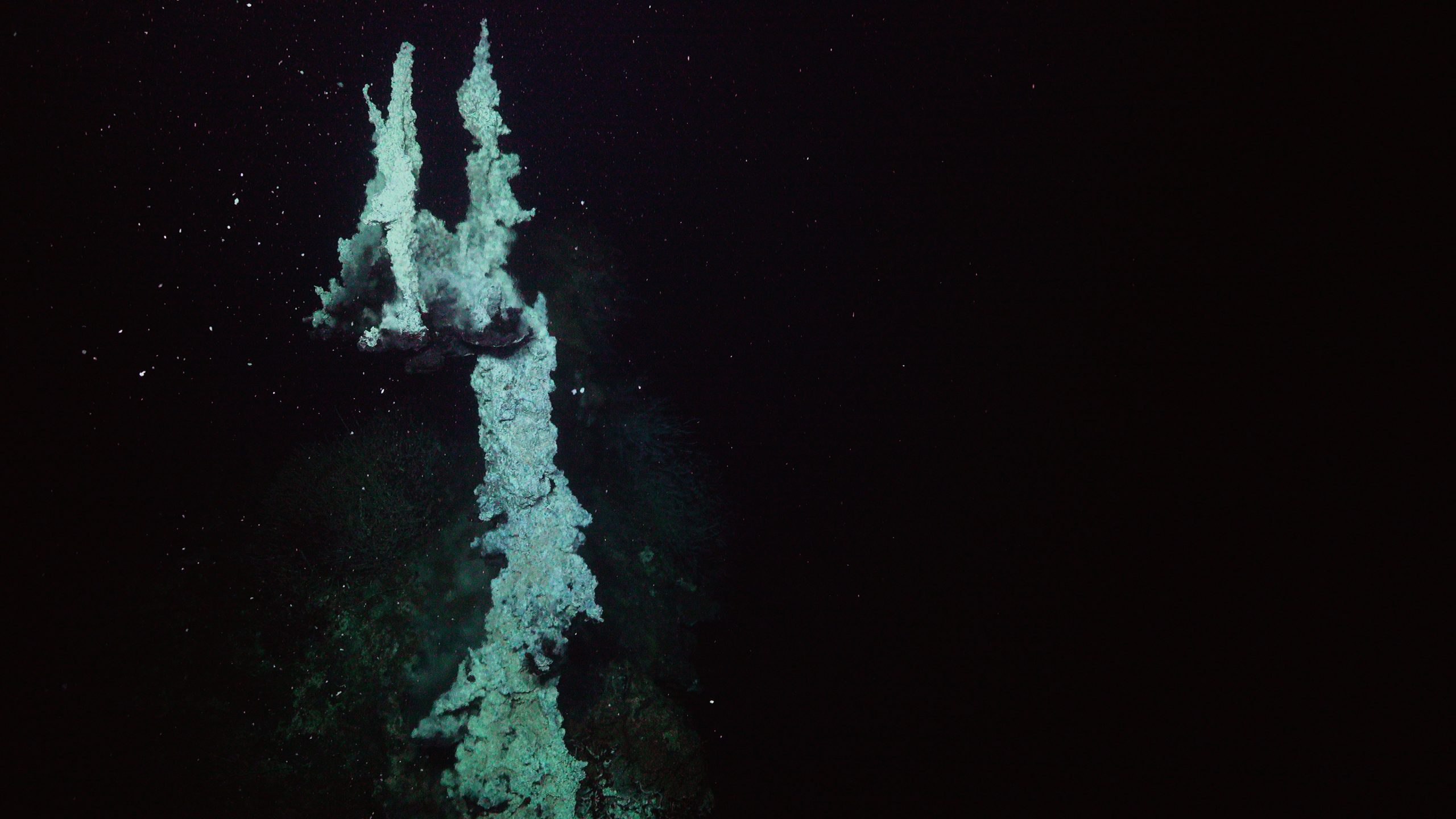
- 05
Historia geológica de las cuencas del Golfo de California
24 November 2021
Read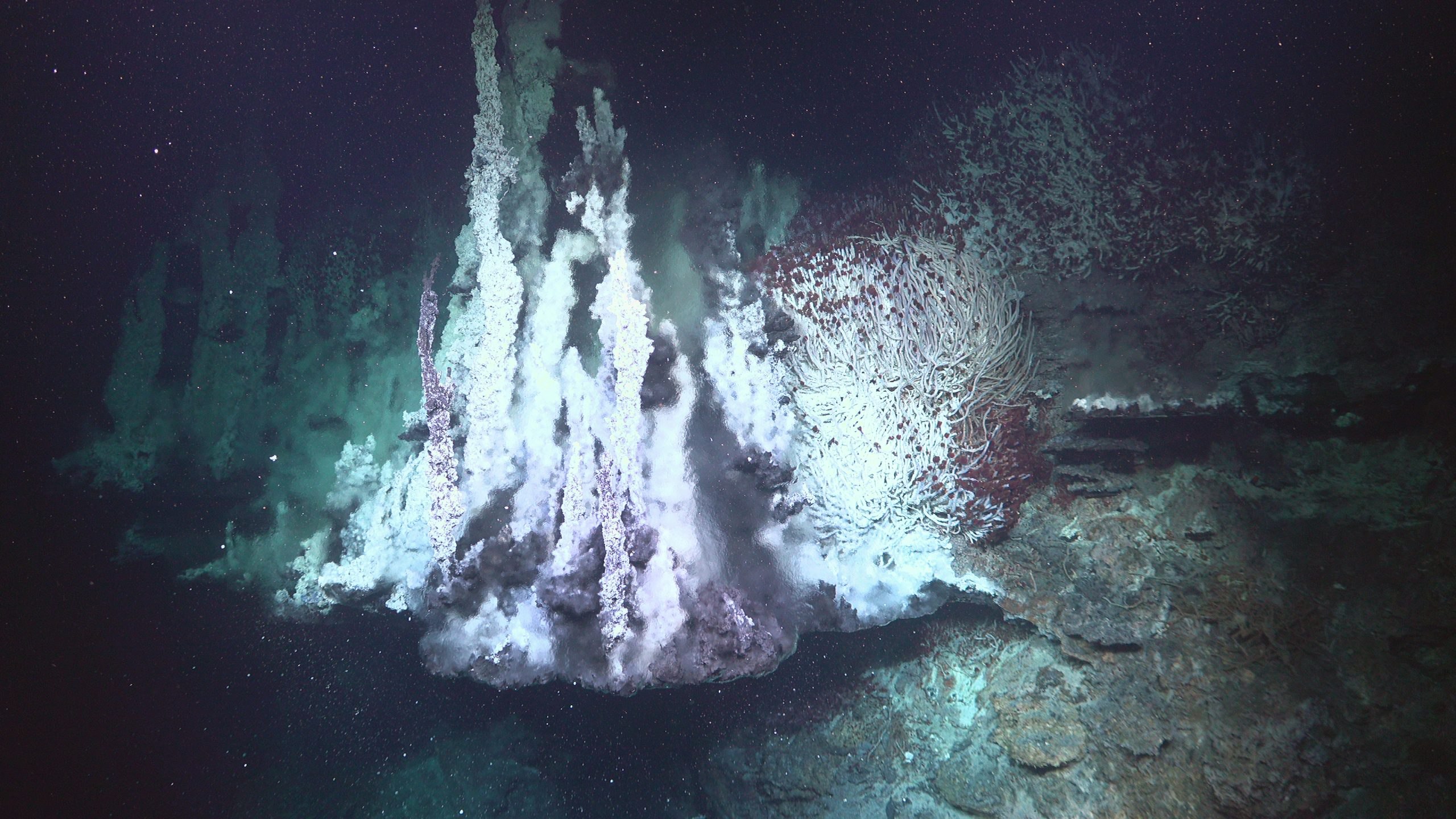
- 06
Life Found a Way
19 November 2021
Read - 07
La Sala
13 November 2021
Read
- 08
DeepSEE: A Virtual Window Under the Waves
10 November 2021
Read
- 09
Science Story - Microorganism Champions - Video Update
9 November 2021
Read
- 10
Deep Sea Alliances
7 November 2021
Read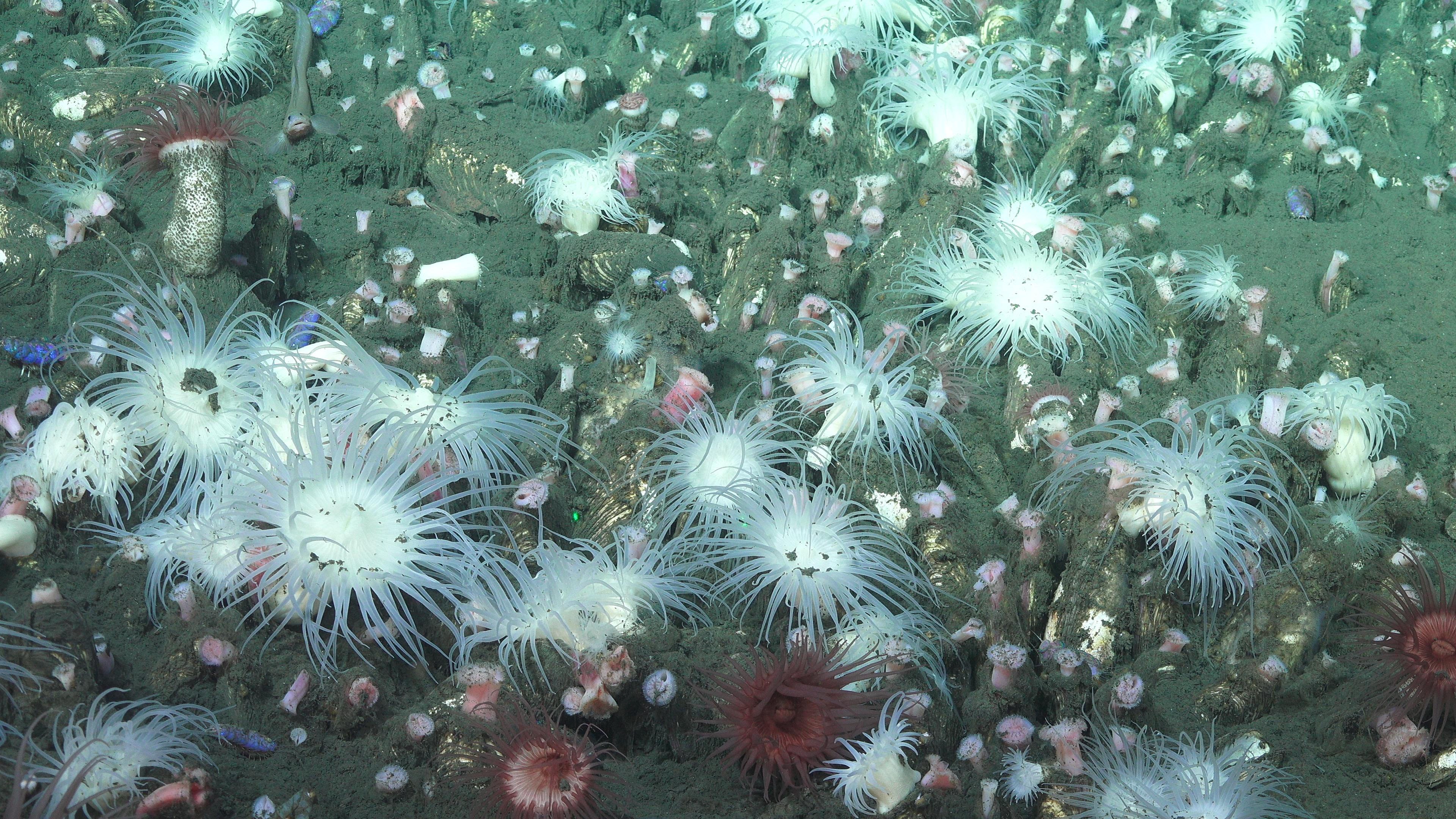
- 11
A Mountain in a Grain of Sand
4 November 2021
Read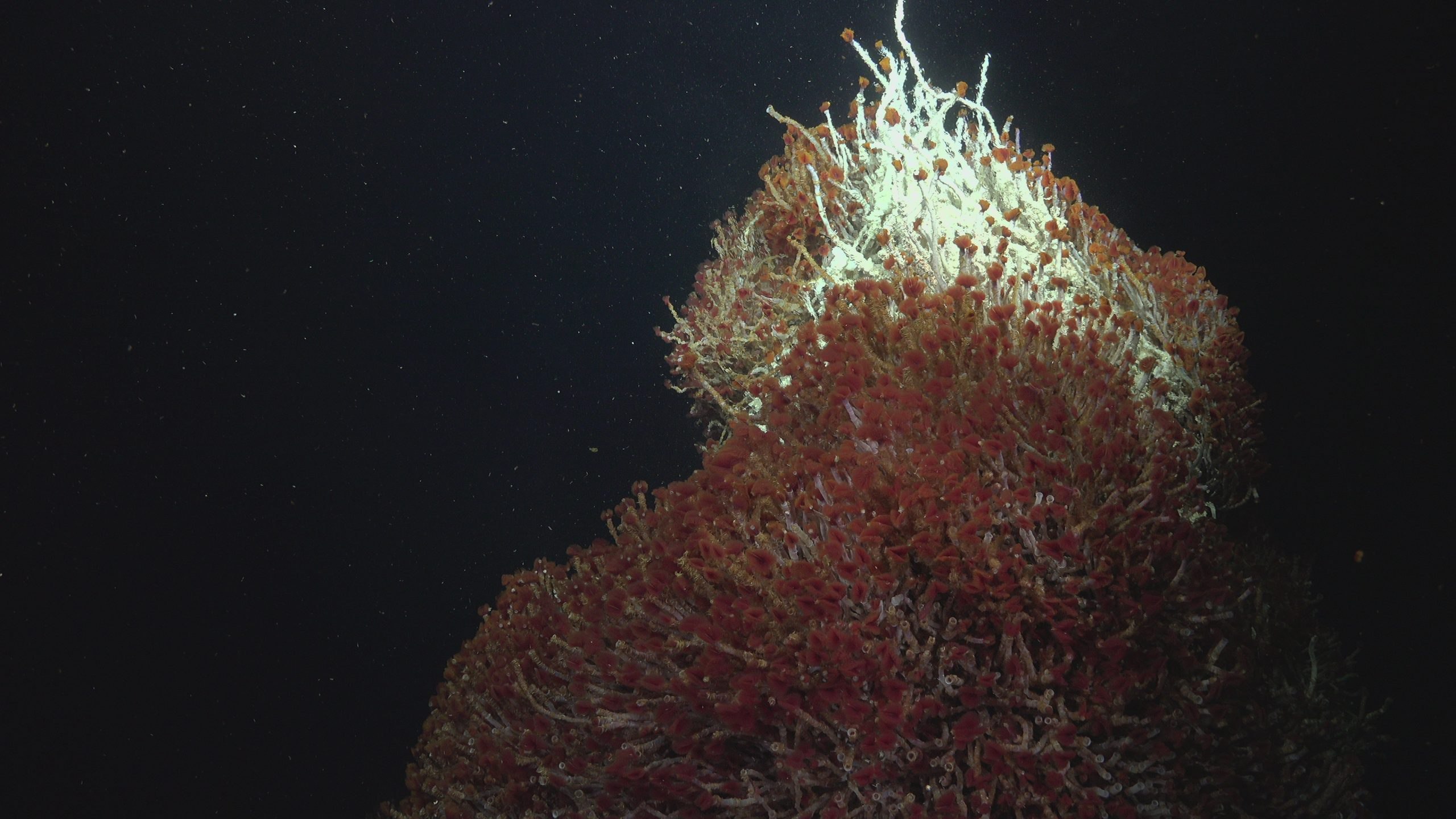
- 12
Understanding Life through Hydrothermal Vents
2 November 2021
Read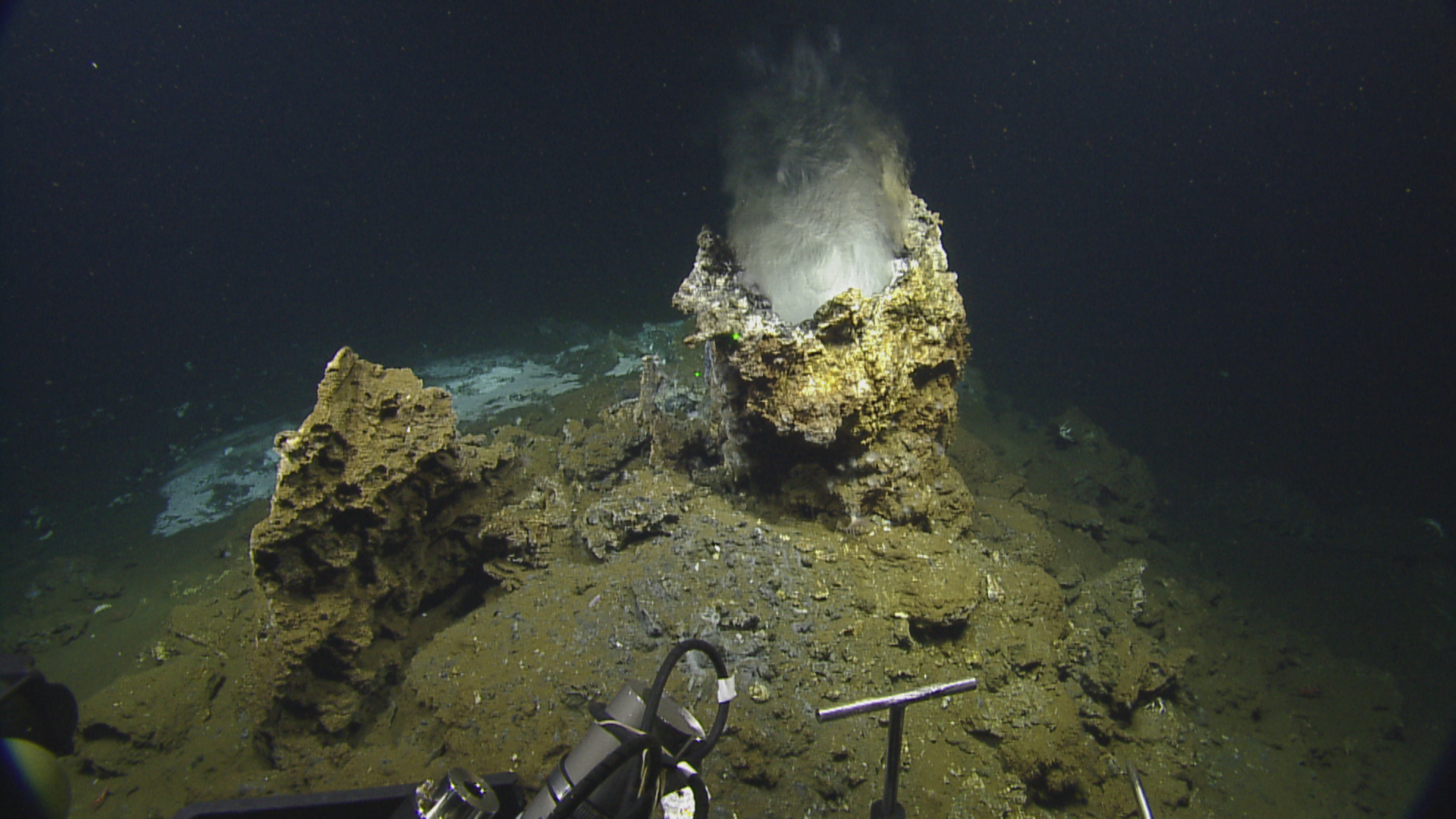
- 13
Heat Flow and Vent Chemistry - Video Update
1 November 2021
Read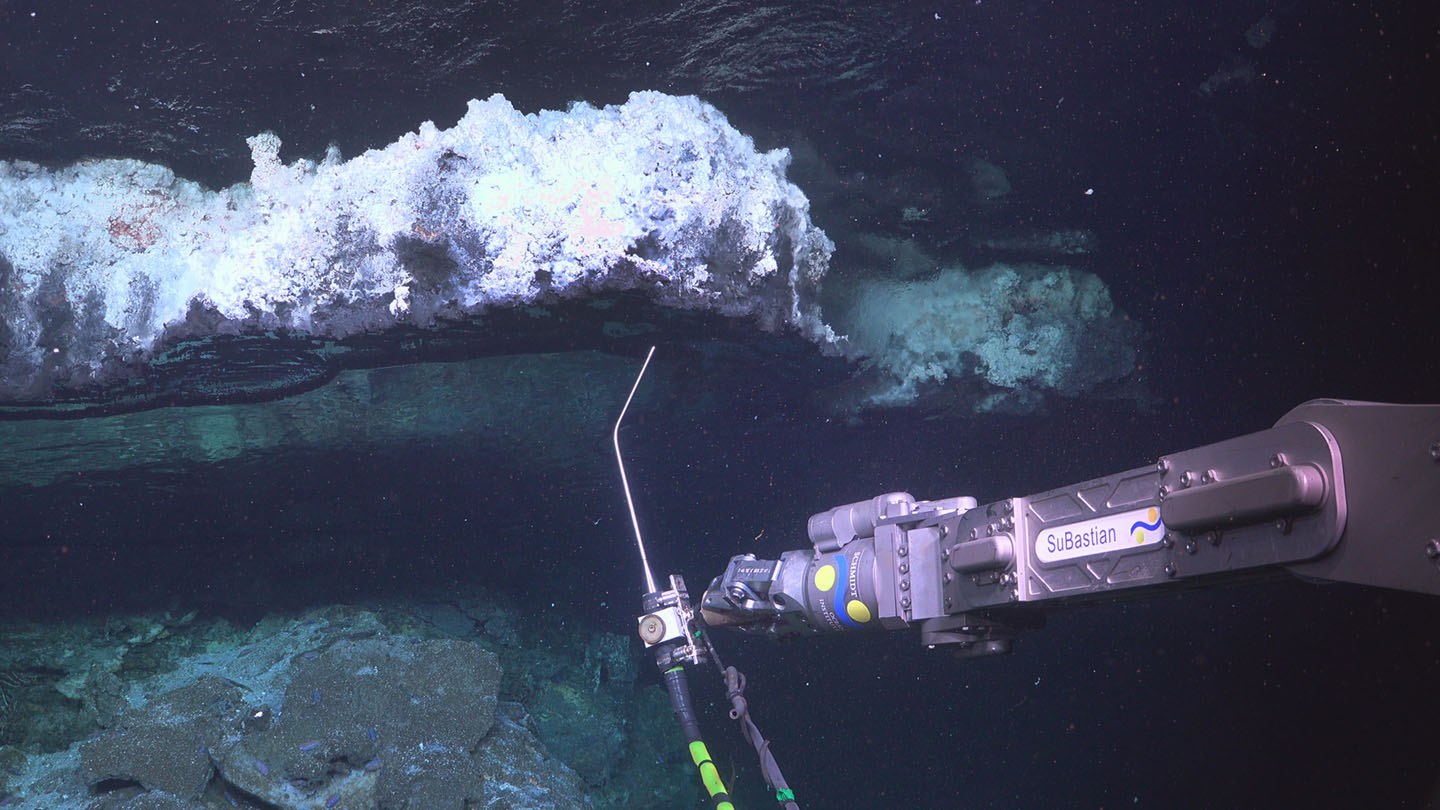
- 14
TOCAR Y DIBUJAR
30 October 2021
Read
- 15
Science Story - Marine Geophysicist - Video Update
29 October 2021
Read
- 16
Science Story - Marine Geophysicist - Video Update
29 October 2021
Read - 17
Faults and Cracks
27 October 2021
Read
- 18
Artist-At-Sea - Conversing with Rocks - Video Update
22 October 2021
Read
- 19
Una Historia Contada por Rocas
19 October 2021
Read
- 20
Science Story - Marine Geologist - Video Update
18 October 2021
Read
- 21
Architecture of the Depths
14 October 2021
Read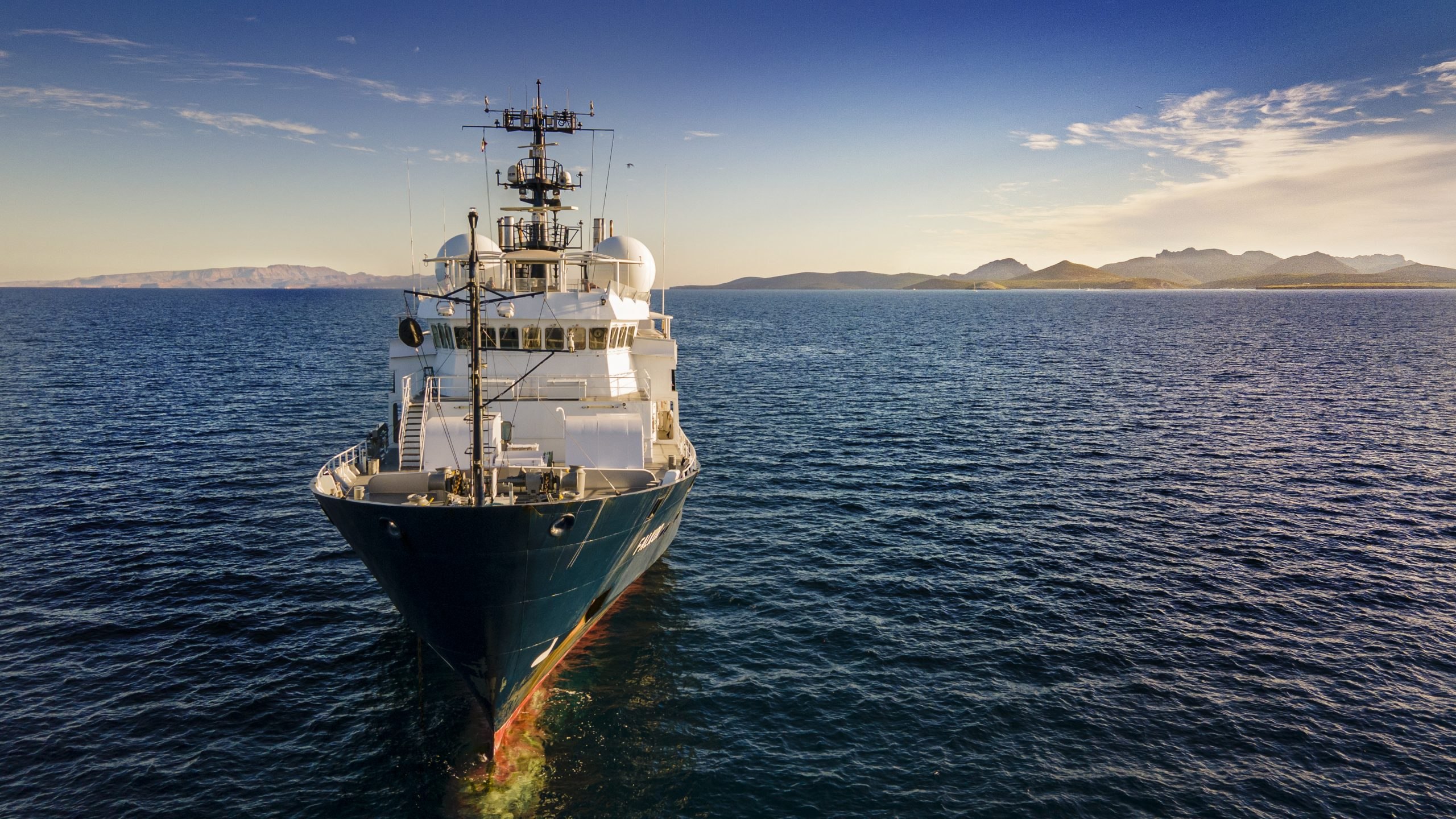
- 22
Tectonics and Mapping - Video Update
14 October 2021
Read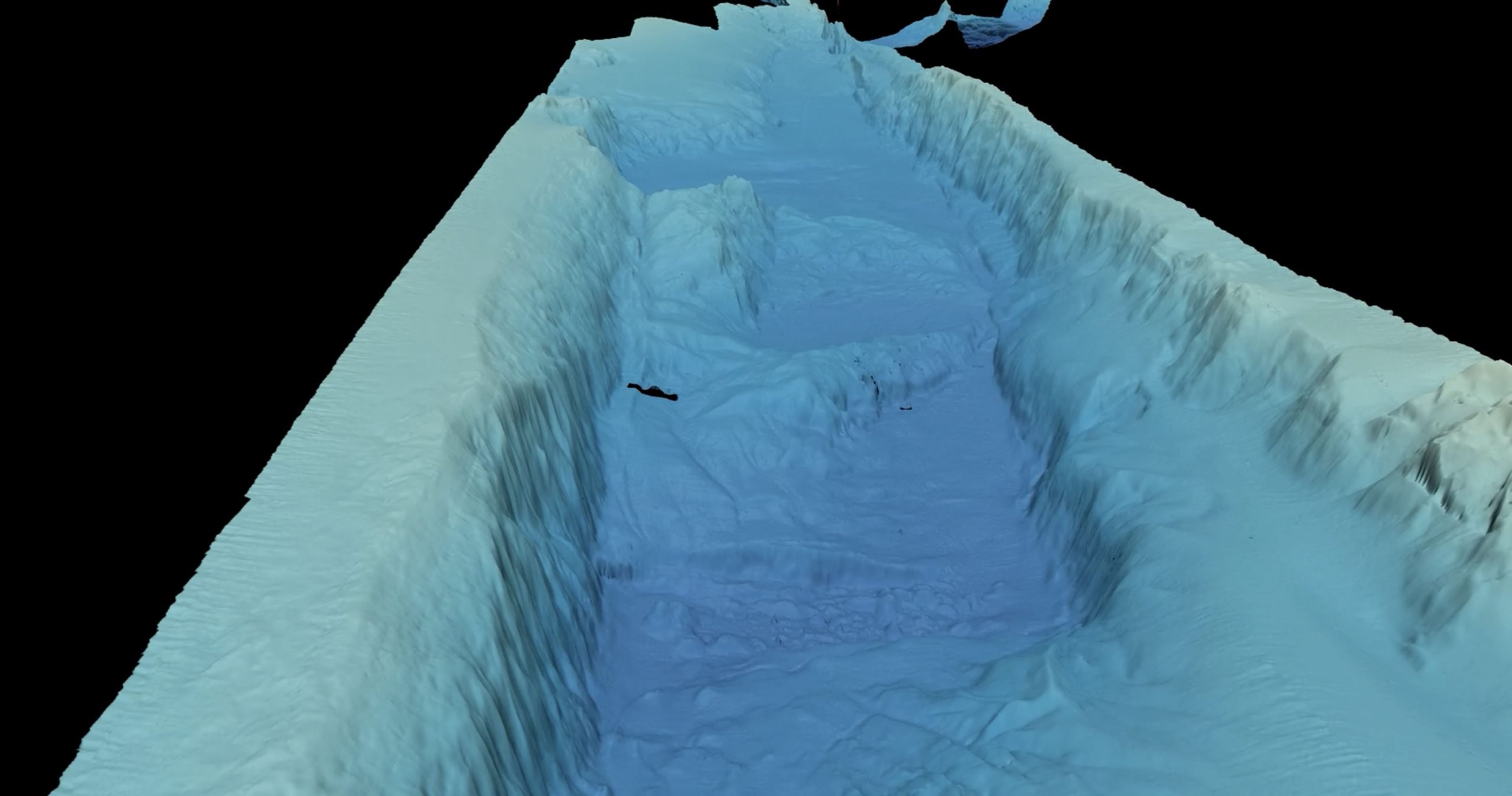
- 23
El Horizonte No Esta Lejos
8 October 2021
Read
Related Galleries
View AllWe are happy to offer a streamlined request process when usage falls within the parameters outlined in the Creative Commons Attribution-Noncommercial-ShareAlike 4.0 International (CC BY-NC-SA 4.0) License. However, due to our legal status as a 501(c)(3) private operating foundation, no media produced by Schmidt Ocean Institute may be used in attempting to influence legislation or lobbying.
Attribution-NonCommercial-ShareAlike | CC BY-NC-SA
Under this Creative Commons License, you are free to:
Share — copy and redistribute the material in any medium or format
Adapt — remix, transform, and build upon the material
Under the following terms:
Attribution. You must give appropriate credit, provide a link to the license, and indicate if changes were made. You may do so in any reasonable manner, but not in any way that suggests the licensor endorses you or your use.
NonCommercial. You may not use the material for commercial purposes.
ShareAlike. If you remix, transform, or build upon the material, you must distribute your contributions under the same license as the original.
Not sure this license fits your use? Head over to our Image Requests page to learn more
Divestreams
View all Divestreams

Weekly Videos
View all Weekly Videos
Discover More
Expedition Data
Title  | Type | Repository |
|---|---|---|
| Geochemistry (vent fluid) Samples | Sediment Samples | Other |
| Benthic Invertebrate Specimens | Biological Samples | Scripps Benthic Invertebrate Collection |
| Raw sequence reads of the microbial community of sediments at JaichMaa Ja’ag’ hydrothermal vent field in Pescadero Basin, Gulf of California | Genetic Analysis Data | GenBank/NCBI |
| Data and Metadata derived from animal specimen analysis | Biological Samples | Scripps Benthic Invertebrate Collection |
| Processed ROV heat flow observations | Oceanographic Property Data | Marine Geoscience Data System (MGDS) |
| Vessel Underway | Oceanographic Property Data | Rolling Deck to Repository (R2R) |
| EM302 Multibeam Echo Sounder (MBES) | Sonar Data | Marine Geoscience Data System (MGDS) |
| CTD, Event Logger, Navigation, and Imagery from ROV SuBastian | Captured Image/Video, Oceanographic Property Data, Navigation Data | Marine Geoscience Data System (MGDS) |
| Magnetometer data | Mapping Data | Rolling Deck to Repository (R2R) |
| Processing Code and Statistical Analyses | Other | Other |
| Taxonomy Assignments for Amplicon Sequence Variants | Genetic Analysis Data | Other |
Publications from This Expedition
30 day Preliminary Cruise Report: Interdisciplinary Investigation of the Pesacdero Basin
Zhang, D., Zhou, Y., Yen, N., Hiley, A., and Rouse, G. (2023). Ophryotrocha (Dorvilleidae, Polychaeta, Annelida) from deep-sea hydrothermal vents, with the description of five new species, Euoropean Journal of Taxonomy, 864 (1), doi: 10.5852/ejt.2023.864.2101.
[This Article was published OPEN ACCESS]Julià-Miralles, M., Yarbuh, I., Spelz, R., Negrete-Aranda, R., Contreras, J., Fletcher, J., et al. (2024). Strain localization instabilities and the genesis of multiple axes of seafloor spreading in the Carmen basin, southern Gulf of California. International Journal of Earth Sciences, doi: 10.1007/s00531-024-02426-6.
[This Article was published OPEN ACCESS]Hiley, A., Mongiardino Koch, N., and Rouse, G. (2024), Phylogenetics of Lepidonotopodini (Macellicephalinae, Polynoidae, Annelida), and Comparative Mitogenetics of Shallow-Water vs. Deep-Sea Scaleworms (Aphroditiformia). Biology, 13(12), doi: 10.3390/biology13120979.
[This Article was published OPEN ACCESS]Kroesche, R., and Rouse, G. (2025). Four New Species of Hesionidae (Annelida, Polychaeta, Phyllodocida) from Eastern Pacific Chemosynthetic Habitats and Reinstatement of Vrijenhoekia. Diversity, 17(2), doi: 10.3390/d17020121.
[This Article was published OPEN ACCESS]Seid, C., Montenegro, J., Lindsay, D., and Rouse, G. (2025). Deep midwater Annelida from the NORI-D exploration area of the Clarion-Clipperton Zone, Pacific Ocean. Elementa: Science of the Anthropocene, 13(1):00087. doi: 10.1525/elementa.2024.00087
[This Article was published OPEN ACCESS]