


Dive In
About the Expedition
The subtropical ocean gyres are thousands of kilometers in diameter, with an average depth exceeding 4,000 meters, making them one of Earth’s largest continuous biomes. Gyres are large, permanent circular current systems primarily driven by Earth’s global wind patterns and its rotation, and are found in each major ocean basin. While often deprived of nutrients, it is estimated that 20% of the ocean’s primary productivity occurs in the subtropical gyres, and these ecosystems may account for up to half of the global ocean carbon export to the deep sea. Understanding their biogeochemistry is required to develop a more accurate understanding of how climate change is impacting the global Ocean.
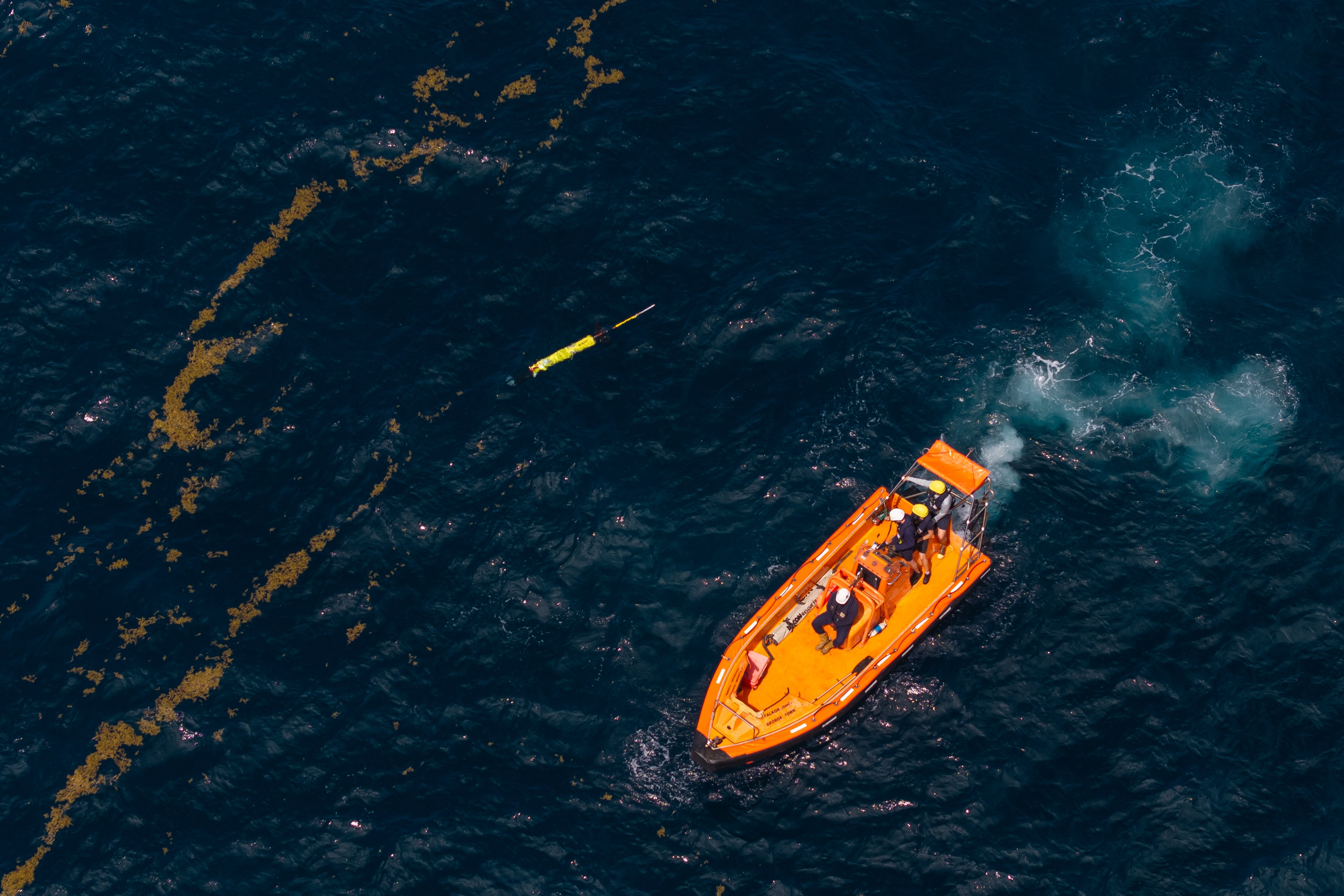
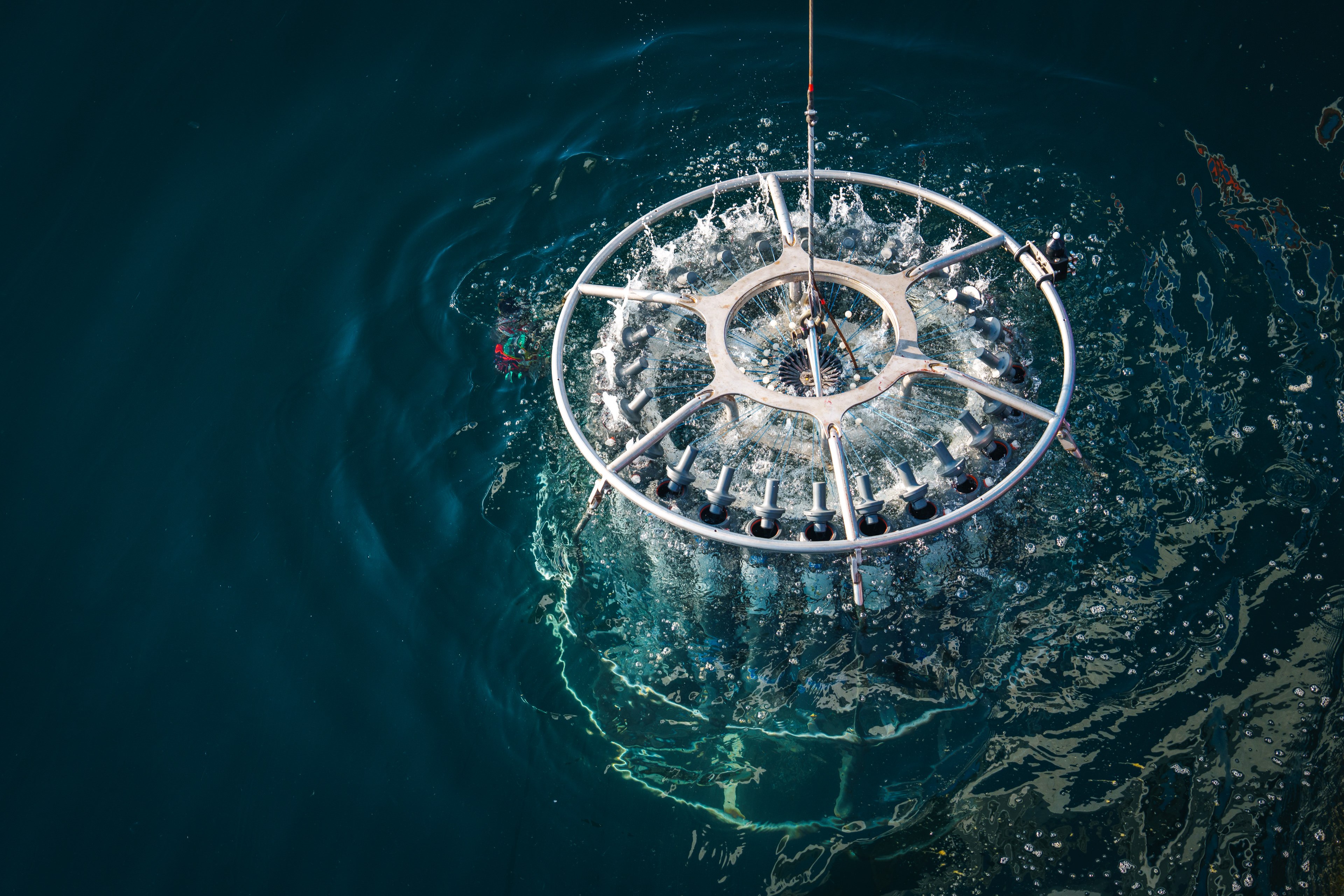
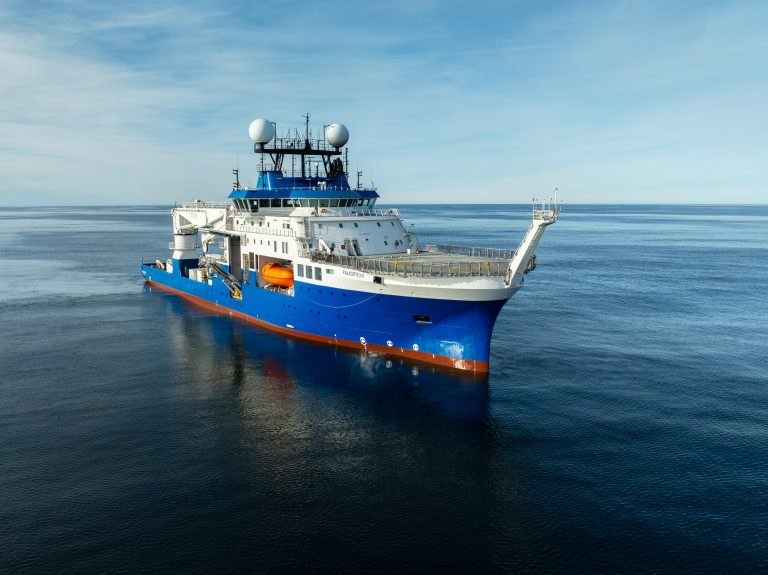
During this expedition between Schmidt Ocean Institute and the Schmidt Sciences’ Ocean Biogeochemistry Virtual Institute (OBVI), Dr. Matthew Church of the University of Montana, U.S., and a team of international collaborators will investigate nutrient exchange between the photic and twilight zones within the South Atlantic subtropical gyre. While the surface waters are nutrient-depleted, the waters below carry essential ingredients for sustaining life. The team will study the movement of particles and multiple factors related to primary productivity using a variety of instruments, including R/V Falkor (too)’s CTD, drifters, gliders, floats, McLane pumps, and a wirewalker profiler. The data collected will lead to a better understanding of the role of subtropical gyre ecosystems in nutrient cycles, thereby supporting a more accurate assessment of carbon export to the deep sea.
- Dive Markers
- Trackline
The Mission
Underneath the Ocean’s canopy
Phytoplankton are arguably some of the most important organisms on Earth. Responsible for at least half of the planet’s oxygen production, phytoplankton fix inorganic carbon dioxide and transform it into organic carbon molecules, moving carbon from the atmosphere into the sea. They are the base of many oceanic food webs, providing sustenance for bacteria and zooplankton, which in turn feed a myriad of larger animals, including fish, sharks, and whales.
Phytoplankton require specific chemical conditions to exist, and when those conditions are just right, they bloom.
Much of what we know about where phytoplankton live in the ocean comes from satellites. Some satellites, like NASA PACE, are designed to capture fluorescence from chlorophyll — bright green patches at the surface of the Ocean — mapping the presence of phytoplankton over space and time on a global scale.
However, these satellites, quite literally, only scratch the surface. Satellite imagery cannot penetrate past the first few meters of the Ocean’s surface. And the Ocean is very deep.
Phytoplankton blooms are comparable to the layers of a rainforest. At the surface, the canopy is made up of tenacious microscopic organisms that thrive on sunlight. Yet 50 to 150 meters down, in the understory, photosynthesizing organisms can fix carbon under lower-light conditions.
While this canopy region in the Ocean is relatively well understood, the understory is vastly understudied, especially in the South Atlantic Subtropical Gyre.
Using a variety of instruments, including gliders, floats, sediment traps, and a wirewalker, Dr. Church and the SUBSEA team will investigate the understory and the chemical reactions occurring within it. These chemical reactions in the understory of the subtropical gyres are likely just as important as those in sunlit waters, and more research is needed to determine which reactions occur and how they sustain primary productivity.
Life requires chemistry
A biogeochemical cycle is the natural pathway by which a specific type of molecule (e.g., carbon dioxide, nitrate, phosphate) is recycled by biological processes. To be considered a biogeochemical cycle, inorganic matter is converted into organic matter, usually by plants. The organic matter is then recycled back to inorganic nutrients by bacteria and animals. The essential ingredients for life on our planet are constantly recycled between living and non-living forms.
Dr. Church and the SUBSEA will examine the biogeochemical exchange between the surface of subtropical ocean gyres and the subsurface. Because the surface waters of the gyres are nutrient-depleted, plankton living here use all available nutrients, transforming inorganic compounds into organic ones as soon as they enter the environment.
The subsurface, in contrast, is more nutrient-rich. When surface plankton die or defecate, organic matter sinks, providing nutrients for deeper ocean layers. The plankton at the surface are analogous to the leaves on a rainforest tree. As leaves fall from a tree, they travel to the forest floor, where decomposers consume them and transform them back into usable materials. In the oceans, decomposition occurs mostly as plankton particles sink. The organic material from the surface plankton is recycled into essential nutrients for life, fueling the nutrient demands of plankton growing in the subsurface.
The SUBSEA is interested in investigating the biogeochemical cycles of several molecules that are essential for life, including phosphorus, iron, oxygen, nitrogen, and carbon
Team and Collaborators
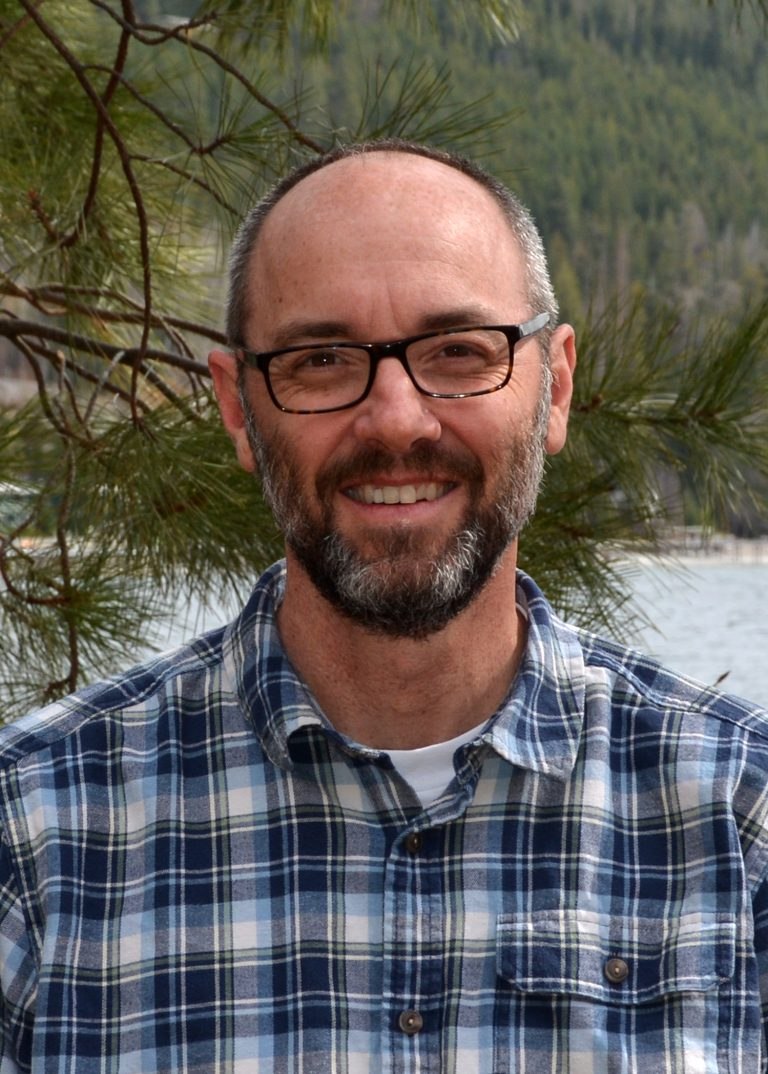
Matthew Church
Chief Scientist
Micaela Gonella
Pierre Marrec
Luz Torres Alberto
Alexandra Skrivanek
Alexis Floback
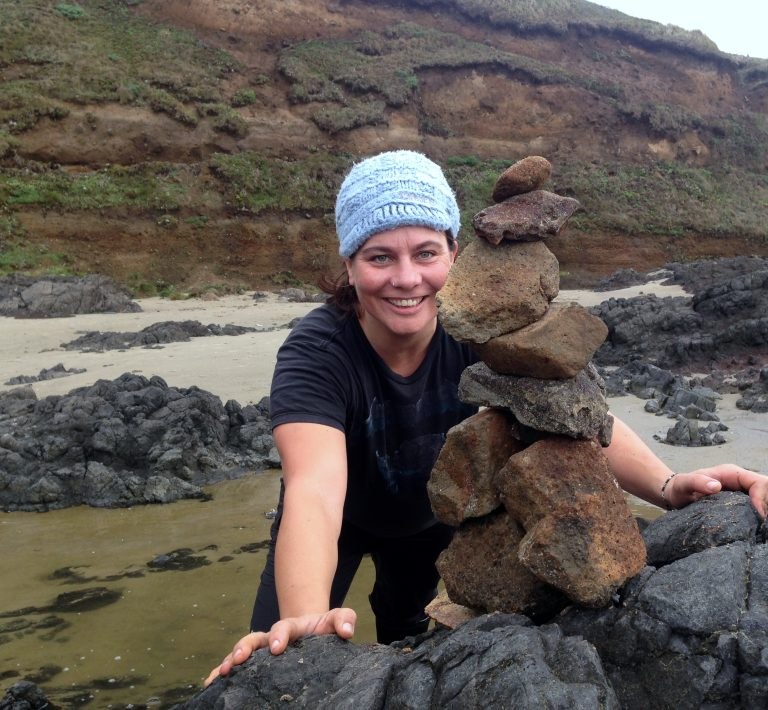
Angelicque White
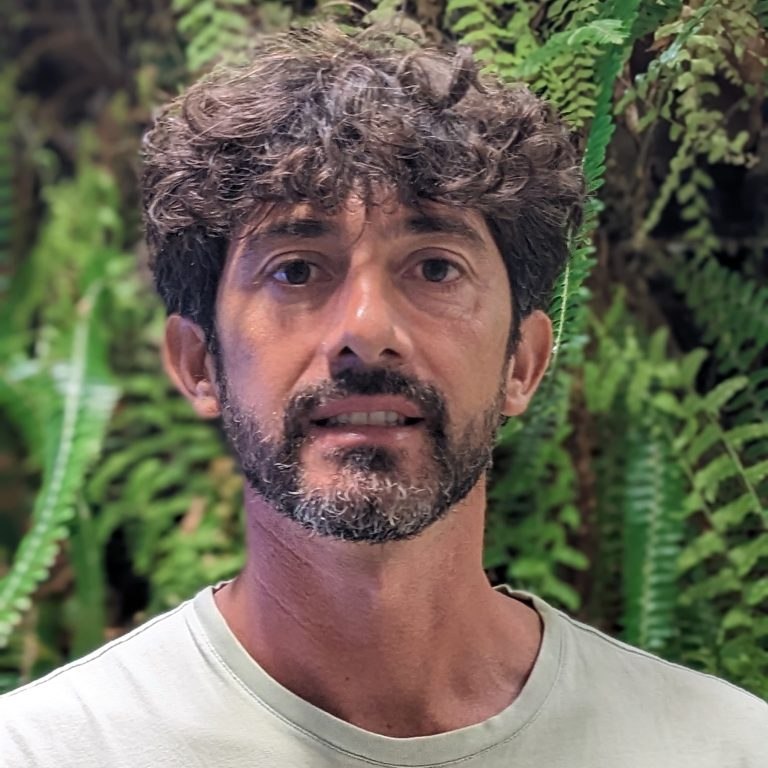
Benedetto Barone
Calvin Swart

Dailen Jeng
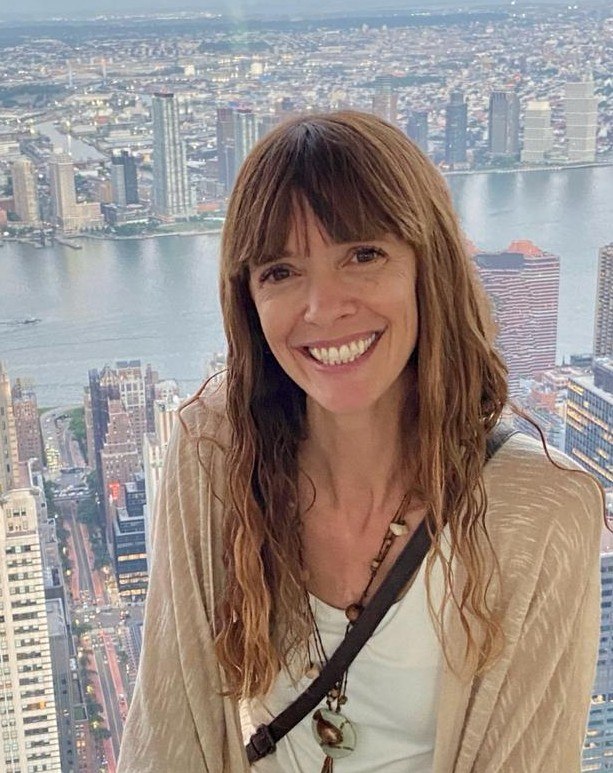
Daniela del Valle

Deepika Sahoo
Frank Xavier Ferrer González
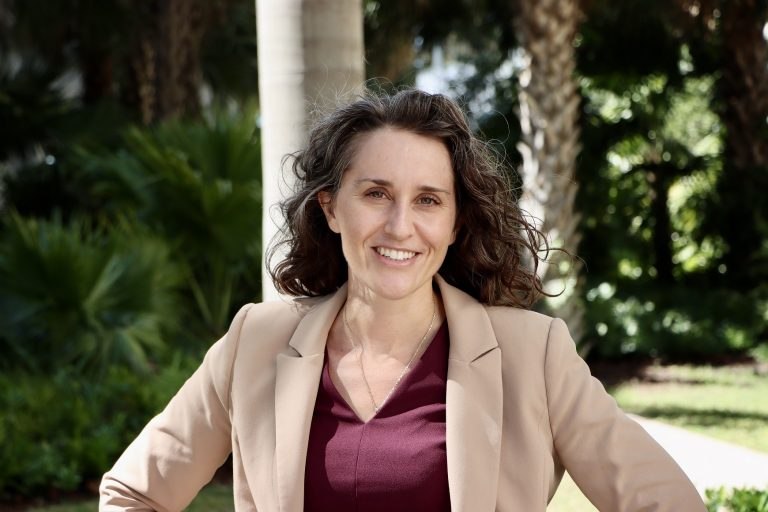
Hilary Close
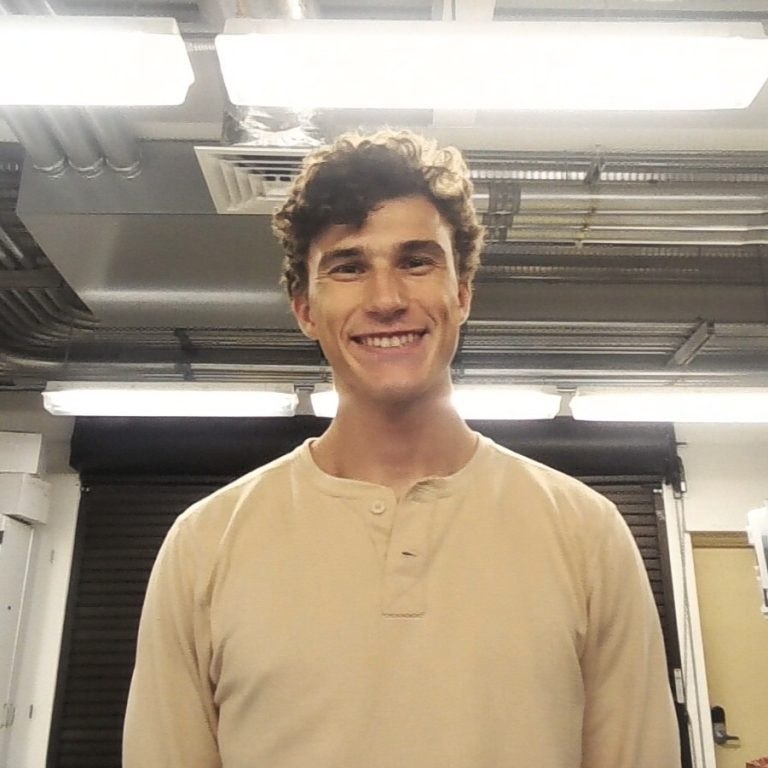
Hunter Adams
Jared McGourty
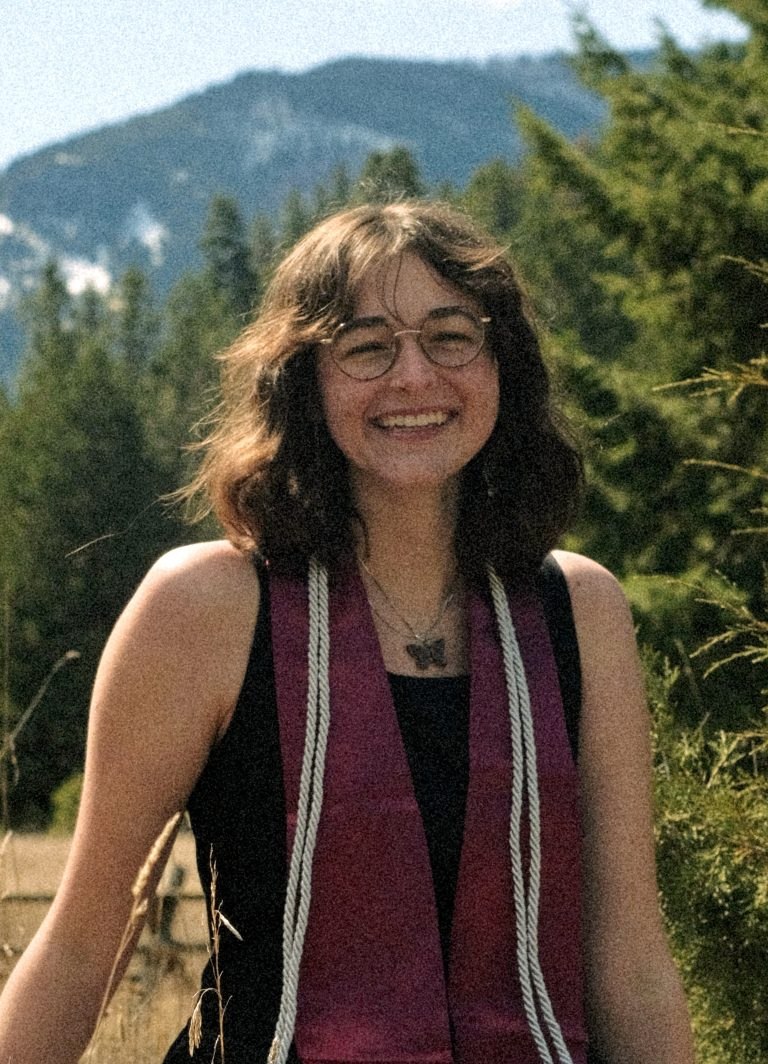
Katie Coates
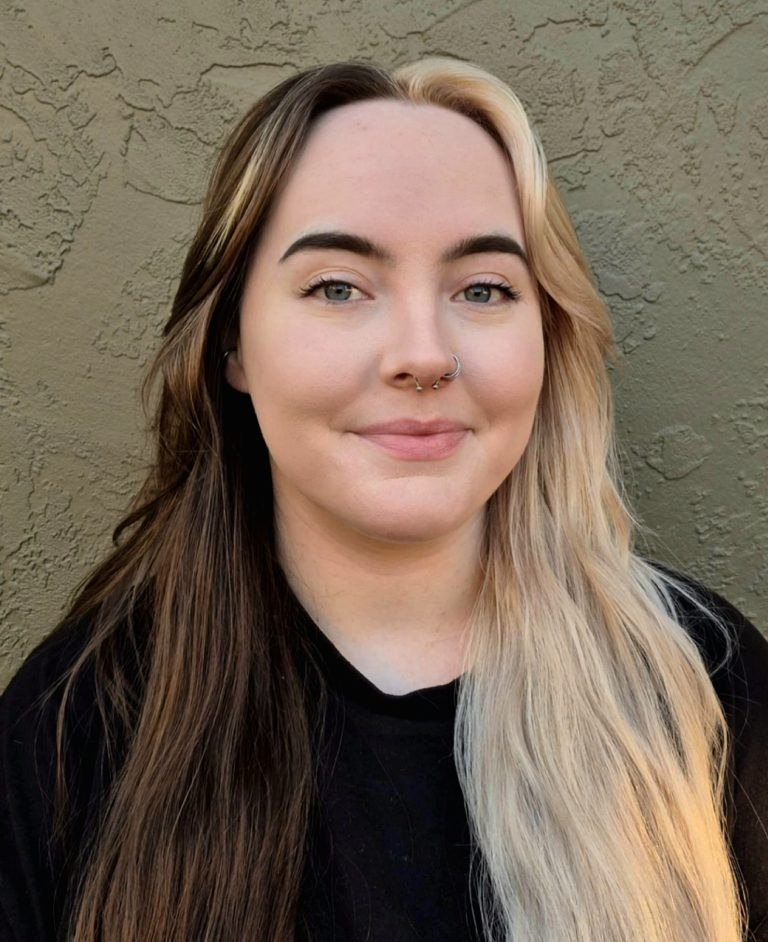
Kelly George
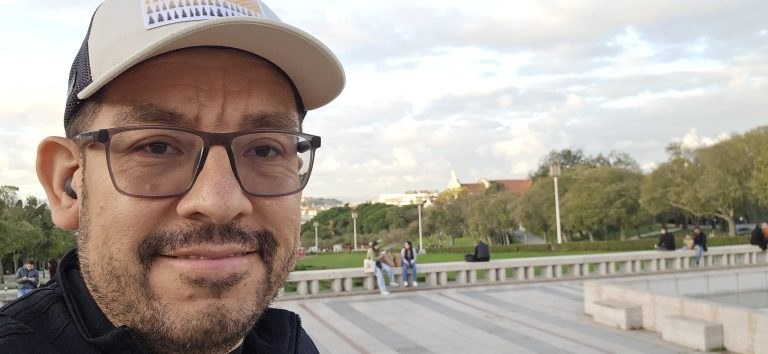
Manuel Cruz Morales
Mattia Da Fieno

Jason Freisen
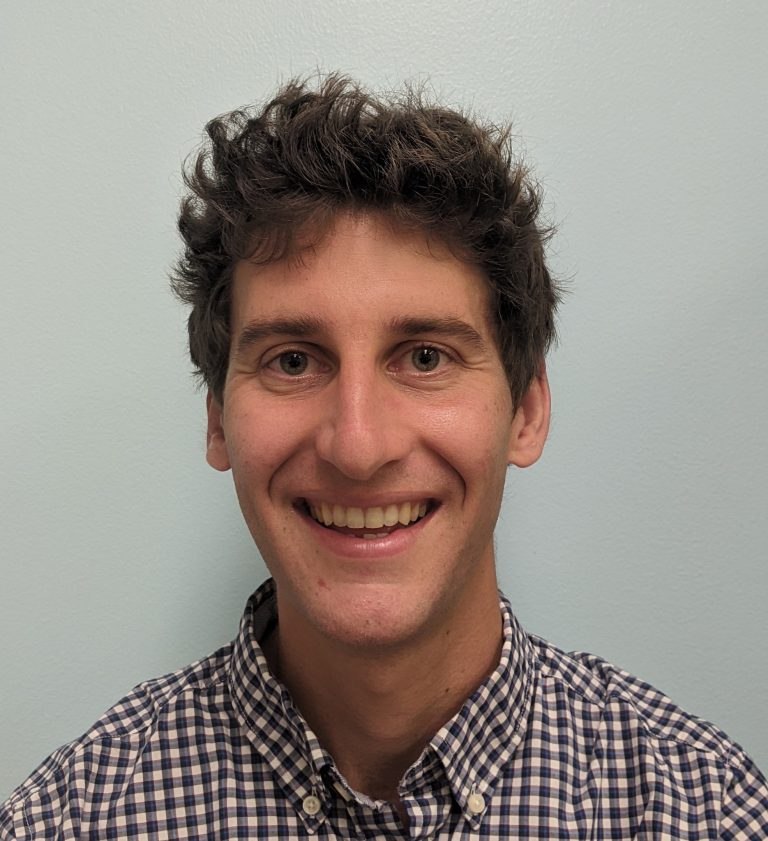
Nick Hawco
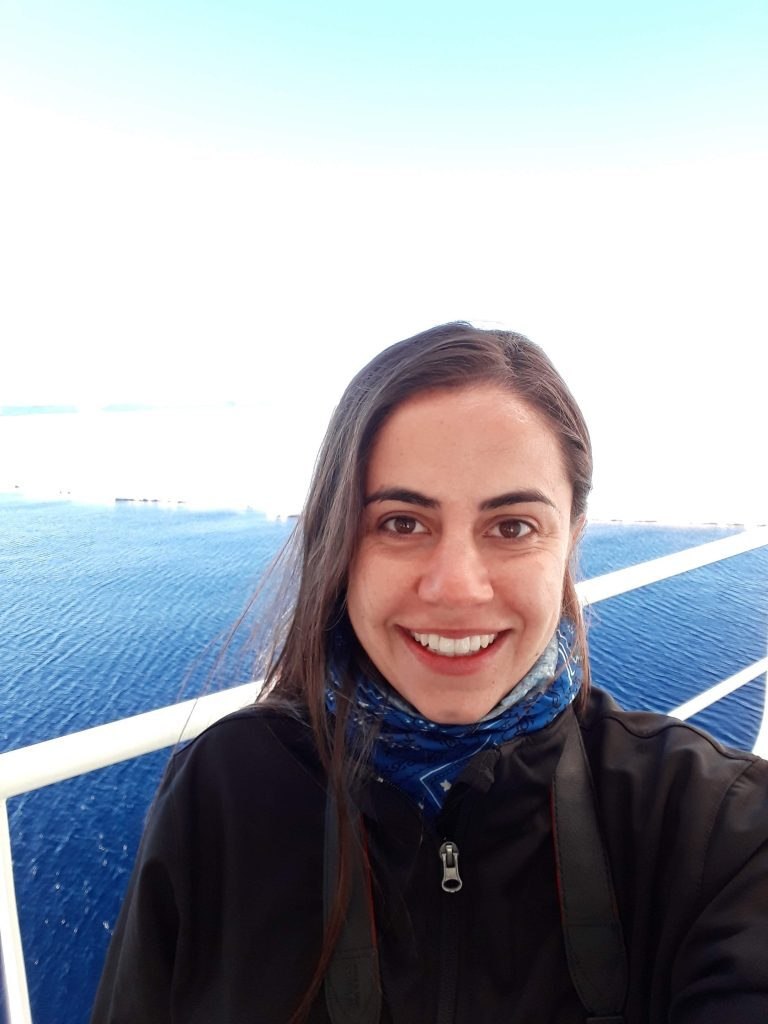
Raquel Flynn
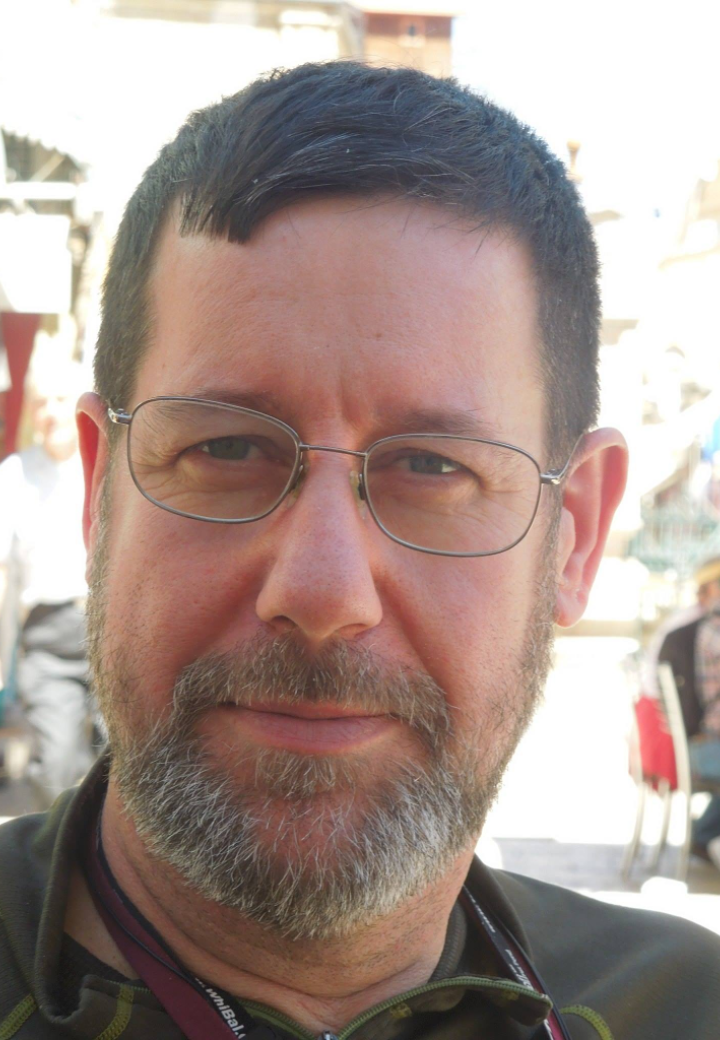
Ricardo Letelier
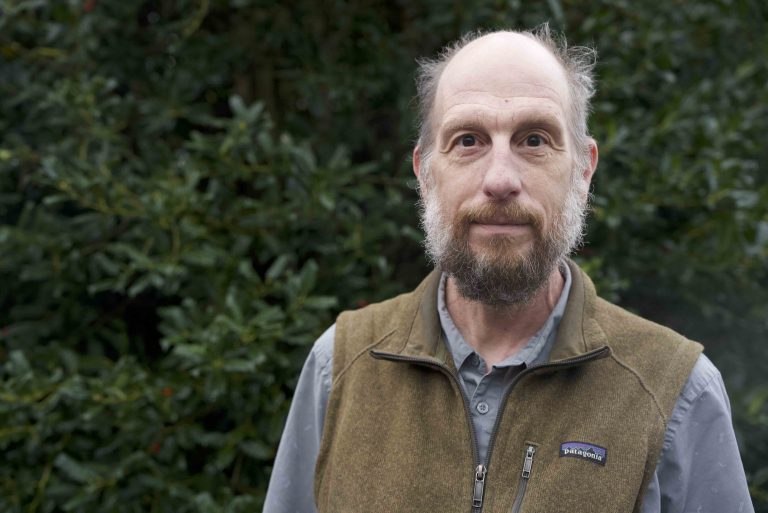
Robert Hall

Susan Garcia
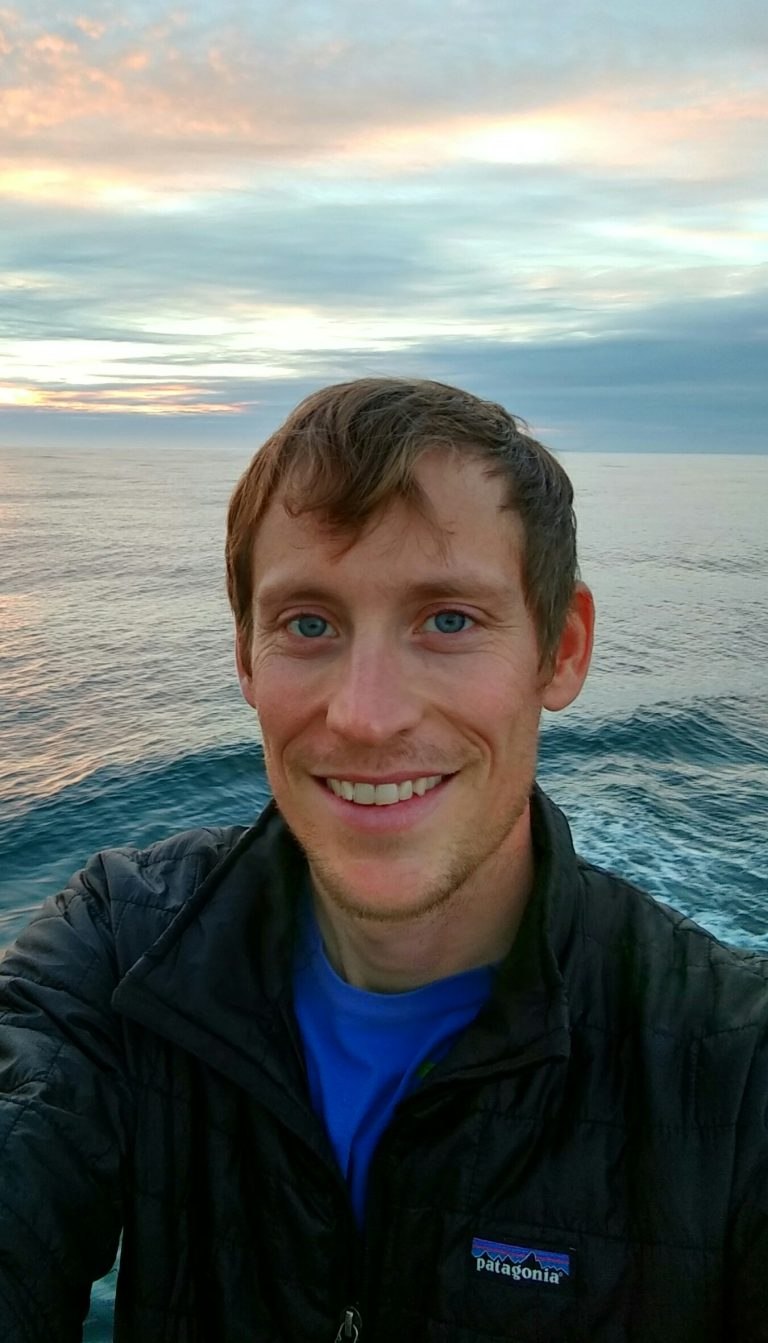
Tully Rohrer
Esther Wing Kwan Mak
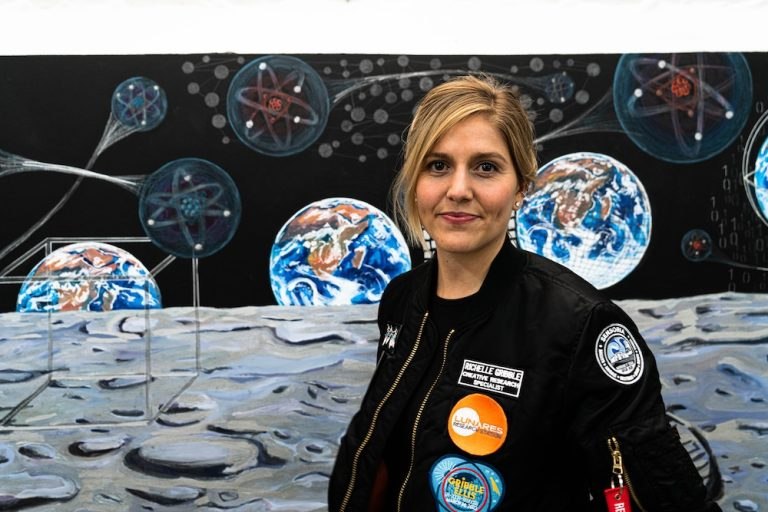
Richelle Ellis
Artist-at-Sea
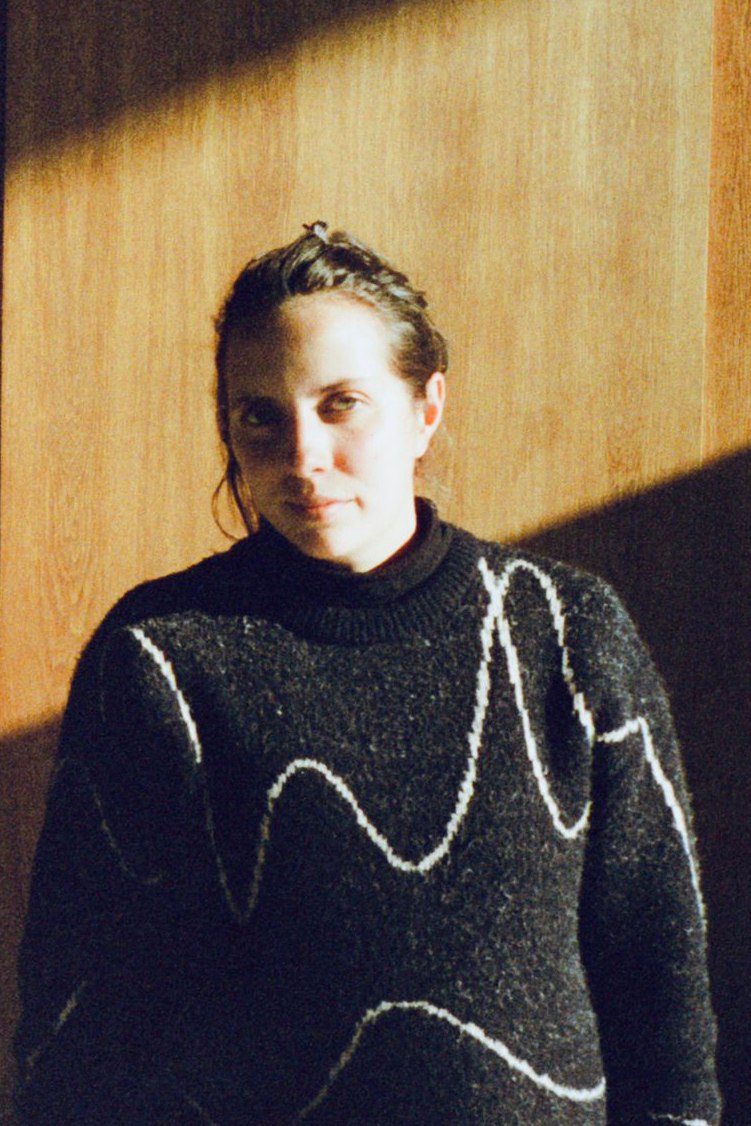
Bernarda Cornejo Pinto
Multimedia Correspondent







Explore
Related Galleries
View All
We are happy to offer a streamlined request process when usage falls within the parameters outlined in the Creative Commons Attribution-Noncommercial-ShareAlike 4.0 International (CC BY-NC-SA 4.0) License. However, due to our legal status as a 501(c)(3) private operating foundation, no media produced by Schmidt Ocean Institute may be used in attempting to influence legislation or lobbying.
Attribution-NonCommercial-ShareAlike | CC BY-NC-SA
Under this Creative Commons License, you are free to:
Share — copy and redistribute the material in any medium or format
Adapt — remix, transform, and build upon the material
Under the following terms:
Attribution. You must give appropriate credit, provide a link to the license, and indicate if changes were made. You may do so in any reasonable manner, but not in any way that suggests the licensor endorses you or your use.
NonCommercial. You may not use the material for commercial purposes.
ShareAlike. If you remix, transform, or build upon the material, you must distribute your contributions under the same license as the original.
Not sure this license fits your use? Head over to our Image Requests page to learn more
Weekly Videos
View all Weekly Videos
Discover More
Expedition Data
Title  | Type | Repository |
|---|---|---|
| ADCP | Sonar Data | University of Hawaii SOEST |