



Dive In
About the Expedition
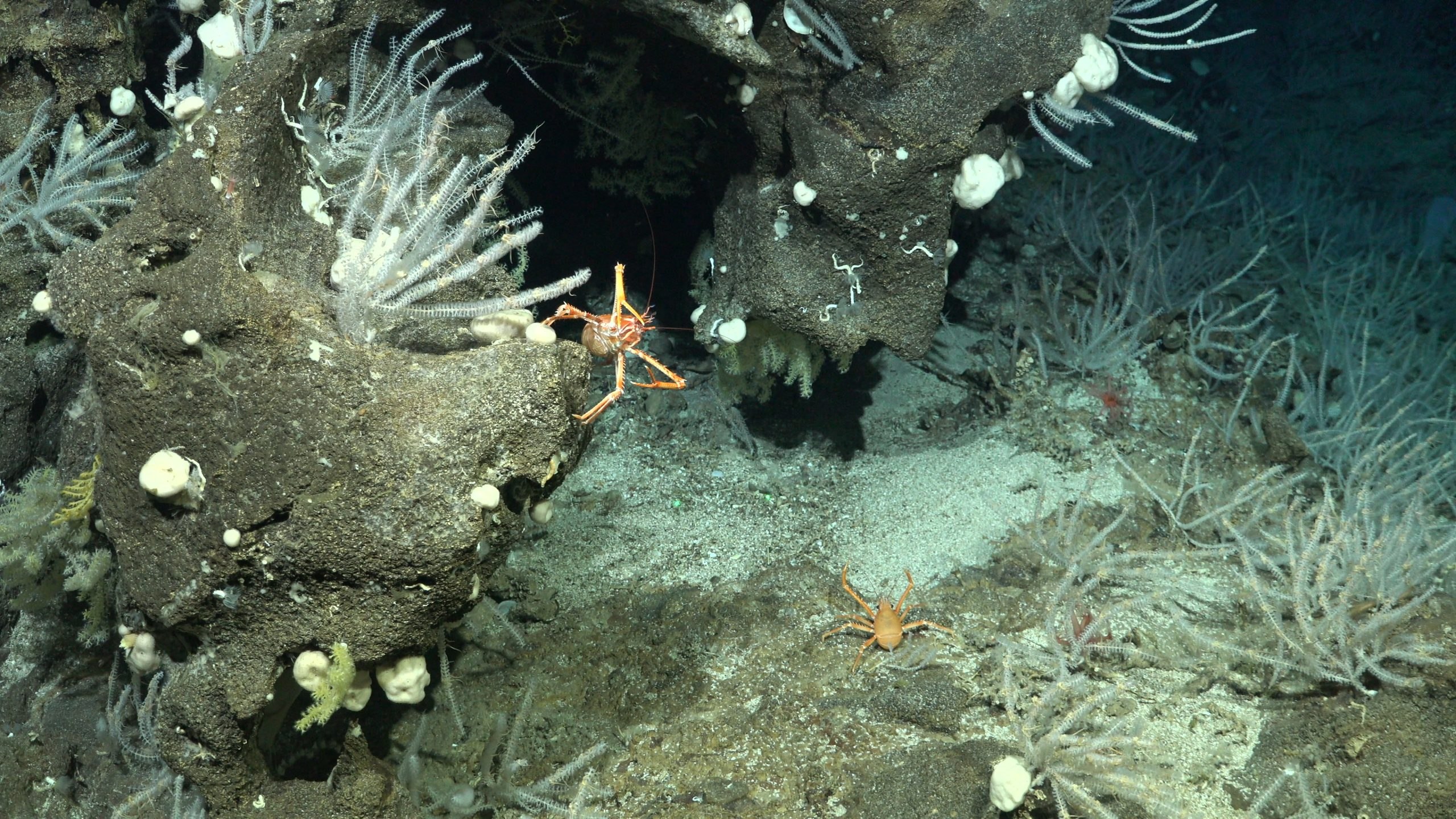
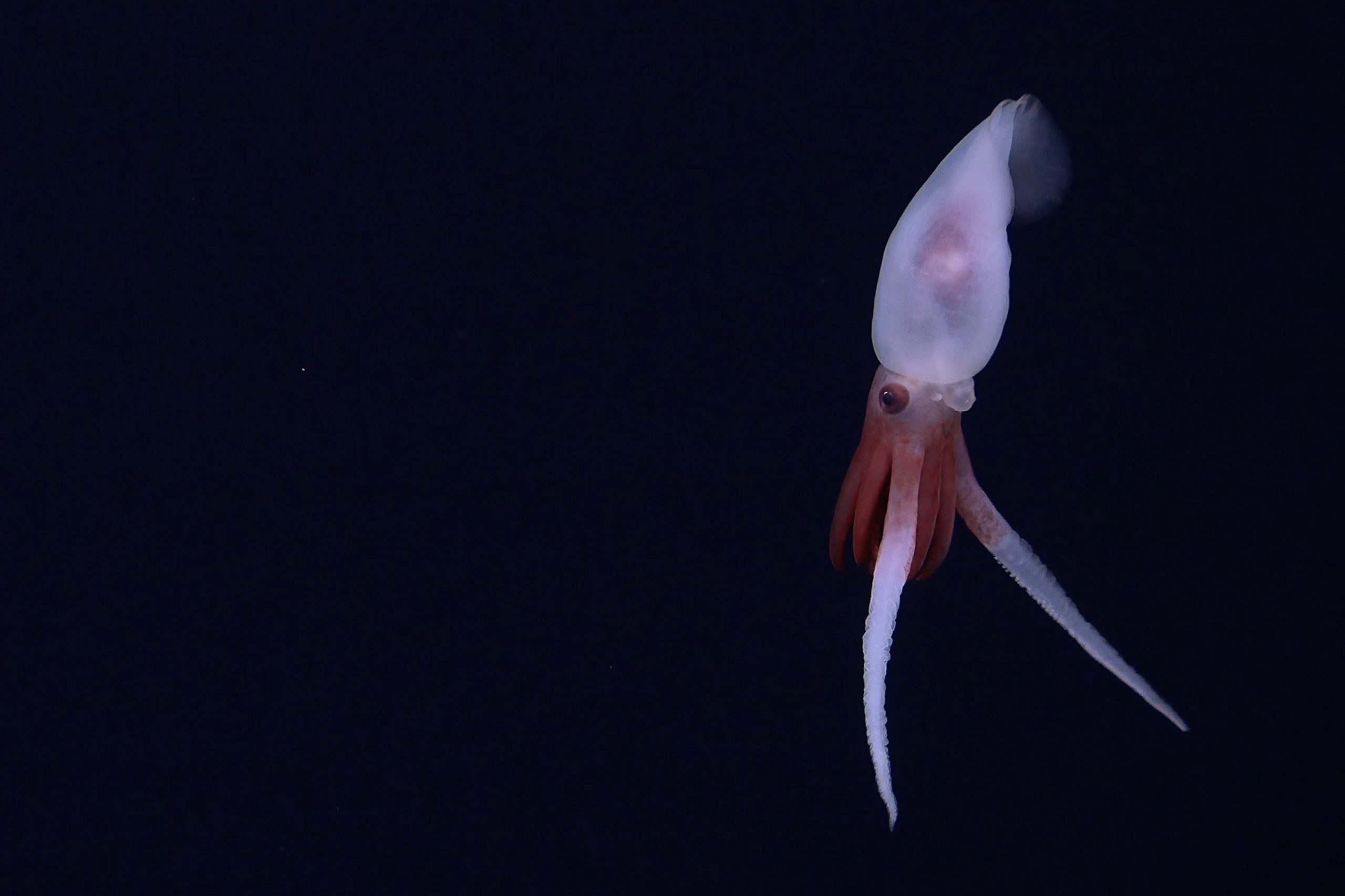
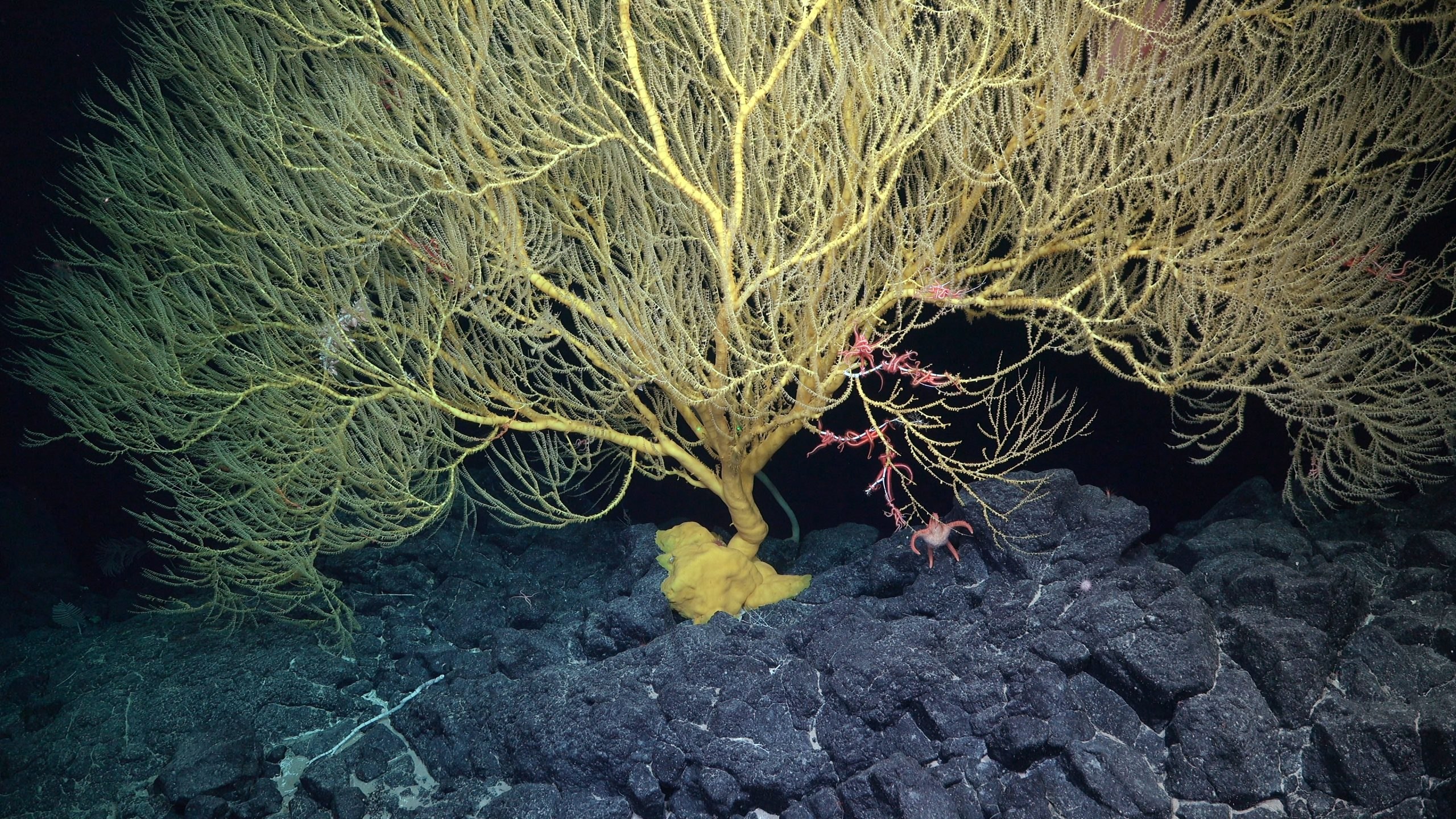
Lush forests of deep-sea corals and sponges host animals and organisms that defy imagination. Many endangered or threatened species like sea turtles, blue whales, and sharks travel here to feed on the abundant nutrients upwelling from the deep. The 8000-meter-deep Atacama Trench, the Southeast Pacific Oxygen Minimum Zone, and the Humboldt Current border these ridges — creating natural barriers that facilitate high levels of marine endemism. From toadfish and amphipods to a Bathyphysa siphonophore, the underwater mountains comprising the Nazca and Salas y Gómez Ridges make this a region unlike any other place on Earth.
Most of both ridges lie outside of any country’s jurisdiction — in the high seas — leaving these diverse and understudied ecosystems vulnerable to human exploitation from climate change, plastic pollution, overfishing, and potential deep-sea mining. Many experts in marine protection and policy believe that the Nazca and Salas y Gómez Ridges are a top priority for designation as one of the world's first high-seas marine protected areas. Recent Schmidt Ocean Institute-supported expeditions to the region discovered over 150 suspected new species and several new seamounts. In the bordering oxygen minimum zone, scientists also found trace amounts of oxygen in an area where oxygen has historically been below the limit of detection; this discovery revised the understanding of microbes and nutrient cycling in OMZs.
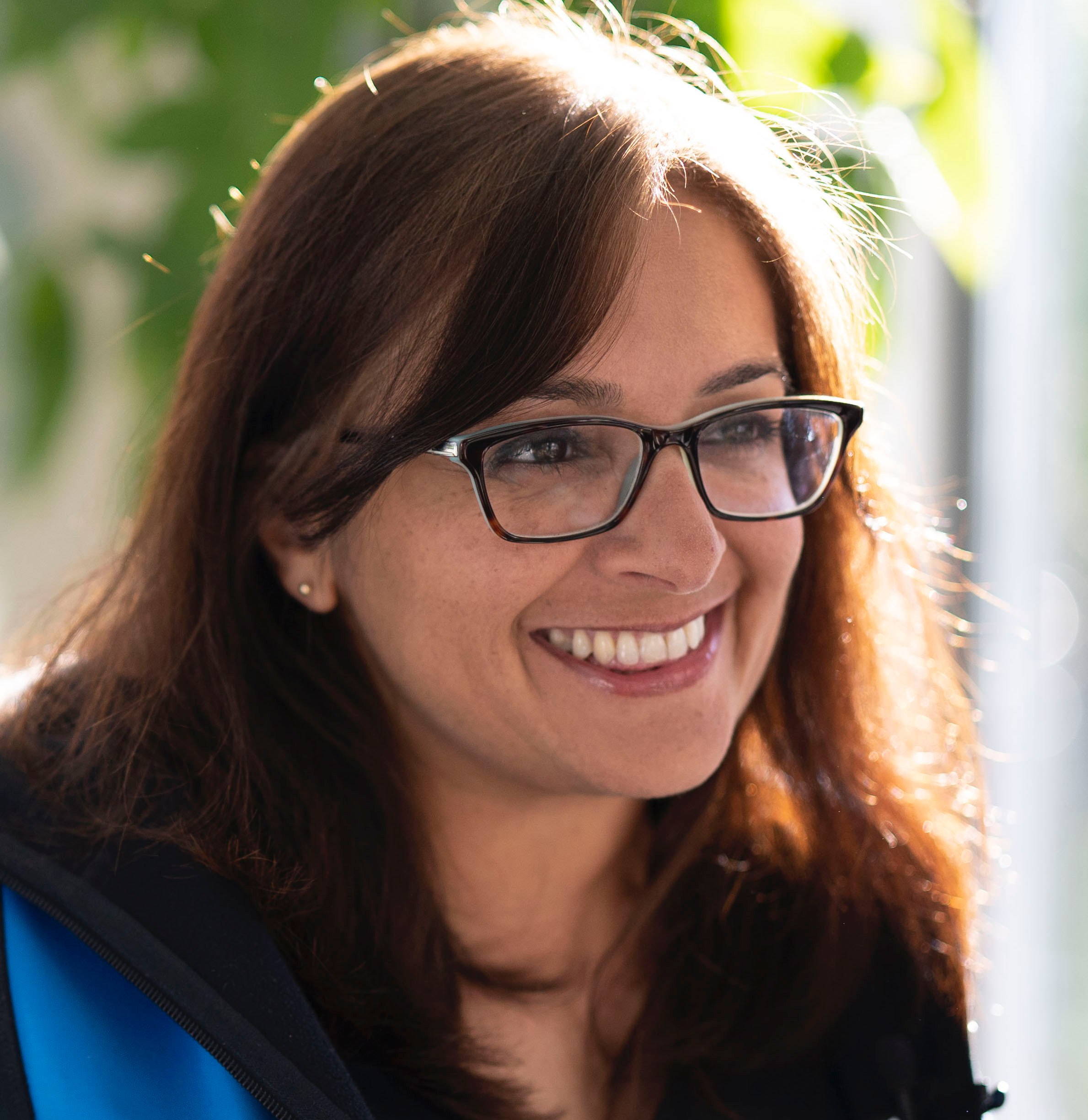
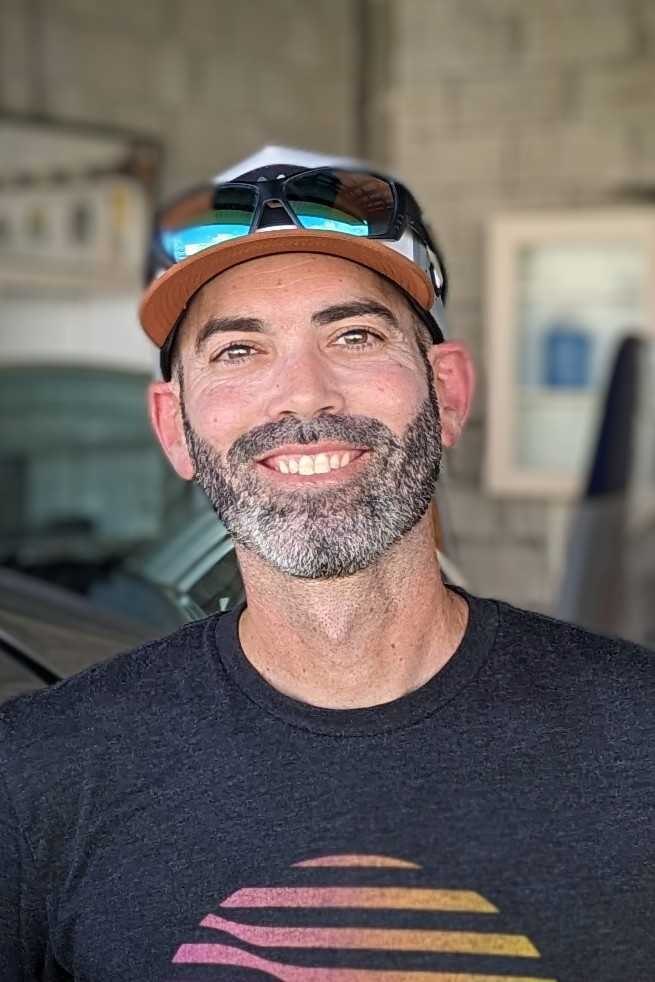
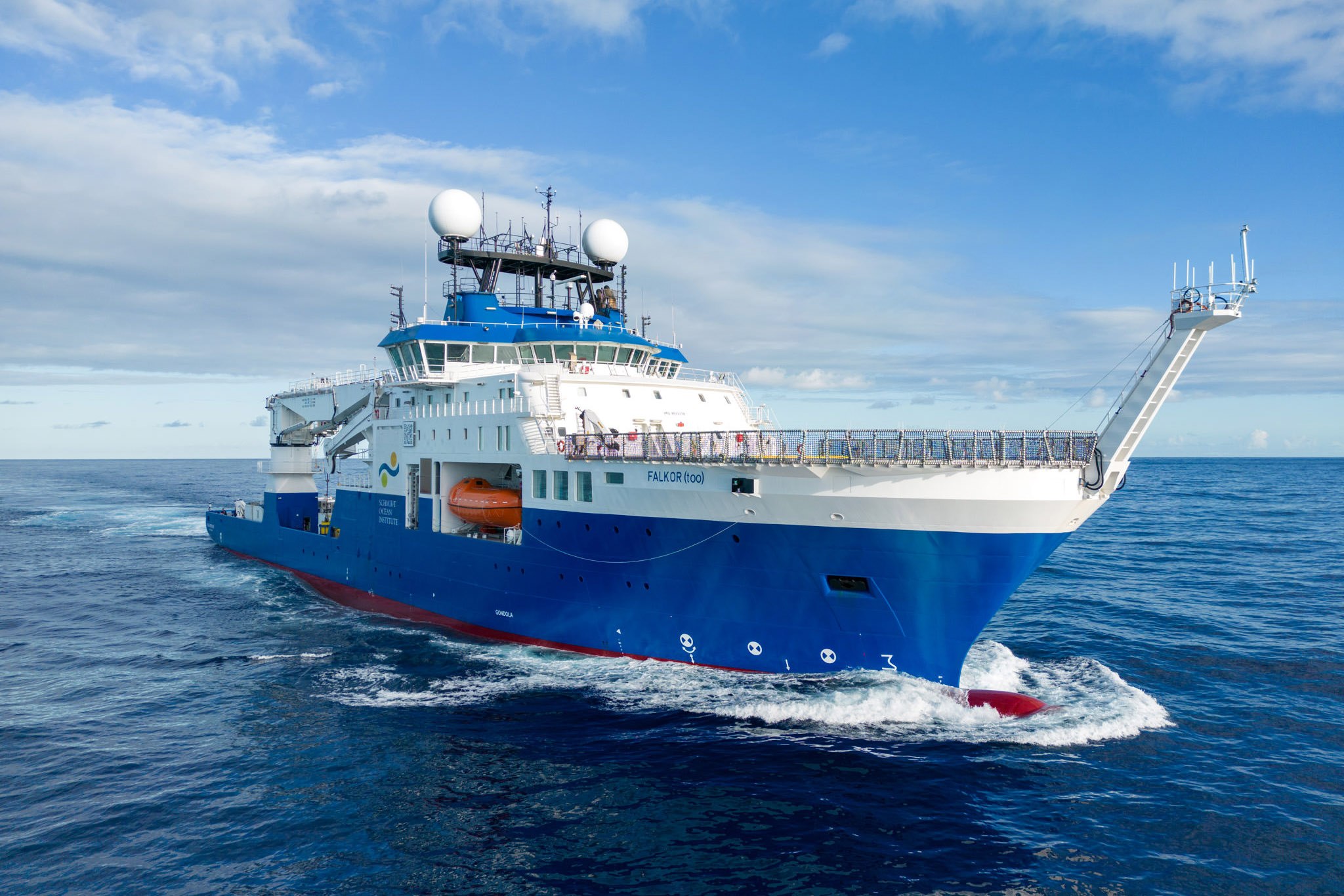
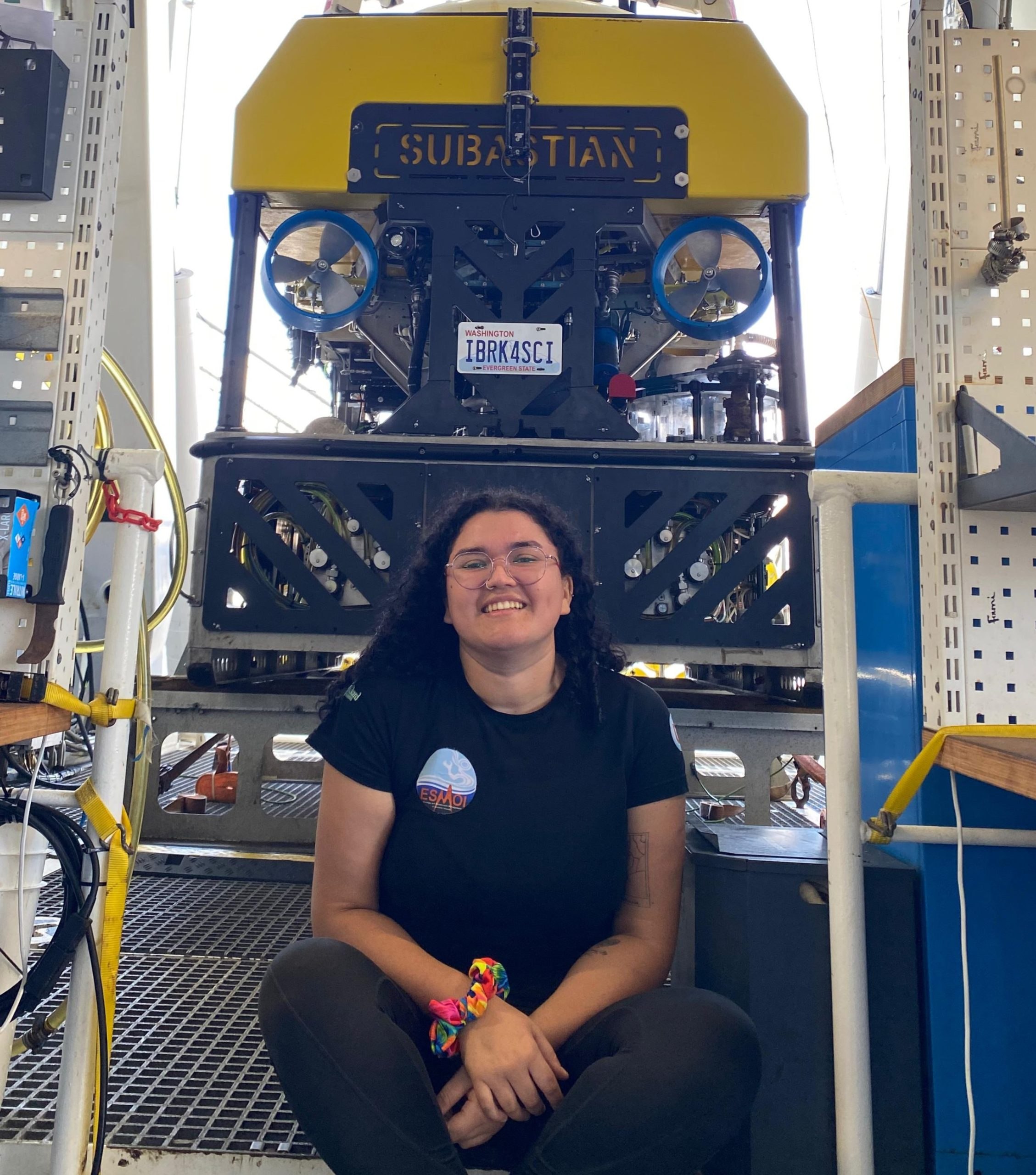
To expand on these expeditions' success and contribute vital data to inform future protections of these high seas areas, we will conduct an expedition co-led by Schmidt Ocean Institute Marine Technician Tomer Ketter and Executive Director Dr. Jyotika Virmani. The expedition will be a collaborative effort between Schmidt Ocean Institute, the University of New Hampshire Center for Coastal and Ocean Mapping Alumni, the Ocean Census, and an international contingent of scientists. The crew of Falkor (too) and the international science team will collect comprehensive seafloor mapping data and, using ROV SuBastian, characterize the biodiversity of life along several seamounts at the Nazca and Salas y Gómez junction. The team will also integrate and test several new pieces of equipment on the ROV, including a state-of-the-art channel oxygen logger called a mini Trace analyzer in situ logger, or mTail, a new camera with a 3rd-person view of SuBastian, and new specialized sampling jars.
- Dive Markers
- Trackline
The Mission
Data for Protection
In February 2023, the United Nations adopted the High Seas Treaty and pledged to protect 30% of the world’s Ocean by 2030. Currently, less than 1% of the high seas are protected. Wagner et al.'s 2021 literature review synthesized about 250 studies and concluded that protecting the Salas y Gómez and Nazca Ridge would be a “global accomplishment” that would set a critical precedent for others seeking to protect high seas areas “based on their common interests in a shared ecosystem.” This expedition builds upon the thrilling discoveries made by international scientists working in the region since January 2024, and it will establish a scientifically rich baseline that will help advance informed high seas protections.
An International Partnership
Schmidt Ocean Institute is leading the expedition — an exciting first for everyone on the team — with support from our partners at the University of New Hampshire Center for Coastal and Ocean Mapping and Ocean Mapping and Ocean Census. Tomer Ketter, marine technician and co-chief scientist for the expedition, is a UNH CCOM alum; fellow alums from the center will join him. Schmidt Ocean Institute is a proud partner of the Seabed 2030 program and sends all collected bathymetric data to the General Bathymetric Chart of the Ocean, or GEBCO, to contribute to a complete, high-resolution map of the Earth’s seafloor.
Ocean Census is an ambitious collaboration working to find and describe at least 100,000 new marine species within its first decade of operation. Because the Ocean is the largest habitable space for life on Earth and is vastly unexplored, scientists estimate that two million undescribed species live in the depths. The Ocean Census is creating a global network of taxonomists to innovate on the current models of describing species and to train the next generation. The organization is funding travel for Dr. Javier Sellanes of Universidad Catolíca del Norte, Chile, Dr. Erin Eastin of the University of Texas, Rio Grande Valley, and a team of Chilean scientists to participate in the expedition to characterize biodiversity at the Nazca and Salas y Gómez junction.
ROV SuBastian Equipment Upgrades
An integral part of the expedition will be upgrades and integrations to ROV SuBastian’s suite of technologies. One of these integrations will be the mTAIL, an ultrasensitive oxygen sensor tested during the recent Microbes in Oxygen Minimum Zone Expedition — the expedition was the first trial for the sensor, and the developers are eager to continue collecting data during ROV operations on R/V Falkor (too). Drs. Morten Larsen and Bo Thamdrup of the University of Southern Denmark, alongside Dr. Laura Bristow of the University of Gothenburg, Sweden, developed the sensor. mTAIL is a state-of-the-art 3-channel oxygen logger specially designed for ultra-sensitive oxygen sensors, with orders of magnitude lower detection limits than commercially available industry-standard oxygen sensors. The sensors show a fast response time of less than five seconds, making the device ideal for profiling in combination with traditional CTD instrumentation on a Niskin rosette.
Additionally, SuBastian will be outfitted with a new lighting array, a third-person view camera, and new sampling equipment for collecting animals in the midwater. Lighting and a third-person camera will provide a new viewing experience for the audience, enabling people to see SuBastian working on the seafloor with greater clarity. New specialized sampling jars for midwater collection allow scientists to collect animals floating in the water column more carefully and efficiently.
Team and Collaborators
Dr. Jyotika Virmani
Co-Chief Scientist
Tomer Ketter
Co-Chief Scientist
Michael Utley
Bosun
Maria de los Angeles Gallardo
Julianna Diehl
Lead Technician
Tyler Smith
ROV Pilot Technician
Kolos Kovacs
AV/IT Engineer
Timothy Lee Quan
AV/IT Engineer
Douglas Mania
ROV Senior Supervisor
Peter Reynolds
Captain
Maritza Castro
Matthew Newell
3rd Engineer
Richard Jeong
Marine Technician
Erin E. Easton
Alexander Paris
ROV Senior Pilot Technician
Leo Placido
Electro Technical Officer
Michael Rae
ROV Supervisor
Erik Suits
2nd Officer
Dan Bühler
Chief Engineer
Alexander Macamos
Galley Steward
Kemron Beache
Mildred Dadis
Stewardess
Neil McNaught
3rd Engineer
Guillermo Guzmán
Jessica Van Jaarsveldt
Purser
Javier Sellanes
Lewis Evans
Able Bodied Seaman
Daniel Grycz
Head Chef
Rodin Ylaran
Able Bodied Seaman
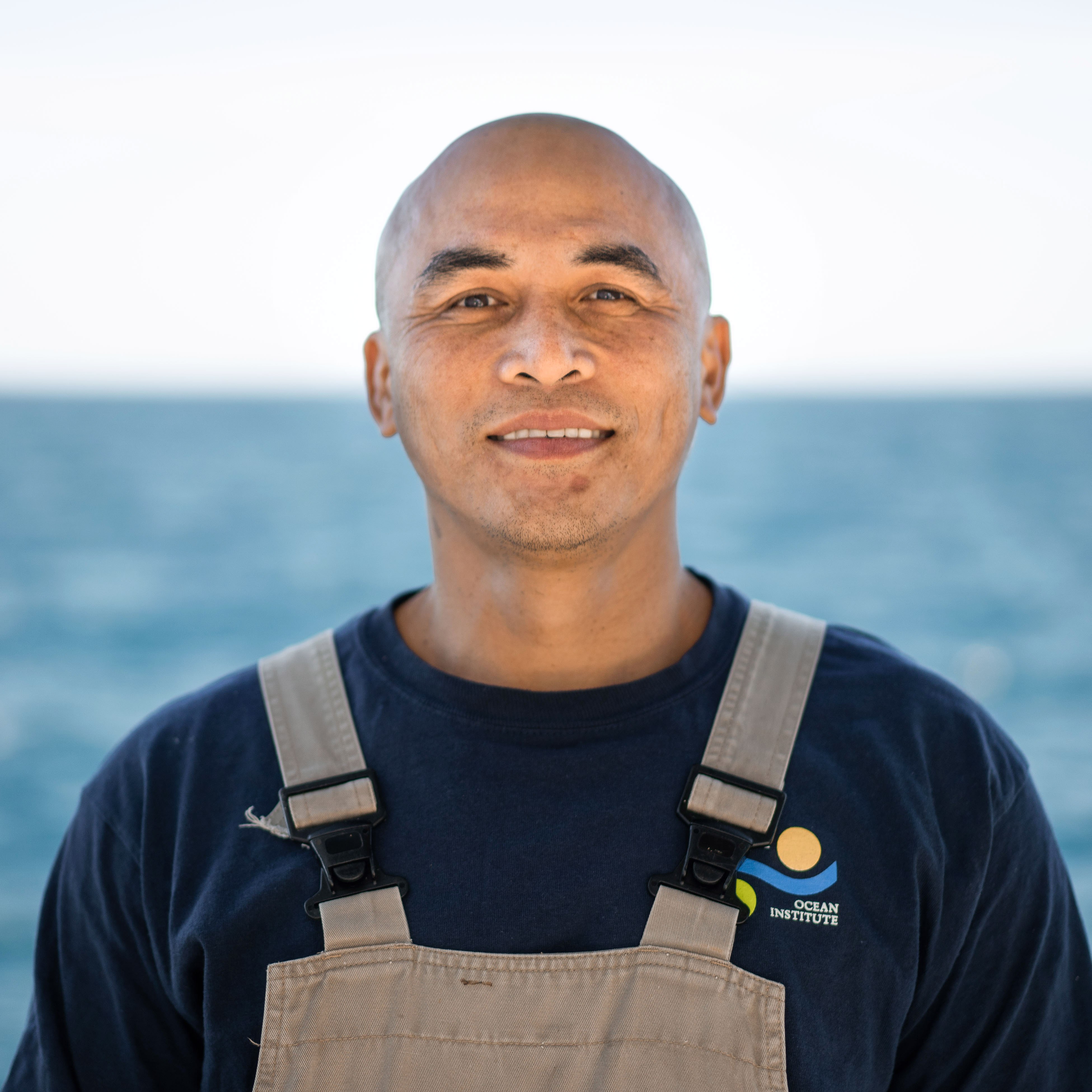
Alexander Mapa
Fitter
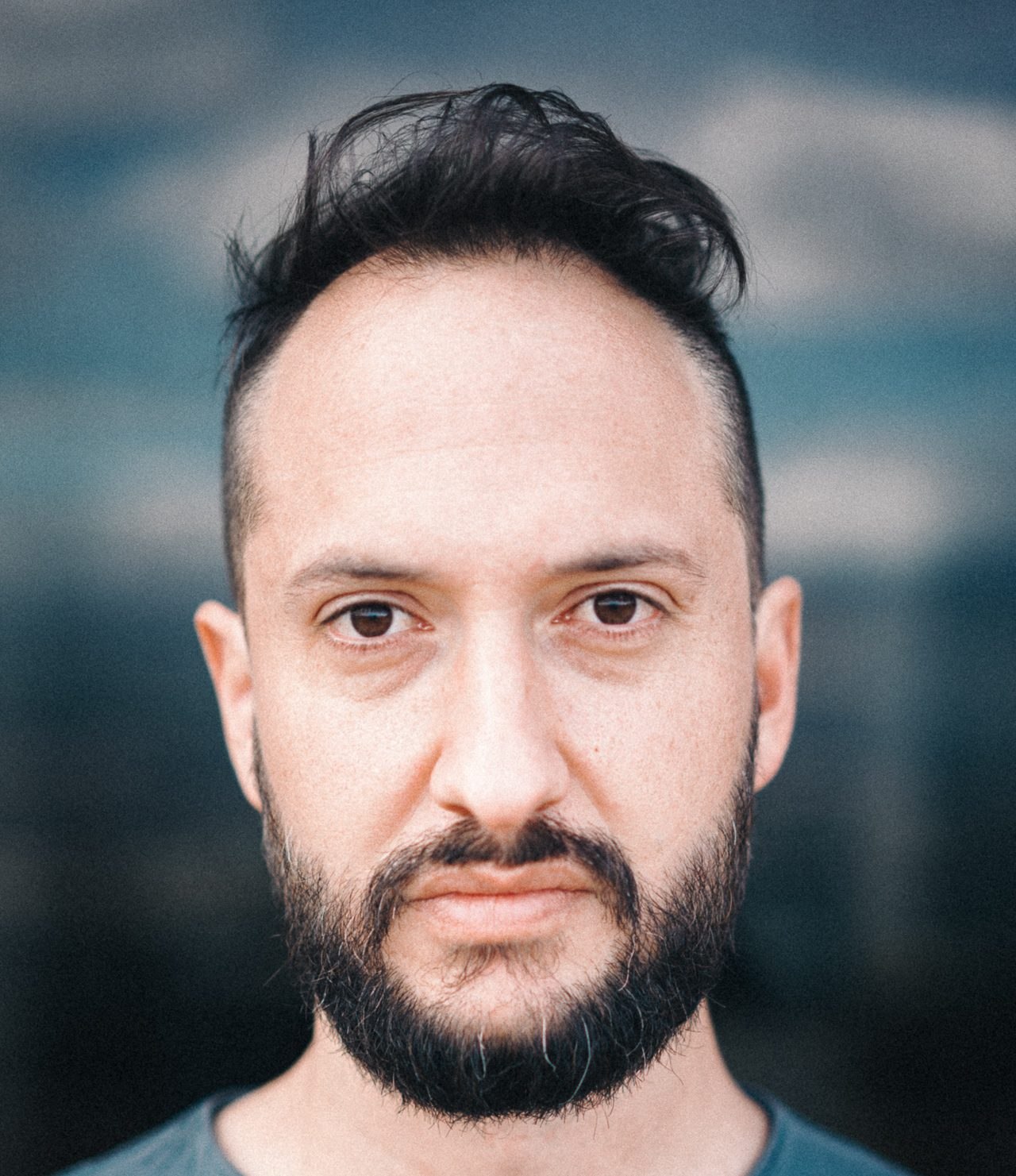
Misha Vallejo Prut
Multimedia Correspondent
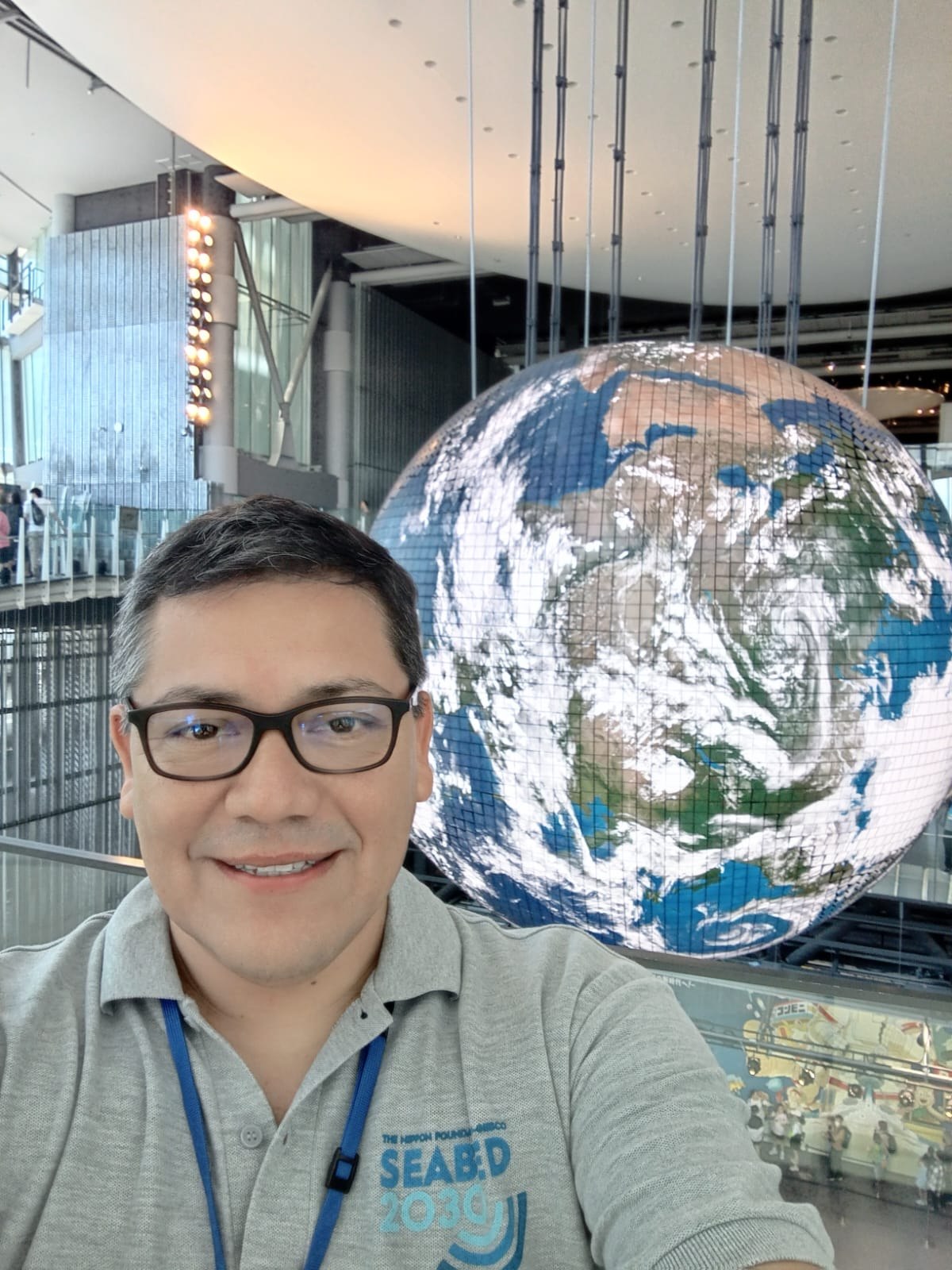
Hugo Montoro
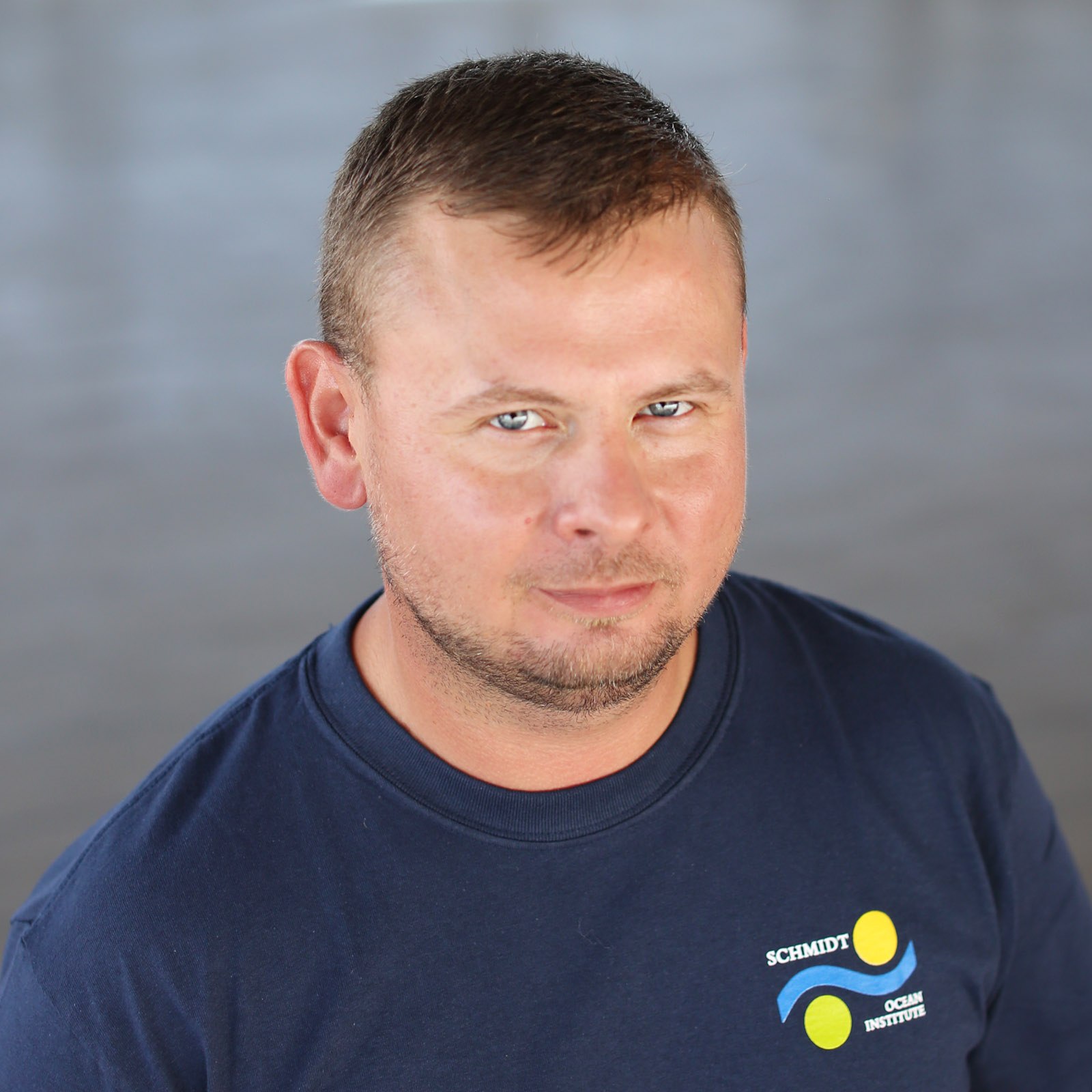
Leonids Danilovs
Bosun
Jan Maximiliano F. Tapia Guerra
Raquel Macamos
Stewardess
Matías Portflitt Toro
Novert Bunag
Fitter
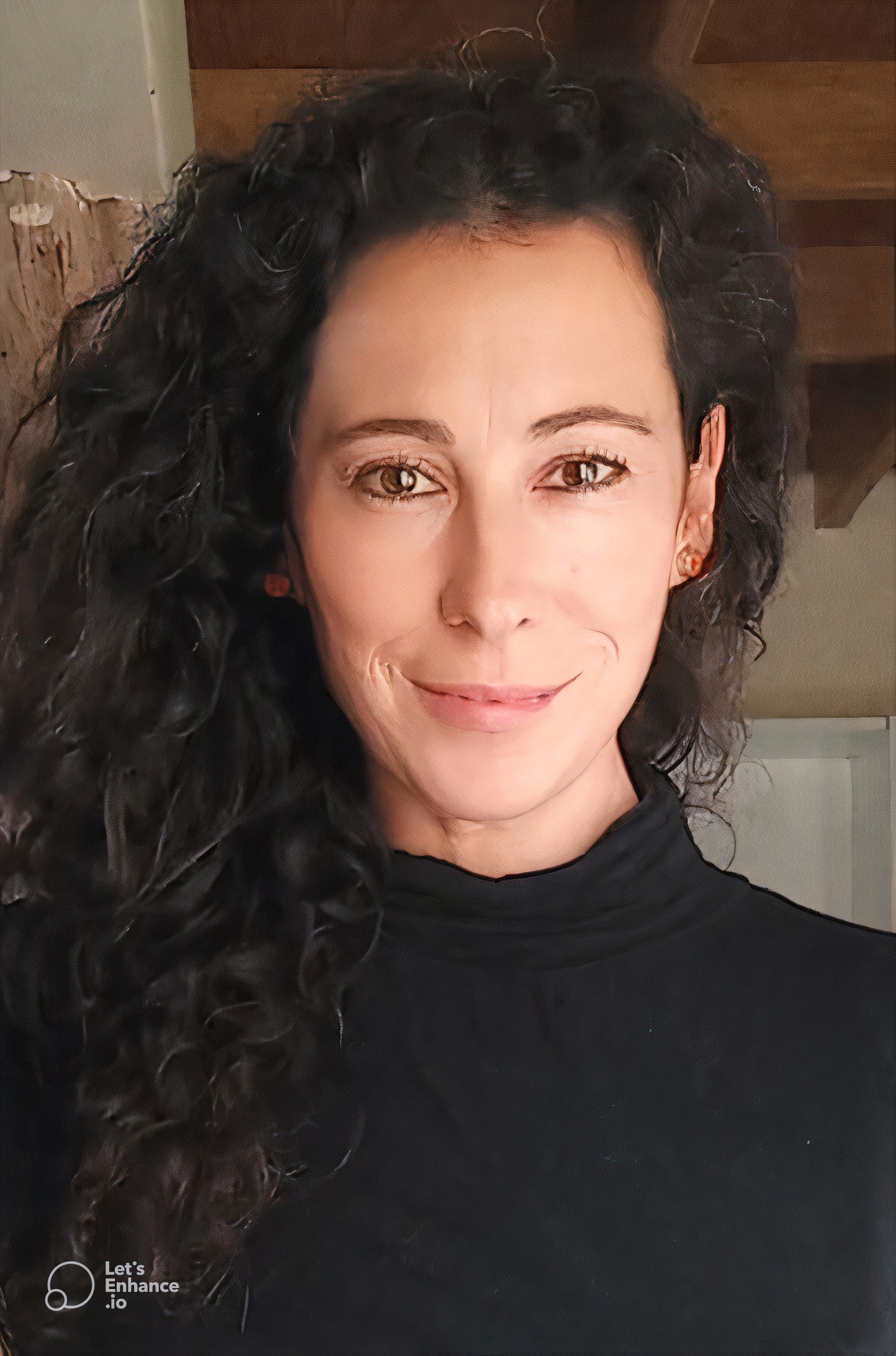
Claudia Berardi
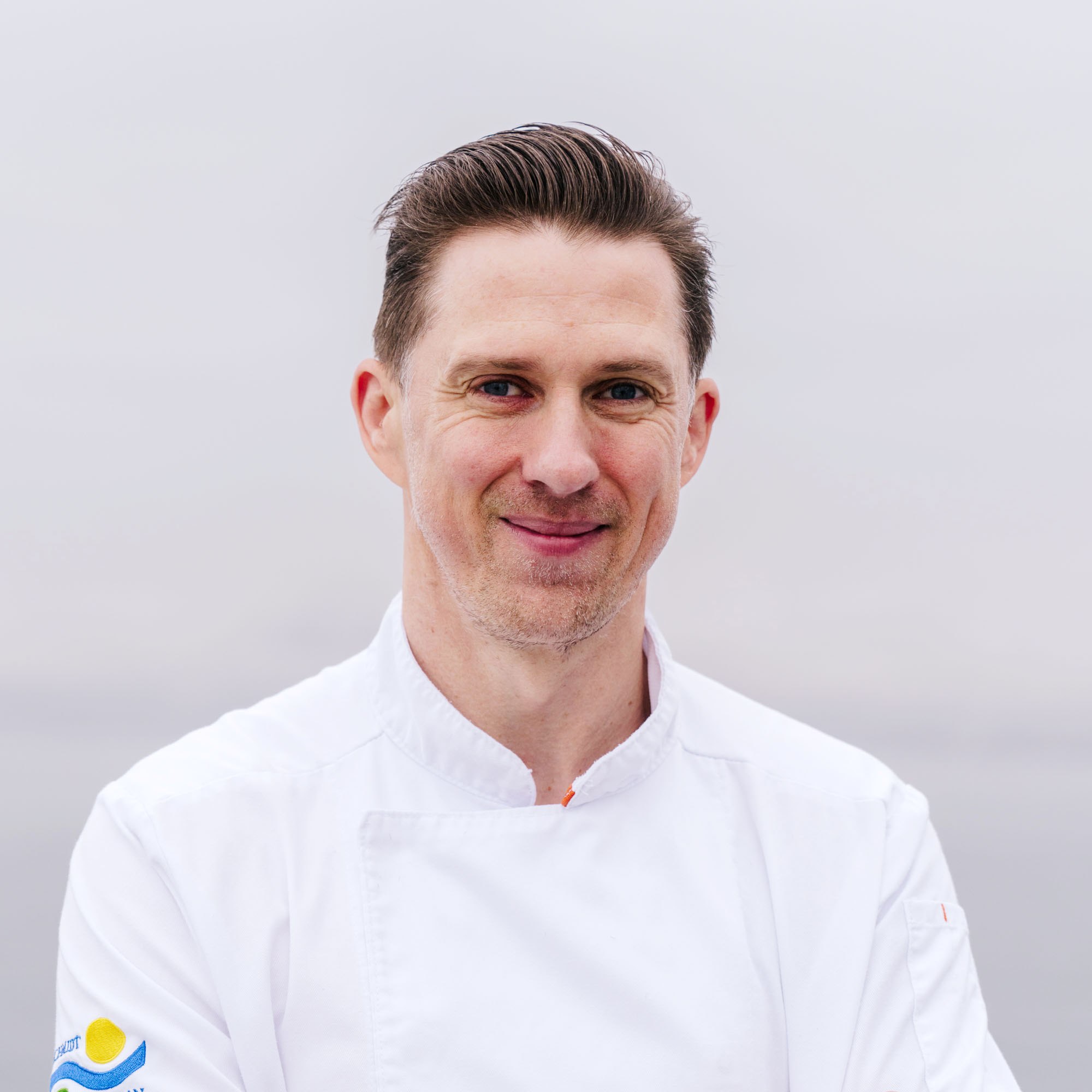
Carl Maxfield
Chef
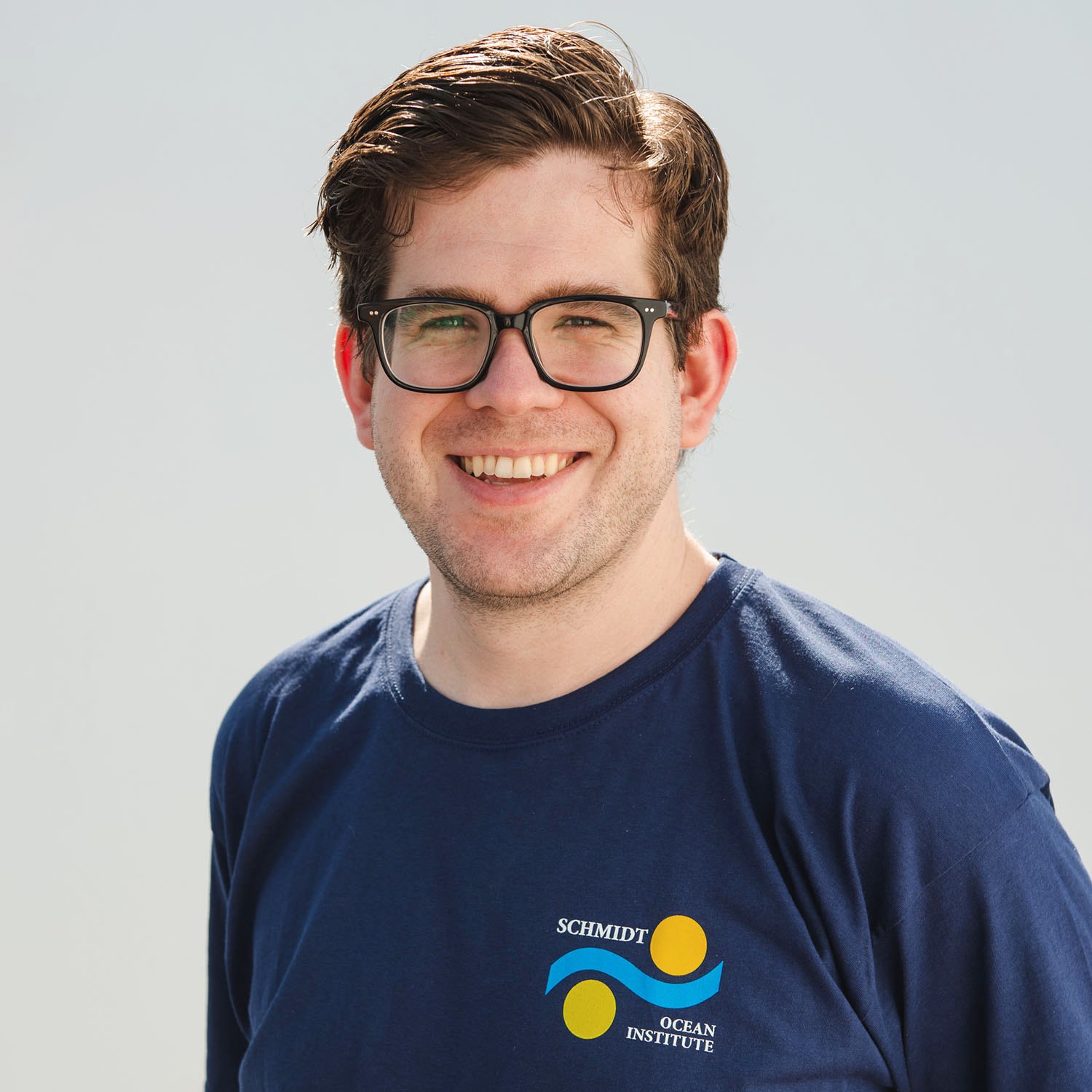
Alexander Havens
Multimedia Technician
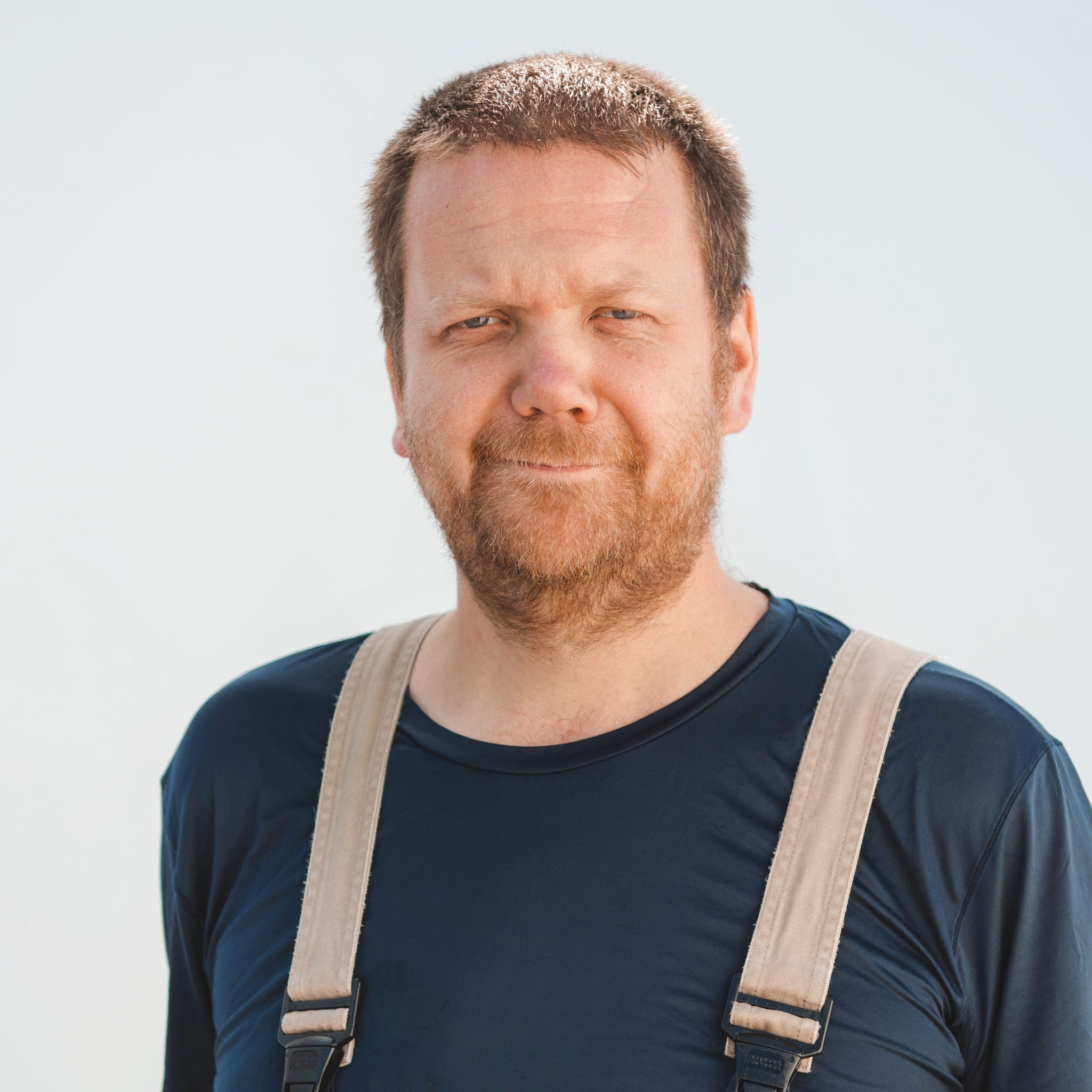
Douglas Hay
2nd Engineer
Paul "Jimbo" Duncan
Marine Technician
Scott Hansen
ROV Senior Pilot Technician
Liz Corkerton
Able Bodied Seaman
Tony McCann
Chief Officer
Daina Mathai


Explore
Divestreams
View all Divestreams


Discover More
Expedition Data
Title  | Type | Repository |
|---|---|---|
Processed Multibeam from Falkor (too) | Sonar Data | Marine Geoscience Data System (MGDS) |
| Vessel Underway data | Oceanographic Property Data | Rolling Deck to Repository (R2R) |
| Processed oxygen data | Oceanographic Property Data | TBD |
| Raw ROV M3 data | Sonar Data | Marine Geoscience Data System (MGDS) |
| ROV SuBastian Sensor Data | Oceanographic Property Data | Marine Geoscience Data System (MGDS) |
| ROV Image Data | Captured Image/Video | Marine Geoscience Data System (MGDS) |
| ROV Event Log Data | Other | Marine Geoscience Data System (MGDS) |
| ADCP Data | Oceanographic Property Data | University of Hawaii SOEST |
Publications from This Expedition
Fernández-Zúñiga, M., Vögler, R., de los Ángeles Gallardo, M., Tapia-Guerra, J., and Sellanes, J. (2025). Spatial ecology of two emblematic deep-sea crustaceans in the Salas y Gomez, Nazca and Juan Fernandez ridges Southeast Pacific, Scientific Reports (15), doi: 10.1038/s41598-025-98820-4.
[This Article was published OPEN ACCESS]Preliminary Expedition Report: High Sea of the Nazca Ridge
[This Article was published OPEN ACCESS]Mandre, P., and Rouse, G. (2025). Molecular Phylogeny of the Deep-Sea Predatory Octacnemidae (Ascidiacea, Tunicata, Chordata), with Seven New Species. Diversity, 17(12), doi: 10.3390/d17120859.
[This Article was published OPEN ACCESS]Portflitt-Toro, M. (2025). Habitantes de las profundidades: Una exploración a los montes submarinos del Pacífico Sudeste. Zenodo, doi: 10.5281/zenodo.17289608.
[This Article was published OPEN ACCESS]Carrasco, S., Ibáñez, C., Varela, A., Tapia-Guerra, J., Easton, E. y Sellanes, J. (2026). Morphology, Phylogeny and Distribution of Scaeurgus (Cephalopoda: Octopoda) in Southeast Pacific Seamounts. Journal of Marine Science and Engineering, 14(7), doi: 10.3390/jmse14070678.
[This Article was published OPEN ACCESS]