



Dive In
About the Expedition
An important mechanism in ocean ecology is dispersal—– tides, currents, winds, and waves move larvae from one place to another with the potential to create new communities. While dispersal is well studied and understood in shallow ecosystems, how dispersal works for many hydrothermal vent species is yet to be determined. Dr. Monika Bright and her international team suspect the mechanism for building new hydrothermal vent ecosystems exists beneath the seafloor. They hypothesize a teeming community of protists, bacteria, fungi, animal larvae, and even small adults thrive underneath hydrothermal vents, changing in space and time. She suspects this subseafloor ecosystem facilitates the conditions for life dwelling on the vents, spreading animal larva and microbial communities between vent fields through water being sucked into and pumped out of the Earth’s crust. Her team will voyage to the East Pacific Rise to study life beneath the vents and determine the drivers for how hydrothermal vent communities form in space and time. The team will be joined by acclaimed artist, Max Hooper Schneider, who specializes in creating sculptural otherworldly ecosystems out of recycled materials.
- Dive Markers
- Trackline
The Mission
One of the most common reproductive strategies in the Ocean is larva dispersal, a process where animals release their young into the open sea. Once eggs, sperm, or fertilized eggs develop into larvae and disperse, the open seas serve as a nursery ground. Species commonly affiliated with seafloor environments will settle as they mature into a more “teenage” stage. Some animals like corals or tubeworms adhere themselves to rocks, either in shallow waters or in the deep sea. Dispersal and settlement are important biological mechanisms for maintaining genetic diversity in the Ocean. Parents cast their young to the sea and rely on the Ocean’s physics to help ensure they reach new areas and maintain the genetic health of the population. While these processes are well-studied in coastal environments, there is little research on dispersal and settlement in the deep sea, especially for hydrothermal vent communities.
Hydrothermal vents are dynamic ecosystems prone to regular disturbances like volcanic eruptions and earthquakes. Some hydrothermal vents have brief lifespans, yet, wherever a hydrothermal vent forms, a biological community almost always follows, and how these animals arrive is yet to be determined. Even more mysteriously, while scientists have plentiful evidence that hydrothermal animals are reproducing, and water samples taken from the surrounding area contain plenty of larvae, those of tubeworms have not been found yet. This suggests that these hydrothermal animals may not only rely on the open Ocean to disperse their young.
Dr. Monika Bright and her team have a different hypothesis for how larvae are transported and create new biological communities on hydrothermal vents. They believe that the larvae, viruses, fungi, and bacteria travel beneath the seafloor and through the vents rather than in the overlying water—this would be a completely new phenomenon in science. To determine if this is the case, they will travel to the East Pacific Rise to conduct experiments with the potential to uncover those potential processes.
Beneath the Vents
The subseafloor is the underground space below the ocean floor, and is made from mud, sand, or volcanic rock. Scientists estimate that the total habitable space for life in the Ocean’s subseafloor is equivalent to 6% of the Ocean’s volume (Hondt et al., 2019). The subseafloor environment is poorly studied, especially in the deep sea, but is suspected to be vital in nutrient cycling and carbon sequestration for our planet. Beyond exploring dispersal at hydrothermal vents, Bright and her team will study the entire community living in the subseafloor below hydrothermal vents, including the bacteria, fungus, and viruses. They will work to determine the role this microscopic, underground community plays in supporting life in the world above them, and suspect it is in this underworld where some hydrothermal animals may acquire their larval stage symbionts.
Additionally, Bright and her team hypothesize that while the subseafloor is a hostile environment for most life, the bodies of smaller organisms are more likely to withstand it. The team believes that their travel time through the earth's crust from one vent to another may be relatively short, taking only a few hours before the larvae reach the surface again.
Tica and Research Methodologies
The Underworld of Hydrothermal Vents team will travel to the East Pacific Rise to conduct their experiments, specifically on a well-documented vent site known as Tica. They have chosen a well-studied area so that their research may contribute to the body of knowledge on these vents. First, they will attach an in situ mass spectrometer, a device for measuring molecules and isotopes, to ROV SuBastian. The scientists will use this sensor to create complete environmental and chemical profiles of the subseafloor around the vents.
The team will also collect rock, fluid, and animal samples from the surface and fluid samples from the subsurface, using ROV SuBastian’s pumps and robotic arms. They will cover then the surface with a custom-designed mesh box and a staining box to dye all the remaining animals. Leaving the mesh box for some time will allow larvae and small animals from the subsurface to settle in the mesh. Collecting fluid in the mesh box and rocks up to 10 cm below the seafloor afterwards will allow to distinguishing between previously stained and newly settled unstained animals on the rocks to examine the communities living in fissures in the earth’s crust. Through these collections and experiments, the team will paint a holistic picture of ecosystems in the subseafloor around Tica, potentially providing answers to the question of how hydrothermal vent communities form
Team and Collaborators

Monika Bright
Principal Investigator
Clarissa Karthäuser
Stéphane Hourdez
Jessica Mitchell

Fanny Sieler
Avery Fulford

Ingrid Kolar

Tinkara Tinta
Max Hooper Schneider
Artist-at-Sea
Teresa Winter

Tihomir Makovec
Mónika Naranjo-Shepherd
Multimedia Correspondent
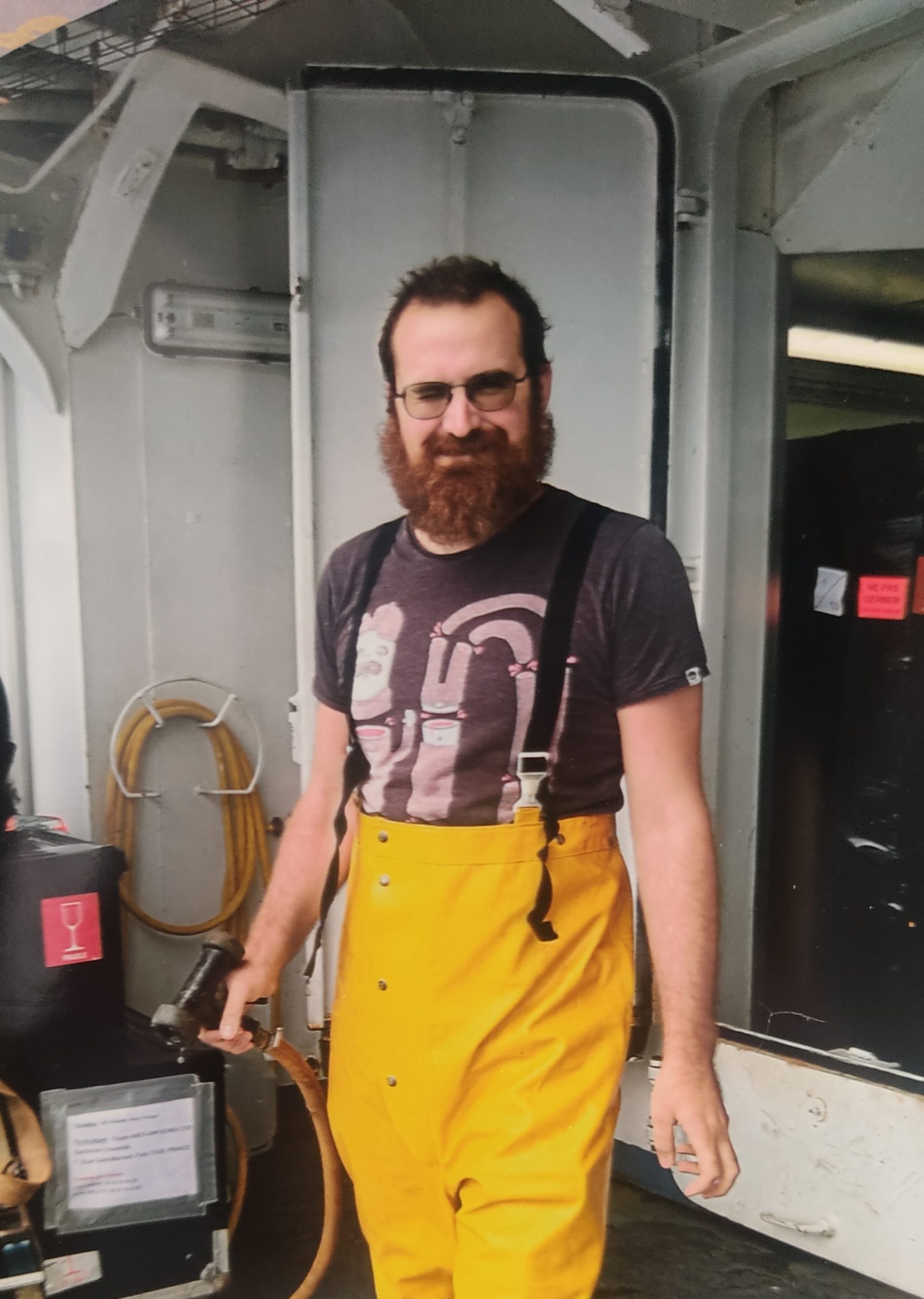
Victor Le Layec

Philipp Pröts
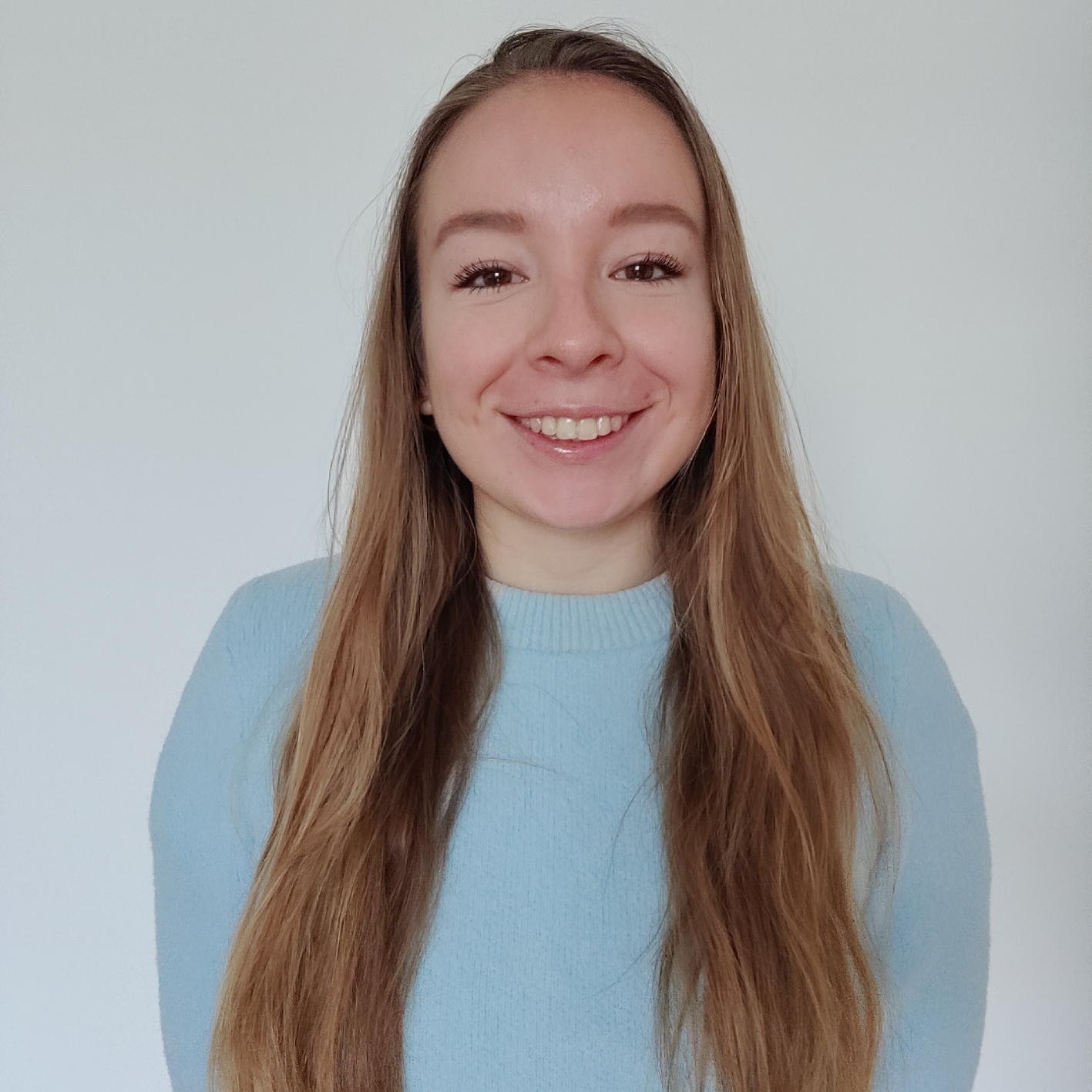
Nicole Krause
Stefan Sievert

Ian Hughes
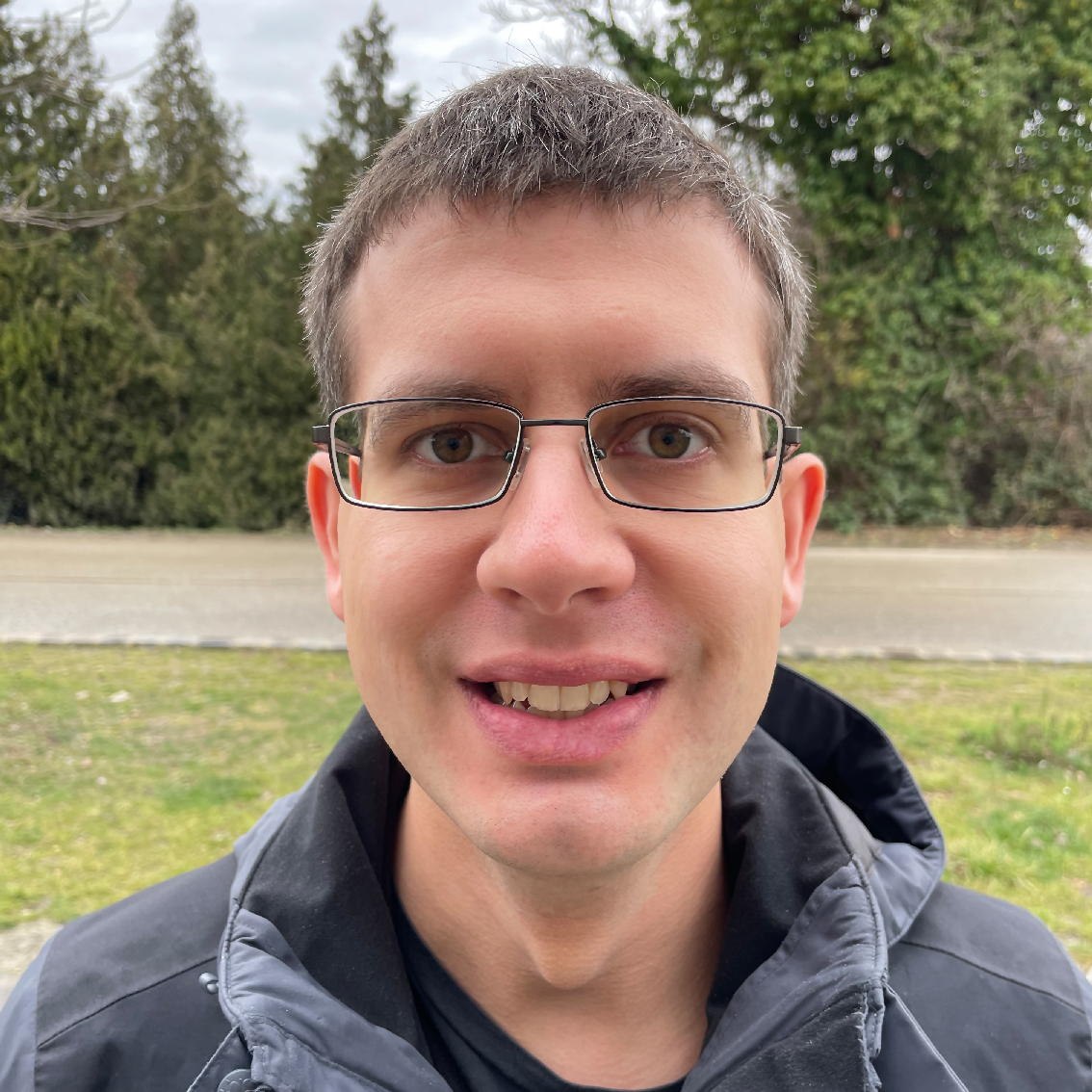
Jan Steger
Alessandro Messora

Salvador Manuel Espada-Hinojosa

Sabine Gollner
André Luiz de Oliveira
Ivonne Rodriguez
Berth of Opportunity







Explore
Updates from the Ship
All Ship Updates
- 01
Ir al Mar es un Regalo
1 August 2023
Read
- 02
Digging into the Underworld of Hydrothermal Vents
29 July 2023
Read
- 03
The Role of Ocean Viruses
29 July 2023
Read
- 04
The Lavatic Theatre
25 July 2023
Read
- 05
Trans-Habitats | Artist-at-Sea
21 July 2023
Read
- 06
Succession and Diversity through Dispersal and Settlement
19 July 2023
Read
- 07
Curiosity-Driven Science - Week 2 Update
17 July 2023
Read
- 08
Curiosity-Driven Science - Week 2 Update
17 July 2023
Read - 09
Dejar el Mundo un Poquito Mejor | Science Stories
15 July 2023
Read
- 10
Life in Crust Cracks and Crevices
12 July 2023
Read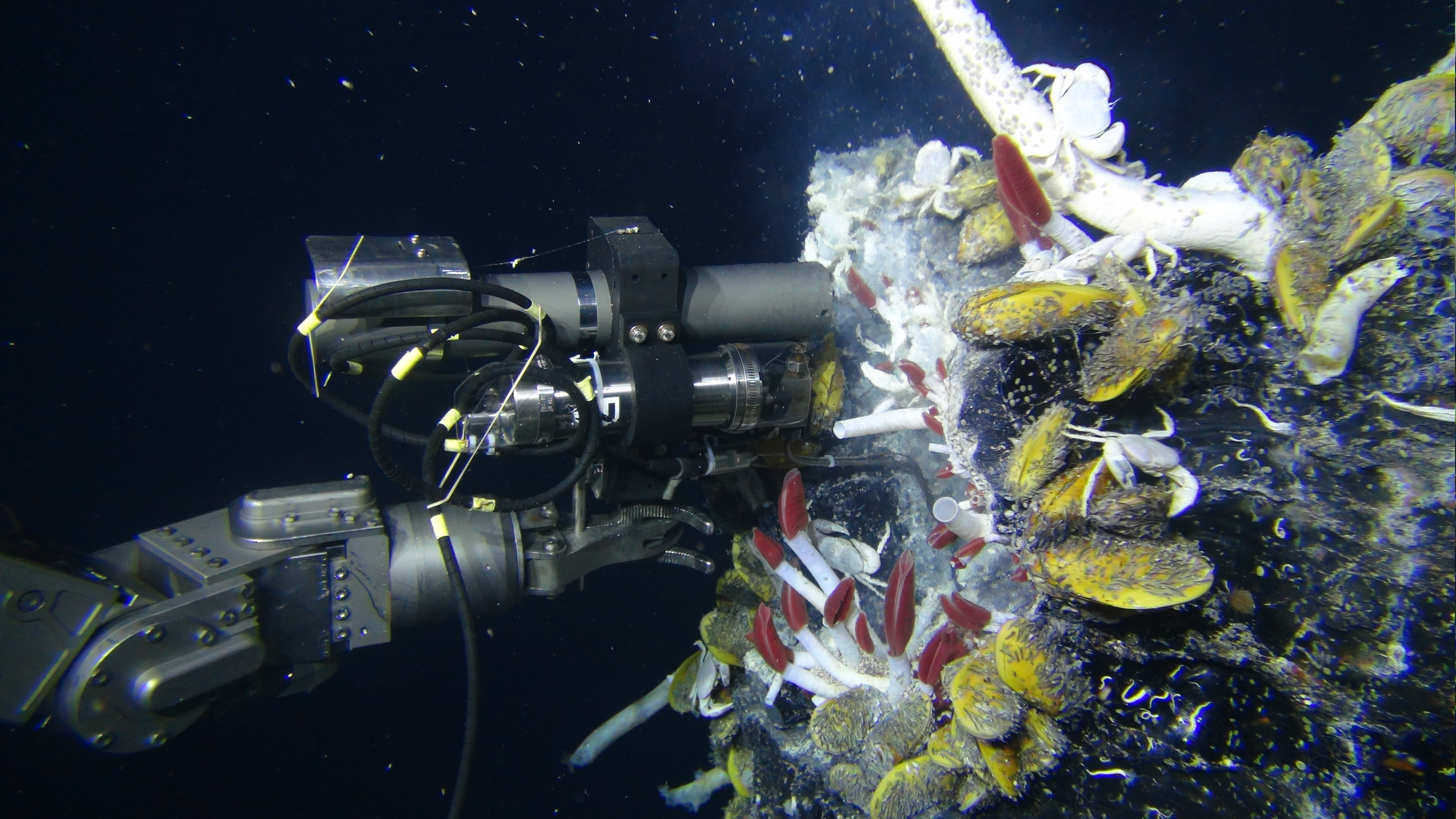
- 11
Traveling through Vents - Week 1 Update
10 July 2023
Read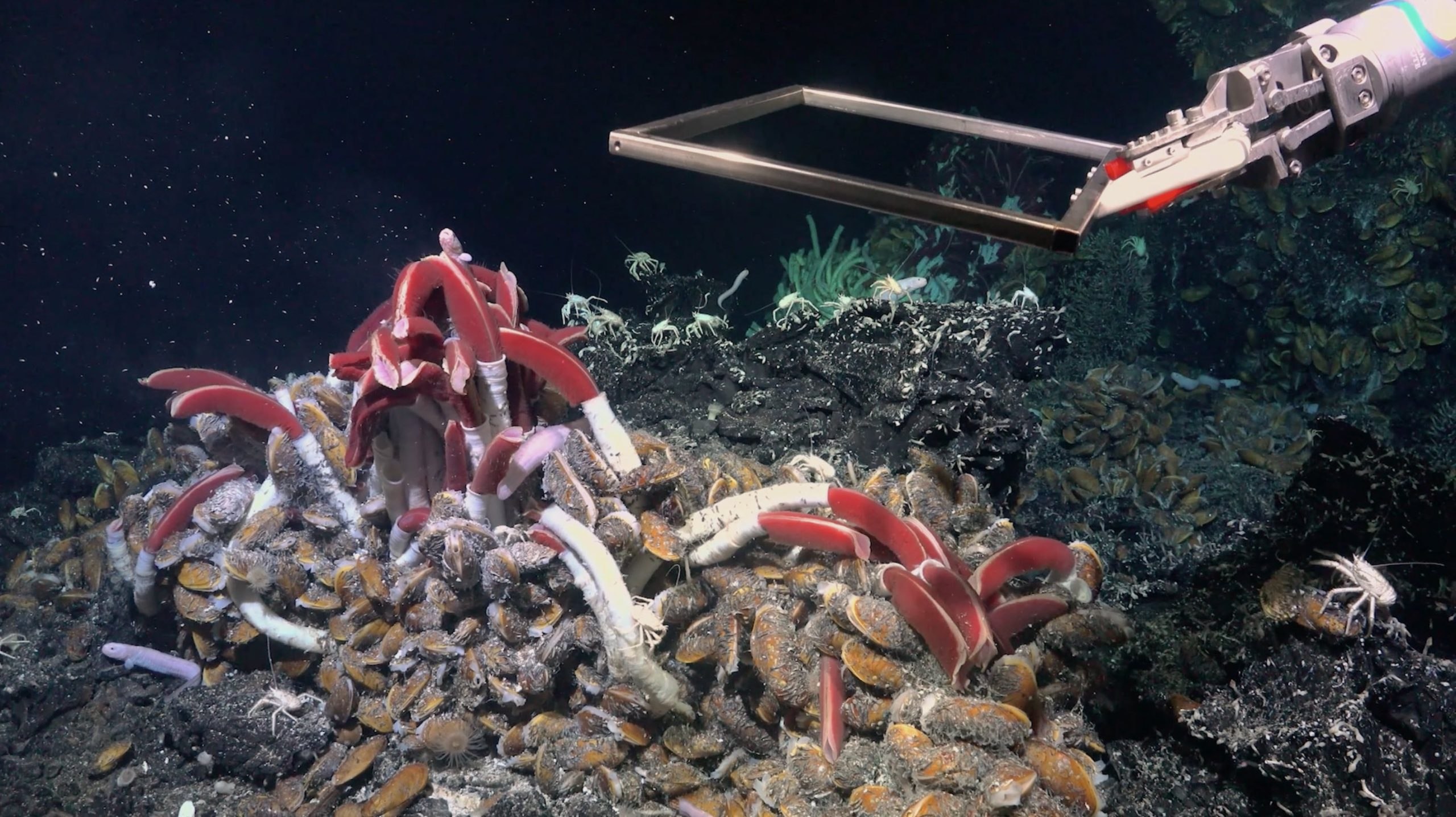
- 12
Giant Worms on a Very Special Volcano
6 July 2023
Read
Related Galleries
View AllWe are happy to offer a streamlined request process when usage falls within the parameters outlined in the Creative Commons Attribution-Noncommercial-ShareAlike 4.0 International (CC BY-NC-SA 4.0) License. However, due to our legal status as a 501(c)(3) private operating foundation, no media produced by Schmidt Ocean Institute may be used in attempting to influence legislation or lobbying.
Attribution-NonCommercial-ShareAlike | CC BY-NC-SA
Under this Creative Commons License, you are free to:
Share — copy and redistribute the material in any medium or format
Adapt — remix, transform, and build upon the material
Under the following terms:
Attribution. You must give appropriate credit, provide a link to the license, and indicate if changes were made. You may do so in any reasonable manner, but not in any way that suggests the licensor endorses you or your use.
NonCommercial. You may not use the material for commercial purposes.
ShareAlike. If you remix, transform, or build upon the material, you must distribute your contributions under the same license as the original.
Not sure this license fits your use? Head over to our Image Requests page to learn more
Divestreams
View all Divestreams

Weekly Videos
View all Weekly Videos
Discover More
Expedition Data
Title  | Type | Repository |
|---|---|---|
| Virus Production at Hydrothermal Vents | Genetic Analysis Data | Biological and Chemical Oceanography Data Management Office (BCO-DMO) |
| ADCP Data | Oceanographic Property Data | University of Hawaii SOEST |
| Vessel Underway Data | Oceanographic Property Data | Rolling Deck to Repository (R2R) |
| Lethal Time 50 experiment results | Chemical Analysis Data | Biological and Chemical Oceanography Data Management Office (BCO-DMO) |
| Physico-chemical habitat characterization | Chemical Analysis Data | Other |
| ROV SuBastian Sensor Data | Oceanographic Property Data | Marine Geoscience Data System (MGDS) |
| ROV Image Data | Captured Image/Video | Marine Geoscience Data System (MGDS) |
| ROV Event Log Data | Other | Marine Geoscience Data System (MGDS) |
Processed Multibeam from Falkor (too) | Sonar Data | Marine Geoscience Data System (MGDS) |
Publications from This Expedition
Final Expedition Report: The Underworld of Hydrothermal Vents
[This Article was published OPEN ACCESS]Wu, J-N., Parnell-Turner, R., Fornari, D., Barreyre, T., McDermott, J. (2025). Quantifying widespread hydrothermal chimneys on the East Pacific Rise flanks between 9°43' and 57' N. Science Advances, 11(45), doi: 10.1126/sciadv.adv0788.
[This Article was published OPEN ACCESS]Bright, M., Gollner, S., de Oliveira, A., Espada-Hinojose, S. Fulford, A., Vincent Hughes, I., et al. (2024). Animal life in the shallow subseafloor crust at deep-sea hydrothermal vents. Nature Comms. 15, 8466. doi: 10.1038/s41467-024-52631-9.
[This Article was published OPEN ACCESS]Preliminary Expedition Report: The Underworld of Hydrothermal Vents
[This Article was published OPEN ACCESS]Messora, A., Hourdez, S., Bright, M., Winter, T., Sieler, F., and Gollner, S. (2025). Limits of life: Thermal tolerance of deep-sea hydrothermal vent copepods and implications for community succession. PLOS One, doi: 10.1371/journal.pone.0333996.
[This Article was published OPEN ACCESS]Karthäuser, C., Fucile, P., Mass, A., Blanco-Bercial, L., Gossner, H., Lowenstein, D., Niimi, Y., Van Mooy, B., Bernhard, J., Buesseler, and Sievert, S. (2024). RotoBOD - Quantifying Oxygen Consumption by Suspended Particles and Organisms. Environmental Science & Technology, 58(20), doi: 10.1021/aces.est.4c03186.
[This Article was published OPEN ACCESS]